In the hours after the Texas Hill Country flooded on July 4, 2025, the internet did what the internet does:
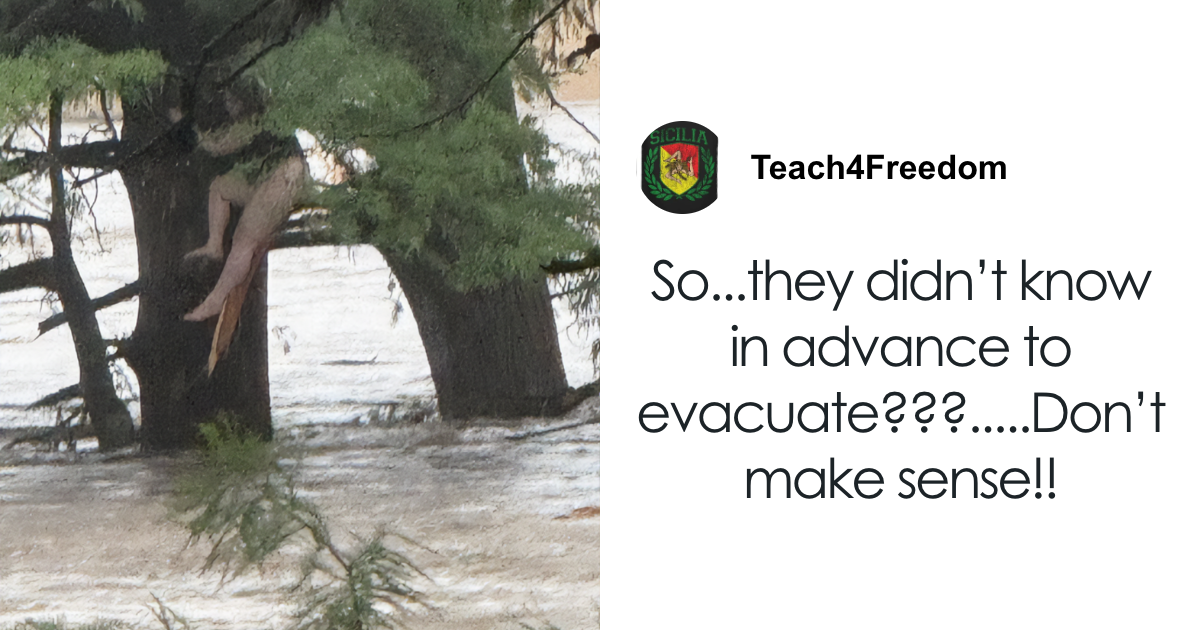
it grabbed onto one vivid story and wouldn’t let go. A “girl clinging to a tree” became the headline, the symbol,
the tear-jerking proof that hope was still out theresomewhere above the rushing water.
Here’s the problem: some versions of that story spread faster than the flood itself, and fact-checkers later
reported key details were unverified or outright wrong. At the same time, people really were rescued from
trees, rooftops, and debris piles. Survivors and first responders described real, harrowing moments of holding on
sometimes literally to brancheswhile the Guadalupe River turned from a scenic ribbon into a moving wall.
This article separates what’s been confirmed from what went viral, explains what happened at a well-known
all-girls camp in Kerr County, and looks at whywhen kids are missing and families are desperaterumors feel like
oxygen even when they’re polluted.
What Happened in the Texas Hill Country Floods
The disaster unfolded in the predawn hours of Independence Day weekend, when intense storms dumped heavy rain over
Central Texas. In the Guadalupe River watershed, rainfall rates and totals were extreme. In Hunt, Texasnear where
two forks of the river meetofficial analyses later showed that about 6.5 inches of rain fell in roughly three hours,
enough to turn creeks and channels into firehoses pointed downhill.
As the water surged downstream, the Guadalupe River rose with frightening speed. River gauge data and post-event
summaries indicate the river climbed roughly 26 feet in about 45 minutes in the Hunt area and ultimately reached a
record crest around 37.5 feet. That kind of rapid rise is what makes flash flooding so dangerous: there’s no
“slow reveal.” It’s an ambush.
Across the region, rescues began immediately. Officials reported hundreds of water rescues involving boats and
helicopters. People were pulled from rooftops, trees, vehicles, and pockets of high ground where they’d gathered
in the dark. The death toll also rose quickly in the first days, with Kerr County bearing a heavy share of the losses.
Why Summer Camps Were Hit So Hard
Summer camps exist in a magical universe where time is measured in friendship bracelets, not weather radar. Many are
also intentionally placed in beautiful natural settingsnear rivers, under tall trees, far from city noise. That’s
part of the charm. It can also be part of the risk.
One camp became central to national attention: Camp Mystic, a historic Christian all-girls camp near Hunt and Kerrville
along the Guadalupe River. Early reports from state and local officials indicated more than 20 girls were missing from
the camp after floodwaters swept through the area. In the days that followed, officials provided updates as the search
continued and as some girls were foundsafe or notover a wide area.
The most agonizing aspect wasn’t just the scale of the flooding, but the uncertainty. Many campers were young, some
cabins were closer to the river, and communication was complicated by geography, damaged infrastructure, and limited
cell service in parts of the Hill Country. Camps often restrict phones, and even where phones exist, nighttime
emergencies are a worst-case scenario: people are asleep, visibility is low, and minutes matter.
Nearly Two Dozen Missing: What That Number Really Means
In disasters, “missing” is not a fixed categoryit’s a moving target. It can include people who are swept away,
people sheltering without phones, people evacuated to a location that hasn’t yet been logged, and people who are
safe but not yet accounted for. That’s why early missing counts can be high and later drop as reunifications happen.
In the Camp Mystic case, early briefings cited “more than 20” missing campers. As the response intensified, the numbers
shifted with new information and confirmations. Later reporting documented that Camp Mystic ultimately confirmed
the deaths of 27 campers and counselors, underscoring the scale of tragedy at one location even after the initial
“missing” figure evolved.
The “Clinging to a Tree” Story: Symbol, Reality, and Misinformation
The phrase “clinging to a tree” is so instantly visual it almost writes itself: a single person, small against the storm,
refusing to let go. In the Texas floods, that image appeared in multiple ways:
- Verified rescues included people being pulled from trees or from situations where holding onto branches
kept them from being swept away. - Verified survivor accounts included people describing how they held onto trees or other fixed objects as
water surged around them. - Viral “miracle rescue” rumors described two missing girls being found alive in a treereports that were later
walked back or debunked by outlets and fact-checking organizations.
Fact-checkers later documented how the tree-rescue rumor spread: social posts, word-of-mouth messages, and early reports
that seemed to confirm what everyone desperately wanted to be true. The emotional logic is obvious: if two girls could
survive, maybe everyone could. But journalism’s job in a crisis is to verify, not to wish.
Importantly, calling a viral story “false” doesn’t erase the real heroics. First responders described dangerous operations
in fast-moving water, including improvised methods to reach stranded people. Families and volunteers organized search
efforts along riverbanks and debris fields. And survivors described the eerie mix of instincts and luck that can decide
outcomes in a flash flood: being on the wrong side of a cabin, waking up at the right second, grabbing something solid,
or getting carried just far enough to reach a bend in the river.
Why Rumors Thrive When Kids Are Missing
When the public feels powerless, information becomes the lever everyone tries to pull. Unfortunately, rumors are
lightweight; they travel well. Confirmed facts are heavier; they move more slowly. That’s why the most responsible
thing any of us can do during a disaster is also the least dramatic:
wait for confirmation from officials, established newsrooms, or the families themselves.
If you’re reading this thinking, “Okay, but what if sharing helps?”you’re not wrong to want to help. The best version
of that instinct is to share official missing-person bulletins, verified shelter locations, and trusted donation
opportunities. The worst version is to forward a miracle story that turns out to be a mirage.
Warnings, Timing, and the Questions That Follow
After the water receded, scrutiny moved upstreamtoward warnings, timelines, and preparedness. Reporting documented that
the National Weather Service issued flood alerts overnight, including a flash flood warning around 1:14 a.m. and a more
urgent “flash flood emergency” message later in the early morning hours for parts of Kerr County. In plain English:
the danger was flagged, but the speed and intensity of the flooding still overwhelmed people.
State and local officials provided updates as the response unfolded, including expanded disaster declarations and requests
for federal help. A federal major disaster declaration was approved, opening the door to FEMA assistance. Search-and-rescue
operations involved multiple agencies, helicopters, boats, and hundreds of personnel.
Meanwhile, investigative reporting and newly released messages later painted a complicated picture of coordination and
communicationespecially in the critical morning hours when officials and camps were trying to understand how many
people were unaccounted for, where evacuations had reached, and how to deploy limited resources in flooded terrain.
The Camp-Specific Questions
When tragedy concentrates at a youth camp, the questions become painfully direct:
- How quickly did leadership receive warnings, and how did they interpret the risk?
- When did evacuations begin, and what obstacles slowed them?
- What redundancy existedsirens, river monitors, radios, generatorswhen cell service and power failed?
- Were cabins or activity areas located in zones that flood faster?
- Did flood maps and regulatory decisions underestimate the true risk from localized extreme rainfall?
Later reporting highlighted how floodplain maps can be limited and how amendments or exemptions may reduce oversight
even in historically flood-prone areas. It also emphasized a crucial reality: flood maps aren’t crystal balls. They’re
based on models and past data, and extreme events can exceed what those models expect.
Recovery, Reforms, and the Long Tail of a Flash Flood
Flash floods end quickly. Their consequences don’t. Families who lost children or are still waiting for answers face
an exhausting cycle: searches, memorials, paperwork, investigations, andsometimeslawsuits. Communities face rebuilding
decisions that are both practical and emotional. Camps face a public reckoning about safety protocols and site planning.
In the months after the flood, Camp Mystic publicly addressed reopening plans and new safety measures, including improved
warning systems and communications upgrades. State-level discussions about camp safety and emergency procedures intensified
as families and lawmakers looked for changes that could prevent another holiday weekend from becoming a permanent date
of mourning.
There’s also a broader lesson that meteorologists and emergency managers repeat until they’re hoarse: water is the
deadliest weather hazard in the United States, and it’s routinely underestimated. People understand tornado sirens.
Flooding is trickier because it can look deceptively calmright up until it isn’t.
How to Support Families Without Feeding the Rumor Machine
In disasters involving children, many people want to “do something” immediately. That impulse is human and good.
Here are ways to channel it responsibly:
- Verify before sharing: If an update doesn’t come from officials, a reputable newsroom, or the family, treat it as unconfirmed.
- Boost official resources: Share emergency management updates, shelter information, and verified hotlines.
- Support local responders: Donations to established relief organizations and local emergency services often help more than ad-hoc fundraising.
- Respect privacy: Avoid circulating names, photos, or locations of minors unless the family has asked publicly for help.
- Remember the long term: Recovery takes months and years. Support often fades long before needs do.
The internet loves a neat ending. Real life rarely provides one on schedule.
Experiences From Survivors, Rescuers, and Families: What People Say It Felt Like
If you’ve never lived through a flash flood, it’s easy to picture it like a movie scene: dramatic, loud, maybe even
a little choreographed. Survivors often describe something less cinematic and more disorientinglike waking up inside
a new reality that doesn’t follow the rules you went to sleep with.
One of the most common themes in survivor accounts is the speed. People talk about rain that sounded normaluntil it
suddenly didn’t. They describe stepping outside and realizing the ground wasn’t “wet,” it was moving. They recall
the moment the water stopped being “around” them and started being at them: climbing the porch steps, pushing into
a doorway, reaching a window, rising to a waistline, then a chest. When it climbs fast, the brain can’t process the
escalation in real time. The body reacts first: grab something, find height, don’t let go.
Rescuers and law enforcement often describe a different kind of stress: the math of impossible choices. Where do you
send the helicopter first? Which road is passable? How many people are trapped in that dark cluster of trees? How far
downstream could someone be if the current is that strong? In water rescues, the environment itself is an opponent.
Debris becomes a weapon. Currents change direction. Visibility collapses. Even a successful rescue can feel like
narrowly losing a fight.
Families of missing children describe the emotional whiplash of modern disasters: a flood in the real world, and a second
flood online. Your phone becomes a portal to hope and heartbreak. Notifications feel like tiny lightning strikes
some are real updates, some are strangers offering prayers, and some are rumors that land like a punch. Many families
say the hardest moments are not always the loud ones, but the quiet gaps: hours without news, conflicting reports,
and the dreadful awareness that time itself is a factor.
For former campers and counselorsespecially those who’ve spent summers in the Hill Countrythe experience can trigger a
complicated grief. Camps are supposed to be memory factories: songs, skits, nicknames, and inside jokes that live for
decades. When a place like that becomes a disaster site, people feel a strange mixture of nostalgia and disbelief.
They may replay mental maps of cabins and paths, imagining how they would have moved in the dark, where they would have
gone, who they would have grabbed first. It’s a normal human response to trauma: the mind trying to rebuild control
out of “what if.”
Survivors also talk about the small details that helped: a counselor who stayed calm, a neighbor who left a porch light
on, a rope tossed at the right second, a tree branch that held. And that’s part of why the “clinging to a tree” image
resonates even when a specific viral story is false. It reflects something true about disasters: survival can hinge on
one decision, one handhold, one minute.
In the aftermath, many people say they changed how they treat weather alerts. They no longer assume “it won’t be that bad.”
They charge power banks before storms. They identify higher ground at campsites. They talk to kids about what to do if
adults say, “We’re movingnow.” Not to scare them, but to give their brains a script in case the world gets loud at 3 a.m.
And when communities begin to rebuild, people often discover another reality: recovery is not one big heroic act. It’s
hundreds of small onesclearing debris, donating supplies, comforting neighbors, attending vigils, and pushing for
practical reforms like better warnings and clearer evacuation plans. If there’s any “good news” worth sharing from a
tragedy, it’s this: the instinct to help is real, and when it’s guided by verified information and long-term support,
it can make the next disaster less deadly.
Conclusion
The Texas camp flood became a national story because it hit one of our deepest shared nerves: children in danger, families
waiting, and a force of nature that doesn’t negotiate. The “girl clinging to a tree” headline captured the emotional truth
of those hourspeople holding on in every sensebut some viral versions of the story didn’t hold up to verification.
What is verified is already heartbreaking enough: extreme rainfall, record river levels, a massive search-and-rescue
operation, and devastating losses at a place meant for summer joy. If we want to honor the missing and the survivors,
we do it by telling the story accurately, improving safety where we can, and showing up after the cameras leave.