Note: Clean web-ready HTML body only. Artifact-style citation markers removed as requested.
The fall equinox is autumn’s official grand entrance: cooler air, longer nights, crunchy leaves underfoot, and that sudden urge to buy apples like you’re opening a cider empire. Astronomically, the autumn equinox marks the moment when the sun crosses Earth’s equator heading south, which is why day and night feel almost evenly matched. Emotionally, though? It feels like nature gently clears its throat and says, “All right, everyone, let’s slow down a bit.”
That is exactly why so many people love fall equinox rituals. They give the season shape. Instead of letting autumn fly by in a blur of pumpkin spice and unopened sweaters, you can actually mark the shift. You can pause, reflect, gather, cook, walk, light a candle, tidy a corner of your home, and make the season feel lived in instead of merely observed.
Whether you approach the fall equinox as a spiritual moment, a nature-based tradition, a cozy personal reset, or simply an excellent excuse to roast squash, this seasonal checkpoint offers something useful: balance. Summer’s extroverted energy starts to soften. The harvest is coming in. The days shorten. Life moves indoors. It is a perfect time to ask what you want to keep, what you want to release, and how you want to enter the colder months with a little more intention and a lot more soup.
What the Fall Equinox Really Represents
The word equinox comes from Latin roots meaning “equal night,” and while day and night are not perfectly identical everywhere, they are close enough to make the symbolism stick. The fall equinox is about balance, transition, and preparation. It sits right on the hinge between abundance and retreat.
Across cultures and centuries, seasonal turning points have inspired gatherings, feasts, ceremonies, and observances. Harvest traditions have long centered on giving thanks for food, land, labor, and community. In many modern Pagan and Wiccan traditions, the autumn equinox is also observed as Mabon, a harvest festival tied to gratitude, reflection, and the idea of the “second harvest.” Elsewhere, equinox celebrations have included sunrise gatherings, communal meals, moon appreciation, seasonal offerings, and rituals that honor both light and darkness.
In plain English: humans have always been a little dramatic about the sky, and honestly, fair enough. When the whole planet visibly changes gears, it makes sense to do the same.
Why Fall Equinox Rituals Feel So Good
Part of the appeal is practical. Autumn naturally nudges us toward activities that feel grounding: cooking, nesting, walking outside, harvesting gardens, decorating tables, making plans, and checking in with ourselves. But part of it is psychological too. Seasonal rituals help create meaning. They turn “another Tuesday in late September” into a marker in your personal calendar.
A simple gratitude practice can also shift your mood in measurable ways. Research on gratitude has linked it with better well-being, stronger social connection, and even better sleep. Pair that with time outside, which is associated with lower stress and improved mood, and suddenly your charming little equinox walk-and-journal combo looks a lot less fluffy and a lot more wise.
In other words, your candle, apple tart, and leaf-strewn stroll are not just aesthetic. They are tiny systems of support with better lighting.
10 Fall Equinox Rituals to Celebrate the Autumn Season
1. Begin with a Sunrise or Sunset Pause
If you do only one thing for the equinox, let it be this: step outside at sunrise or sunset and pay attention. No multitasking. No doomscrolling. No pretending you are “listening to the birds” while replying to emails. Just stand there for a few minutes and notice the shift in the light, the air, and the sound of the season.
This ritual works because it connects you directly to what the equinox is: a solar event. You do not need a crystal collection or a perfectly photogenic field. A balcony, backyard, park bench, or apartment window will do just fine. Breathe deeply. Notice what summer feels like as it leaves and what autumn feels like as it arrives.
2. Create a Small Harvest Table or Autumn Altar
You do not need to turn your dining room into a woodland temple. A small arrangement can do the job beautifully. Gather a few seasonal items: apples, pears, mini pumpkins, gourds, acorns, colorful leaves, branches, or a bowl of nuts and grains. Add a candle, a vase of dried flowers, or a linen runner in warm autumn shades.
This kind of display taps into a long harvest tradition: bringing the season indoors as a reminder of abundance. It also serves as a visual anchor. Every time you pass it, you remember that autumn is not just happening outside your window. It is happening in your life.
3. Cook an Equinox Meal with Seasonal Foods
If summer says “grab a tomato and run,” autumn says “let us roast something and discuss our feelings.” The equinox is a great excuse to cook a meal built around fall produce. Think apples, squash, pears, sweet potatoes, mushrooms, carrots, onions, cauliflower, herbs, crusty bread, and something warm from the oven.
You can keep it simple with soup and salad or go bigger with a harvest-style dinner. A roasted squash dish, apple crisp, grain salad, or cider-based drink instantly sets the mood. The point is not culinary perfection. The point is to honor the harvest and make the season tangible with scent, texture, and flavor.
Extra credit if you share the meal with people you love and go around the table naming one thing each person is grateful for. Yes, it sounds a little corny. Autumn can handle corniness. It is literally harvest season.
4. Write a Gratitude List for the “Second Harvest”
The fall equinox is a natural time to reflect on what has grown in your life since spring. What efforts paid off? What relationships deepened? What lessons, opportunities, or strengths showed up, even if they arrived wearing a fake mustache and calling themselves “stress”?
Take a notebook and write down the year’s “second harvest.” It can include visible wins, like finishing a project, and quieter ones, like recovering from burnout, setting boundaries, or learning to rest without apologizing for it. This ritual feels especially powerful because it shifts focus from what is ending to what has matured.
5. Go on a Mindful Autumn Walk
Few things say “fall equinox ritual” more naturally than a walk outside. Look at the leaf color, seed heads, fading flowers, migrating birds, lower light, and cooler breeze. Let your phone stay in your pocket for part of the walk. Try noticing five things you can see, four you can hear, three you can touch, two you can smell, and one you can appreciate.
This ritual works for spiritual people, skeptical people, and people who only agreed to go because there might be cider afterward. Nature walks create a sense of seasonal belonging. They remind you that change is not a personal failure. It is the whole point.
6. Declutter One Space and Bless the Reset
Spring cleaning gets all the press, but autumn clearing deserves better marketing. The fall equinox is an ideal time to tidy one drawer, shelf, closet, desk, or room. As you do, ask yourself a simple question: what am I carrying that I no longer need?
Maybe it is old paperwork. Maybe it is worn-out decor. Maybe it is a cardigan you keep “for layering,” even though it has not sparked anything except lint. Clearing physical space can make emotional transitions feel more manageable. When you finish, light a candle or open a window for a minute and treat the reset like a ritual, not a chore.
7. Light Candles for Balance and Transition
The equinox is a moment of near-equal light and dark, which makes candle lighting especially meaningful. You can light two candles to symbolize balance: one for what is leaving, one for what is arriving. Or light a single candle and sit quietly with a question for the new season.
You might ask:
- What do I want more of this fall?
- What am I ready to release?
- What would a steadier, gentler season look like for me?
This can be spiritual, secular, poetic, practical, or somewhere in the middle. The candle does not judge. It just flickers supportively.
8. Honor Ancestors, Elders, or Family Traditions
Autumn has long been associated with memory, lineage, and the thinning space between past and present. Depending on your background, the equinox can be a meaningful time to honor family members, ancestors, mentors, or loved ones who helped shape your life.
You might set out an old recipe, display a photo, tell family stories over dinner, visit a meaningful place, or simply say thank you out loud. This ritual can be especially moving because autumn is already a season of looking back. It invites the kind of reflection that feels tender rather than heavy.
9. Start a Fall Garden or Seasonal Home Project
Not every equinox ritual has to be contemplative. Some are wonderfully hands-on. Plant garlic. Save seeds. Pot mums. Build a wreath. Dry herbs. Rearrange your entryway. Switch out bright summer decor for warmer textures. Add blankets, branches, candles, and natural centerpieces.
Autumn decor does not need to scream. In fact, it is often lovelier when it just clears its throat politely with a bowl of pears and a few branches. Seasonal projects help your home reflect the rhythm outside. That creates a deeper sense of arrival than buying one more pumpkin-shaped item ever could.
10. End the Day with Moonlight, Tea, or Quiet Reflection
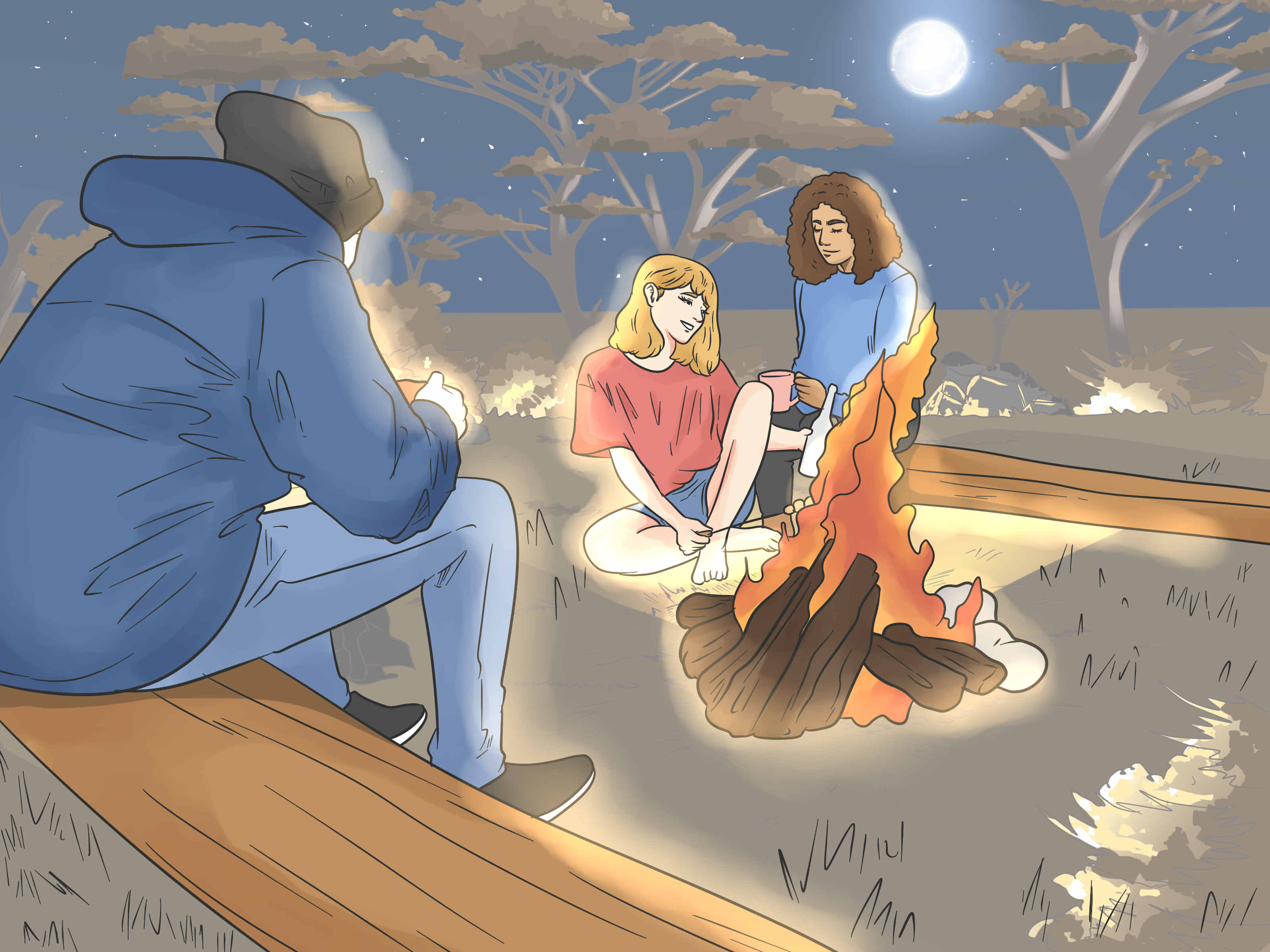
After the meal, walk, candle, or cleanup, give the day a proper ending. Step outside after dark. Look at the moon if it is visible. Make tea. Sit on the porch. Wrap up in a blanket. Let the night feel like part of the ritual, not the leftover portion after dinner dishes.
Autumn asks us to become more comfortable with darkness, not as something scary, but as something restful, contemplative, and necessary. The equinox is a beautiful time to practice that. Less performance. More presence. Less rushing. More noticing.
How to Make Your Equinox Ritual Feel Personal
The best fall equinox ritual is the one you will actually do. Not the one that looks prettiest online. Not the one requiring twelve handcrafted beeswax candles, a vintage copper cauldron, and a free afternoon you absolutely do not have.
If you are busy, choose one ritual and do it well. If you live with family, turn the equinox into a dinner tradition. If you are solo, make it a reflective evening. If you love spirituality, lean into symbolism. If you are practical, make it a seasonal reset. If you are somewhere in between, congratulations: that is very on-brand for an equinox.
Try combining three simple elements:
- Notice: sunrise, sunset, leaves, air, moon, garden, table
- Give thanks: journal, prayer, conversation, toast, list
- Prepare: cook, clean, decorate, plant, plan, rest
That formula creates a ritual that is meaningful without feeling forced. It also gives autumn a real beginning, instead of letting it sneak in through the side door while you are still pretending iced coffee season is eternal.
What Fall Equinox Rituals Feel Like in Real Life
For some people, the fall equinox is a big, intentional event. For others, it is quieter and more personal. A woman in a small city apartment might clear her kitchen table, add two candles, a loaf of bread, and a bowl of apples, then spend twenty minutes writing about what changed in her life since spring. Nothing flashy happens. No choir of woodland creatures appears. But afterward, the room feels warmer, and so does she.
A family with young kids might celebrate in the least mystical way possible: by going outside to collect leaves, making a simple autumn centerpiece, and eating baked sweet potatoes with cinnamon at dinner. The children may care more about crunching leaves than cosmic balance, but that is still a ritual. In fact, it is an excellent one. The memory will likely outlast any speech about seasonal symbolism.
A busy professional might use the equinox as a reset button. She comes home, puts her phone in another room, takes a short walk at dusk, and asks herself what is draining her energy. Then she cleans out one overstuffed drawer, deletes a few old commitments from her calendar, and makes soup for the week ahead. That is not “less spiritual” because it is practical. It is a ritual of preparation, and autumn is deeply fond of preparation.
A gardener may experience the equinox more viscerally than anyone. The season is visible in tired tomato vines, ripening squash, seed heads, drying herbs, and beds that need one last round of attention before colder weather settles in. For that person, a fall equinox ritual may be as simple as harvesting the last vegetables, saving seeds for next year, and standing in the garden at sunset feeling both proud and humbled. That feeling, half gratitude and half surrender, is autumn in a nutshell.
Some people celebrate with community. Friends gather for a harvest-style meal, everyone brings a dish, and before eating, each person shares one thing they are thankful for and one thing they are leaving behind with summer. There is laughter, probably too much bread, and at least one person insists this is the year they will finally learn to make pie from scratch. Community rituals like this matter because they transform the season from private mood into shared experience.
Others prefer solitude. They light a candle, put on a sweater that has waited months for its moment, and sit near a window as the evening darkens earlier than it did a few weeks ago. They write a letter they never send. They list the habits they want to carry into fall: slower mornings, more soup, fewer obligations, better boundaries, longer walks. It does not look dramatic from the outside, but inwardly it can feel like a turning point.
That is the beauty of fall equinox rituals: they do not need to be elaborate to be memorable. They work because autumn itself is already doing most of the heavy lifting. The light changes. The temperature shifts. Gardens fade. Kitchens warm up. Leaves let go. Your ritual simply helps you meet the season halfway.
And maybe that is the whole lesson of the equinox. You do not have to control change to participate in it. You only have to notice it, honor it, and decide how you want to move with it. Preferably while holding a mug of something warm.
Conclusion
Fall equinox rituals are not about perfection, performance, or pretending you live in a cottage where every surface is covered in heirloom pumpkins. They are about marking a real seasonal shift with intention. A candle, a walk, a meal, a gratitude list, a cleaned-out corner, or a quiet moment at sunset can be enough to make autumn feel meaningful from the very beginning.
The season offers a clear invitation: gather what matters, release what does not, and step into the darker half of the year with a little more warmth, balance, and attention. If summer was about expansion, autumn is about refinement. It asks you to notice what is ripe, what is ready, and what deserves to come with you into the next chapter.