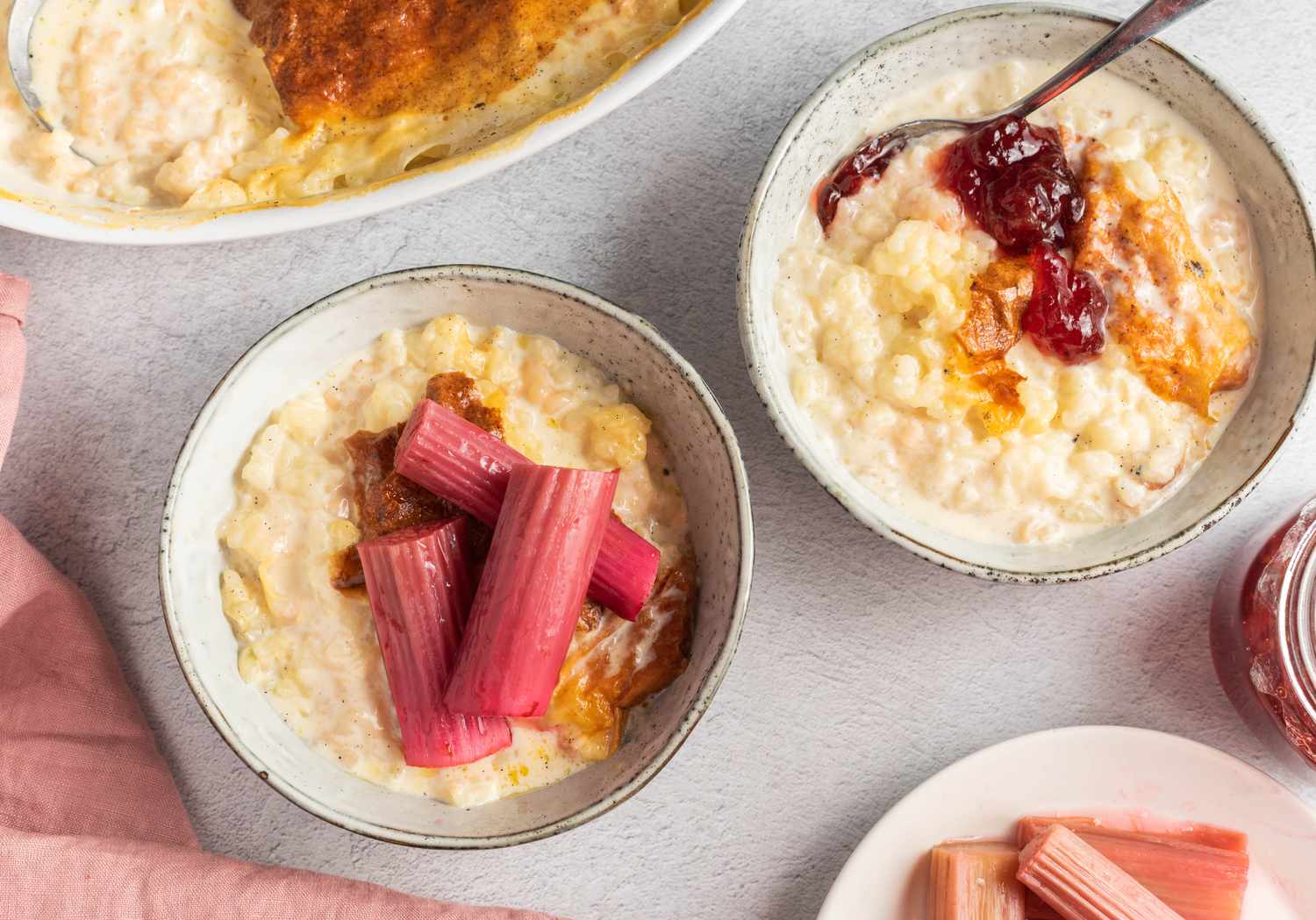
Some desserts arrive wearing sequins. Traditional British rice pudding arrives in a warm cardigan, smelling faintly of vanilla, milk, and nutmeg, and somehow wins the whole room anyway. This easy traditional British rice pudding recipe is the kind of comforting dessert that does not shout for attention. It simply sits in the oven, turns creamy and golden, forms that old-fashioned baked skin on top, and reminds everyone that simple food can be spectacular when it is made properly.
British rice pudding is different from many quick stovetop rice puddings. It is usually baked slowly with short-grain pudding rice, whole milk, sugar, butter, and nutmeg. The result is soft, creamy, gently sweet, and nostalgic in the best possible way. No complicated custard. No dramatic folding. No appliance that looks like it belongs in a science lab. Just a baking dish, a spoon, and a little patience.
This recipe is designed for home cooks who want a traditional dessert without fuss. It is rich enough to feel special, simple enough for a weeknight, and forgiving enough that even if you forget it for five extra minutes, it will probably just become more charming. That is the British pudding spirit: carry on, preferably with a spoon.
What Is Traditional British Rice Pudding?
Traditional British rice pudding is a baked milk pudding made with rice, milk, sugar, and nutmeg. The rice slowly absorbs the milk as it bakes, creating a creamy texture without needing eggs or heavy custard. A thin golden skin forms on top, which is either the best part or the part someone at the table quietly offers to trade. Families have debated this for generations, and no peace treaty has yet been signed.
The classic version is humble and practical. It uses inexpensive pantry ingredients and turns them into a dessert that tastes far more comforting than its short ingredient list suggests. In Britain, rice pudding has long been associated with school dinners, family kitchens, Sunday suppers, and cold evenings when dessert needs to feel like a blanket.
Why This Easy British Rice Pudding Works
The secret to a great easy traditional British rice pudding recipe is not adding more ingredients. It is using the right method. Slow baking gives the rice time to soften while the milk thickens gently. Whole milk provides creaminess, butter adds richness, and freshly grated nutmeg gives the pudding its signature old-fashioned aroma.
Unlike stovetop rice pudding, which often needs frequent stirring, baked rice pudding mostly takes care of itself. You stir the ingredients together, slide the dish into the oven, and let time do the heavy lifting. It is the dessert equivalent of putting on slippers: low effort, high reward.
Ingredients for Easy Traditional British Rice Pudding
This recipe keeps the ingredient list beautifully simple. Each item has a job, and none of them are here just to look fancy.
Main Ingredients
- 1/2 cup short-grain pudding rice or Arborio rice if pudding rice is unavailable
- 4 cups whole milk
- 1/4 cup granulated sugar
- 1 tablespoon unsalted butter, plus more for greasing the dish
- 1 teaspoon vanilla extract
- 1/4 teaspoon salt
- Freshly grated nutmeg, to taste
Optional Add-Ins
- 2 tablespoons heavy cream for extra richness
- 1 strip lemon peel for a light citrus note
- 2 tablespoons raisins for a sweeter, old-school variation
- A spoonful of strawberry jam for serving
- A drizzle of golden syrup for extra comfort-food drama
Best Rice to Use for British Rice Pudding
Short-grain pudding rice is the traditional choice because it releases starch as it cooks, helping the pudding become creamy. In the United States, pudding rice can be difficult to find, so Arborio rice is a very good substitute. It is also short-grain and starchy, which makes it suitable for creamy desserts.
Avoid long-grain rice for this recipe. Long-grain rice stays more separate and fluffy, which is lovely for dinner but not ideal for pudding. British rice pudding should be soft, creamy, and spoonable, not something that looks like it is trying to become a side dish.
Step-by-Step Easy Traditional British Rice Pudding Recipe
Step 1: Prepare the Baking Dish
Preheat the oven to 300°F. Butter a medium baking dish, ideally one that holds about 1 1/2 quarts. A shallow dish gives you more golden top, while a deeper dish creates a creamier center. Both are excellent choices, so there is no need to stand in your kitchen having an identity crisis over bakeware.
Step 2: Combine the Ingredients
Add the pudding rice, whole milk, sugar, vanilla extract, salt, and butter to the prepared baking dish. Stir everything together gently. The butter may float around looking unemployed at first, but it will melt into the pudding as it bakes.
Step 3: Add the Nutmeg
Grate fresh nutmeg over the top. Fresh nutmeg gives the pudding a warm, classic flavor that feels unmistakably traditional. Ground nutmeg works in a pinch, but fresh nutmeg has a brighter aroma and makes the kitchen smell like someone responsible and cozy lives there.
Step 4: Bake Low and Slow
Place the dish in the oven and bake for about 2 hours, stirring once after the first 30 minutes. After that, leave it alone so the top can form its traditional golden skin. The pudding is ready when the rice is tender, the mixture is creamy, and the top is lightly browned.
Step 5: Rest Before Serving
Let the rice pudding rest for 10 to 15 minutes before serving. It will thicken slightly as it cools. Serve warm with jam, cream, fresh berries, or nothing at all. A proper British rice pudding does not need accessories, though it never complains about jam.
How to Know When Rice Pudding Is Done
The pudding should look creamy but not soupy. The rice should be tender all the way through, and the top should have a light golden color. If the rice still has a firm center, continue baking for another 15 to 20 minutes. If the pudding looks too thick before the rice is fully cooked, stir in a splash of warm milk and return it to the oven.
Remember that rice pudding thickens as it cools. Pulling it from the oven when it still has a little looseness is better than baking it until it stands at attention. Dessert should not need a chisel.
Traditional Toppings and Serving Ideas
The most classic topping is a spoonful of strawberry jam. Raspberry jam, blackberry preserves, or a little golden syrup also work beautifully. Some people like a splash of cold milk or cream poured over warm rice pudding, which creates a lovely contrast between hot and cool, thick and silky.
For a more modern serving style, try roasted fruit, poached pears, caramelized apples, or a dusting of cinnamon. If you want to keep the British mood strong, serve it after a roast dinner or on a rainy afternoon when everyone has accepted that going outside was a terrible idea.
Common Mistakes to Avoid
Using the Wrong Rice
Long-grain rice does not create the same creamy texture. Use pudding rice, Arborio rice, or another short-grain rice for the best result.
Baking at Too High a Temperature
High heat can make the milk reduce too quickly and leave the rice undercooked. Low, slow baking is the traditional method for a reason. Rice pudding is not a race. It is a cozy stroll.
Adding Too Much Sugar
British rice pudding should be gently sweet, not candy-level sweet. Start with a modest amount of sugar, then add sweeter toppings later if desired.
Skipping the Resting Time
Fresh from the oven, the pudding may look slightly loose. Give it a few minutes to settle before serving. This small pause improves the texture and protects eager tongues from molten dairy regret.
Easy Variations on Traditional British Rice Pudding
Creamy Vanilla Rice Pudding
Add an extra teaspoon of vanilla extract and two tablespoons of heavy cream. This version is smooth, fragrant, and ideal for anyone who believes vanilla deserves more respect.
Raisin Rice Pudding
Stir in a small handful of raisins before baking. They plump up in the milk and add little pockets of sweetness. Raisins are optional because, as every family knows, they are tiny dried peace negotiations.
Cinnamon Rice Pudding
Add a cinnamon stick to the milk before baking or sprinkle ground cinnamon over the finished pudding. Cinnamon gives the dessert a warmer, slightly American-style comfort flavor while still keeping the spirit of the original.
Lemon Rice Pudding
Add a strip of lemon peel to the milk, then remove it before serving. The lemon brightens the richness without making the pudding taste like lemon dessert. It is subtle, elegant, and very good with berries.
How to Store and Reheat Rice Pudding
Store leftover rice pudding in an airtight container in the refrigerator for up to 3 days. It will thicken as it chills, so add a splash of milk before reheating. Warm it gently on the stovetop or in the microwave, stirring occasionally until creamy again.
You can eat British rice pudding cold, too. Cold rice pudding is thicker and more set, almost like a soft breakfast pudding. Add fruit, a little cream, or a spoonful of jam, and suddenly leftovers become a very reasonable snack. Possibly breakfast. Possibly both.
Can You Make British Rice Pudding Ahead?
Yes, rice pudding can be made ahead, but it is at its creamiest when freshly baked. If making it in advance, slightly underbake it so it stays soft after reheating. Add milk when warming it again to loosen the texture.
For entertaining, bake the pudding earlier in the day, let it cool, refrigerate it, and reheat gently before serving. Finish with fresh nutmeg or warm jam to bring back that just-made feeling.
Experience Notes: What Makes This Recipe Feel Truly Homemade
The first time you make traditional British rice pudding, the simplicity can feel suspicious. You may stare at the baking dish and think, “Surely this needs eggs, condensed milk, a secret grandmother password, or at least a dramatic whisking moment.” It does not. That is the charm. The magic happens slowly, while the rice softens and the milk turns into a creamy sauce around it.
One of the best experiences with this recipe is the smell. After about an hour in the oven, the kitchen begins to fill with warm milk, vanilla, butter, and nutmeg. It is not loud like chocolate cake or flashy like cinnamon rolls. It is softer, calmer, and somehow more nostalgic, even if you did not grow up eating it. It smells like a dessert that knows where the spare blankets are kept.
Texture is another part of the experience. A good baked rice pudding should not be stiff. It should move slowly on the spoon, creamy but still clearly full of tender rice. The top skin is part of the traditional character. Some people love it because it has a slightly chewy, caramelized quality. Others politely scoop underneath it as if avoiding a conversation at a family reunion. Either way, the skin tells you the pudding was baked properly.
The recipe is also surprisingly flexible. If you prefer a looser pudding, add a little more milk near the end of baking. If you like it richer, replace half a cup of milk with cream. If you want a more old-fashioned flavor, use only nutmeg and skip extra spices. If you are serving children or picky eaters, keep toppings on the side so everyone can customize their bowl. Jam for one person, cinnamon for another, plain for the person who insists they are “not really a dessert person” and then has seconds.
This is also a recipe that teaches patience in a useful way. Stirring too much prevents the classic top from forming. Baking too hot can make the milk reduce before the rice softens. Pulling it too early leaves firm rice; leaving it a little longer usually deepens the flavor. The pudding gently rewards calm cooking. It is basically a dessert with emotional maturity.
For the best experience, serve it warm in small bowls with a spoonful of strawberry or raspberry jam in the center. The jam slowly melts into the creamy rice, creating bright streaks of fruit through the pudding. It looks charming, tastes comforting, and requires absolutely no pastry skills. That alone deserves applause.
Another practical advantage is that this dessert is budget-friendly. A small amount of rice and a few cups of milk make several servings. It is ideal when you want something homemade but do not want to buy specialty ingredients. In a world of desserts that require three kinds of chocolate and one ingredient only available from a mountain village, rice pudding remains refreshingly sensible.
The real beauty of this easy traditional British rice pudding recipe is that it feels personal. Every household can adjust it slightly. More nutmeg, less sugar, creamier texture, thicker finish, jam on top, no jam at all. The foundation stays the same, but the final bowl becomes yours. That is why old-fashioned recipes last: they leave room for memory, preference, and the occasional spoon stolen straight from the dish.
Final Thoughts
This easy traditional British rice pudding recipe proves that comfort food does not need to be complicated. With short-grain rice, whole milk, sugar, butter, vanilla, and nutmeg, you can make a creamy baked pudding that feels warm, nostalgic, and deeply satisfying. It is the kind of dessert that works after Sunday dinner, on a chilly evening, or whenever life calls for something soft, sweet, and spoonable.
Serve it warm with jam, keep it plain and classic, or dress it up with fruit and cream. However you enjoy it, British rice pudding remains one of the simplest ways to turn everyday ingredients into something that tastes like home.
Note: This article is written as original web-ready content based on established traditional British rice pudding methods, common home-cooking practice, and real recipe principles. It does not include unnecessary source-code elements or content reference markers.