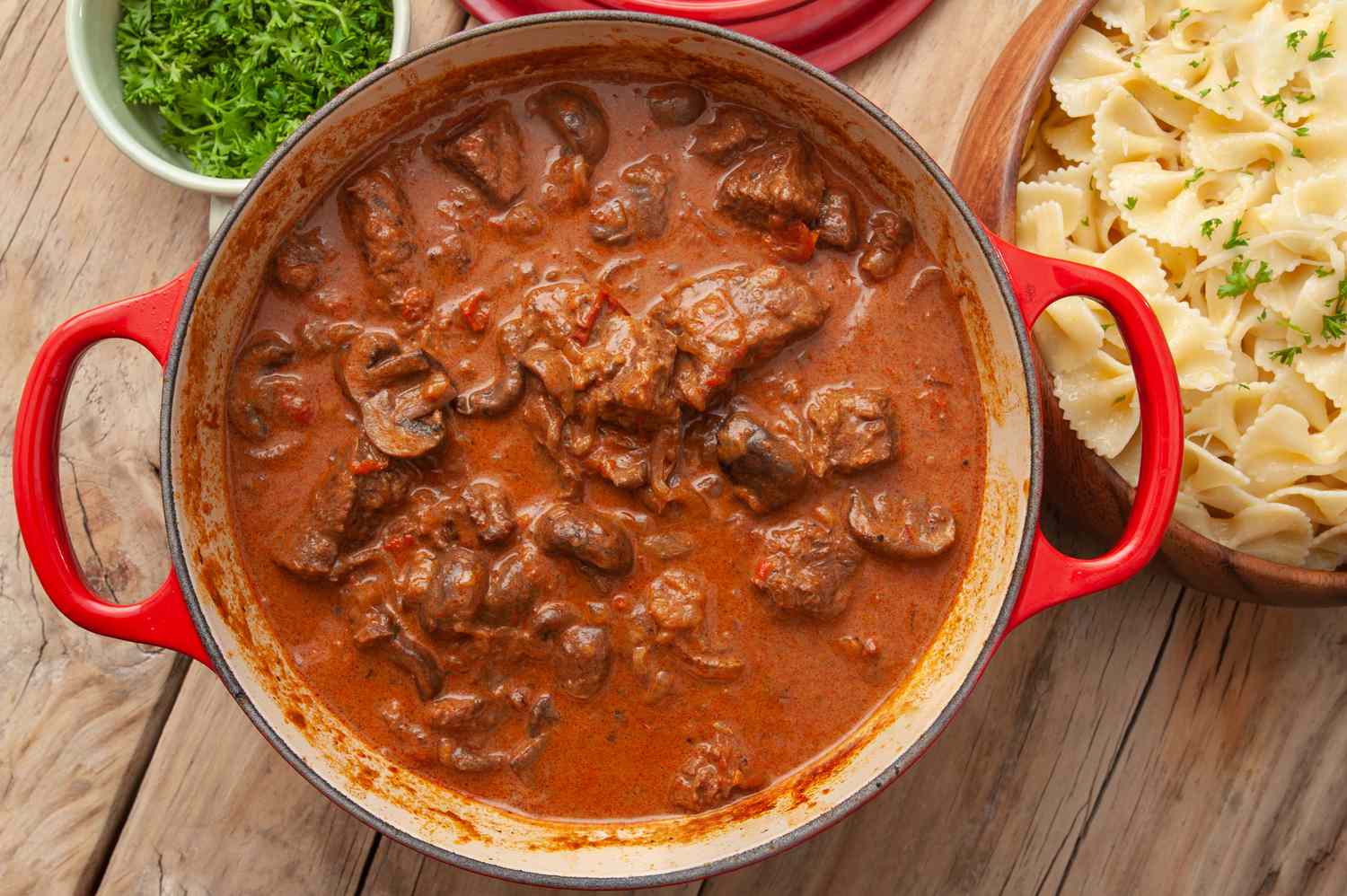
Hungarian goulash is the kind of meal that walks into your kitchen wearing a wool sweater, carrying a wooden spoon, and saying, “Relax, I’ve got dinner.” Rich with paprika, tender beef, onions, potatoes, carrots, and a broth that tastes like it has been practicing comfort food for generations, this easy Hungarian goulash recipe brings old-world flavor into a modern home kitchen without requiring a passport, a cauldron, or a dramatic violin soundtrack.
This dish is often confused with American goulash, the tomato-and-macaroni skillet dinner many people grew up eating. Delicious? Absolutely. Hungarian? Not exactly. Traditional Hungarian goulash, or gulyás, is more of a hearty soup-stew built around beef, onions, sweet Hungarian paprika, caraway, and vegetables. It is rustic, cozy, deeply savory, and surprisingly simple once you understand the rhythm: brown the beef, soften the onions, bloom the paprika, simmer slowly, and try not to hover over the pot like a hungry raccoon.
Below, you’ll find an approachable version designed for American kitchens. It keeps the soul of Hungarian goulash while using ingredients that are easy to find in most grocery stores. The result is a bowl of tender beef, flavorful broth, and vegetables that taste like they have been politely soaking up paprika magic for hours.
What Makes Hungarian Goulash Special?
The heart of Hungarian goulash is paprika. Not just a shy sprinkle for color, but a generous amount that defines the flavor of the entire dish. Good Hungarian sweet paprika adds warmth, fruitiness, earthiness, and that signature red-orange color that makes the pot look like it knows something you don’t.
Another important feature is the slow simmer. Goulash is traditionally made with tougher cuts of beef, such as chuck or stew meat. These cuts need time to become tender, but that time pays rent. As the beef cooks low and slow, the connective tissue softens, the onions melt into the broth, and the spices become smoother and rounder.
This easy Hungarian goulash recipe also includes carrots and potatoes, which make it hearty enough to stand alone as dinner. Some versions lean soupier, while others become thicker and stew-like. This recipe lands comfortably in the middle: brothy enough to serve in a bowl, hearty enough to make a spoon stand at attention.
Ingredients for Easy Hungarian Goulash
This recipe serves 6 people and takes about 20 minutes of prep time plus 2 hours of simmering. Most of that time is hands-off, which means the pot does the hard work while you accept compliments from the future.
Main Ingredients
- 2 pounds beef chuck, cut into 1-inch cubes
- 2 tablespoons vegetable oil or olive oil
- 2 large yellow onions, finely chopped
- 4 cloves garlic, minced
- 3 tablespoons Hungarian sweet paprika
- 1 teaspoon caraway seeds, lightly crushed
- 2 tablespoons tomato paste
- 1 large red bell pepper, diced
- 2 medium carrots, sliced
- 3 medium potatoes, peeled and cut into chunks
- 4 cups beef broth
- 1 cup water, plus more as needed
- 1 bay leaf
- 1 teaspoon kosher salt, plus more to taste
- 1/2 teaspoon black pepper
- Optional: 1/4 teaspoon hot paprika or cayenne for gentle heat
- Optional garnish: sour cream, chopped parsley, or crusty bread on the side
Best Beef for Hungarian Goulash
Beef chuck is the best choice for easy Hungarian goulash because it becomes tender during slow cooking and gives the broth body. Pre-cut stew meat also works, but check the pieces before cooking. If some cubes are enormous and others are tiny, cut them into similar sizes so they cook evenly. A pot of goulash should be cozy, not a beef geometry exam.
Choosing the Right Paprika
Use Hungarian sweet paprika if possible. It gives the dish its classic flavor and color. Avoid replacing it entirely with smoked paprika, because smoked paprika has a strong campfire personality and can overpower the traditional taste. A small pinch of hot paprika is welcome if you like warmth, but Hungarian goulash should be flavorful first and spicy second.
How to Make Easy Hungarian Goulash
Step 1: Brown the Beef
Pat the beef cubes dry with paper towels. Heat the oil in a large Dutch oven or heavy soup pot over medium-high heat. Add the beef in batches, making sure not to crowd the pan. Brown the pieces on several sides, then transfer them to a plate.
Browning adds a deeper savory flavor to the finished goulash. If the pot looks a little browned on the bottom, do not panic. Those browned bits are flavor confetti. They will dissolve into the broth later and make the whole dish better.
Step 2: Cook the Onions
Lower the heat to medium. Add the chopped onions to the same pot and cook for 8 to 10 minutes, stirring often, until softened and lightly golden. If the pot seems dry, add another small splash of oil.
Onions are more than background music here. They help thicken the broth and create the sweet-savory base that makes Hungarian beef goulash taste rich without needing heavy cream or flour.
Step 3: Add Garlic, Paprika, and Caraway
Stir in the garlic and cook for about 30 seconds. Add the Hungarian sweet paprika, caraway seeds, and optional hot paprika. Stir constantly for another 30 seconds, just until fragrant.
This step is important: paprika can turn bitter if it burns. Keep the heat moderate and do not wander away to check your phone, your laundry, or whether your houseplants are emotionally fulfilled. Stir, smell the magic, and move on.
Step 4: Build the Broth
Stir in the tomato paste and cook for 1 minute. Pour in a little beef broth and scrape up the browned bits from the bottom of the pot. Add the remaining broth, water, bay leaf, salt, and black pepper. Return the browned beef and any juices to the pot.
Bring everything to a gentle boil, then reduce the heat to low. Cover the pot and simmer for about 1 hour and 15 minutes, stirring occasionally. The beef should begin to soften, and the broth should smell like the best idea you have had all week.
Step 5: Add the Vegetables
Add the bell pepper, carrots, and potatoes. Cover again and simmer for another 35 to 45 minutes, or until the beef is fork-tender and the potatoes are cooked through.
If the goulash becomes too thick, add a splash of water or broth. If it seems too thin, remove the lid for the final 10 to 15 minutes and let the liquid reduce slightly.
Step 6: Taste and Serve
Remove the bay leaf. Taste the broth and adjust the salt and pepper. Serve the goulash hot, topped with a spoonful of sour cream or chopped parsley if desired. Crusty bread, egg noodles, buttered dumplings, or spaetzle all make excellent partners.
Tips for the Best Hungarian Beef Goulash
Do Not Rush the Simmer
The difference between chewy beef and tender beef is time. Keep the simmer gentle. A fierce boil may look productive, but it can toughen the meat and make the broth cloudy. Think relaxed bubbling, not hot tub disaster.
Use Enough Onion
A generous amount of onion is one of the secrets to a rich goulash broth. As the onions cook down, they become soft and sweet, helping to create body without complicated techniques.
Bloom the Paprika Carefully
Stirring paprika briefly in the fat and onions helps release its flavor, but it should not be scorched. Keep the heat controlled and add liquid soon after the spice becomes fragrant.
Let It Rest Before Serving
Like many stews and soups, Hungarian goulash tastes even better after resting for 10 to 15 minutes. The flavors settle, the broth thickens slightly, and nobody burns their tongue pretending to be “just tasting.”
What to Serve with Hungarian Goulash
Hungarian goulash is filling enough to serve by itself, especially when potatoes and carrots are included. Still, the right side dish can turn a good dinner into a table-clearing event.
- Crusty bread: Perfect for soaking up paprika-rich broth.
- Egg noodles: A comforting option if you want a heartier plate.
- Spaetzle: Soft little dumplings that pair beautifully with beef stew.
- Cucumber salad: Cool, crisp, and bright against the warm broth.
- Sour cream: Adds a creamy tang that balances the paprika.
Storage, Freezing, and Reheating
Store leftover Hungarian goulash in an airtight container in the refrigerator for up to 4 days. The flavor often improves overnight, which is excellent news for anyone who enjoys opening the fridge and discovering that yesterday’s dinner has leveled up.
To freeze, let the goulash cool completely, then portion it into freezer-safe containers. Freeze for up to 3 months. Potatoes may soften a bit after thawing, but the flavor remains comforting and delicious.
Reheat gently on the stovetop over medium-low heat, adding a splash of broth or water if needed. You can also microwave individual portions, stirring halfway through for even heating.
Common Mistakes to Avoid
Using Too Little Paprika
Paprika is not a garnish in this recipe. It is the main character. Use a generous amount of good-quality Hungarian sweet paprika for the best flavor.
Adding Potatoes Too Early
If potatoes simmer for the entire cooking time, they may fall apart. Add them after the beef has had a head start so they become tender without disappearing into the broth like shy little starch ghosts.
Skipping the Browning Step
You can make goulash without browning the beef, but browning adds depth. It is a small effort with a big reward, like remembering to charge your phone before leaving the house.
Easy Variations
Slow Cooker Hungarian Goulash
Brown the beef and onions first, then transfer everything except the potatoes to a slow cooker. Cook on low for 7 to 8 hours or on high for 4 to 5 hours. Add the potatoes during the last 1 to 2 hours so they do not overcook.
Spicier Goulash
Add hot Hungarian paprika, a pinch of cayenne, or a diced hot pepper. Keep the heat balanced so the paprika flavor remains front and center.
Thicker Stew-Style Goulash
Simmer uncovered near the end of cooking to reduce the broth. You can also mash a few potato pieces against the side of the pot to naturally thicken the liquid.
Frequently Asked Questions
Is Hungarian goulash a soup or a stew?
Traditional Hungarian goulash is often closer to a soup than a thick American-style stew. However, many home cooks make it heartier with potatoes, carrots, and less broth. This easy version sits between the two, giving you a rich soup-stew that feels satisfying as a full meal.
Can I make Hungarian goulash ahead of time?
Yes. In fact, it is one of those recipes that tastes even better the next day. Make it ahead, refrigerate it overnight, and reheat gently before serving.
Can I use smoked paprika?
You can use a small amount, but do not replace all the Hungarian sweet paprika with smoked paprika. The smoky flavor can quickly dominate the dish and move it away from the classic flavor profile.
Can I make this recipe without potatoes?
Absolutely. Leave out the potatoes and serve the goulash over noodles, dumplings, rice, or mashed potatoes. The recipe remains hearty because of the beef, onions, and paprika-rich broth.
Personal Kitchen Experience: What Makes This Easy Hungarian Goulash Recipe Worth Repeating
The first thing you notice when making Hungarian goulash is that the kitchen changes mood. Before the paprika goes in, it is just a pot of beef and onions doing normal dinner things. Then the paprika hits the warm oil, and suddenly the room smells like a cozy restaurant hidden on a snowy street. It is the kind of aroma that makes people wander into the kitchen pretending they need water.
One of the best experiences with this easy Hungarian goulash recipe is how forgiving it is. The beef does not need to be fancy. The vegetables do not need to be cut with culinary-school precision. If your carrot slices are uneven, congratulations, you have made rustic food. If your potato chunks look like they were shaped during a mild earthquake, they will still taste wonderful after simmering in paprika broth.
The recipe also teaches patience in a practical way. At first, you may wonder if the beef will ever become tender. Then, somewhere around the second hour, the magic happens. The cubes soften, the broth deepens, and the onions nearly disappear into the sauce. It is a reminder that some foods cannot be bullied into greatness. They need time, low heat, and a cook who is willing to stop lifting the lid every three minutes like a detective checking for clues.
Another useful experience is learning how powerful paprika can be. Many American spice cabinets treat paprika like decoration for deviled eggs, but Hungarian goulash proves it deserves a promotion. Fresh, good-quality paprika has a warm sweetness and gentle peppery depth. If your paprika has been sitting in the cabinet since the era of flip phones, replace it. Old paprika will not ruin the dish, but fresh paprika makes it sing in a much better key.
Serving goulash is also satisfying because it adapts to the table. For a casual weeknight, ladle it into bowls with bread and call it dinner. For guests, add sour cream, parsley, and buttered noodles, and suddenly it looks like you planned something impressive. The leftovers are excellent, too. The next day, the broth becomes richer, the beef becomes even more tender, and lunch feels like a reward for having made smart decisions yesterday.
My favorite practical tip is to make more than you think you need. Goulash has a way of disappearing. Someone takes a second bowl “just to even out the pot.” Someone else wants a little extra broth for bread dipping. Then suddenly the leftovers you were counting on have vanished, and all that remains is a spoon, a satisfied silence, and the suspicion that your family has been training for this moment.
In the end, this easy Hungarian goulash recipe is worth repeating because it delivers big flavor without complicated steps. It is humble, hearty, and deeply comforting. It feels traditional without being intimidating, and it turns everyday ingredients into something memorable. That is the charm of good comfort food: it does not shout. It simmers quietly, fills the house with warmth, and waits for everyone to gather around the table.
Conclusion
Easy Hungarian goulash is a beautiful example of how simple ingredients can become something extraordinary with the right technique. Beef chuck, onions, paprika, garlic, caraway, potatoes, and carrots come together in a slow-simmered broth that is hearty, flavorful, and comforting from the first spoonful to the last bread swipe.
The key is not complexity. It is balance: enough paprika to define the dish, enough onion to enrich the broth, enough time to tenderize the beef, and enough patience not to rush the pot. Whether you serve it as a cozy family dinner, a make-ahead meal, or a weekend comfort-food project, this Hungarian beef goulash brings warmth, history, and serious flavor to the table.