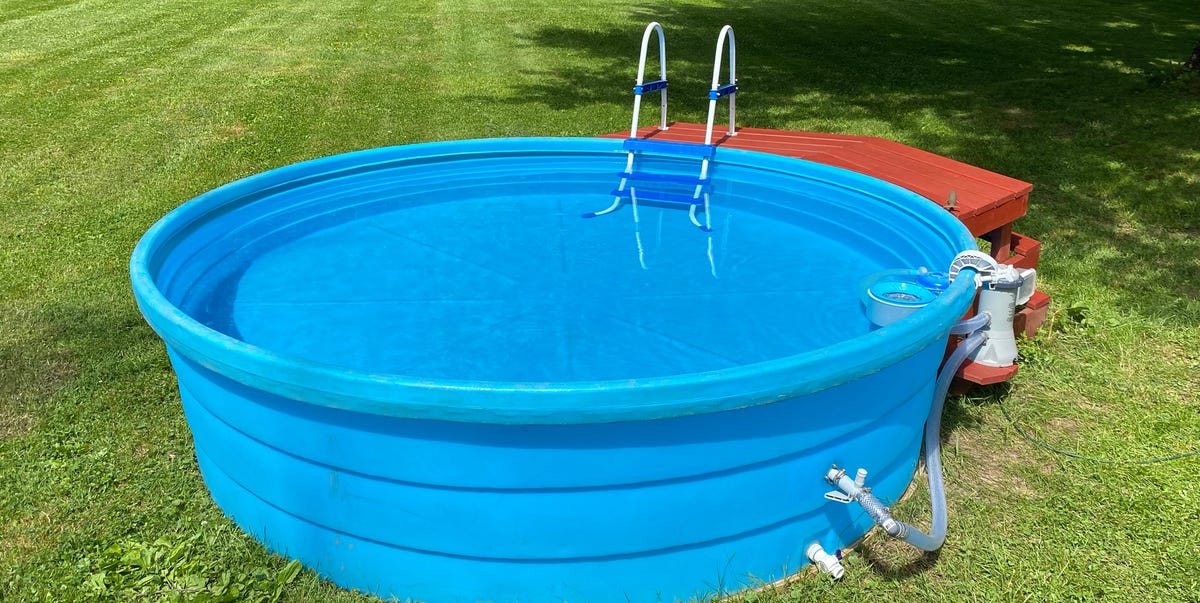
A DIY stock tank pool is what happens when backyard creativity, summer heat, and a humble farm supply item walk into a yard together. Originally made to water livestock, stock tanks have become one of the most charming, budget-friendly ways to create a small backyard pool without hiring a construction crew, draining your savings, or explaining to your neighbors why a cement truck is blocking the street.
Stock tank pools are popular because they are compact, sturdy, and surprisingly stylish. They work well in small backyards, patios, side yards, garden corners, and even larger outdoor spaces where a full-size pool would feel like overkill. With the right setup, you can turn a galvanized steel or poly stock tank into a refreshing plunge pool that looks intentional, not like you accidentally parked farm equipment next to the patio furniture.
This guide walks through how to plan, build, maintain, and enjoy a stock tank pool, including tools, materials, design ideas, safety tips, and real-world experience from the kind of backyard project that sounds simple until you discover water is heavy, dirt is stubborn, and mosquitoes think standing water is a luxury resort.
What Is a Stock Tank Pool?
A stock tank pool is a small above-ground pool made from a stock tank, also called a livestock water trough. Most DIY versions use round galvanized steel tanks because they have a clean farmhouse look and a durable structure. Poly tanks are another option, especially for families who want lighter materials or worry about metal edges heating in the sun.
The most common backyard sizes are 6-foot and 8-foot round tanks. A 6-foot tank is comfortable for one or two adults, a couple of kids, or one person who takes floating very seriously. An 8-foot tank gives more lounging room and can fit several people, depending on how much personal space everyone requires while holding a cold drink and pretending not to check email.
Why Build a DIY Stock Tank Pool?
A traditional in-ground pool is beautiful, but it can cost tens of thousands of dollars and take weeks or months to install. A stock tank pool is smaller, simpler, and much faster. It is not meant for lap swimming unless your lap is roughly six feet long, but it is perfect for cooling off, relaxing, and adding a playful design feature to your yard.
Key Benefits
- Lower cost: The tank, pump, fittings, and basic accessories usually cost far less than a permanent pool.
- Small-space friendly: It fits where a full pool cannot, including patios and compact yards.
- DIY approachable: Most handy homeowners can complete the project with common tools.
- Easy to customize: Paint it, wrap it in bamboo, surround it with gravel, or build a mini deck.
- Seasonal flexibility: In many climates, it can be drained, cleaned, and covered or stored for winter.
Before You Start: Planning Matters
The best stock tank pool projects begin before anyone touches a drill. Planning helps you avoid leaks, uneven waterlines, soggy landscaping, and the classic DIY moment where you stand in the yard holding a hose and whisper, “Well, that’s not ideal.”
Check Local Rules First
Even though a stock tank pool is small, it may still be treated as a pool under local codes. Some cities, counties, or homeowners associations require barriers, covers, permits, electrical safety measures, or setback rules. Check before building, especially if children live in or visit your home.
Choose the Right Location
Pick a flat, stable area with good drainage. The site should be free of roots, rocks, sharp debris, and low spots where rainwater collects. You also need convenient access to a hose and a safe electrical source for the pump. Avoid placing a filled stock tank pool on a deck unless the structure has been professionally evaluated, because water is extremely heavy. A 390-gallon tank can weigh more than 3,200 pounds when filled, before anyone climbs in with sunglasses and a pool noodle.
Think About Sun and Shade
A sunny location helps warm the water, but too much direct sun can make exposed metal hot and uncomfortable. Consider adding a patio umbrella, shade sail, pergola, or nearby planting for afternoon shade. Shade also slows algae growth and makes the pool more pleasant during peak summer heat.
Tools and Materials for a DIY Stock Tank Pool
Your exact supply list depends on the size of your tank and whether you want a basic plunge pool or a polished backyard feature. Start simple, then add comfort and style once the pool is functioning properly.
Basic Materials
- Galvanized steel or poly stock tank
- Above-ground pool pump and filter sized for the tank volume
- Inlet and outlet fittings
- Pool hoses and clamps
- Plunger valves or shutoff valves
- Waterproof silicone sealant or rubber gaskets
- Leveling sand, gravel, pavers, or a concrete pad
- Pool test strips
- Floating chlorine dispenser
- Pool net, small vacuum, or siphon hose
- Pool cover
Useful Tools
- Drill
- Hole saw sized for your pump fittings
- Level
- Tamper
- Measuring tape
- Utility knife
- Adjustable wrench
- Work gloves
How to Build a DIY Stock Tank Pool
Step 1: Prepare and Level the Base
Leveling is the least glamorous part of the project, but it is also one of the most important. A stock tank must sit evenly so the water pressure is distributed correctly. If one side is low, the pool will look crooked, put extra stress on the tank wall, and possibly cause leaks around fittings.
Remove grass, roots, and rocks from the area. Dig down high spots rather than simply adding material to low spots. Add a compacted layer of gravel or leveling sand, then tamp it firmly. Use a long board and level to check the surface from multiple directions. For a more permanent setup, a concrete pad or properly installed paver base gives excellent support.
Step 2: Clean the Tank
Before drilling or filling, rinse the inside of the stock tank thoroughly. Remove dust, manufacturing residue, stickers, and any sharp bits. Check the seams and rim. Most stock tanks are designed to hold water, but they were designed for livestock, not your weekend pool party, so give them a proper inspection.
Step 3: Mark Pump Holes
A filter pump keeps water moving, helps reduce algae growth, and discourages mosquitoes. Without a pump, a stock tank pool quickly becomes a very attractive backyard soup. Mark one hole for water leaving the tank and another for clean water returning. Many DIYers place the outlet lower and the return slightly higher, but always follow the fitting and pump instructions for your equipment.
Before drilling, make sure the hose lengths will reach the pump comfortably. Also leave enough clearance around the tank for tightening fittings and checking for leaks. This is not the time to discover your pump can only sit where your chair was supposed to go.
Step 4: Drill Slowly and Install Fittings
Use a hole saw that matches your inlet and outlet fittings. Drill carefully, wearing gloves and eye protection. Metal shavings can be sharp, so clean the area well after drilling. Install the fittings with rubber gaskets or silicone material on both sides of the tank wall if your kit requires it. Tighten everything firmly, but do not over-tighten to the point of warping the tank wall.
Step 5: Seal and Leak-Test
Apply waterproof silicone sealant around the fittings if recommended for your setup. Let it cure fully according to the product instructions. Then add a few inches of water and inspect for leaks. If everything stays dry, continue filling and keep checking as the water level rises.
For galvanized steel tanks, consider using a pool liner or approved interior coating if you want extra rust protection. Chlorine, salt, scratches, and time can all be hard on metal. A liner adds cost, but it can extend the life of the pool and make the interior more comfortable.
Step 6: Connect the Pump and Filter
Connect the hoses, clamps, valves, and pump according to the manufacturer’s directions. The pump should sit on a stable surface where it will not flood during rain. Keep electrical connections dry and use an outdoor-rated GFCI-protected outlet. Avoid running cords where people walk, mow, or drag pool toys. Tripping over a cord while carrying a watermelon is not the summer memory anyone needs.
Step 7: Fill, Balance, and Enjoy
Fill the tank with a hose, turn on the pump, and test the water. A small stock tank pool still needs pool care. Use test strips to monitor sanitizer and pH levels. Many owners use a floating chlorine dispenser rather than dropping tablets directly onto metal, because direct chemical contact can encourage corrosion.
Stock Tank Pool Maintenance
A stock tank pool is easier to maintain than a large pool, but it is not maintenance-free. Clear water requires circulation, sanitation, cleaning, and a little attention. The good news is that because the pool is small, most tasks take minutes instead of an entire Saturday.
Run the Pump Daily
Run the pump long enough to circulate the water, especially during hot weather or heavy use. Check the filter often and clean or replace cartridges as needed. If the water turns cloudy, the filter may be dirty, the pump may not be running enough, or the chemistry may be off.
Skim and Vacuum
Use a pool net to remove leaves, bugs, grass clippings, and mysterious floating objects that nobody wants to identify. A small pool vacuum or siphon hose helps clean sediment from the bottom. Covering the pool when not in use dramatically reduces debris.
Balance the Water
Test water regularly for sanitizer and pH. Proper balance helps keep the pool safer, clearer, and more comfortable. It also protects equipment and reduces corrosion. During periods of heavy use, hot weather, or rain, test more often.
Prevent Rust
Rust is one of the biggest complaints with galvanized stock tank pools. To reduce risk, avoid saltwater systems in metal tanks unless the tank or liner is specifically designed for that use. Do not let chlorine tablets sit directly on the metal. Keep water chemistry balanced, repair scratches quickly, and inspect seams and fittings throughout the season.
Safety Tips for Stock Tank Pools
A stock tank pool may look cute, but it is still a body of water. Treat it seriously, especially around children, pets, and guests. Install barriers where required, use a secure cover when the pool is not in use, and never leave children unsupervised near water.
Remove steps or ladders when the pool is closed, store chemicals safely, and keep electrical equipment protected. Do not allow diving, jumping from furniture, or rough play. Stock tanks are shallow and have hard sides, so “cannonball champion of the neighborhood” should not be on the activity list.
Design Ideas for a Backyard Stock Tank Pool
The magic of a DIY stock tank pool is that it can look rustic, modern, tropical, boho, farmhouse, or minimalist depending on how you style it. The tank is only the beginning.
Paint the Exterior
Use outdoor-rated paint suitable for metal or plastic, depending on your tank material. Black, white, sage green, navy, and terracotta are popular choices. Clean and prep the surface carefully so the paint adheres well.
Add a Bamboo or Wood Wrap
Bamboo fencing, cedar slats, or composite boards can soften the look and help the pool blend into the landscape. Leave access to valves, fittings, and the pump so maintenance does not require dismantling your beautiful masterpiece.
Create a Gravel Lounge Zone
Surround the pool with pea gravel, stepping stones, and potted plants. Gravel drains well and helps prevent muddy feet from entering the pool. Add outdoor chairs, a side table, string lights, and suddenly your yard has “boutique motel in Palm Springs” energy.
Build a Small Deck
A low platform or partial deck can make entry easier and give the pool a built-in look. Keep safety in mind by avoiding climbable features that allow unsupervised children to access the water. Any structure near the pool should be sturdy, slip-resistant, and designed for outdoor moisture.
Common Mistakes to Avoid
Skipping the Leveling Step
If the pool is not level, you will notice immediately once it fills. Unfortunately, by then the tank is heavy and draining it feels like admitting defeat. Spend extra time on the base before filling.
Using the Wrong Pump Size
A tiny decorative fountain pump will not keep pool water clean. Choose an above-ground pool pump and filter appropriate for your tank’s gallons. More circulation means fewer water problems.
Ignoring Electrical Safety
Water and electricity are not a casual friendship. Use outdoor-rated equipment, GFCI protection, and safe cord placement. When in doubt, consult a licensed electrician.
Forgetting About Drainage
At some point, you will drain or partially drain the pool. Plan where the water will go. Avoid flooding foundations, neighboring yards, mulch beds, or areas where chlorinated water could harm sensitive plants.
How Much Does a DIY Stock Tank Pool Cost?
Costs vary by tank size, local availability, pump type, liner, and styling choices. A basic build might include the tank, pump, fittings, sealant, and a few cleaning supplies. A more polished setup may add a liner, gravel pad, deck, shade sail, lighting, landscaping, and upgraded filtration.
As a practical estimate, many DIY stock tank pool projects fall somewhere between a few hundred dollars and over a thousand dollars. The lower end usually means a simple setup with minimal landscaping. The higher end usually includes upgraded design features, better filtration, custom decking, or professional help with electrical or site work.
Is a Stock Tank Pool Worth It?
For many homeowners, yes. A stock tank pool is worth it if you want a small, affordable, attractive way to cool off without committing to a full-size pool. It is especially appealing for people who enjoy DIY projects and do not mind basic maintenance.
However, it is not perfect for everyone. If you want deep water, swimming laps, lots of guests, or zero upkeep, this may not be your dream pool. But if your goal is to sit in cool water on a hot afternoon with your feet up and your responsibilities temporarily out of office, a DIY stock tank pool is hard to beat.
Real-World Experience: What It Is Like to Live With a DIY Stock Tank Pool
The first thing you learn from building a DIY stock tank pool is that the project looks easier online than it feels in your backyard at 3 p.m. with the sun blazing and a level in your hand. The tank itself is simple. The base is where the real work happens. Leveling dirt is not glamorous, but it makes or breaks the pool. If you rush it, the waterline will expose your impatience like a very shiny truth detector.
The second lesson is that a pump is not optional if you want the pool to stay pleasant. A stock tank filled with still water may look charming for a day, but nature moves in quickly. Leaves arrive. Bugs arrive. Algae starts writing its lease agreement. A properly sized pump and filter keep the water moving and make maintenance much easier. It is one of those upgrades that feels boring during shopping and brilliant by week two.
Another useful experience is to think about feet. People will walk through grass, mulch, dirt, and patio dust before climbing in. Every bit of that ends up in the water. A small gravel or paver area around the pool makes a huge difference. Add a rinsing station, even if it is just a hose with a spray nozzle, and you will spend less time vacuuming grit from the bottom.
Shade also matters more than expected. Full sun warms the water quickly, which sounds nice until the pool starts feeling less like a refreshing plunge and more like a soup pot with landscaping. A shade sail, umbrella, or nearby tree can make afternoon use much more comfortable. Just remember that trees also drop leaves, so choose your shade strategy with both comfort and cleanup in mind.
Rust prevention becomes part of the routine if you use galvanized steel. Do not panic at every tiny mark, but do inspect the interior, fittings, and seams regularly. Keep chlorine tablets in a floater, not sitting on the metal. If you see scratches, address them early. A liner can be a smart investment for long-term use, especially if the pool will stay in place year after year.
The best surprise is how much personality a stock tank pool adds to a backyard. It is not just a place to cool off; it becomes a gathering spot. Add a couple of chairs, a small table, string lights, and potted plants, and suddenly a plain corner feels like a mini vacation. Guests will ask about it. Kids will love it. Adults will pretend they are only putting their feet in, then somehow end up fully sitting in the water with a satisfied grin.
The main experience-based advice is simple: build it as if you will actually use it. Put it where it is convenient, not where it only looks good in photos. Make maintenance easy. Keep the pump accessible. Store test strips nearby. Use a cover. Plan drainage. Create a safe entry point. A stock tank pool should feel fun, not like an outdoor appliance that constantly needs attention.
Done right, a DIY stock tank pool delivers a lot of joy for its size. It will not replace a resort pool, and it will not make your backyard maintenance-free. But it can turn a hot, ordinary afternoon into something memorable. Sometimes the best backyard upgrade is not the biggest one. Sometimes it is a round metal tank, a little cool water, and the deeply satisfying feeling that you built your own tiny summer escape.
Conclusion
A DIY stock tank pool is one of the most accessible backyard pool ideas for homeowners who want affordable summer comfort with serious style potential. The key is to treat it like a real pool, not just a tank of water. Choose a level location, install a proper pump and filter, seal fittings carefully, test the water, prevent rust, and keep safety at the center of the project.
With thoughtful planning, your stock tank pool can become a backyard highlight: simple enough to build, easy enough to maintain, and charming enough to make everyone ask, “Wait, you made that?” Yes, you did. And yes, you should absolutely take credit.
Note: Always check local building codes, pool barrier requirements, electrical safety rules, and product instructions before installing or using a stock tank pool.