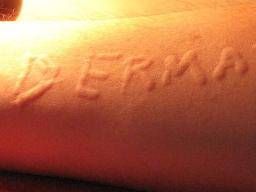
Some people can doodle on paper. Others, thanks to dermatographia, seem to doodle on their own skin. If that sounds dramatic, welcome to the oddly named but very real world of “skin writing,” a condition in which light scratching, rubbing, or pressure causes raised red lines or welts to appear on the skin. It can look startling, feel itchy, and inspire a quick trip down the internet rabbit hole. The good news is that dermatographia is usually harmless. The less fun news is that it can be annoying enough to make everyday things like tight clothes, rough towels, or an absent-minded scratch feel like tiny acts of betrayal.
Dermatographia, also called dermographism or dermatographic urticaria, is one of the most common forms of physical or inducible hives. In simple terms, the skin overreacts to minor mechanical irritation. Instead of shrugging off a scratch like a calm professional, it throws a visible little protest. For many people, the marks fade quickly. For others, the itching, swelling, and repeat flares can become a daily nuisance that interferes with sleep, exercise, work, and peace of mind.
This guide breaks down what dermatographia is, what may trigger it, how it is diagnosed, and what treatments actually help. It also explores the real-life experience of living with skin that seems determined to turn every mild scratch into performance art.
What Is Dermatographia?
Dermatographia literally means “writing on the skin.” The name fits because when the skin is rubbed, scratched, or pressed, a raised line can appear in the exact shape of that contact. The reaction may look like a red or skin-colored welt, much like a hive. In many people, it shows up within minutes and fades within about 15 to 30 minutes. Sometimes it lasts longer, especially when the skin has been more heavily irritated or the condition is particularly active.
Doctors usually place dermatographia in the urticaria family. Urticaria is the medical term for hives, and dermatographia is considered a form of chronic inducible urticaria because the reaction is brought on by a physical trigger rather than appearing out of nowhere. It is also common. Estimates vary, but it is often reported in roughly 2% to 5% of the general population. Some people have such mild symptoms that they never seek care, which means plenty of cases likely go undiagnosed.
There are two broad patterns. Simple dermatographia causes visible lines or welts with little or no itch. Symptomatic dermatographia causes itching, burning, stinging, or significant discomfort along with the marks. That second type is the one most likely to send people searching for relief at 2 a.m. while trying not to scratch what they absolutely should not scratch.
What Causes Dermatographia?
The short answer: an exaggerated histamine response
The exact cause of dermatographia is not fully understood, and that can be frustrating for people who want a neat explanation. The best current understanding is that the skin’s mast cells release histamine and other inflammatory chemicals too easily after minor physical stimulation. Histamine then causes redness, swelling, and itching, which is why the reaction resembles hives.
Think of it as the skin using a fire alarm to respond to burnt toast. The trigger may be small, but the reaction is bigger than necessary. That does not mean the condition is dangerous in most cases. It does mean the skin is unusually reactive.
Why it happens in some people
There is no single proven cause behind every case. However, experts have linked dermatographia with a handful of common themes. Some people notice it after an infection. Others develop it during periods of emotional stress. Dry skin, dermatitis, or generally sensitive skin may make flares more noticeable. A few medications may also appear to precede symptoms in some patients. In many cases, though, there is no clear origin story. Dermatographia simply shows up uninvited, like a party guest who insists on sitting in the best chair.
Common triggers that can set it off
- Scratching or rubbing the skin
- Pressure from tight clothing, waistbands, bra straps, socks, watches, or backpacks
- Friction from towels, bedsheets, or rough fabrics
- Heat, hot showers, and sweating
- Exercise
- Stress or emotional upset
- Cold exposure in some people
- Vibration or repetitive motion
- Dry skin that becomes easier to irritate
These triggers do not cause dermatographia from scratch in every case, but they often make an underlying tendency more obvious.
Symptoms of Skin Writing
The classic symptom is raised linear welts that appear after the skin is scratched, rubbed, or pressed. These marks may be red, pink, or pale with surrounding redness, depending on skin tone and the degree of inflammation. They often show up fast, sometimes within just a few minutes. That quick response is one reason the condition can feel so bizarre. You scratch an itch, and the skin decides to leave behind a signed receipt.
Other symptoms may include:
- Itching, which can range from mild to intense
- Swelling in the affected lines or patches
- A burning or stinging sensation
- Temporary hives after friction or pressure
- Flare-ups that worsen after heat, stress, or exercise
Most lesions fade within half an hour, but in some people they can linger for several hours. The condition itself may last for months or even years, though it often improves over time. Many people cycle through better and worse periods rather than having perfectly steady symptoms.
How Dermatographia Is Diagnosed
Diagnosis is usually straightforward. A clinician often starts with a health history and skin exam, then gently strokes or presses the skin with a blunt object such as a tongue depressor. If a raised wheal appears along the path of the pressure within several minutes, that strongly supports the diagnosis. In specialty settings, tools such as a dermographometer or other provocation devices may be used to measure skin sensitivity more precisely.
Most of the time, fancy testing is not necessary. The pattern is distinctive enough that the diagnosis is mainly clinical. What matters more is making sure the reaction is truly dermatographia and not another condition that can mimic itching or welts, such as contact dermatitis, eczema, scabies, or another form of physical urticaria.
One interesting wrinkle is that dermatographia can complicate allergy skin testing. Because the skin reacts easily to being scratched or punctured, test results may be harder to interpret. If you are scheduled for allergy testing and you know your skin likes to stage dramatic reenactments, tell the allergist beforehand.
Treatment of Dermatographia
There is no instant cure that permanently switches dermatographia off. Treatment focuses on controlling symptoms, reducing triggers, and calming the skin enough that daily life feels normal again. The right plan depends on how often symptoms happen and how disruptive they are.
1) Gentle skin care is the foundation
If your skin overreacts to friction, it helps to remove unnecessary friction from your life. That does not mean wrapping yourself in bubble wrap and avoiding all joy. It means being strategic.
- Use a mild soap or nonsoap cleanser.
- Choose lukewarm rather than hot showers.
- Pat the skin dry instead of rubbing it hard with a towel.
- Apply a fragrance-free moisturizer daily, especially after bathing.
- Wear soft, loose-fitting fabrics that do not irritate the skin.
- Avoid wool or rough textiles if they make symptoms worse.
- Keep nails short to limit damage from unconscious scratching.
These steps sound simple, but for many people they make a meaningful difference because they reduce the number of physical triggers hitting the skin all day long.
2) Antihistamines are the main medical treatment
When symptoms are frequent or bothersome, antihistamines are usually the first choice. Non-drowsy or less sedating second-generation H1 antihistamines are commonly recommended because they block histamine without knocking you flat in the middle of a workday. Examples often used in practice include cetirizine, loratadine, fexofenadine, and levocetirizine.
Some people take them only when symptoms flare. Others do better taking them regularly for a period of time, especially if dermatographia behaves more like a chronic daily issue. If one antihistamine is not enough, a clinician may adjust the dose or recommend a different strategy. This is important: dose changes should be guided by a medical professional, particularly if symptoms are persistent.
3) What about stronger treatments?
If dermatographia is severe, long-lasting, or not responding to standard antihistamines, a dermatologist or allergist may consider other options. These may include stepped-up antihistamine treatment or, in difficult chronic cases, therapies used for other forms of chronic urticaria. Specialist care matters here because the goal is to improve quality of life without creating unnecessary side effects.
Topical creams can soothe dry or irritated skin, but they generally do not solve the core histamine-driven process the way antihistamines do. Moisturizers help the skin barrier. Prescription plans help the immune response. Both can have a place, but they do different jobs.
4) Trigger management is not glamorous, but it works
Learning your patterns is part of treatment. Some people flare after workouts. Others react to hot water, stress, or the seam of a shirt that suddenly feels like it was designed by a sworn enemy. A symptom journal can help identify patterns you might otherwise miss. If you keep seeing the same trigger before the same rash, that is useful information.
How Long Does Dermatographia Last?
Each individual welt usually disappears fairly quickly, but the overall condition may stick around much longer. Some people experience it for a few months after an illness or stressful period. Others deal with it on and off for years. The encouraging part is that dermatographia is generally benign and often becomes less active over time. It may not vanish on your preferred schedule, but it often becomes easier to manage.
Because the appearance of the rash can be dramatic, many people assume the condition must be serious. Usually it is not. The bigger issue is comfort, sleep, concentration, and quality of life. Chronic itching can wear down even the most patient person.
When to See a Doctor
It is smart to seek medical advice if:
- Your symptoms are frequent, intense, or interfering with daily life
- The welts last much longer than expected
- You are not sure the rash is actually dermatographia
- You also have swelling of the lips, tongue, or eyelids
- You develop dizziness, trouble breathing, or widespread allergic symptoms
- You need regular medication to stay comfortable
Emergency symptoms such as trouble breathing, faintness, or swelling that affects the mouth or throat need urgent care. Dermatographia itself is usually harmless, but not every hive-like reaction is simple skin writing.
Common Mistakes People Make
One of the biggest mistakes is assuming the problem must be poor hygiene, contagious, or caused by “sensitive skin” alone. Dermatographia is not contagious, and it is not a sign that someone is doing skin care wrong. Another common mistake is using harsh scrubs, very hot water, or aggressive topical products in an effort to “toughen up” the skin. Usually that just gives the condition more chances to show off.
Another trap is chasing random online cures. If someone on the internet claims that celery juice, moonlight, and positive vibes cured their skin writing in 48 hours, it is okay to be skeptical. Dermatographia responds best to a combination of sensible skin care, trigger management, and evidence-based treatment.
Experiences Living With Dermatographia
For many people, the hardest part of dermatographia is not the danger level. It is the weirdness of it. Skin writing can feel impossible to explain to someone who has never seen it. You scratch your shoulder, and five minutes later it looks like your skin has decided to keep notes. People often describe that first moment of noticing it as equal parts fascinating and mildly horrifying. There is usually a quick internal debate: “Is this a rash? An allergy? A curse? Did my sweater just win?”
In everyday life, symptoms often show up in surprisingly ordinary situations. A person gets dressed for work and notices red raised lines where a waistband or bra strap pressed into the skin. Another finishes a hot shower and starts itching before they are even dry. Someone else exercises, heats up, scratches an arm without thinking, and ends up with angry welts that last long enough to derail the rest of the workout. None of these moments are dramatic in the medical sense, but they can be exhausting because they repeat.
Sleep can become a big issue. Many people notice itching is worse at night, especially when they are warm in bed or half-asleep and scratching without realizing it. That can turn a simple skin condition into a quality-of-life problem. When sleep gets choppy, everything feels harder the next day. Mood, concentration, patience, and energy all take a hit. Dermatographia may be “benign,” but anyone who has tried to ignore persistent itching at 3 a.m. knows that benign does not always mean easy.
There is also the social side. People with visible welts sometimes feel self-conscious at the gym, pool, office, or even while changing clothes at home. The marks can look dramatic enough that friends or family assume something serious is happening. Explaining that your skin throws a fit when you scratch it sounds strange, even when it is accurate. Some people get tired of repeating the explanation, while others worry that the rash makes them look contagious or unwell. That emotional burden is real, especially for teens and young adults.
Many patients also talk about frustration before diagnosis. Because the reaction comes and goes quickly, it may not be visible during a short doctor’s visit unless the skin is tested on the spot. Some people spend weeks trying different soaps, detergents, or diets before learning that the problem is mechanical urticaria rather than a classic allergy. Once the condition has a name, there is often a sense of relief. The skin is still overreacting, but at least the mystery has stopped writing suspense novels across your forearm.
The most reassuring experience many people report is that management gets easier with time. Once they identify triggers, switch to softer fabrics, moisturize consistently, and use antihistamines when needed, flare-ups often become less disruptive. The condition may not disappear overnight, but it usually becomes more predictable. And when a weird skin problem becomes predictable, it starts losing some of its power to scare you.
Conclusion
Dermatographia is a classic example of a condition that looks far more alarming than it usually is. The skin reacts to minor pressure, scratching, or friction by producing raised lines, redness, and sometimes intense itching. Although the exact cause is not fully understood, the reaction appears to involve an exaggerated histamine release in sensitive skin. The good news is that skin writing is usually manageable with gentle skin care, trigger awareness, and antihistamines when symptoms are troublesome.
If your symptoms are mild, reassurance and a few practical changes may be enough. If they are frequent, uncomfortable, or confusing, a doctor can help confirm the diagnosis and recommend treatment. Either way, understanding the condition is half the battle. Once you know what dermatographia is, those sudden red lines stop feeling like a medical mystery and start looking more like what they are: a very reactive skin response with a very memorable name.