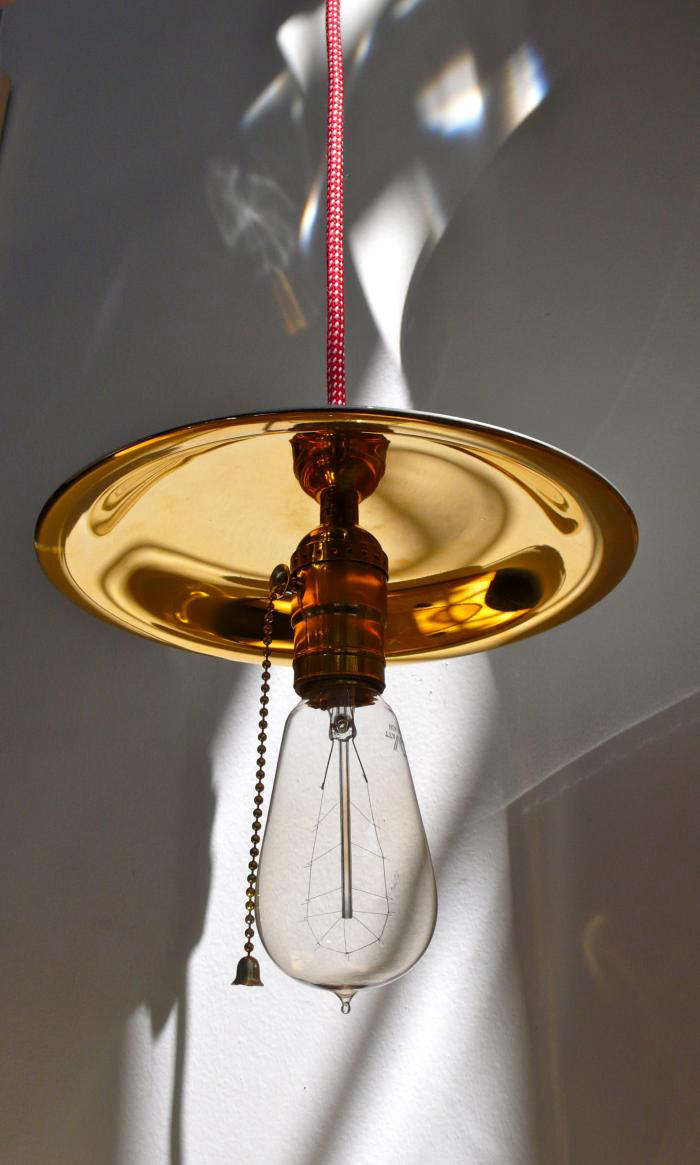
Brazil has never been short on design confidence. This is a country that gave the world modernist icons, fearless material experiments, and enough sensual curves to make a right angle feel slightly insecure. So it should not be surprising that cutting-edge lighting from Brazil is having a serious moment. Still, the latest wave of Brazilian lighting deserves more than a passing “nice lamp” and a polite nod. It deserves a spotlight, preferably warm, dimmable, and aimed at something sculptural.
What makes Brazilian lighting so exciting right now is not just style. It is the combination of modernism, craftsmanship, local materials, cultural memory, and technical sophistication. The best pieces do more than brighten a room. They shape atmosphere, soften architecture, celebrate texture, and occasionally make you wonder whether you are looking at a pendant lamp or a small piece of theater suspended from the ceiling.
In other words, Brazil is not simply producing trendy fixtures. It is producing lighting with identity. And in a global design market crowded with lookalike minimalism, identity is worth its weight in brass, wood, rope, or whatever magical material a Brazilian studio has decided to transform next.
Why Brazilian Lighting Feels Different
The story begins with the broader language of Brazilian design. At its core, Brazilian modernism has long balanced simple silhouettes with organic movement. It respects function, but it rarely settles for coldness. Even when a piece is restrained, it tends to have warmth in the bones. That warmth comes from Brazil’s landscape, craft traditions, tropical climate, and long dialogue between architecture and nature.
That design heritage matters because lighting does not exist in isolation. A lamp is never just a lamp. It lives in a room, interacts with shadows, bounces off surfaces, and changes the emotional temperature of a space. Brazilian designers understand that deeply. Their lighting often feels less like an accessory and more like a participant in the architecture.
Instead of harsh glare and all-business utility, many Brazilian lighting concepts favor visual comfort, tactility, indirect glow, and sculptural presence. Even highly contemporary pieces often hold onto something handmade, local, or earthy. That combination is the secret sauce. It is modern, but not sterile. Artistic, but not impractical. Refined, but never humorless. Basically, it is the opposite of those sad overhead fixtures that make everyone look like they are being interrogated in a crime drama.
The Design DNA Behind Cutting-Edge Lighting from Brazil
1. A Modernist Legacy With More Soul
Brazil’s design scene inherited the clarity of modernism, but it softened the edges with regional character. That means contemporary Brazilian lighting often borrows the discipline of modern design without becoming rigid. Clean lines are common, but so are curves, asymmetry, and sensual volume. Proportion matters. So does negative space. So does the way light lands on concrete, wood, stone, or woven fiber.
Designers working in Brazil today are not copying the past. They are extending it. The historical influence of names like Joaquim Tenreiro, Sergio Rodrigues, Oscar Niemeyer, and Lina Bo Bardi still hangs in the air, but newer studios are translating that language into a more experimental future. Lighting becomes a place where heritage and innovation meet without awkward small talk.
2. Materials That Carry Meaning
One of the most striking features of Brazilian lighting is the material palette. Wood remains important, especially when used with restraint and respect for grain, tone, and texture. But that is only the beginning. Contemporary Brazilian lighting also explores niobium, rope, straw, bronze, brass, stone, paper, and mixed media. These are not random choices. They connect fixtures to craft traditions, natural resources, and regional aesthetics.
When a designer uses nautical rope, native fibers, reclaimed wood, or a rare metal with ties to Brazil, the fixture gains narrative depth. It stops being generic decor and starts feeling rooted. That rootedness is one reason Brazilian lighting stands out in a sea of internationally styled objects that could have been designed anywhere and therefore somehow feel designed nowhere.
3. Craft and Industry Working Together
Brazilian design has long embraced the tension between handwork and industrial production. The most compelling lighting from Brazil continues that tradition. A fixture may be highly engineered, but it often retains signs of the human hand. It may use contemporary fabrication, yet still echo basketry, weaving, carving, or metalwork.
This balance makes Brazilian lighting especially appealing to today’s design audience. People want objects that feel considered. They want quality, but they also want character. They want something that looks intelligent without looking like it came with a PhD and a bad attitude. Brazilian studios are unusually good at delivering exactly that balance.
What Makes Brazilian Lighting Truly Cutting-Edge Right Now
Sculptural Presence
Some of the most memorable lighting coming out of Brazil behaves like sculpture first and fixture second. That does not mean it fails as lighting. Quite the opposite. It means illumination and form are designed together. Oversized pendants, airy woven shades, expressive sconces, and dramatic light boxes are used not just to brighten surfaces but to define rooms.
This sculptural approach works especially well in open-plan interiors, tropical modern homes, and hospitality spaces where lighting has to do more than one job. Brazilian designers often create pieces that anchor a dining area, soften a concrete shell, or add rhythm to a minimalist room without turning the space into a circus tent.
Unexpected Material Innovation
Brazilian lighting is also cutting-edge because it experiments bravely with material combinations. Claudia Moreira Salles, for example, has been recognized for bringing niobium into lighting, pairing it with wood and color gradients in a way that feels both technological and earthy. That is classic Brazilian design logic: innovation that does not abandon touch, warmth, or beauty.
Elsewhere, designers have explored knitted rope lamps, handcrafted straw elements, raw bronze, carbonized wood, stone inlays, and metallic surfaces that shift as the light changes. These choices create fixtures that are expressive even when they are turned off. A good light turns on. A great light turns heads.
Atmosphere Over Excess
Brazilian lighting often prioritizes mood rather than brute-force brightness. You see this in projects that use indirect light, layered scenes, warm tones, and carefully controlled glare. It is less about blasting every corner into submission and more about creating places people actually want to inhabit. That focus on comfort makes Brazilian lighting especially relevant now, when homeowners and designers are paying more attention to wellness, hospitality, and the emotional impact of interiors.
Sustainability With Style
Sustainability in lighting can sometimes look painfully virtuous, as if the fixture wants a medal for merely existing. Brazilian design tends to handle the topic with more grace. Many designers emphasize reclaimed or FSC-certified wood, local production, durable craftsmanship, and materials that age well rather than fall apart after one trend cycle. The result is sustainability that feels embedded in the object, not taped on as a marketing label.
Designers and Studios Helping Define the Look
Claudia Moreira Salles stands out for her geometric discipline, material sensitivity, and willingness to push lighting into new territory. Her work shows how Brazilian lighting can be elegant without being timid.
Nicole Tomazi brought softness and memory into the conversation with rope-based lighting that feels oversized, tactile, and deeply connected to handcraft. These pieces prove that a fixture can be bold without shouting.
The Campana brothers remain essential reference points for anyone talking about Brazilian design at the experimental edge. Their fearless use of unexpected materials helped establish Brazil as a place where furniture and lighting could be witty, emotional, and slightly unruly in the best way.
Guilherme Wentz represents another strong current: pared-down forms, local materials, and the ability to translate Brazilian identity into pieces that feel refined and globally fluent. His connection to lighting brands reinforces how closely furniture and lighting evolve together in Brazil’s design ecosystem.
Jader Almeida offers a different lesson. His work often balances lightness and strength, proving that minimalism does not need to feel flat. That philosophy matters in lighting, where visual weight can either lift a room or sink it.
Arthur Casas shows how architecture and lighting in Brazil often belong to the same conversation. In his projects, light and shadow are not afterthoughts. They are building materials. That approach influences the broader market, especially in showrooms and high-end residential environments where Brazilian lighting is used to frame an entire lifestyle.
Gustavo Neves adds another layer with pieces that lean into raw beauty, rare stones, molten metal finishes, and material unpredictability. His work reminds us that cutting-edge design is not always slick. Sometimes it is rough, tactile, and gloriously imperfect.
How to Bring Brazilian Lighting Into Your Own Space
Let One Piece Be the Hero
Brazilian lighting is often strong enough to carry a room. A woven pendant over a dining table, a sculptural floor lamp in a reading corner, or a dramatic sconce in an entry can do more than a dozen forgettable fixtures ever could. Start with one statement piece and let it lead.
Pair It With Honest Materials
Brazilian lights look especially good around wood, stone, plaster, linen, leather, and concrete. The point is not to create a fake tropical resort in your living room. The point is to give the fixture surfaces that can respond beautifully to light. Texture matters. Patina matters. A room should feel alive, not laminated.
Favor Warmth and Layering
If you are borrowing from the Brazilian approach, avoid treating lighting as a one-switch event. Use layers. Mix pendants, table lamps, wall lights, and indirect sources. Choose warmer color temperatures when possible. Brazilian-inspired interiors often feel inviting because the light is designed to flatter both the room and the people in it. Revolutionary concept, honestly.
Mix Restraint With Surprise
The best Brazilian interiors often combine calm architecture with one or two unexpected moments. That can mean a minimalist room with a wildly tactile light fixture, or a neutral palette with a fixture that introduces rope, brass, woven fiber, or a sculptural silhouette. The tension is what makes the result memorable.
Why the Global Design World Keeps Looking to Brazil
Brazil’s lighting scene matters because it offers a different model of innovation. Instead of chasing novelty for its own sake, many Brazilian designers create pieces that feel emotionally intelligent. They understand proportion, atmosphere, and material honesty. They know that technology matters, but so does poetry. They respect tradition, but they are not trapped by it.
That is why Brazilian lighting continues to attract architects, collectors, gallerists, and design editors. It brings together seemingly opposite qualities: lightness and gravity, craft and experimentation, tropical ease and urban sophistication. In a world hungry for design with a point of view, that combination is hard to ignore.
The Experience of Living With Cutting-Edge Lighting from Brazil
Imagine stepping into a room at the end of a long day and noticing that the light does not just illuminate the space. It changes your pulse. That is the real experience Brazilian lighting aims for. It does not hit you over the head with brightness. It unfolds. First you notice the glow along a plaster wall, then the way a woven shade casts a soft pattern, then the quiet drama of a brass detail catching the last bit of daylight. Suddenly the room feels composed, even if your coffee table still has three books, one charger, and a glass you forgot to bring back to the kitchen.
Living with Brazilian lighting is often about atmosphere before spectacle, even when the fixture itself is visually bold. A sculptural pendant might dominate the dining area during the day like a piece of suspended art, but at night it becomes softer, warmer, more intimate. The object shifts from statement to setting. That flexibility is one of its great strengths. It knows how to make an entrance, but it also knows when to lower its voice.
There is also a tactile pleasure to it. Brazilian fixtures frequently invite your eye to linger on rope, wood grain, hand-finished metal, woven fibers, or stone. Even before you touch them, they feel physical. Real. Human. That makes a room feel less staged and more inhabited. You are not living inside a catalog. You are living around objects with texture, memory, and mood.
In practical terms, the experience is deeply tied to comfort. Brazilian-inspired lighting schemes often avoid flattening a room. Instead of one harsh source, they create layers: a pendant for focus, a wall light for softness, a floor lamp for depth, maybe a concealed strip for architecture. The result is a room that works for different moments. Morning coffee feels crisp. Afternoon light blends naturally into the interior. Evening becomes cinematic. Midnight becomes calm. Good lighting does not just help you see; it helps the room understand what time it is.
There is often a sense of emotional generosity too. Many Brazilian interiors are designed for gathering, conversation, shared meals, and fluid movement between indoors and outdoors. Lighting supports that social rhythm. It flatters faces. It softens transitions. It makes people want to stay at the table longer. That might sound like a small thing, but it is not. The right light can make a home feel more welcoming, a restaurant feel more intimate, and a hotel feel less like a transaction and more like an experience.
What surprises many people is that even highly contemporary Brazilian lighting rarely feels cold. It can be minimalist, yes. It can be experimental, absolutely. But it usually keeps one foot in warmth, craft, or nature. That means the room does not feel overly designed. It feels balanced. Sophisticated, but breathable. Stylish, but still alive.
And perhaps that is the biggest experience of all: Brazilian lighting makes modern spaces feel more human. It allows architecture to keep its clarity while giving daily life a softer landing. It turns illumination into atmosphere, materials into emotion, and ordinary evenings into something just a little more beautiful. Which, frankly, is a lot to ask from a lamp. But Brazil seems happy to overdeliver.
Conclusion
Cutting-edge lighting from Brazil is not a passing fascination. It is part of a larger design movement that blends modernism, tropical sensibility, craftsmanship, experimentation, and emotional intelligence. Whether expressed through niobium, rope, reclaimed wood, bronze, straw, or quietly perfect proportions, Brazilian lighting offers something many global interiors still lack: soul with discipline.
For designers, homeowners, collectors, and anyone tired of generic fixtures, Brazil offers a compelling answer to a simple question: what should great lighting do? The best Brazilian pieces answer beautifully. They should illuminate, yes. But they should also soften, surprise, ground, sculpt, and tell a story. Preferably all before dinner.