The home front has become the new main character. Not the polite background extra where we toss our keys, burn toast, and pretend the laundry chair is “temporary.” Today, home is where we work, rest, cook, stream, host, recover, recharge, and occasionally hide from the group chat. It has to look good, feel good, function hard, and forgive us when real life gets a little crunchy around the edges.
That is why current home obsessions are less about chasing one perfect aesthetic and more about building a place that actually supports daily life. The most stylish homes right now are warm, useful, layered, personal, energy-aware, and quietly clever. They have texture. They have storage that does not require a PhD. They have lighting that flatters both the room and the person eating cereal at 10 p.m. And most importantly, they feel lived inin the best possible way.
Welcome to the home front: a place where comfort is strategic, clutter is the villain, and the best design choice might be the one that makes Tuesday morning easier.
What “The Home Front” Means Right Now
The phrase “home front” used to suggest domestic life as something separate from the outside world. Now, it feels more like the command center. Our houses and apartments are no longer just where we end the day. They are flexible headquarters for productivity, wellness, entertaining, family routines, hobbies, and the sacred ritual of staring into the fridge as if it might reveal new plot developments.
This shift has changed what people want from interiors. A beautiful room is still desirable, of course, but beauty alone is not enough. The new dream home must also be durable, organized, adaptable, and emotionally satisfying. It should help you find the tape, remember to water the basil, sit comfortably during a video call, and feel calm when life outside gets noisy.
The biggest current obsession is not a single color, sofa style, or countertop material. It is the feeling of a home that works with you instead of against you.
Obsession #1: Warm, Human, Lived-In Design
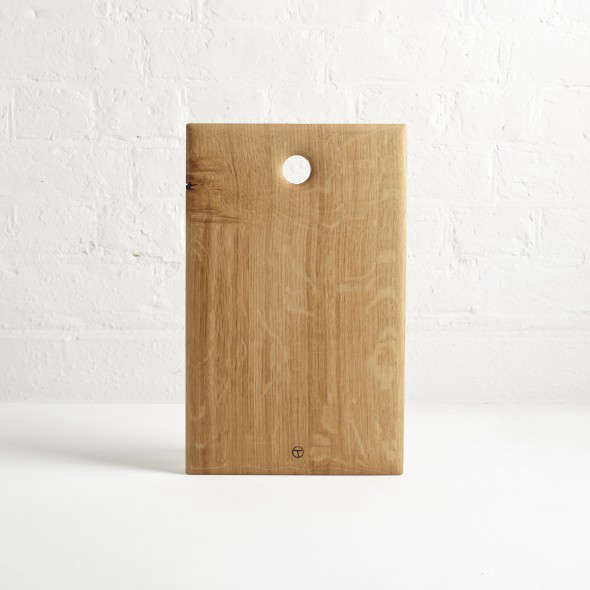
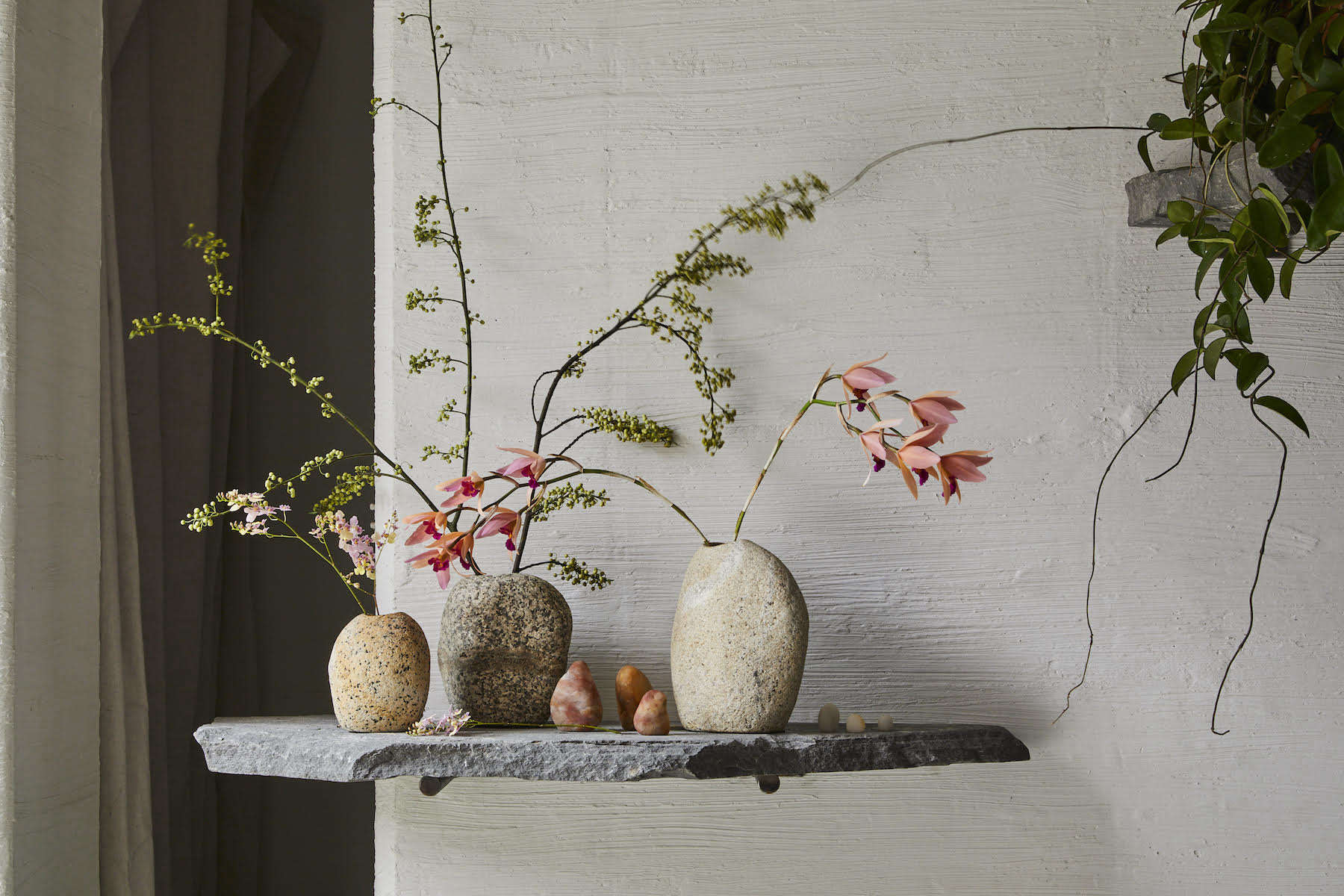
Cold, showroom-perfect interiors are losing their grip. Homeowners are leaning into spaces that feel collected rather than staged. Think hand-thrown ceramics, worn wood, textured walls, vintage finds, family pieces, imperfect finishes, and art that looks like it was chosen by a person with storiesnot by an algorithm named BeigeBot 3000.
This does not mean every room must look like an antique shop had a dramatic but tasteful sneeze. The key is balance. A modern sofa can sit beside a vintage side table. A clean-lined kitchen can include handmade tile. A minimalist bedroom can still have a quilt, a sculptural lamp, or a framed photo that means something.
How to get the look without overdoing it
Start with one or two soulful elements. Add a woven basket in the entry, a handmade vase on the dining table, a vintage mirror in the hallway, or a framed textile above the bed. These details make a space feel grounded. They also prevent the dreaded “furnished in one afternoon” look, which is efficient but can feel about as personal as an airport lounge.
Texture is the secret ingredient. Limewash-style walls, grasscloth, nubby upholstery, linen curtains, stone accents, warm wood, and low-pile natural fiber rugs bring depth without shouting. The room becomes interesting even when the palette stays quiet.
Obsession #2: Color That Feels Grounded, Not Loud
Color is back, but it has grown up a little. Instead of neon drama or icy gray minimalism, the home front is gravitating toward grounded shades: clay, khaki, olive, mushroom, smoky blue, cocoa brown, terracotta, dusty rose, deep plum, and warm off-white. These colors have personality, but they do not crash through the front door wearing tap shoes.
Warm neutrals are especially popular because they are flexible. A khaki wall, chocolate-brown accent, or putty-toned cabinet can work with traditional, modern, rustic, or eclectic interiors. These colors also make homes feel calmer and more welcoming, which is very useful when the outside world is doing its usual circus routine.
Try color in layers
If painting an entire room feels too dramatic, begin with smaller layers. Add rust-colored pillows, olive curtains, a muted blue entry bench, or a deep brown lampshade. In a kitchen, consider a colorful tile backsplash, painted island, or natural stone with movement. In a bedroom, swap crisp white bedding for warm ivory, oat, clay, or sage.
The goal is not to turn every room into a color wheel. It is to add enough warmth that the space feels intentional rather than unfinished.
Obsession #3: Kitchens That Act Like Living Rooms
The kitchen remains the heart of the home, but now it is also the conference room, snack bar, homework zone, gathering space, and emotional support station. People want kitchens that are beautiful, social, and hardworking. That means bigger islands, better lighting, flexible storage, durable surfaces, and finishes with character.
Current kitchen design is moving toward natural materials and tactile details: stone slabs with subtle drama, ceramic tile, warm woods, flat-panel cabinetry, mixed metals, and sinks large enough to handle real cookingnot just a single decorative lemon. White kitchens are not gone, but they are being warmed up with colorful backsplashes, wood accents, creamy paint, and statement hardware.
The “social kitchen” matters
A modern kitchen should support conversation. That might mean seating at the island, open sightlines to the dining area, layered lighting, or a beverage station that keeps guests from standing directly in front of the oven asking, “Can I help?” while blocking every drawer you need.
Good kitchen design reduces friction. Store everyday dishes near the dishwasher. Keep cooking tools close to the range. Put snacks where kids or guests can find them without conducting a full archaeological dig. Small decisions like these make the room feel smoother, calmer, and more enjoyable.
Obsession #4: Storage That Looks Good and Actually Works
Home organization has matured. The old fantasy was a pantry full of matching containers and labels so perfect they looked legally notarized. The new obsession is more realistic: storage systems that flex with actual life. Homes need places for backpacks, pet supplies, cables, seasonal gear, cleaning products, hobby materials, mail, returns, and that mysterious collection of batteries that may or may not still work.
The most useful storage is visible where it needs to be and hidden where it should be. Mudroom benches, drawer dividers, over-the-door racks, lazy Susans, under-sink bins, pantry zones, closet systems, and attractive baskets all help reduce daily chaos. The goal is not perfection. The goal is to make tidying easier than making a new pile.
Design around habits, not fantasies
If shoes always land by the door, put storage by the door. If mail piles up in the kitchen, create a mail station there. If workout gear migrates to the living room, give it a stylish basket instead of pretending everyone will carry it to a closet three rooms away. Organization works best when it respects behavior.
One of the smartest rules is simple: store things where they are used. Coffee mugs near the coffee maker. Towels near the shower. Chargers near the couch. Pet leashes near the exit. This sounds obvious, but many homes are arranged as if inconvenience builds character. It does not. It builds clutter.
Obsession #5: The Wellness Home Gets Practical
Wellness at home no longer means buying a crystal the size of a toaster and hoping it handles your inbox. It means creating rooms that support better air, better sleep, better movement, better light, and better routines. The practical wellness home focuses on what people can actually maintain.
Indoor air quality is a major piece of the conversation. Source control, ventilation, and filtration matter. Choosing lower-odor products, using effective ventilation while cooking, maintaining HVAC filters, and considering portable air cleaners for specific rooms can all contribute to a healthier indoor environment. None of this is glamorous in the magazine-spread sense, but breathing comfortably is a trend with excellent staying power.
Wellness design starts with small upgrades
Replace harsh overhead lighting with layered light: lamps, dimmers, sconces, under-cabinet lighting, and warm bulbs. Create a bedroom that encourages sleep with breathable bedding, blackout curtains, less visual clutter, and a charging spot outside the bed if possible. Add a small movement zone with a yoga mat, resistance bands, or simply enough open floor to stretch without kicking a side table into another zip code.
Plants, natural materials, and views of the outdoors also help a home feel restorative. Even a small herb pot in a sunny window can make a kitchen feel more alive. Bonus: basil is cheaper than therapy, although admittedly less qualified.
Obsession #6: Smarter Energy Choices
Energy-conscious home upgrades are becoming part of mainstream design. People want comfort, but they also want lower bills, better performance, and systems that do not waste energy while everyone is asleep or away. Smart thermostats, efficient HVAC systems, improved insulation, better window coverings, LED lighting, and heat pump technology are all part of this shift.
A smart thermostat is one of the most approachable upgrades because it helps manage heating and cooling automatically. For many households, the appeal is not just savings; it is convenience. Nobody wants to remember to adjust the thermostat while rushing out the door holding coffee, keys, and the emotional weight of being late.
Design and efficiency can work together
Energy efficiency does not have to look technical or cold. Thermal curtains can be beautiful. Ceiling fans can be sculptural. LED bulbs can create warm, flattering light. Exterior shading, rugs, weatherstripping, and well-placed landscaping can improve comfort while adding style. The best home upgrades solve more than one problem at once.
When planning larger renovations, it is worth thinking about the home as a system. A beautiful kitchen is even better when the ventilation works well. A cozy bedroom is more comfortable when drafts are sealed. A finished basement feels more usable when moisture is controlled. Smart design looks at both the pretty layer and the performance layer.
Obsession #7: Flexible Rooms With Real Jobs
Flexible rooms are one of the defining features of the current home front. A guest room might also be an office. A dining room might double as a library. A hallway might become a command center. A basement might function as a gym, media room, hobby zone, and storage hubsometimes all before lunch.
The trick is to give each space clear tools. A hybrid office-guest room needs a comfortable sleeper sofa or Murphy bed, closed storage, good task lighting, and a desk that does not look like it was assembled during a minor emergency. A dining-library combination needs sturdy shelves, adjustable lighting, and chairs comfortable enough for both dinner and reading.
Zones beat open chaos
Open-plan living is still popular, but people are craving zones. Rugs, lighting, bookcases, screens, furniture placement, and paint can define areas without building walls. A living room can include a conversation zone, a reading chair, and a small work nook if each area has a purpose.
This is especially useful in smaller homes and apartments. You do not need more square footage as much as you need smarter square footage. A wall-mounted desk, nesting tables, storage ottomans, foldable chairs, and vertical shelving can make a compact home feel surprisingly capable.
Obsession #8: Outdoor Spaces as Everyday Rooms
The outdoor room is no longer reserved for perfect-weather weekends. Patios, balconies, porches, decks, and small yards are being treated as extensions of the home. Comfortable seating, outdoor rugs, weather-resistant pillows, planters, string lights, privacy screens, and compact dining setups can turn even modest outdoor space into a daily retreat.
Garden rooms are especially appealing because they combine nature, entertaining, and escape. A small bistro table on a balcony can become a morning coffee spot. A shaded patio can work as a second living room. A fire pit area can stretch the outdoor season. Even a narrow side yard can become useful with pavers, lighting, and vertical planting.
Make it easy to use
The best outdoor spaces are convenient. If cushions are hard to drag outside, they will not get used. If lighting requires a complicated ritual, people will go back indoors. Choose weather-friendly furniture, easy storage, and lighting that turns on with minimal drama. Outdoor living should feel like a treat, not a camping expedition with throw pillows.
Obsession #9: Pattern With Personality
Pattern is returning, but in flexible ways. Checkerboard floors, striped upholstery, patterned lampshades, botanical wallpaper, block-printed textiles, and playful tile are all finding their way into stylish homes. The difference now is that pattern is often used as an accent rather than a full-room takeover.
A checkerboard entry floor can feel classic. A striped bench can sharpen a mudroom. A floral wallpaper in a powder room can add charm without asking the whole house to participate. Pattern gives rooms rhythm, and rhythm keeps interiors from feeling flat.
Use pattern where risk is low
If you are nervous, begin with pillows, rugs, curtains, artwork, or removable wallpaper. Powder rooms, laundry rooms, and entryways are excellent places to experiment because they are smaller and benefit from a little drama. The main rule: repeat at least one color from the pattern elsewhere in the room so it feels connected instead of random.
Obsession #10: Decorating With Stories
The most memorable homes tell stories. They include travel finds, inherited pieces, handmade objects, local art, books, collections, and photographs. These elements make a room feel personal and layered. They also give guests something to ask about besides the Wi-Fi password.
Story-driven decorating does not require expensive antiques or rare objects. It can be as simple as framing a child’s drawing, displaying a favorite cookbook, hanging a map of a meaningful city, or using a bowl from a local maker. The point is to choose items because they matter, not because they fill space.
Edit, do not erase
Personal design still benefits from editing. Too many objects can feel cluttered, while too few can feel sterile. Rotate collections seasonally, group smaller items on trays, and leave breathing room around special pieces. Think of styling as giving your favorite things a stage, not making them compete in a talent show with no winner.
Real-Life Experience: Living With the Home Front Obsession
The funny thing about becoming obsessed with the home front is that it usually starts with one tiny irritation. Maybe the entryway is always messy. Maybe the kitchen drawer jams because it contains seven spatulas, two birthday candles, a screwdriver, and something that looks important but has no known purpose. Maybe the living room looks fine in photos but feels uncomfortable after twenty minutes. Home improvement often begins with a sigh.
My most relatable home-front lesson is that a house tells the truth about your routines. You can buy beautiful containers, but if they are in the wrong place, they become decorative guilt. You can style a perfect coffee table, but if everyone needs the surface for laptops, snacks, and mail, the styling will lose the battle by Wednesday. You can dream of a serene bedroom, but if laundry has no clear landing place, the chair will become a textile mountain with excellent self-esteem.
The best changes are usually practical before they are pretty. A basket by the door can save the entry. A lamp in a dark corner can make the whole room feel kinder. A small tray for keys can reduce morning panic. A drawer divider can turn a junk drawer from a tiny cave of despair into a functioning citizen. These are not dramatic renovations, but they change how a home feels every day.
One of the most satisfying experiments is creating zones. A chair, lamp, and small table can become a reading nook. A shelf, calendar, and file holder can become a family command center. A narrow balcony with two chairs and a plant can become a place to breathe before checking email. When every area has a job, the home starts working like a supportive teammate instead of a beautiful but confusing museum.
Color is another surprisingly emotional upgrade. Warm neutrals, earthy greens, clay tones, and deep browns can make a room feel settled. Even one painted wall or one richer textile can shift the mood. People often think they need new furniture when what they really need is warmth, contrast, or texture. A room can feel unfinished not because it lacks things, but because everything has the same tone, surface, and personality level as plain oatmeal.
Lighting may be the biggest secret. Overhead lighting has its place, but relying on it alone can make a room feel like a waiting room for dental paperwork. Add lamps at different heights. Use warmer bulbs. Put task lighting where work happens. Add dimmers if possible. Suddenly, the same furniture looks better, the evening feels softer, and everyone appears slightly more well-rested than they actually are.
The current home obsession is not about perfection. In fact, perfection is exhausting and usually very expensive. The real goal is a home that reduces friction. It should make the daily stuff easier: cooking, cleaning, resting, working, hosting, finding socks, charging devices, feeding pets, and getting out the door without reenacting a disaster movie.
A good home front also leaves room for joy. That means keeping the weird mug you love, hanging the art that makes you smile, using the good blanket, growing herbs even if you only successfully raise mint, and making space for hobbies that do not look chic on Instagram. A home should not only impress visitors. It should support the people who live there when no one is watching.
Conclusion: The Home Front Is Personal, Practical, and Full of Possibility
Current home obsessions reveal a clear truth: people want homes that feel better, not just look better. The most relevant design ideas right now are warm, flexible, organized, energy-aware, wellness-minded, and deeply personal. They celebrate texture, useful storage, grounded color, social kitchens, outdoor living, better air, smarter systems, and rooms that adapt as life changes.
The home front is not about chasing every trend. It is about noticing what your home needs and responding with intention. Maybe that means repainting a room, upgrading lighting, rethinking storage, adding a reading corner, improving ventilation, or simply letting your home show more of your personality. The best spaces are not perfect. They are alive, useful, layered, and ready for real lifewith all its crumbs, cables, coffee cups, and small daily victories.