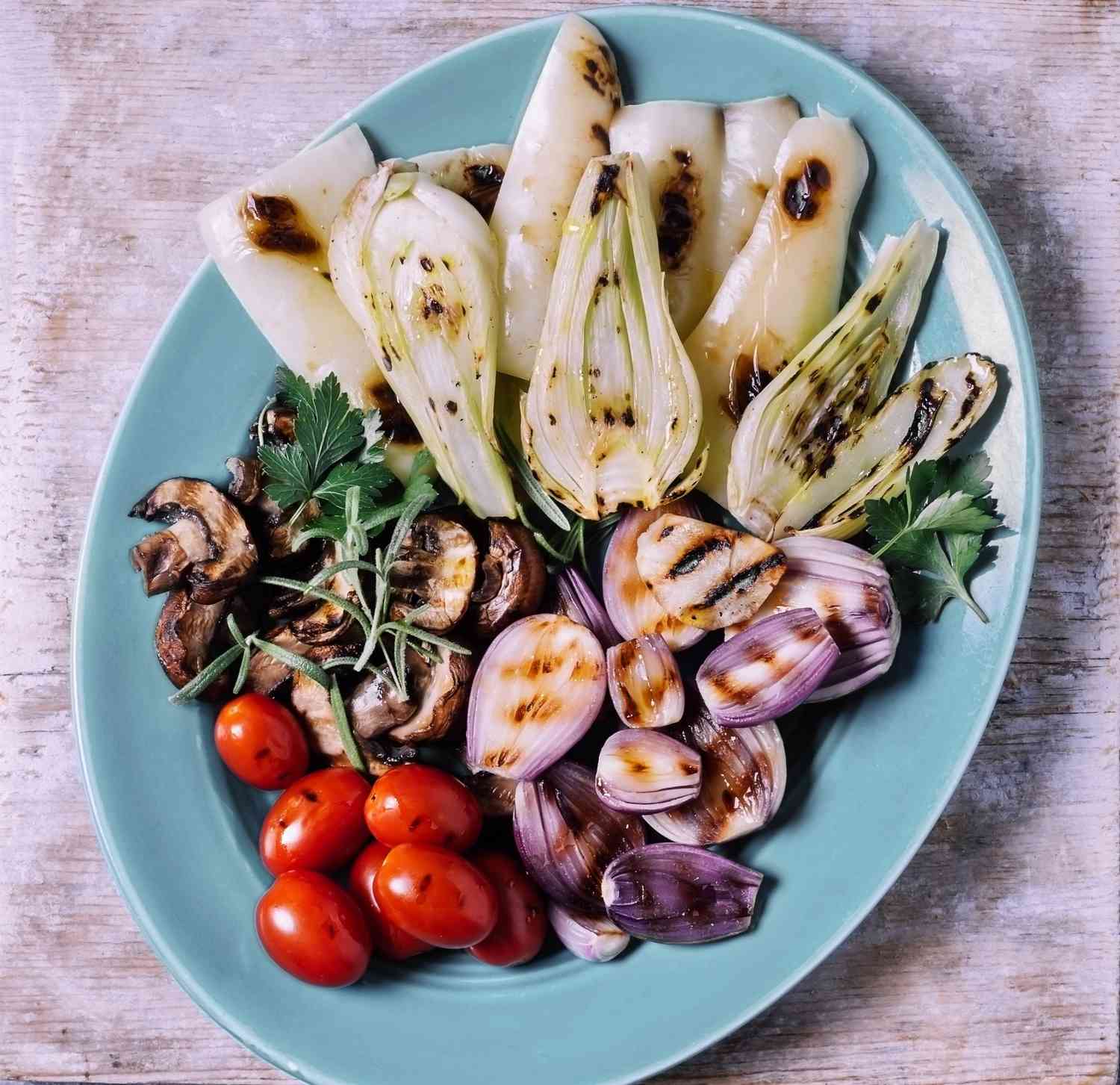
Raw vegetables have excellent public relations. They crunch, they sparkle in salad bowls, and they make everyone feel as if lunch is wearing tiny running shoes. But here is the delicious plot twist: some vegetables become even more useful to your body after they meet heat. Cooking can soften plant cell walls, reduce certain compounds that interfere with absorption, improve digestibility, and make specific antioxidants easier for the body to use.
This does not mean raw vegetables should be fired from the dinner table. A crisp cucumber, a leafy salad, or a handful of raw bell pepper strips can still bring fiber, water, vitamin C, and freshness. The smarter takeaway is balance: eat a mix of raw and cooked vegetables, and learn which ones become nutritional overachievers when steamed, sautéed, roasted, simmered, or lightly microwaved. Think of cooking not as “destroying nutrients,” but as editing the vegetable’s résumé so the best skills show up first.
Why Some Cooked Vegetables Can Be Healthier Than Raw
Vegetables are packed with nutrients, but nutrients are not useful just because they exist on the plate. Your body has to access, absorb, and use them. This is where cooking can help. Heat breaks down tough plant structures, making carotenoids such as lycopene and beta-carotene more bioavailable. These are fat-soluble plant pigments found in red, orange, yellow, and dark green vegetables.
Cooking also shrinks bulky greens. A mountain of raw spinach may cook down to a small, silky serving, meaning you can comfortably eat more of it. For people who find raw vegetables hard on the stomach, cooking can make vegetables gentler, sweeter, and less likely to cause bloating. In short, the healthiest vegetable is often the one you actually enjoy eating instead of the one that slowly wilts in the crisper drawer while judging your life choices.
The Best Cooking Methods for Preserving Nutrients
Not all cooking methods are equal. Boiling vegetables in a large pot of water can cause water-soluble nutrients, such as vitamin C and some B vitamins, to leach into the water. If you toss the water, you may toss some nutrition with it. Steaming, microwaving with minimal water, quick sautéing, roasting, and simmering vegetables into soups or sauces are usually better choices.
A small amount of healthy fat, such as olive oil or avocado oil, can also improve absorption of fat-soluble nutrients. That is why cooked tomatoes in olive oil, roasted carrots with a light drizzle of oil, or sautéed spinach can be more than tastythey can be nutritionally strategic.
1. Tomatoes: The Lycopene Superstar
Tomatoes are probably the most famous example of a vegetable-like fruit that becomes nutritionally impressive when cooked. Raw tomatoes are refreshing and provide vitamin C, potassium, and water. But cooking tomatoes increases the availability of lycopene, the red carotenoid linked with antioxidant activity and heart-supportive eating patterns.
Heat changes the structure of lycopene and helps release it from tomato cell walls. That means tomato sauce, tomato paste, roasted tomatoes, and stewed tomatoes can deliver lycopene in a form your body may absorb more easily than from raw tomato slices.
How to Cook Tomatoes for Better Nutrition
Simmer tomatoes into marinara sauce, roast cherry tomatoes until they burst, or cook tomato paste briefly in olive oil before adding it to soups and stews. Tomato paste is especially concentrated, so a spoonful can bring deep flavor and a nutritional boost. Just watch sodium in canned sauces and choose low-sodium or no-salt-added versions when possible.
2. Carrots: Better Beta-Carotene Access
Carrots are crunchy, sweet, and famously associated with beta-carotene, a carotenoid the body can convert into vitamin A. Raw carrots are still healthy, but cooking can make beta-carotene more accessible. When carrots are cooked, their firm cell walls soften, allowing more carotenoids to become available during digestion.
This does not mean you must surrender your carrot sticks. It simply means roasted carrots, steamed carrots, carrot soup, and carrots blended into sauces deserve more credit than they get. The orange color is not just pretty; it is a nutrition signpost waving enthusiastically from the plate.
Best Ways to Cook Carrots
Roast carrot coins with olive oil and herbs, steam whole baby carrots until tender-crisp, or simmer carrots into lentil soup. Cooking carrots with a little fat helps the body absorb carotenoids more effectively. Avoid cooking them until they become flavorless orange sadness. Tender is good; mushy is not a life goal.
3. Spinach: Smaller Volume, More Mineral Access
Spinach is healthy raw and cooked, but cooking changes its nutrition profile in helpful ways. Raw spinach contains oxalates, naturally occurring compounds that can bind to minerals such as calcium and iron. Cooking can reduce oxalate levels and make spinach easier for some people to digest.
Another advantage is volume. One cup of raw spinach is light and fluffy, like edible confetti. One cup of cooked spinach contains far more spinach leaves because heat collapses the structure. This can help you eat more greens without needing a salad bowl the size of a laundry basket.
How to Cook Spinach Without Losing Its Charm
Quickly sauté spinach with garlic and olive oil, fold it into omelets, stir it into soup at the end of cooking, or wilt it into pasta. The key is speed. Spinach cooks in minutes, and overcooking can dull its color and flavor. For a smart balance, enjoy spinach both ways: raw in smoothies or salads and cooked in warm dishes.
4. Mushrooms: More Flavor, Better Safety, Easier Digestion
Mushrooms are technically fungi, not vegetables, but they live in the produce aisle, behave beautifully in vegetable dishes, and deserve a seat at this table. Cooking mushrooms improves their flavor, texture, and digestibility. Heat brings out their savory umami quality, which is why sautéed mushrooms taste rich enough to make a plain meal feel as if it upgraded to business class.
Cooking mushrooms is also a smart safety habit, especially for specialty mushrooms. Some edible mushrooms are not recommended raw, and wild mushrooms should never be eaten unless identified by a qualified expert. Cooking does not make poisonous mushrooms safe, but it does make common edible mushrooms more pleasant and often easier to tolerate.
Best Cooking Methods for Mushrooms
Sauté mushrooms in a hot pan until their moisture evaporates and the edges brown. You can also grill portobello caps, roast cremini mushrooms, or add sliced mushrooms to soups. Avoid drowning them in water unless the liquid becomes part of the dish, such as in soup, because water-soluble nutrients and flavor can move into the cooking liquid.
5. Asparagus: A Cooked Antioxidant Boost
Raw asparagus is edible, but many people find it woody, grassy, and not exactly a snack that inspires poetry. Cooking asparagus can make its antioxidants more available and its texture much easier to enjoy. It also softens the stalks while preserving their bright, fresh flavor when cooked properly.
Asparagus contains folate, fiber, and several plant compounds. Light cooking helps turn it from “why am I chewing a tiny tree?” into a tender side dish that pairs with eggs, fish, chicken, grains, pasta, and salads.
How to Cook Asparagus the Right Way
Steam asparagus for a few minutes, roast it quickly at high heat, or sauté it until bright green and tender-crisp. Add lemon after cooking for flavor. Do not boil it into limp green strings. Asparagus should still have a little snap, like it has plans after dinner.
6. Sweet Potatoes: Cooked for Carotenoids and Comfort
Sweet potatoes are rarely eaten raw for good reason. Cooking transforms their starches, softens their texture, and makes their beta-carotene-rich orange flesh easier to enjoy. They also provide fiber, potassium, and complex carbohydrates that fit well into balanced meals.
Orange sweet potatoes are especially rich in provitamin A carotenoids. Cooking them until tender and pairing them with a small amount of fat can support absorption. This is one of the easiest wins in the kitchen: bake, roast, mash, or cube them into chili.
Simple Sweet Potato Ideas
Roast sweet potato wedges with cinnamon and olive oil, mash them with plain Greek yogurt, or add cubes to black bean soup. Keep the skin on when appropriate for extra fiber. Skip turning every sweet potato into dessert; marshmallow mountains are fun once in a while, but the vegetable can carry itself without a sugar parade.
7. Pumpkin and Winter Squash: Carotenoid-Rich When Cooked
Pumpkin, butternut squash, acorn squash, and kabocha squash are practically designed for cooking. Their firm flesh becomes sweet, creamy, and digestible after roasting or simmering. Like carrots and sweet potatoes, orange winter squash contains carotenoids, including beta-carotene.
Cooking helps soften the dense flesh and makes it easier to eat in meaningful portions. A spoonful of raw butternut squash is not anyone’s idea of a good time. Roasted butternut squash, however, is basically vegetable candy with better manners.
Best Ways to Cook Winter Squash
Roast cubes with olive oil and rosemary, blend cooked squash into soup, or mash pumpkin into oatmeal, chili, or pasta sauce. Canned pumpkin can also be a nutritious shortcut, as long as you choose pure pumpkin rather than sweetened pumpkin pie filling.
8. Bell Peppers: A Mixed Case Worth Cooking Sometimes
Bell peppers are excellent raw because they are high in vitamin C, which is sensitive to heat. However, cooking peppers can improve the availability of carotenoids, especially in red, orange, and yellow peppers. This makes peppers a perfect example of why “raw versus cooked” is not a boxing match. It is more like choosing the right outfit for the occasion.
Raw peppers bring crunch and vitamin C to salads, wraps, and snack plates. Cooked peppers bring sweetness, deeper flavor, and carotenoid access to fajitas, stir-fries, soups, and roasted vegetable bowls.
How to Get the Best of Both Worlds
Eat raw pepper strips with hummus one day and roasted peppers the next. Quick sautéing and roasting are better than long boiling because they preserve flavor and avoid unnecessary nutrient loss into water. A colorful pepper mix also adds visual appeal, which matters because people eat with their eyes first and their forks second.
9. Zucchini: Softer Texture and More Usable Carotenoids
Zucchini can be eaten raw, especially when shaved thin into salads, but cooking makes it sweeter, softer, and easier to digest. It also helps release some carotenoids from the vegetable matrix. Zucchini is mild, which means it plays nicely with stronger flavors such as garlic, basil, tomato, lemon, and parmesan.
The main caution is overcooking. Zucchini has a lot of water, and if it stays in the pan too long, it can go from elegant to soggy in a hurry. Nobody invited vegetable pudding.
Healthy Zucchini Cooking Ideas
Sauté zucchini slices quickly, roast spears at high heat, grill thick planks, or add diced zucchini near the end of soups. For pasta sauce, zucchini almost disappears into the dish while adding moisture, fiber, and subtle sweetness.
10. Cruciferous Vegetables: Better Lightly Cooked for Some People
Broccoli, cabbage, Brussels sprouts, cauliflower, kale, and collard greens belong to the cruciferous vegetable family. These vegetables contain fiber, vitamin C, vitamin K, folate, and sulfur-containing compounds. Raw cruciferous vegetables can be very nutritious, but they can also be hard to digest for some people.
Light cooking can reduce bitterness, soften fiber, and make these vegetables easier on the stomach. Steaming is often a strong choice because it uses little water and helps preserve more nutrients than aggressive boiling. The goal is bright, tender-crisp vegetablesnot gray-green relics from a cafeteria mystery tray.
Smart Cruciferous Cooking Tips
Steam broccoli for a few minutes, roast Brussels sprouts until the edges caramelize, sauté cabbage with vinegar, or cook kale into soups. If you want to maximize variety, enjoy cruciferous vegetables both raw and cooked: raw cabbage slaw on Monday, roasted Brussels sprouts on Wednesday, and steamed broccoli whenever your plate needs a green superhero.
11. Sprouts: Cooked Is Often Safer
Sprouts are a special case. Raw sprouts, including alfalfa, mung bean, clover, radish, and onion sprouts, have been linked to foodborne illness because they grow in warm, humid conditions that can also support bacteria. For healthy adults, raw sprouts may still be eaten by some people, but the FDA advises people at higher risk of foodborne illness to avoid raw or lightly cooked sprouts.
Cooking sprouts thoroughly reduces the risk of harmful germs. This does not turn sprouts into a magical cure-all, but it does make them a safer choice, especially for children, older adults, pregnant people, and anyone with a weakened immune system.
How to Cook Sprouts
Add mung bean sprouts to stir-fries near the end and cook until hot. Toss sprouts into soups, fried rice, noodle bowls, or omelets. They will lose some crunch, but safety is a fair trade. Crunch is nice; food poisoning is not a personality-building exercise.
Raw vs. Cooked Vegetables: Which Is Better Overall?
The best answer is both. Raw vegetables often provide more vitamin C and certain delicate nutrients. Cooked vegetables often provide better access to carotenoids, improved digestibility, and easier serving sizes. Instead of asking whether raw or cooked vegetables are superior, ask which preparation helps you eat more vegetables consistently.
A raw salad at lunch and roasted vegetables at dinner is a smart combination. Tomato sauce with whole-grain pasta, sautéed spinach with eggs, steamed broccoli with salmon, and roasted carrots beside chicken or beans can all fit into a nutrient-rich eating pattern. Variety protects you from boredom and gives your body a wider range of vitamins, minerals, fiber, and phytonutrients.
How to Cook Vegetables Without Ruining the Nutrition
Use Less Water
Water-soluble nutrients can move into cooking water. If you boil vegetables, use the cooking liquid in soups, stews, or sauces when possible. Better yet, steam or microwave vegetables with just a splash of water.
Cook Quickly
Long cooking times can reduce heat-sensitive nutrients and flatten flavor. Most vegetables are best when they still have color, texture, and a little personality.
Add a Little Healthy Fat
Carotenoids such as beta-carotene and lycopene are fat-soluble. A small amount of olive oil, avocado oil, nuts, seeds, or tahini can help your body absorb them.
Season Generously Without Overloading Salt
Herbs, spices, garlic, onion, citrus, vinegar, pepper, and chili flakes can make cooked vegetables exciting without relying heavily on salt, butter, or sugary sauces.
Personal Kitchen Experience: What Cooked Vegetables Teach You Over Time
After cooking vegetables in many everyday wayssometimes carefully, sometimes while distracted and pretending the smoke alarm is simply offering feedbackI have learned that people often dislike vegetables because they have only met badly cooked ones. A raw carrot is fine. A roasted carrot with browned edges, olive oil, black pepper, and a little thyme is a completely different character. It is sweeter, softer, and more satisfying. Suddenly the carrot is not a duty; it is the side dish people actually reach for.
Tomatoes taught me the same lesson. A raw tomato slice can be juicy and bright, but a slow-simmered tomato sauce feels deeper and more comforting. It clings to pasta, beans, eggs, or roasted vegetables, and it turns a simple meal into something that tastes planned, even if dinner started as “what is left in the fridge?” Cooking tomatoes also makes it easy to eat more of them. Few people sit down to six raw tomatoes, but plenty of people enjoy a bowl of soup or sauce made from that amount.
Spinach is another vegetable that behaves like a magic trick. A huge bag of raw spinach looks ambitious, almost athletic. Then it hits a warm pan and collapses into a small serving in minutes. That shrinkage is not a failure; it is an advantage. Cooked spinach fits into eggs, rice, noodles, soup, and sandwiches without demanding much space. For people trying to eat more greens, this is practical nutrition, not theory wearing a lab coat.
Mushrooms might be the best example of cooking improving both health appeal and flavor. Raw mushrooms can taste bland and slightly spongy. Cooked mushrooms become savory, browned, and almost meaty. The trick is patience: let them release water, then keep cooking until the moisture evaporates and browning begins. That is when mushrooms stop being filler and start being the reason the dish smells like a restaurant.
The biggest lesson is that “healthy” food must also be repeatable. If a vegetable preparation is technically nutritious but tastes like homework, it will not last. Steamed broccoli with lemon, roasted sweet potatoes, sautéed zucchini, grilled peppers, and soup full of cooked vegetables are easy to repeat because they taste good. Good nutrition is not about forcing raw kale into every corner of your life. It is about building meals you enjoy enough to make again. Cooked vegetables make that easier, warmer, and much more delicious.
Conclusion: Cooking Can Make Vegetables Work Harder for You
Cooked vegetables are not automatically healthier than raw vegetables, but several vegetables offer clear advantages after cooking. Tomatoes provide more accessible lycopene. Carrots, sweet potatoes, pumpkin, and winter squash can offer more usable carotenoids. Spinach may become easier to eat in larger amounts and may provide better mineral access after cooking. Mushrooms become more digestible and flavorful. Asparagus, zucchini, peppers, and cruciferous vegetables can also benefit from smart cooking methods.
The secret is not to cook every vegetable into submission. Use gentle, quick methods. Steam instead of boil when possible. Roast for flavor. Sauté with a small amount of healthy fat. Keep soups and sauces when nutrients move into the liquid. Most importantly, build variety into your meals. A colorful plate that includes both raw and cooked vegetables gives you the best nutritional rangeand prevents dinner from becoming a sad routine of beige food and regret.
So yes, raw salads still belong in a healthy diet. But cooked vegetables deserve applause too. Sometimes the healthiest thing you can do for a vegetable is give it a little heat, a little olive oil, and a chance to become the best version of itself.
Note
This content is for general nutrition education and is not medical advice. People with kidney stone risk, thyroid conditions, digestive disorders, food allergies, pregnancy-related food safety concerns, or immune system concerns should follow guidance from a qualified healthcare professional.