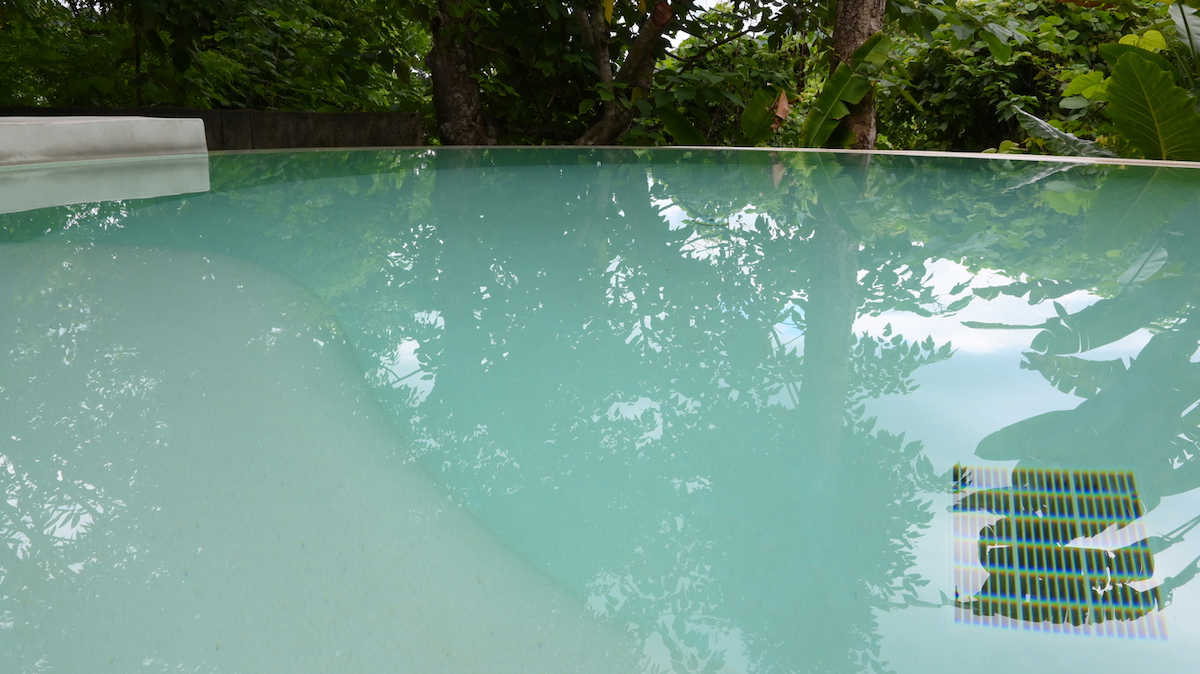
Cloudy pool water has a special talent for ruining your day. One minute your pool looks like a postcard from a resort brochure; the next, it looks like someone poured a gallon of skim milk into the deep end and walked away whistling. The go is usually fixable. The even better news? You do not need to become a full-time chemist, filter mechanic, or backyard wizard to solve it.
Cloudy pool water usually comes from one or more of these problems: low sanitizer, poor filtration, weak circulation, unbalanced water chemistry, debris, algae, heavy swimmer use, rain, or too many tiny particles floating around for your filter to catch. The trick is not to panic-buy every bottle on the pool-store shelf. The trick is to diagnose the problem in the right order.
This guide explains what causes cloudy swimming pool water, how to fix cloudy pool water step by step, and how to prevent that hazy mess from coming back like an uninvited cousin at a barbecue.
Is Cloudy Pool Water Safe to Swim In?
Usually, no. If the water is cloudy enough that you cannot clearly see the bottom of the pool, the main drain, or a swimmer in trouble, stay out until the water is clear again. Poor visibility is a safety issue, not just a cosmetic problem. Cloudy water can also signal weak sanitizer, poor filtration, algae growth, or a buildup of contaminants.
Even if the pool only looks “a little hazy,” test the water before swimming. Proper chlorine and pH levels are essential because chlorine works best within the right pH range. When pH climbs too high, chlorine becomes less effective. Translation: your pool may still smell like chemicals, but the germs are sending thank-you notes.
What Causes Cloudy Pool Water?
Cloudy pool water rarely has one single cause. It is usually a team effort, unfortunately led by Team Trouble. Below are the most common reasons your water turns dull, hazy, milky, or flat-out mysterious.
1. Low Free Chlorine
Free chlorine is the active sanitizer available to kill germs, oxidize organic waste, and keep algae from moving in and redecorating. When free chlorine drops too low, contaminants build up quickly. Sweat, sunscreen, leaves, pollen, dirt, rainwater, and heavy pool use can all consume chlorine.
A pool party is a classic example. Ten swimmers jump in, everyone wears sunscreen, the kids splash like caffeinated dolphins, and by the next morning the pool looks cloudy. That is not magic. That is chlorine demand.
For most residential pools, many pool-care professionals recommend keeping free chlorine around 1–4 ppm, though the correct target depends on pool type, stabilizer level, product label directions, and local guidance. If free chlorine is too low, cloudy water may appear fast.
2. High pH
pH measures how acidic or basic the water is. For comfortable, effective pool water, a common working range is about 7.2–7.8. When pH rises above the ideal range, chlorine becomes less efficient, scale can form, and the water may turn cloudy.
High pH often shows up as dull, whitish, or milky water. It may also come with scaling on tile, ladders, heaters, or salt cells. If your pool looks cloudy and your pH test is waving a tiny red flag, fix pH before throwing in more products.
3. High Total Alkalinity
Total alkalinity helps buffer pH, meaning it keeps pH from bouncing around like a ping-pong ball. But when alkalinity is too high, pH tends to drift upward, and cloudy water can follow. A typical residential pool target is often around 80–120 ppm, depending on the pool surface, sanitizer, and equipment.
High alkalinity can make water look flat or hazy. It can also make pH harder to control. If you keep lowering pH and it keeps climbing back up like it has unfinished business, alkalinity may be part of the problem.
4. High Calcium Hardness
Calcium hardness matters because pool water needs a proper mineral balance. Too little calcium can be aggressive to plaster and masonry surfaces. Too much calcium, especially combined with high pH or high alkalinity, can cause calcium carbonate to fall out of solution. That creates white or gray cloudiness and sometimes gritty dust on the floor.
Many residential pools do well around 150–400 ppm calcium hardness, but the ideal range depends on pool surface and water balance. In hard-water areas, calcium can creep upward after repeated evaporation and refill cycles. The water evaporates; the calcium stays behind like the guest who did not understand the party ended.
5. Poor Filtration
Your filter is the pool’s kidney. If it is dirty, undersized, damaged, clogged, or bypassing water, it cannot remove the fine particles that make water cloudy. Sand filters, cartridge filters, and D.E. filters can all produce clear water when maintained correctly, but each has its own personality.
A dirty cartridge may need a deep rinse or replacement. A sand filter may need backwashing or, in some cases, inspection for channeling. A D.E. filter may have torn grids or too much/too little D.E. powder. If cloudy water returns from the return jets, the filter system deserves a serious look.
6. Weak Circulation
Even a good filter cannot help if water is not moving through it long enough. Cloudy water often appears in “dead zones” where circulation is weak: steps, corners, behind ladders, or the deep end. If return jets are pointed poorly, baskets are clogged, valves are mispositioned, or the pump run time is too short, cloudy water can hang around.
During normal weather, many pools need roughly 8–12 hours of circulation per day, though pump size, pool volume, plumbing, temperature, and usage matter. When clearing cloudy water, running the pump continuously for a day or two is often helpful.
7. Algae Beginning to Grow
Cloudy water can be the first warning sign of algae, even before the pool turns green. Early algae growth may look dull, dusty, or slightly cloudy. If the pool walls feel slippery, the steps look tinted, or the water has a greenish glow, algae may be getting comfortable.
Algae usually appears when sanitizer drops, circulation is weak, brushing is neglected, or phosphates and organic debris provide fuel. Algaecide can help prevent algae in some routines, but active algae usually needs brushing, proper chlorine treatment, filtration, and patience.
8. Rain, Wind, Pollen, and Debris
Rain can dilute sanitizer, shift pH and alkalinity, and wash contaminants into the pool. Wind can drop dust, leaves, grass clippings, pollen, and tiny debris into the water. Spring pollen is especially dramatic. It enters the pool like it owns the mortgage.
After a storm, test the water, empty baskets, skim the surface, brush walls, vacuum debris, and run the filter longer than usual. Waiting three days and hoping the pool “sorts itself out” is a bold strategy, but your pool is not a self-cleaning oven.
9. Combined Chlorine and Chloramines
That strong “chlorine smell” many people notice at pools is often not a sign of too much clean chlorine. It is commonly linked to chloramines, which form when chlorine reacts with sweat, urine, body oils, and other nitrogen-containing waste. Chloramines can irritate eyes and skin and may contribute to cloudy water.
If total chlorine is much higher than free chlorine, combined chlorine is present. In that case, oxidation or breakpoint chlorination may be needed, following product directions and safe handling practices.
10. Too Many Pool Products at Once
Sometimes cloudy pool water happens because the owner tries to fix cloudy pool water too enthusiastically. Adding shock, algaecide, clarifier, phosphate remover, pH increaser, alkalinity increaser, and a mystery bottle from last summer can create chemical conflicts, foaming, cloudiness, or filter overload.
Pool care works best when you test, treat one problem at a time, circulate, retest, and avoid mixing chemicals. Your pool does not need a buffet. It needs a plan.
How to Fix Cloudy Pool Water Step by Step
Here is the practical cloudy pool water troubleshooting order. Follow it before reaching for clarifier or flocculant.
Step 1: Stop Swimming Until You Can See Clearly
If the pool floor is not visible, close the pool. This protects swimmers and gives your treatment time to work. A pool is not ready just because the water is blue. Blue and cloudy is still cloudy.
Step 2: Test the Water Properly
Test free chlorine, combined chlorine, pH, total alkalinity, calcium hardness, and cyanuric acid. Use a reliable liquid test kit, fresh test strips, a digital tester, or a professional water test. Old reagents and sun-baked test strips can give strange readings.
Write the numbers down. Guessing at pool chemistry is how people end up with expensive water soup.
Step 3: Clean the Pool Physically
Before adding chemicals, remove what you can see. Skim leaves and debris. Brush walls, steps, ladders, corners, and the waterline. Vacuum the floor slowly. Empty skimmer baskets and the pump basket.
This step matters because debris consumes chlorine and clogs filters. If leaves are rotting in the deep end, chlorine has to fight a swamp battle before it can clear the water.
Step 4: Check the Filter and Pump
Make sure the pump is primed, baskets are clear, valves are open, and water is flowing strongly. Clean or backwash the filter according to the manufacturer’s instructions. Watch the filter pressure gauge. A pressure rise over the clean starting pressure usually means the filter needs attention.
Cartridge filters should be rinsed carefully and occasionally deep-cleaned. Sand filters may need backwashing. D.E. filters need proper D.E. recharge after backwashing and should be inspected if powder returns to the pool.
Step 5: Balance pH and Alkalinity
Adjust pH and alkalinity before major chlorine treatment when possible. Chlorine performs better when pH is in range. If pH is high, use a pH reducer according to the label. If alkalinity is high, lowering it may require repeated pH adjustments and aeration, depending on your pool situation.
Do not add acid and chlorine at the same time or mix chemicals together. Add products separately, follow labels exactly, and store pool chemicals safely away from children, pets, moisture, and heat.
Step 6: Restore Sanitizer and Shock If Needed
If free chlorine is low, raise it to the proper level for your pool. If the water is very cloudy, algae is suspected, or combined chlorine is high, a shock treatment may be needed. Shock oxidizes contaminants and helps the sanitizer regain control.
Shock at dusk or night when possible, because sunlight can burn off chlorine faster. Run the pump while the treatment circulates. Do not swim until chlorine returns to the safe operating range on the product label and the water is clear.
Step 7: Run the Filter Continuously
After balancing and shocking, run the pump continuously until the water improves. For mild haze, improvement may appear within 24 hours. For severe cloudiness or algae cleanup, it may take several days of brushing, filtering, cleaning, and retesting.
Point return jets slightly downward and in the same general circular direction to improve movement. The goal is to send suspended particles toward the skimmer and filter instead of letting them lounge around in the deep end.
Step 8: Use Clarifier for Mild Cloudiness
Pool clarifier helps tiny particles clump into larger particles that the filter can catch. It works best when the water is already balanced, the filter is clean, and the pool is only mildly cloudy.
Clarifier is not a magic eraser. If chlorine is low, algae is growing, or the filter is dirty, clarifier may disappoint you with the confidence of a bad weather forecast. Use the correct dose. Too much clarifier can make things worse.
Step 9: Use Flocculant for Severe Cloudiness
Pool flocculant, often called floc, binds particles into heavy clumps that sink to the floor. Then you vacuum them to waste, bypassing the filter. Floc can clear a pool faster than clarifier, but it requires more work and water replacement.
Floc is not ideal for every system, especially if you cannot vacuum to waste. Cartridge filter owners should be careful because floc can clog cartridges if used incorrectly. Always follow product directions and equipment instructions.
Step 10: Retest and Repeat the Basics
Once the pool clears, test again. Balance pH, chlorine, alkalinity, calcium hardness, and stabilizer. Clean the filter again if needed. Cloudy water often traps debris in the filter, and the filter may need one final cleaning after the battle is won.
Why Is My Pool Cloudy After Shocking?
A pool can look cloudy after shock because the treatment killed or oxidized contaminants, leaving tiny particles suspended in the water. This temporary cloudiness may clear with filtration, brushing, and time. However, if the pool stays cloudy for more than a day or two, check these issues:
- The filter is dirty, undersized, or damaged.
- The pump is not running long enough.
- pH, alkalinity, or calcium hardness is too high.
- Algae is still present and consuming chlorine.
- Cyanuric acid is too high, making chlorine less effective.
- There are fine particles that need clarifier or flocculant.
In short, shock can be part of the fix, but it is not the whole fix. Think of shock as the superhero entrance. Filtration, brushing, and balanced water still have to do the cleanup scene.
How to Prevent Cloudy Pool Water
Prevention is easier than clearing a cloudy pool, just like brushing your teeth is easier than explaining to the dentist that you “forgot floss existed.” Here is the maintenance routine that keeps pool water clear.
Test Water Weekly, More Often During Heavy Use
Test chlorine and pH often, especially during hot weather, after parties, after storms, and when the pool is used heavily. Test alkalinity, calcium hardness, and stabilizer regularly. Keep a simple log so you can spot patterns before the water turns cloudy.
Keep the Filter Clean
Backwash sand and D.E. filters when needed. Rinse cartridges thoroughly. Replace worn cartridges, broken grids, or failing pressure gauges. A clean filter is one of the most underrated cloudy pool water fixes.
Brush and Vacuum Every Week
Brushing breaks up biofilm and algae before they become visible. Vacuuming removes debris before it decays and consumes chlorine. Do not rely only on a robotic cleaner if fine dust or algae is present; manual vacuuming may be needed.
Manage Swimmer Load
More swimmers mean more sunscreen, sweat, oils, hair products, and organic waste. Encourage a quick rinse before swimming, especially before parties. It may sound fussy, but a 60-second rinse can save your chlorine from a very bad afternoon.
Handle Rainstorms Quickly
After heavy rain, test the water, skim debris, empty baskets, brush surfaces, and run the pump. Rain does not just add water; it adds chaos. Treat the pool after the storm, not after the cloudiness has already built a vacation home.
Real-World Experiences: What Pool Owners Learn the Hard Way
Experience teaches pool owners one thing very quickly: cloudy pool water almost never clears because someone stared at it with disappointment. It clears when the basics are handled in the right order. Many homeowners learn this after the classic “Saturday party, Sunday fog” situation. The pool looks great all weekend, then Monday morning arrives and the water has the personality of a glass of watered-down milk. In that case, the usual suspects are sunscreen, sweat, heavy swimmer load, and chlorine that was used up faster than expected.
Another common experience is the “my chemicals are fine” mystery. A pool owner tests pH and chlorine, sees numbers that look acceptable, and wonders why the water is still hazy. The missing clue is often filtration. A cartridge may be packed with fine debris. A sand filter may need backwashing. A D.E. filter may have a torn grid. Sometimes the pump basket is clogged with leaves, or the return jets are aimed in a way that leaves the deep end barely moving. Chemistry can be perfect on paper while the filter is quietly taking a nap.
Then there is the “after shock cloud.” A homeowner shocks the pool and expects instant sparkle. Instead, the water gets cloudier. This can happen because shock oxidizes contaminants and leaves fine particles suspended. The pool may need 24–48 hours of continuous filtration, brushing, and maybe a clarifier if the haze is mild. The mistake is adding more and more products before the filter has time to work. Pool water often rewards patience. Annoying, yes. True, also yes.
Hard-water areas create another lesson. Pools that receive lots of refill water may slowly build calcium hardness. When calcium combines with high pH and high alkalinity, the water may turn cloudy white or gray. Owners sometimes keep adding shock, but the problem is not sanitation; it is water balance. Lowering pH, managing alkalinity, improving overall balance, and sometimes partially draining and refilling may be the real solution.
Saltwater pool owners have their own adventure. A salt chlorine generator can help maintain sanitizer, but it does not remove the need for testing. High pH is common in many salt pools, and scale can form in the cell or appear as white flakes. If the water gets cloudy, do not blame the salt system immediately. Test pH, chlorine, alkalinity, calcium hardness, stabilizer, and inspect the salt cell.
The biggest experience-based tip is this: do not chase clarity with random bottles. Start with testing. Clean the pool. Clean the filter. Balance pH and alkalinity. Restore chlorine. Run the pump. Brush. Retest. Only then reach for clarifier or flocculant. Cloudy pool water is frustrating, but it is also logical. Once you stop guessing, the pool usually starts cooperating.
Conclusion
Cloudy pool water is annoying, but it is not mysterious once you know what to check. Most cloudy pools come down to low chlorine, poor filtration, weak circulation, unbalanced pH or alkalinity, high calcium hardness, algae, debris, rain, or heavy swimmer use. The best fix is a calm, step-by-step approach: test the water, clean the pool, inspect the filter, balance chemistry, restore sanitizer, run circulation, and use clarifier or flocculant only when the basics are already handled.
Clear pool water is not about dumping in more chemicals. It is about helping the pool system do its job. Treat the cause, not just the cloud. Your reward is sparkling water, safer swimming, and the quiet satisfaction of knowing your backyard oasis no longer looks like a haunted aquarium.
Note: This article is written for web publication and is based on established pool-care and public-health guidance. Always follow product label directions, equipment manuals, and local safety rules when handling pool chemicals.