Note: This article is written in original, publish-ready American English and is synthesized from current manufacturer, retailer, building-material, and installation guidance for clear corrugated polycarbonate panels.
What Is a Clear Corrugated Polycarbonate Panel?
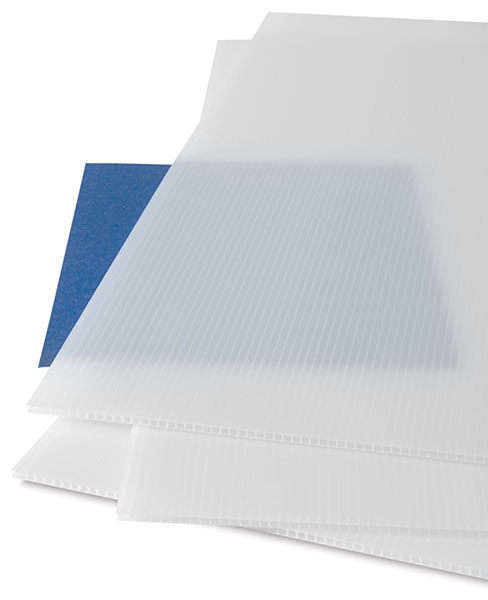
A clear corrugated polycarbonate panel is a lightweight, transparent roofing or siding sheet made from polycarbonate plastic and shaped with repeating ridges. Those ridges are not just there to look charmingly wavy like a potato chip with a construction degree. The corrugation adds stiffness, helps shed water, and allows the panel to span framing more effectively than a flat sheet of similar thickness.
These panels are commonly used for patios, pergolas, greenhouses, sheds, carports, lean-tos, deck covers, skylight sections, and bright outdoor work areas. They are especially popular when a homeowner wants weather protection without turning a cheerful backyard into a cave. In short, they let the sunshine in while keeping the rain out, which is a very civilized arrangement.
Polycarbonate itself is known for impact resistance, optical clarity, and flexibility. Compared with glass, it is lighter and much less likely to shatter. Compared with many older fiberglass roofing panels, clear polycarbonate typically offers better clarity, a cleaner modern look, and stronger resistance to cracking when properly installed. That is why clear corrugated plastic roofing has become a favorite for DIY projects and professional light-transmitting roof systems alike.
Why Clear Corrugated Polycarbonate Panels Are So Popular
They Bring in Natural Light
The main reason people choose clear corrugated polycarbonate panels is simple: daylight. A covered patio can feel open and bright instead of gloomy. A greenhouse can support plant growth. A shed can become usable without flipping on a light every time you need a rake. Clear panels often provide high visible light transmission, which makes them ideal for areas where brightness matters.
For patios and pergolas, the result is a space that still feels outdoors. You can read, grill, repot plants, or sip coffee while rain taps on the roof instead of your forehead. It is one of those home improvements that feels practical and slightly luxurious at the same time.
They Are Tough Without Being Heavy
Clear corrugated polycarbonate roofing panels are valued for their strength-to-weight ratio. The material is tough, but the panels are usually light enough for one or two people to handle during installation. This matters because wrestling heavy panels over your head is nobody’s idea of a relaxing Saturday.
The impact resistance of polycarbonate makes it a smart choice for outdoor structures exposed to falling branches, hail, wind-blown debris, or the occasional mystery object launched by a lawn mower. While no building material is magical, polycarbonate is far more forgiving than brittle clear materials.
They Resist Weather and UV Exposure
Quality clear corrugated polycarbonate panels usually include UV protection on the weather-facing side. This protective layer helps reduce yellowing, hazing, and material breakdown caused by sunlight. It also helps shield whatever sits beneath the roof, such as patio furniture, plants, tools, or that outdoor cushion set you promised yourself you would store properly this year.
Weather resistance is one of the biggest reasons these panels are used on greenhouses, carports, and patio covers. They can handle rain, sun, and temperature swings when installed according to the manufacturer’s instructions. Proper fastening, slope, overlap, and expansion spacing are essential for long-term performance.
Best Uses for Clear Corrugated Polycarbonate Panels
Patio Covers and Pergolas
A clear corrugated polycarbonate panel is a strong choice for a patio cover because it protects the space while preserving an airy feeling. Wood pergolas look beautiful, but by themselves they are more “decorative suggestion” than true rain protection. Add clear corrugated panels, and suddenly the pergola becomes useful in real weather.
For comfort, consider the direction of the sun. Clear panels allow plenty of light and can increase heat underneath during hot afternoons. In very sunny climates, a lightly tinted or opal panel may be more comfortable than fully clear material. However, for shaded yards, north-facing covers, or spaces where maximum daylight is the goal, clear panels are hard to beat.
Greenhouses and Garden Structures
Greenhouse builders love polycarbonate because it balances light, strength, and manageable installation. Clear corrugated polycarbonate panels work well for hobby greenhouses, cold frames, potting areas, and plant shelters. They help keep rain off delicate plants while still allowing sunlight to enter.
For serious greenhouse performance, gardeners may also compare corrugated panels with multiwall polycarbonate sheets. Multiwall sheets offer better insulation, while corrugated clear panels often provide a lower-cost, simpler, and brighter solution. The best choice depends on the climate, plant types, budget, and whether the greenhouse is a weekend hobby or a tomato empire in the making.
Sheds, Carports, and Lean-Tos
Sheds and lean-tos benefit from clear corrugated panels because they often need light more than insulation. A few clear roof sections can transform a dark storage shed into a workspace where you can actually find the screwdriver you bought three times.
Carports also use clear or translucent polycarbonate panels to protect vehicles while keeping the structure visually light. For sidewalls, clear corrugated panels can block wind-driven rain while maintaining visibility. This is useful for utility areas, animal shelters, covered walkways, and backyard storage zones.
Clear Polycarbonate vs. PVC, Fiberglass, Acrylic, and Glass
Polycarbonate vs. PVC Panels
PVC roof panels are affordable and useful for many light-duty projects, but polycarbonate is generally the tougher choice for impact resistance and long-term clarity. PVC may be more flexible and economical, while polycarbonate is preferred when the project needs better durability, strength, and a premium clear appearance.
Polycarbonate vs. Fiberglass Panels
Fiberglass panels have been used for decades in barns, sheds, and industrial roofing. They can be durable, but older fiberglass panels often become yellowed or rough over time. Clear corrugated polycarbonate panels usually look cleaner and more modern, especially in residential patios and greenhouses.
Polycarbonate vs. Acrylic Sheets
Acrylic is known for excellent clarity, but polycarbonate usually wins when impact resistance matters. Acrylic can crack more easily under stress or impact. Polycarbonate is better for roof panels, especially where hail, branches, or installation handling could be concerns.
Polycarbonate vs. Glass
Glass is beautiful, rigid, and highly transparent, but it is heavy and breakable. It also requires stronger framing and more careful installation. Clear corrugated polycarbonate offers a more DIY-friendly alternative. It is lighter, safer to handle, and less likely to shatter. Glass may still be preferred for luxury architectural glazing, but for patios, sheds, and greenhouses, polycarbonate often makes more practical sense.
Key Features to Look For Before Buying
Panel Thickness
Corrugated polycarbonate panels are available in different thicknesses. Thicker panels are usually stronger and may feel more rigid during installation. Thin panels can work for smaller structures, but they need proper support and fastening. Always match panel thickness to your project, climate, and framing spacing.
UV-Protected Side
Most quality panels have a UV-protected side that must face the sun. This is not a casual suggestion. Installing the panel upside down can shorten its life and cause yellowing or brittleness. Manufacturers often print labels or protective film markings on the UV side. Read them before peeling anything off, because guessing is a bold strategy and not always a successful one.
Panel Profile
Corrugated panels come in different wave or rib profiles. Matching the panel profile with compatible closure strips, fasteners, and flashing is important. If you mix random panels and accessories, you may create gaps where insects, wind, and rain can throw a tiny house party.
Light Transmission and Heat Control
Clear panels maximize brightness, but they can also allow more heat. If the roof covers a sitting area in a hot climate, consider whether clear, opal, bronze, gray, or solar-control panels would be better. For a greenhouse, clear may be ideal. For a west-facing patio in Arizona, a tinted option may save your guests from becoming decorative toast.
Installation Tips for Clear Corrugated Polycarbonate Panels
Start With the Right Roof Slope
Clear corrugated polycarbonate panels need a proper slope so water can drain. A flat installation invites leaks, dirt buildup, and puddling. Follow the panel manufacturer’s minimum pitch recommendations. For most outdoor roof projects, more slope is better than barely enough slope.
Use Compatible Fasteners
Use screws designed for corrugated plastic roofing, usually with neoprene or rubber washers. These washers help seal the fastening points. Do not overtighten the screws. Overtightening can crush the panel, restrict expansion, or create stress cracks. The washer should sit snugly, not look like it lost a wrestling match.
Allow for Expansion and Contraction
Polycarbonate expands and contracts with temperature changes. This is normal, but the installation must allow movement. Many installation guides recommend drilling oversized holes and fastening through the crown of the corrugation for roofing applications. Follow the specific instructions for your panel brand and profile.
Overlap Panels Correctly
Side laps and end laps help prevent leaks. The required overlap depends on the panel profile, roof pitch, wind exposure, and manufacturer guidance. In general, panels should overlap in the direction that keeps wind-driven rain from entering. Planning the layout before cutting reduces waste and prevents the classic “one inch short” tragedy.
Use Closure Strips and Flashing
Closure strips support the corrugated shape and block gaps at the ends of panels. Flashing helps seal edges, wall connections, and transitions. These accessories may not look exciting in the shopping cart, but they are the quiet heroes of a dry roof.
Maintenance: Keeping Panels Clear and Good-Looking
Clear corrugated polycarbonate panels are relatively low maintenance, but they are not self-cleaning superheroes. Dust, pollen, leaves, bird activity, and tree sap can collect on the surface. Clean panels with mild soap, lukewarm water, and a soft cloth or sponge. Avoid abrasive pads, harsh solvents, and strong chemicals unless the manufacturer specifically approves them.
Inspect the roof after storms. Look for loose fasteners, damaged washers, debris trapped in valleys, and branches rubbing against the surface. Trim nearby limbs when possible. A branch scraping the same spot for months can dull the finish and make unpleasant noises during windy nights, as if your patio roof is trying to communicate in haunted-house language.
Common Mistakes to Avoid
Installing the UV Side Down
This is one of the most common and costly mistakes. The UV-protected side belongs facing outward toward the sun. Check labels before installation and keep track of orientation as you cut and position panels.
Using the Wrong Fasteners
Standard screws without sealing washers can leak. Fasteners that are too tight can damage the panel. Fasteners that are too loose can allow rattling or water entry. Use the recommended hardware and spacing.
Skipping Support Under the Panels
Clear corrugated polycarbonate panels need proper framing. If supports are too far apart, panels may flex, sag, or make noise in the wind. Follow span recommendations and local building requirements.
Cleaning With Abrasives
Polycarbonate is tough against impact, but the surface can scratch. Do not use steel wool, gritty cleaners, or aggressive brushes. Treat the surface like a window, not a cast-iron skillet.
Cost and Value Considerations
The cost of clear corrugated polycarbonate panels varies by brand, thickness, length, profile, UV protection, and warranty. Accessories also matter. Screws, closure strips, flashing, sealants, and framing can add significantly to the total project cost.
However, value is not only about the panel price. A slightly better panel with strong UV protection, compatible accessories, and a clear warranty can be cheaper over time than a bargain panel that yellows, cracks, or leaks early. For small projects, saving a few dollars per sheet may not be worth sacrificing durability.
For homeowners, the best value often comes from choosing a reputable panel system rather than mixing random materials. Panels, fasteners, closure strips, and flashing should work together. Roofing is one of those projects where “close enough” has a sneaky way of becoming “why is there water on my chair?”
Practical Buying Checklist
- Choose clear panels for maximum daylight and tinted panels for more shade.
- Confirm the panel has UV protection for outdoor use.
- Match the corrugation profile with compatible closure strips.
- Check the recommended support spacing and roof slope.
- Buy proper screws with sealing washers.
- Plan overlaps before cutting panels.
- Read the warranty and installation instructions before starting.
Real-World Experience With Clear Corrugated Polycarbonate Panels
Working with clear corrugated polycarbonate panels is usually friendly enough for a careful DIYer, but the project rewards planning. The first experience many homeowners notice is how light the panels feel. Compared with metal roofing or glass, polycarbonate is easy to move around the yard, lift onto framing, and adjust into position. That does not mean the panels are flimsy; it means they are practical. On a breezy day, however, a long panel can behave like a transparent sail, so having a helper is wise unless you enjoy chasing building materials across the lawn.
Cutting the panels is another area where preparation makes the job smoother. Many panels can be cut with common tools, depending on thickness and manufacturer instructions. The trick is to support the sheet well, use the right blade, and avoid rushing. A clean cut looks professional and helps panels overlap correctly. A rushed cut looks like it was performed by a raccoon with ambition.
During installation, the biggest lesson is not to overtighten fasteners. Beginners often assume tighter means better. With polycarbonate roofing, snug is better. The panel needs to be held securely while still allowing small movements from temperature changes. If the screw washer begins to deform dramatically, it is probably too tight. This small detail can make the difference between a roof that lasts and a roof that develops stress points.
Another practical experience is how much brighter a covered space becomes. A patio roof made with clear corrugated polycarbonate can feel almost like a sunroom without walls. Morning light comes through beautifully, and plants underneath often appreciate the brightness. Under strong afternoon sun, though, the area can become warm. This is not a defect; it is simply physics being annoyingly consistent. In hot climates, shade cloth, ventilation, tinted panels, or partial coverage can improve comfort.
Cleaning is simple, but it should be gentle. A soft brush, mild soap, and water usually do the job. Homeowners who place panels under trees should expect more maintenance because leaves and pollen collect in the corrugations. Occasional rinsing keeps the panels looking clear and helps prevent organic debris from sitting too long on the surface.
Over time, the most satisfying part of using clear corrugated polycarbonate panels is the balance between function and appearance. They do not make a backyard structure feel heavy. They protect useful spaces without blocking daylight. They can turn an underused patio, shed, or garden corner into a place that works in more seasons and more weather conditions. The project may not make you famous, but it may make you the person in the neighborhood who can grill during a drizzle. Honestly, that is a respectable title.
Conclusion
A clear corrugated polycarbonate panel is one of the most practical materials for homeowners who want natural light, weather protection, and long-lasting outdoor performance. It is strong, lightweight, visually clean, and versatile enough for patios, greenhouses, sheds, carports, and garden structures. The corrugated shape adds strength, while the clear polycarbonate surface keeps spaces bright and inviting.
The key to success is choosing the right panel for the job and installing it correctly. Pay attention to UV protection, panel profile, fastener type, roof slope, support spacing, overlap, and expansion allowance. A well-installed clear corrugated polycarbonate roof can make outdoor areas more useful, more comfortable, and much more enjoyable. Plus, it gives you the rare pleasure of hearing rain overhead while staying completely dry, which is basically nature’s background music with better seating.