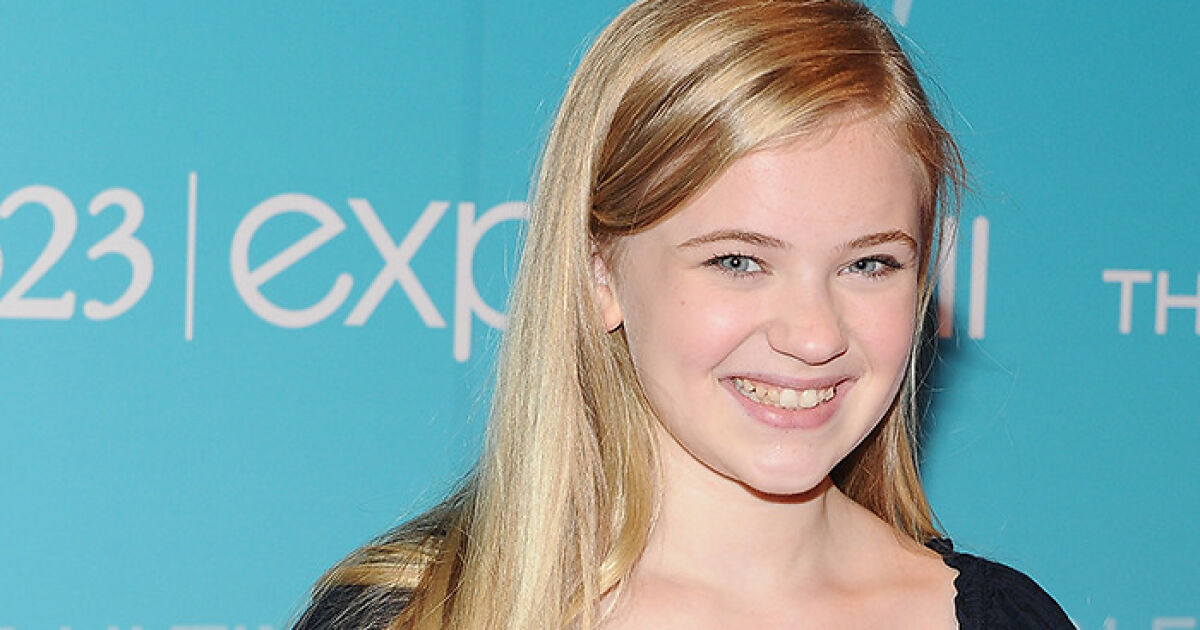
Every few months, the internet rediscovers that children grow up. Shocking, yes. Alert the group chat. This time, the conversation centers on former Disney Channel actress Sierra McCormick, best known to many millennials and Gen Z viewers as Olive Doyle on A.N.T. Farm. Recent photos of the actress, now in her late twenties, show a sharper, edgier look: red-toned hair, darker makeup, punk-inspired styling, and a far cry from the bright-eyed Disney sitcom image fans remember.
That would be a normal adult transformation under normal circumstances. People change their hair. They change their clothes. Some of us survived side bangs, neon skinny jeans, and the emotional earthquake of Tumblr aesthetics. But when the person changing is a former child star, the reaction gets heavier fast. Fans did not just say McCormick looked different. Many began connecting her transformation to what they called a “sinister” Disney pattern: young performers becoming famous as squeaky-clean kids, then later appearing to reject that image in dramatic ways.
The phrase sounds dramatic because the internet has never met a mild adjective it could not replace with a haunted-house one. Still, underneath the exaggeration is a real question worth asking: why do so many former child stars seem to struggle with identity, public judgment, mental health, and reinvention after growing up on camera?
Who Is Sierra McCormick, And Why Are Fans Talking?
Sierra McCormick built her early career through a mix of family entertainment, sitcom work, and genre roles. She appeared on shows such as Supernatural and gained mainstream recognition as Olive Doyle, the brainy, quirky student with an unforgettable memory on Disney Channel’s A.N.T. Farm. For many viewers, Olive remains frozen in time: colorful outfits, school comedy chaos, and the wholesome rhythm of early-2010s Disney Channel.
But McCormick did not stay inside that frame. After Disney, she moved into indie films, thrillers, and horror projects, including The Vast of Night, We Need to Do Something, and American Horror Stories. That career path is not a meltdown. It is a résumé. If anything, it suggests an actor making deliberate choices to explore darker, stranger, more adult material.
The “unrecognizable transformation” label says as much about fans as it does about McCormick. Audiences often cling to the version of a performer they first loved. When that performer grows up, gets tattoos, dyes their hair, plays disturbing characters, or simply stops dressing like a Disney wardrobe department approved every outfit, people interpret normal adulthood as a shocking plot twist.
The So-Called “Disney Pattern”: Real Concern Or Internet Panic?
The concern is not entirely imaginary. Former Disney and Nickelodeon stars have spoken openly about the pressures of childhood fame. Demi Lovato has discussed the emotional toll of being expected to become a role model while still figuring out life as a teenager. Selena Gomez has described the pressure of growing up publicly and needing to reclaim her own story. Alyson Stoner has written powerfully about the “toddler-to-trainwreck” pipeline and the way child entertainers can be pushed into adult responsibilities before they have adult tools. Zendaya has also spoken about having a complicated relationship with child acting, even while expressing gratitude for her career.
These are not conspiracy theories. They are public reflections from people who lived inside the machine. Child stardom can combine money, fame, criticism, adult expectations, long workdays, brand control, and constant public commentary. That is a lot to place on a developing person, especially when the world keeps asking them to be adorable, grateful, marketable, and controversy-free before they are old enough to rent a car.
However, it is also unfair to treat every former Disney star’s new haircut or bold outfit as evidence of personal distress. Sometimes a red bob is just a red bob. Sometimes heavy eyeliner is not a cry for help; it is a beauty choice. Adults are allowed to evolve without the internet holding a tiny magnifying glass over their pores and whispering, “This must mean something.”
Why Former Child Stars Often Reinvent Themselves
They Need To Break The Character Spell
Child actors become associated with a specific role at the exact age when most people are still discovering their own taste, voice, and personality. A former Disney star may spend years being called by a character name instead of their own. Reinvention becomes a way to say, “I am not the person you watched after school while eating cereal out of a mixing bowl.”
Miley Cyrus is probably the most famous example. Her post-Hannah Montana evolution was loud, messy, creative, controversial, and impossible to ignore. Critics called it rebellion. Fans called it freedom. The truth was likely more complicated: a young woman separating herself from a role that had become bigger than her private identity.
They Are Fighting The “Perfect Kid” Brand
The Disney Channel image is built on warmth, optimism, and family-friendly polish. That is not automatically bad. Many of those shows made viewers feel seen, safe, and entertained. But when a teenager becomes a corporate symbol of goodness, the pressure can be suffocating. Mistakes stop being mistakes and become headlines. Dating becomes discourse. Growing up becomes a scandal.
That is why some former child stars later lean into edgier fashion, darker roles, or more candid public personas. It is not always self-destruction. Often, it is overcorrection after years of being packaged like a lunchbox.
They Want Adult Work, Not Nostalgia Employment
Actors who begin in children’s television face a practical career problem: casting directors and audiences may struggle to see them as adults. Taking horror roles, indie films, thrillers, or morally complicated characters can be a strategic move. It says, “I can do more than deliver sitcom punchlines next to a locker.”
McCormick’s move toward genre work fits this pattern. Horror and indie film often give former child actors room to experiment. The budgets may be smaller, but the creative freedom can be bigger. For someone trying to build a serious adult career, that trade-off can be worth it.
When Fan Concern Becomes A Problem
Concern can be kind. It can also become a cage. When fans project tragedy onto every former child star, they risk turning real people into cautionary memes. “Look what Disney did to her” may sound sympathetic, but it can also erase the person’s agency. It assumes the adult performer is damaged simply because she no longer matches a childhood image.
This is especially unfair to women. Female child stars often receive harsher judgment when they change their appearance, express sexuality, or reject sweetness. A male actor can grow a beard, wear black, and star in crime dramas, and people call it range. A woman does the same thing and suddenly the internet acts like it found a secret door under Disneyland.
The better question is not, “What happened to her?” It is, “Why do we think we are entitled to a permanent version of someone we watched when they were thirteen?”
The Real Issues Behind Child Stardom
Even if McCormick’s transformation should not be treated as a crisis, the wider child-star conversation deserves serious attention. The entertainment industry has long wrestled with how to protect minors. California requires entertainment work permits for minors and has rules around sexual harassment prevention training for certain young performers. Coogan laws and similar trust-account requirements were created to protect a portion of child performers’ earnings. Programs such as Looking Ahead support young performers and their families with education, counseling, and community.
Those safeguards matter, but they do not solve everything. A work permit cannot fully protect a child from online cruelty. A blocked trust account cannot teach a teenager how to handle millions of strangers commenting on their body. A parent on set may not always understand the psychological costs of fame. And social media has made the problem even trickier because today’s young performers are not only actors on sets; they are influencers, singers, dancers, streamers, and viral personalities whose childhoods can become content.
That is why many former child stars now call for stronger mental health support, better financial education, clearer boundaries, and adults who prioritize the child over the brand. The old attitude of “that’s show business” is not good enough. Children are not tiny corporations with backpacks.
Specific Examples That Explain The Concern
Alyson Stoner, known for Disney projects and major dance work, has spoken about the physical and emotional toll of early fame, including eating disorders and the need for better support systems. Demi Lovato’s documentary Child Star brought together former young performers to examine the highs and lows of growing up in entertainment. Raven-Symoné has talked about maturing in public and learning to present herself on her own terms after years of brand expectations. Bella Thorne has described troubling experiences from childhood auditions and the pressure of being sexualized or misunderstood at a young age. Zendaya, often seen as one of the most successful Disney-to-adult-career transitions, has still acknowledged that figuring out who you are in front of the world is complicated.
These examples show why fans react strongly. They have seen enough former child stars describe pain to know the industry can be harsh. But examples should lead to compassion and reform, not automatic diagnosis. We can hold two truths at once: childhood fame can be damaging, and an adult woman changing her look is not proof that she is damaged.
Why Sierra McCormick’s Transformation May Actually Be Healthy
Viewed without panic goggles, McCormick’s transformation can look like artistic growth. She has moved from a family sitcom persona into darker, more experimental roles. She appears comfortable exploring fashion that does not match her Disney past. She has not been defined by public scandal. She has simply continued working, changing, and choosing roles that stretch her abilities.
That is not sinister. That is adulthood with better lighting and possibly stronger eyeliner.
Fans may feel startled because the gap between memory and reality is wide. The child they remember from television is now a grown performer with different tastes, different goals, and a different face because time, famously, refuses to ask permission. But the shock does not mean something is wrong. It may mean the audience needs to update its mental software.
What Fans Should Do Instead Of Panicking
First, stop treating transformation as tragedy. Former child stars deserve the same freedom everyone else gets: to experiment, look awkward, look amazing, change styles, change careers, and decide what parts of themselves they want to show.
Second, support better industry protections without turning every individual into evidence. Advocate for mental health resources, financial safeguards, safe sets, responsible management, and limits on exploitative child influencer content. Those are useful conversations. Commenting “she looks ruined” under someone’s photo is not activism; it is just gossip wearing a fake mustache.
Third, let performers age. Nostalgia is sweet, but it can become possessive. The actors who shaped childhood memories are not required to keep living inside those memories. They gave audiences a character. They do not owe audiences permanent access to their childhood selves.
Experience: Watching Child Stars Grow Up In Public
For anyone who grew up with Disney Channel, Nickelodeon, or Saturday-morning reruns, seeing a former child star transform can feel oddly personal. You remember the theme song. You remember the catchphrases. You remember watching episodes in pajamas, probably while eating cereal that was 40 percent sugar and 60 percent cartoon marketing. Then years pass, and the same actor appears online looking like a completely different person. Suddenly, your brain short-circuits. “Wait, Olive from A.N.T. Farm is doing horror now? Wasn’t she just in middle school?” No, friend. You were just younger. Please hydrate.
The emotional reaction is understandable. Childhood entertainment becomes part of a viewer’s identity. Those shows played in bedrooms, living rooms, after-school routines, sleepovers, and sick days. Child stars were not just actors; they were companions through awkward years. So when they change, it can feel like a piece of your own past has changed too. That is why people say “unrecognizable” with such intensity. They are not only describing the actor. They are describing the distance between who they were then and who they are now.
But that experience should create empathy, not ownership. Imagine if someone judged you forever based on your seventh-grade yearbook photo. Imagine being told you “changed too much” because you stopped dressing like your middle-school self. Most adults would immediately request legal protection from that level of nonsense. Former child stars live with a global version of it.
The healthiest way to process these transformations is to separate nostalgia from reality. Nostalgia says, “I miss the character.” Reality says, “The actor is a grown person.” Nostalgia says, “This makes me feel old.” Reality says, “Yes, time has passed; please do not blame Sierra McCormick’s haircut for the linear nature of existence.”
There is also a lesson for parents and young performers. Fame can look glamorous from the outside, but the stories shared by former child stars show that early success needs strong support. Children need adults who protect their money, education, mental health, privacy, and right to be imperfect. They need room to fail without becoming a headline. They need people around them who can say no to the machine, even when the machine is offering fame, money, and a sparkly contract.
For fans, the experience should inspire more thoughtful media habits. Do not reward invasive paparazzi content. Do not mock a former child star for aging. Do not turn concern into public shaming. Celebrate the work. Respect the boundaries. Let reinvention be normal. If a performer wants to talk about trauma, listen. If they simply want to post a bold new look and keep moving, let them.
Sierra McCormick’s transformation shocks fans because it collides with a broader cultural memory of child stars who struggled after fame. That concern is rooted in real history, but it should be handled with care. The goal should not be to freeze former Disney actors in childhood or treat every edgy outfit like a warning siren. The goal should be to build an entertainment culture where young performers can grow into adults safely, creatively, and without the internet acting like their hair dye needs a congressional hearing.
Conclusion
Sierra McCormick’s “unrecognizable” look has reopened a familiar debate about child stardom, Disney fame, and the cost of growing up in public. The concern is understandable because many former child performers have described real pressure, emotional strain, and identity confusion. Yet McCormick’s evolution should not be reduced to a scary headline. Her shift into darker roles and bolder style can be read as creative independence, not collapse.
The real issue is bigger than one actress. It is about how audiences consume young performers, how studios protect them, how families support them, and how the public reacts when they become adults. Child stars deserve safeguards when they are young and freedom when they grow up. Fans can care without diagnosing, remember without possessing, and criticize the system without turning a woman’s personal style into evidence of disaster.
Note: This article is based on publicly reported information, public interviews, and widely discussed entertainment-industry context. It does not claim proof of wrongdoing by Sierra McCormick, Disney, or any named individual, and it should not be read as a medical or psychological diagnosis.