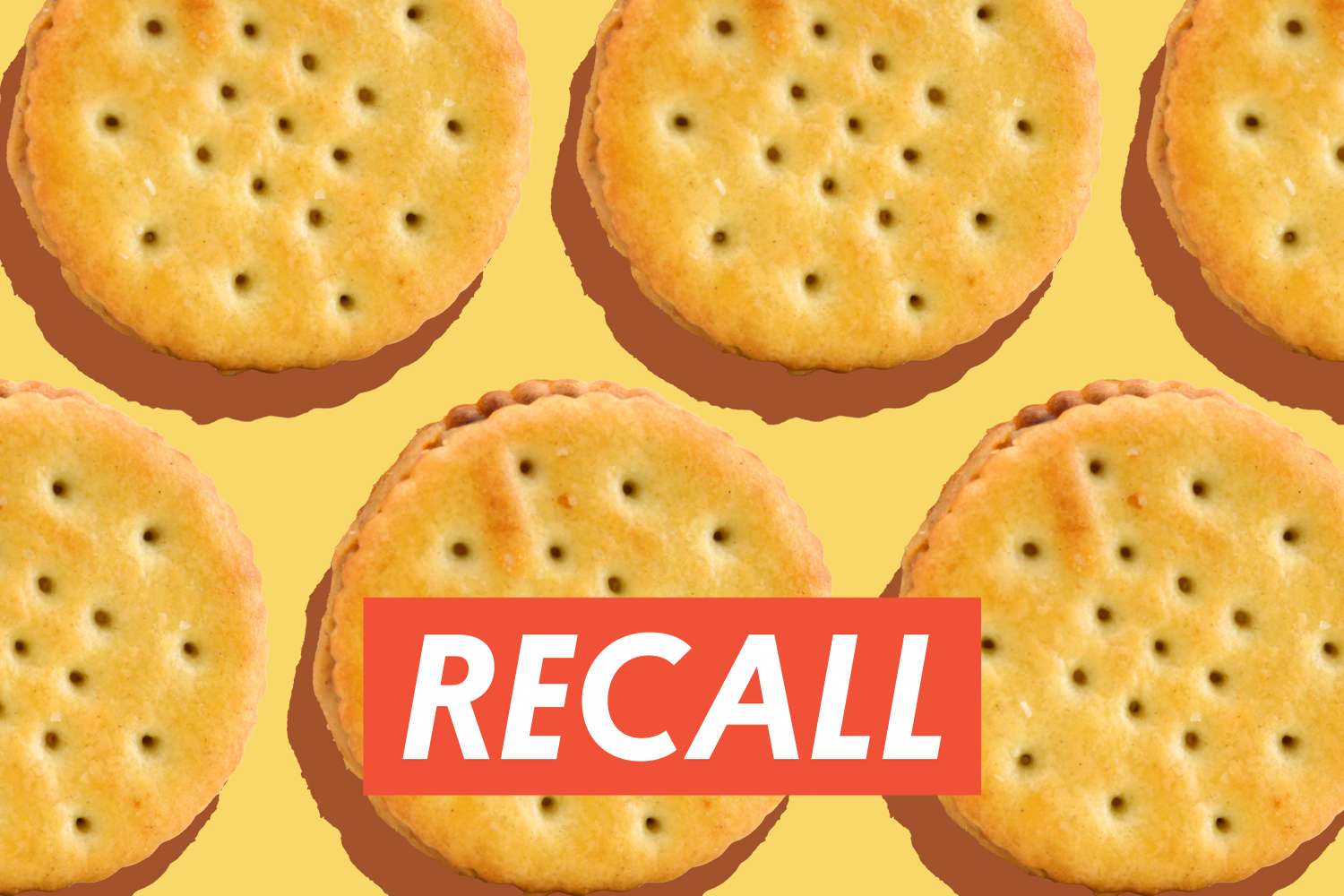
There are few betrayals more dramatic than a snack that is not what it claims to be. One minute, you think you are grabbing a simple cracker sandwich. The next, you are squinting at a box like it just confessed to identity theft. That is exactly why the RITZ cracker recall got so much attention: this was not a minor typo or a boring packaging hiccup. It involved a potentially dangerous allergen mix-up, and for families dealing with peanut allergies, that kind of mistake can turn snack time into an emergency.
The recall centered on RITZ Peanut Butter Cracker Sandwiches that were sold in cartons labeled correctly on the outside, but some of the individually wrapped packs inside may have been mislabeled as the cheese variety. In other words, the outer box knew the truth, but the inner packaging was apparently freelancing. That matters because peanut allergy is one of the most common and most serious food allergies in the United States, and even a small labeling error can create major risk.
If you have RITZ crackers in your pantry, this is the kind of story worth reading before your next grocery cleanup. Here is what happened, why it matters, what products were affected, and what smart shoppers should do now.
What Happened in the RITZ Recall?
In July 2025, Mondelēz Global LLC announced a voluntary U.S. recall covering four carton sizes of RITZ Peanut Butter Cracker Sandwiches. The affected products were manufactured in the United States and sold nationwide. The issue was not that the outer cartons were missing an allergen statement. Those cartons were labeled correctly and indicated the presence of peanuts. The problem was inside the box: some individually wrapped packs may have been incorrectly labeled as the cheese variety even though they actually contained peanut butter.
That mismatch created a serious risk for anyone relying on the inner wrapper while grabbing a quick snack, tossing crackers into a lunch bag, or handing a pack to a child, student, guest, or coworker. For people with a peanut allergy or severe sensitivity, the wrong wrapper is not an inconvenience. It is a hazard.
Later in 2025, a separate limited recall was announced for one RITZ Peanut Butter Cracker Sandwich SKU shipped to eight states: New York, New Jersey, Pennsylvania, Georgia, Arkansas, Missouri, Oklahoma, and Alabama. That action covered 70 cases and involved two specific code dates. It was not described as an expansion of the earlier nationwide recall, but it did reinforce the same bigger message: consumers cannot assume every package in the pantry is harmless just because the brand is familiar.
Which RITZ Products Were Affected?
Nationwide recall announced in July 2025
The broader recall included these carton sizes:
- RITZ Peanut Butter Cracker Sandwiches 8-pack
- RITZ Peanut Butter Cracker Sandwiches 20-pack
- RITZ Peanut Butter Cracker Sandwiches 40-pack
- RITZ Filled Cracker Sandwich Variety Pack 20-pack
The most important identifiers were the UPC codes, plant codes, and “Best When Used By” dates. The recalled products were tied to date ranges in November 2025 and January 2026, depending on the carton size. Consumers were told that cartons containing only RITZ Cheese Cracker Sandwiches were not part of the recall, and that products with different dates or plant codes were not affected.
Limited recall announced later in 2025
The later, narrower action focused on a 27.6-ounce RITZ Peanut Butter Cracker Sandwiches 20-count carton with UPC 44000 07584 2 and “Best When Used By” dates of January 8, 2026, and January 15, 2026, with AE plant code. That limited recall affected products shipped to a select group of states and was issued out of caution after 70 cases were inadvertently distributed.
The lesson here is simple: brand name alone is not enough. With recalls, the small print is the whole plot twist. UPC codes, date stamps, and plant codes are not decoration. They are the difference between “safe to keep” and “time to toss.”
Why This Allergen Mix-Up Is a Bigger Deal Than It Sounds
Food recalls happen for lots of reasons, but allergen recalls hit differently because the product may look perfectly normal. There is no strange smell, no odd texture, no dramatic warning soundtrack in the kitchen. A mislabeled peanut product can look like an everyday snack right up until someone has a reaction.
Peanut is one of the major allergens that food labels are supposed to clearly identify. The FDA’s allergen-labeling rules exist for exactly this reason: consumers with allergies need accurate labeling to make safe decisions. A package that says “cheese” while containing peanut butter can defeat the whole purpose of that system at the moment a person is actually eating the food.
And this is not a niche problem affecting twelve people and one nervous lunch monitor. Food Allergy Research & Education has reported that about 33 million Americans have at least one food allergy. The organization also notes that food allergy affects about one in 13 children. Peanut allergy is among the most common food allergies, and it can trigger reactions ranging from hives and swelling to full-blown anaphylaxis.
That is why this recall received so much attention. The issue was not whether the crackers tasted okay. The issue was whether a consumer could trust the label enough to avoid a medical emergency.
What Symptoms Make Peanut Exposure So Dangerous?
Peanut allergy symptoms can vary, which is part of what makes accidental exposure so stressful. Some people may have itching, hives, swelling, stomach pain, vomiting, or coughing. Others can experience more severe symptoms such as breathing trouble, throat swelling, dizziness, fainting, or a sudden drop in blood pressure. That most severe reaction is called anaphylaxis, and it requires immediate treatment.
Medical organizations such as the American College of Allergy, Asthma & Immunology emphasize that anaphylaxis should be treated right away with epinephrine. This is not the moment for internet myth-busting, wishful thinking, or the classic “let’s just wait and see.” When peanut exposure happens in someone with a known allergy, fast action matters.
That is also why households managing food allergies often become label-reading professionals. They inspect ingredient lists like detectives, compare packaging, avoid cross-contact, and keep emergency medication nearby. To everyone else, that may look intense. To them, it is Tuesday.
What Should You Do If You Have the Recalled Crackers?
First, do not panic and throw out every cracker product you own like you are staging a dramatic pantry cleanse on reality TV. Start by checking the product carefully. Look at the carton size, UPC, plant code, and date stamp. If it matches the recalled product information, do not eat it if you or anyone in your household has a peanut allergy.
Second, discard the recalled item as directed. Do not donate it, do not put it in the office snack bin, and do not hand it to a neighbor with a cheerful “I am avoiding carbs this week anyway.” A recalled allergen product should leave circulation, not begin a second career in someone else’s kitchen.
Third, if someone with a peanut allergy may have eaten the product and begins showing symptoms of a reaction, follow that person’s emergency care plan. If epinephrine has been prescribed, it should be used as directed, and emergency medical help should be sought right away.
Finally, keep the habit going even after this specific recall fades from the headlines. Read labels every time, especially when buying multi-packs, variety packs, or foods with inner wrappers. Recalls are a reminder that packaging errors can happen even with major brands.
What This Recall Says About Food Labeling and Consumer Trust
The most frustrating part of an allergen recall is that it chips away at trust. Consumers are told to read labels, and that is good advice. But recalls like this reveal the uncomfortable truth that labeling systems are only as strong as the accuracy behind them.
In this case, the outside of the box was right, but the inside wrapper may have been wrong. That kind of inconsistency is exactly the sort of thing that can catch a tired parent, rushed commuter, school staff member, or babysitter off guard. You do not always eat directly from the carton. You grab one pack and go. That is why the inner package matters so much.
The recall also highlights how important supplier controls and packaging quality checks are. Reports on the July 2025 recall said the error was linked to defective film packaging rolls from a supplier. That detail may sound technical, but it points to a very human consequence: a tiny failure somewhere in the production chain can create a very large problem at snack time.
A Smart Pantry-Check Routine After Any Recall
If you want to be the organized hero of your kitchen, use this quick routine any time a food recall pops up:
- Check the exact brand, product type, UPC, and date code.
- Inspect both the outer packaging and any individually wrapped packs inside.
- Separate suspect products from safe items immediately.
- Discard recalled products instead of sharing or donating them.
- Review emergency medication and allergy plans if your household manages food allergies.
- Keep one trusted source for recall updates so you are not relying on random social media panic.
That routine may sound simple, but in a busy household, simple is good. Fancy systems are nice. Systems people actually use are better.
Real-Life Experiences Around a Recall Like This
The most relatable part of a story like this is not the corporate language in the recall notice. It is the ordinary moment when someone opens the pantry and realizes the news just got personal. Maybe it is a parent packing school lunches before sunrise, moving at the speed of caffeine and hope. Maybe it is a college student digging through a shared apartment cabinet full of mystery snacks, old granola bars, and one jar of peanut butter that has somehow survived three roommates and a minor lease crisis. Maybe it is an office manager filling the break room basket, trying to do something nice for the team and not accidentally launching a workplace allergen scandal.
For households dealing with peanut allergies, a recall like this lands with a very specific kind of frustration. These families already do a tremendous amount of careful planning. They read ingredient lists, double-check labels, explain allergies to teachers and relatives, carry emergency medication, and ask the awkward but necessary questions at parties, school events, and restaurants. So when a familiar brand ends up in a recall because cheese-labeled packs may actually contain peanut butter, it feels less like a random mistake and more like the rules of safe shopping suddenly shifted under their feet.
Even for people without a diagnosed allergy, the experience can be surprisingly eye-opening. A shopper may have never paid attention to a UPC code in their life, then suddenly they are standing under kitchen lights comparing digits like they are trying to crack a treasure map. A grandparent who keeps snacks for visiting kids may realize that “I bought the usual crackers” is not enough information anymore. A babysitter may learn that the outer carton and the inner pack can tell different stories. A teacher restocking a classroom snack drawer may decide that individually wrapped convenience is not so convenient if the wrong wrapper is the entire problem.
Then there is the emotional side. Recalls create a weird mix of annoyance and gratitude. Annoyance because nobody wants to audit a pantry after buying food in good faith. Gratitude because the recall means the issue was caught and publicly announced before more people got hurt. That is the strange rhythm of consumer safety: the warning is inconvenient, but the silence would have been worse.
And yes, there is always a small moment of kitchen theater. People pick up the box. They turn it over. They check the date. They recheck the date. They wonder why plant codes suddenly sound like classified government material. Then they text somebody a photo with the universal message of modern adulthood: “Is this the recalled one?”
In that sense, the RITZ recall is not just a food safety story. It is a reminder of how everyday trust works. We trust labels, brands, packaging, and routines because life would be exhausting otherwise. But when that trust is interrupted, even by something as ordinary as a cracker sandwich, people notice. They slow down. They read more carefully. They remember that pantry staples are still packaged products made by imperfect systems. And for anyone managing an allergy, that reminder is not abstract. It is deeply practical, immediate, and personal.
Final Thoughts
The RITZ cracker recall was about more than crackers. It was about how a simple allergen mix-up can turn an ordinary snack into a serious safety issue. The good news is that the recall gave consumers a chance to act before reported illnesses piled up. The better news is that stories like this encourage better habits: reading labels, checking code dates, and treating food allergies with the seriousness they deserve.
So yes, go check your pantry. It is not the most glamorous activity on your calendar, but it beats discovering a packaging mistake the hard way. And if nothing else, this whole episode has taught us one timeless grocery lesson: never underestimate the dramatic potential of a cracker box.