If you have ever heard someone say, “I’m trying to be more chalant,” you may have paused like a spell-checker with trust issues. Is chalant a real word? Is it the opposite of nonchalant? Did English forget to invite it to the dictionary party? The short answer is delightfully messy: chalant is not a standard English word, but it is widely used as a playful, humorous back-formation meaning concerned, attentive, interested, or openly engaged.
In other words, if a nonchalant person strolls through a crisis sipping iced coffee, a chalant person shows up with a clipboard, snacks, three backup plans, and a facial expression that says, “I care, and unfortunately, I have made it everyone’s problem.”
This article explores the definition of chalant, its meaning, its relationship to nonchalant, its origins, examples of use, and why this unofficial little word has become so oddly useful in modern conversation.
What Does “Chalant” Mean?
Chalant is commonly used to mean not nonchalant. Depending on context, it can suggest that a person is attentive, emotionally invested, careful, enthusiastic, concerned, or openly interested.
Because chalant is informal and humorous, its meaning is flexible. It often depends on the situation. In dating, being chalant might mean texting back without pretending your phone was lost in a volcano. At work, it could mean taking a project seriously. In friendship, it may mean showing up, asking questions, remembering details, and not acting like caring is a personality defect.
Simple Definition of Chalant
Chalant means openly concerned, attentive, interested, or emotionally engaged, especially as a playful opposite of nonchalant.
Chalant in a Sentence
- “He tried to act cool, but he was clearly chalant about the interview.”
- “I’m done being nonchalant in relationships. This year, I’m chalant.”
- “She was very chalant about the group project, which is why it actually got finished.”
- “The dog was chalant about dinner, by which I mean he stared at the bowl like it owed him money.”
Is Chalant a Real Word?
This is where things get spicy, linguistically speaking. Chalant is not usually recognized as a standard English dictionary word. Major dictionaries define nonchalant, but they generally do not list chalant as a regular English adjective in the same way they list words like careful, eager, or concerned.
However, that does not mean chalant is meaningless. English is full of playful inventions that begin as jokes and later become useful. People use chalant because it feels logical. Since non- often means “not,” many speakers naturally assume that nonchalant must mean “not chalant.” So they create chalant by removing the prefix. That process is called back-formation.
The funny part is that English did not form nonchalant by taking an English word chalant and adding non-. Instead, English borrowed nonchalant from French as a whole word. So chalant feels like it should exist, but historically, it did not enter everyday English as the neat opposite people expect.
Chalant vs. Nonchalant
To understand chalant, you need to understand nonchalant. A nonchalant person appears calm, casual, unconcerned, or indifferent. Sometimes that is admirable. A surgeon should not panic during a difficult procedure. A quarterback should not scream into the turf because the defense changed formation. A parent should not collapse because a toddler has decided socks are now illegal.
But nonchalance can also feel cold. If someone is nonchalant when you are sharing good news, bad news, or a feeling that took courage to express, that “cool” attitude may come across as dismissive. That is why chalant has gained appeal. It gives people a word for the opposite energy: caring visibly.
Nonchalant Means Cool and Unconcerned
Nonchalant usually describes a relaxed manner that suggests a lack of worry or interest. It can be positive when someone stays calm under pressure, but negative when someone seems indifferent to things that deserve attention.
Chalant Means Interested and Engaged
Chalant, by contrast, is used to describe someone who cares enough to show it. A chalant person is not necessarily anxious or dramatic. They are simply not pretending to be made of marble. They ask questions. They answer texts. They remember the meeting. They bring the charger.
Origin of Nonchalant: Where the Confusion Begins
The word nonchalant came into English from French. It traces back to Old French nonchaloir, meaning to disregard or to be unconcerned. That older French word combines non, meaning “not,” with a form related to chaloir, meaning to concern or matter. The deeper root connects to Latin calēre, meaning to be warm.
That history gives the word a poetic little glow. To be nonchalant is, in a sense, to be “not warmed” by concern. You are cool. Maybe too cool. Maybe so cool that everyone else in the room is wondering whether your emotional thermostat works.
Because modern English speakers see the familiar prefix non-, they naturally want a positive counterpart. We have fiction and nonfiction, sense and nonsense, violent and nonviolent. So why not chalant and nonchalant? The answer is that language history is not always tidy. English is less like a perfectly organized pantry and more like a drawer full of chargers, receipts, and one mysterious key.
Why People Use “Chalant” Anyway
People use chalant because it fills a tiny emotional gap. Yes, English already has words like concerned, interested, attentive, enthusiastic, and engaged. But none of those words carries the same wink. Chalant works because it sounds like a joke and a real word at the same time.
It is especially useful when people are reacting to the social pressure to “play it cool.” Modern communication often rewards detachment. Do not text too fast. Do not sound too excited. Do not admit you care. Do not use an exclamation point unless you want to be tried in the court of chillness.
Against that backdrop, chalant feels refreshing. It says: what if caring were not embarrassing? What if enthusiasm did not need a disguise? What if the opposite of being cool was not being needy, but being honest?
Chalant as Internet Slang
Online, chalant has become part of a broader conversation about emotional availability. Many people use it in posts about dating, friendships, self-respect, and communication. “Be chalant” often means “show interest openly instead of acting detached.”
This use is especially common in conversations about modern dating. A person who is “dating with chalance” is not waiting three business days to reply just to seem mysterious. They are direct. They say they had a good time. They make plans. They do not treat vulnerability like a software bug.
Of course, being chalant does not mean abandoning boundaries or attaching your entire emotional well-being to someone who has not yet learned how calendars work. Healthy chalance is not desperation. It is clear, respectful interest.
Is Chalant Formal or Informal?
Chalant is informal. It is best used in casual writing, social media, personal essays, humorous commentary, captions, and conversations where wordplay is welcome. It is not the best choice for academic papers, legal documents, medical instructions, or a message to your landlord about the mysterious ceiling leak that is definitely becoming a personality trait.
In formal writing, use standard alternatives such as:
- Concerned
- Attentive
- Interested
- Engaged
- Enthusiastic
- Careful
- Responsive
In casual writing, however, chalant can be charming. It signals that the writer understands the joke and is using language playfully.
Examples of Chalant in Everyday Situations
In Dating
Nonchalant dating says, “Maybe I’ll reply later.” Chalant dating says, “I enjoyed seeing you and would like to do it again.” One creates a fog machine of uncertainty. The other turns on a lamp.
Example: “After years of acting too cool, Maya decided to be chalant. She texted first, made plans, and stopped pretending enthusiasm was a felony.”
At Work
A nonchalant employee might shrug at a deadline. A chalant employee asks what needs to happen, confirms the details, and follows through. Nobody needs a workplace full of panic, but a little professional chalance keeps projects from wandering into the woods.
Example: “The client loved Jordan because he was chalant about every detail without turning into a human alarm bell.”
In Friendship
Chalant friendship looks like remembering birthdays, checking in after a hard week, and asking follow-up questions. It is not flashy. It is simply care with shoes on.
Example: “Her friends called her chalant because she remembered everyone’s coffee order and somehow knew when someone needed encouragement.”
Chalant, Gruntled, and Other Playful Positives
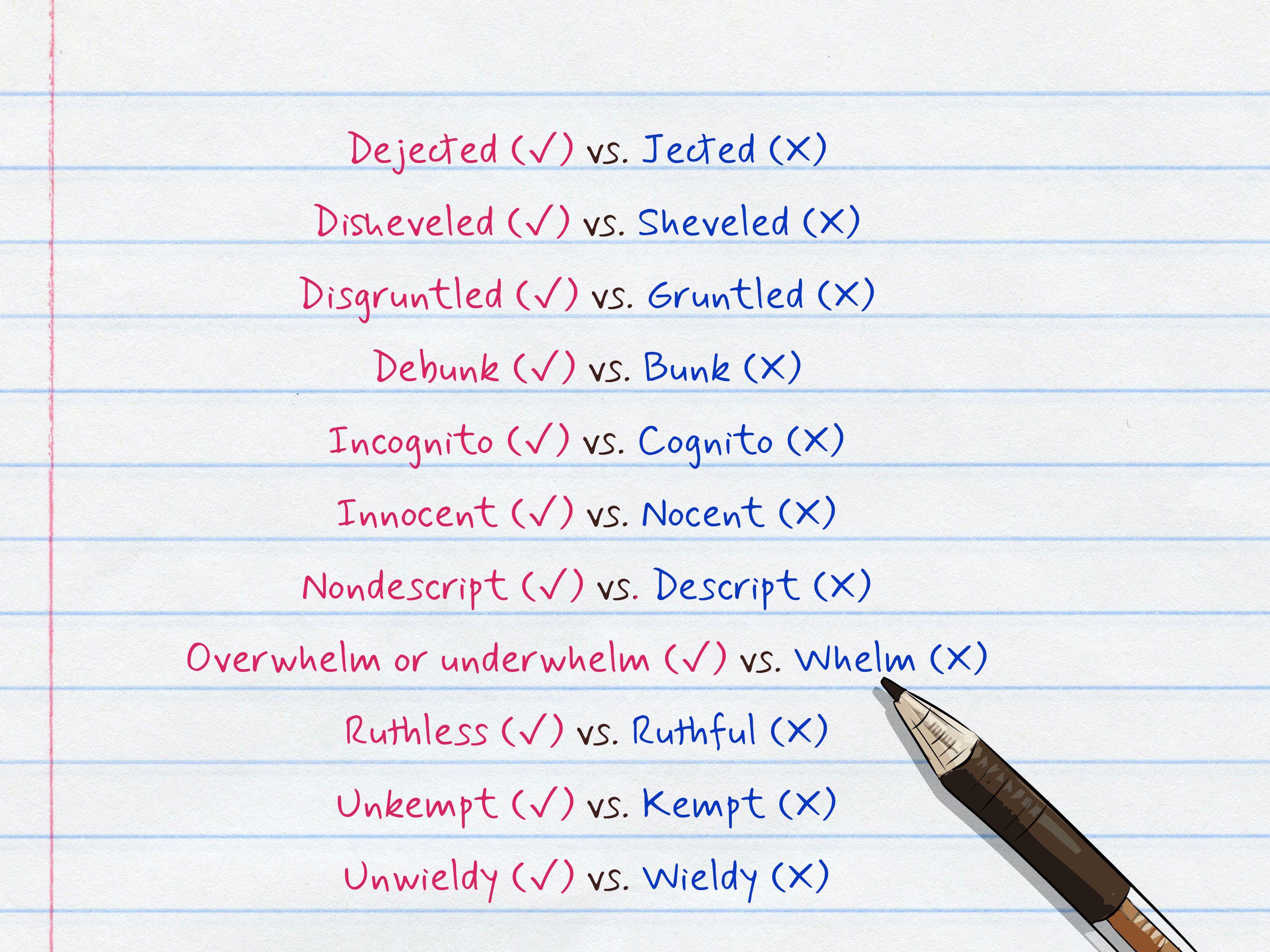
Chalant belongs to a fun category of words that feel like missing opposites. English has many negative-looking words whose positive forms are rare, obsolete, or mostly humorous. Think of disgruntled and gruntled, disheveled and sheveled, inept and ept, unkempt and kempt.
Writers and comedians love these words because they expose the odd machinery of English. They make us notice assumptions we normally skip over. If someone can be overwhelmed and underwhelmed, why is nobody simply whelmed except in jokes? If someone can be ruthless, can they be ruthful? Language, as usual, refuses to sit still and behave.
Chalant works in the same way. It makes people smile because it sounds both wrong and obvious. That is a powerful combination.
Should You Use Chalant in Your Writing?
Use chalant when the tone allows playfulness. It is a good fit for blogs, opinion pieces, captions, social posts, humorous essays, and casual conversations. It is less suitable when precision and formality matter more than personality.
Here is a simple rule: if your audience enjoys language jokes, chalant is a treat. If your audience may think it is a typo, use attentive, concerned, or interested instead.
Good Places to Use Chalant
- A lifestyle blog about communication
- A social media caption about dating
- A humorous essay about caring too much
- A casual newsletter with a conversational tone
- A brand voice that enjoys clever language
Places to Avoid Chalant
- Academic research papers
- Professional contracts
- Technical manuals
- Formal business reports
- Any document where readers may mistake humor for error
Common Misunderstandings About Chalant
Misunderstanding 1: Chalant Is the Official Opposite of Nonchalant
Not quite. It is a logical and funny opposite, but it is not the standard dictionary antonym. If you need a conventional opposite, use concerned, interested, attentive, or enthusiastic.
Misunderstanding 2: Chalant Means Anxious
Not necessarily. A chalant person may be concerned, but that does not automatically mean nervous. You can care deeply and still remain calm. In fact, the best version of being chalant is engaged without being frantic.
Misunderstanding 3: Chalant Is Always a Joke
It often starts as a joke, but it can carry a real idea. Many playful words survive because they express something people recognize. Chalant captures the choice to care openly in a culture that often rewards indifference.
What Is the Best Synonym for Chalant?
The best synonym depends on the context. If you mean emotionally invested, use interested. If you mean paying close attention, use attentive. If you mean worried in a responsible way, use concerned. If you mean excited and energetic, use enthusiastic.
Still, none of those synonyms has quite the same flavor as chalant. Concerned wears sensible shoes. Enthusiastic brings balloons. Chalant walks in with both, plus a tiny wink.
Why Chalant Matters More Than It Should
At first glance, chalant is just a funny pseudo-word. But it points to a bigger cultural shift. Many people are tired of pretending not to care. They are tired of romantic ambiguity, professional apathy, friendship without effort, and the strange idea that emotional restraint is always superior to honest enthusiasm.
To be chalant is not to overshare, overcommit, or overreact. It is to allow care to be visible. It is to say, “Yes, this matters to me,” without apologizing for having a pulse.
That is why the word keeps traveling. It is useful, memorable, and emotionally efficient. It gives people a lighthearted way to reject coldness without turning every conversation into a dramatic monologue under stage lighting.
Experiences Related to Being Chalant
One of the most relatable experiences with the idea of being chalant happens in everyday communication. Imagine sending a message to someone you like. You know what you want to say: “I had fun. I’d love to see you again.” Simple. Clear. Human. But then the committee in your brain convenes an emergency meeting. Should you wait? Should you sound less interested? Should you remove the exclamation point so you do not appear too alive?
That tiny moment is where chalant becomes useful. Choosing to be chalant means choosing clarity over performance. It means understanding that interest is not weakness. You can show warmth without handing someone the deed to your emotional property. You can be direct without being intense. You can care without auditioning for a tragedy.
The same experience appears in friendships. Many people have had a friend who acts nonchalant about everything. They do not ask follow-up questions. They forget plans. They respond with “lol” to a paragraph that clearly deserved at least a “Wait, are you okay?” Over time, that kind of coolness stops feeling cool. It feels lonely. A chalant friend, on the other hand, notices. They remember the job interview. They ask how the appointment went. They send the ridiculous meme at exactly the right time. Their care is not loud, but it is present.
In work and creative projects, being chalant can also be a superpower. The world does not need more people who pretend deadlines are abstract art. It needs people who are engaged enough to read the brief, ask smart questions, and care about the result. A chalant teammate is not necessarily the loudest person in the room. Often, they are the person who quietly makes sure the room has chairs, the slides work, and the client’s name is spelled correctly.
There is also a personal side to chalance. Many people learn to hide enthusiasm because they have been teased for caring too much. Maybe they were the kid who studied early, the fan who loved the band before it was cool, or the person who actually read the instructions. At some point, they may have learned to sand down their excitement. Being chalant is a small rebellion against that. It says, “I am allowed to like things. I am allowed to try. I am allowed to be seen caring.”
Of course, healthy chalance still needs boundaries. Being chalant does not mean chasing people who ignore you, rescuing every chaotic project, or caring so hard that you forget your own needs. The best version is balanced: interested but not desperate, attentive but not controlling, warm but not self-abandoning. Think golden retriever energy with a calendar app.
In real life, the most chalant people are often the easiest to trust. They do not make everything a mystery. They communicate. They show effort. They bring sincerity into rooms where everyone else is trying to look unbothered. That may not be “official dictionary English,” but it is deeply understandable human English. And sometimes, that is exactly the kind of word we need.
Conclusion: Chalant May Not Be Official, But It Is Useful
Chalant may not be a standard English word, but it has earned attention because it is funny, logical, and surprisingly expressive. Born from the assumption that nonchalant must have a positive opposite, chalant now works as playful slang for being concerned, attentive, interested, and emotionally available.
Use it carefully in formal contexts, but enjoy it in casual writing. Language grows through need, humor, and repetition. If enough people keep using chalant, who knows? One day, the dictionaries may become very chalant about adding it.