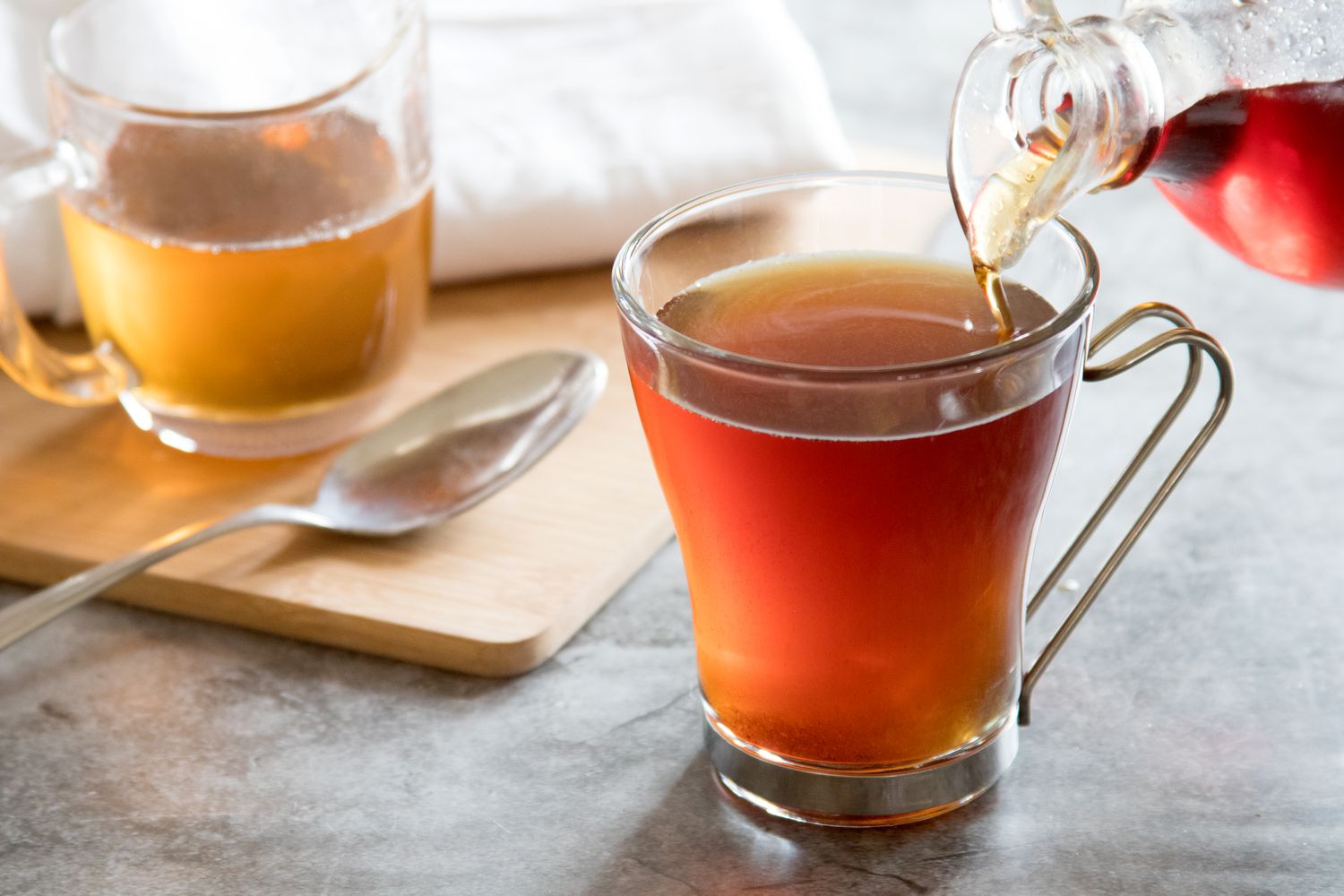
Some kitchen projects announce themselves with flour on the floor, ten dirty bowls, and a sink that looks like it lost a fight. This caramel syrup recipe is not one of them. It needs only a few basic ingredients, one saucepan, and your full attention for a short stretch of time. In return, you get a glossy, deeply flavored homemade caramel syrup that can turn coffee, pancakes, ice cream, oatmeal, apple slices, milkshakes, and even plain yogurt into something that feels suspiciously like dessert.
Caramel syrup is different from thick caramel sauce. A sauce is often enriched with butter and cream, making it rich, heavy, and spoonable. Syrup is lighter, pourable, and designed to blend easily into drinks. That makes it especially useful for homemade lattes, iced coffee, cold brew, cocktails, mocktails, and drizzles where you want caramel flavor without turning everything into a sticky candy commercial.
The secret is controlled caramelization. Sugar is heated until it changes from plain sweetness into a complex amber flavor with notes of toasted sugar, vanilla, butter, and a tiny hint of pleasant bitterness. Add hot water carefully, season it well, and you have a bottle of liquid gold. Not actual gold, unfortunately, but your morning coffee may start acting like it owns a small yacht.
What Is Caramel Syrup?
Caramel syrup is a sweet liquid made by cooking sugar until it turns golden or amber, then thinning it with water. Unlike caramel sauce, it usually does not require heavy cream or butter. This gives it a smoother, more drink-friendly consistency. It dissolves beautifully in hot coffee and can be stirred into cold drinks without leaving thick clumps at the bottom of the glass.
A good homemade caramel syrup should taste deeper than simple syrup but cleaner than caramel sauce. It should pour easily from a bottle, smell slightly toasted, and bring enough flavor that one or two tablespoons can transform a drink. The color can range from light honey to dark amber, depending on how far you cook the sugar.
Why Make Homemade Caramel Syrup?
Store-bought caramel syrup is convenient, but homemade caramel syrup gives you control over flavor, sweetness, and ingredients. You can make it darker and bolder for espresso drinks, lighter for desserts, or salted for a coffeehouse-style finish. You can also skip artificial flavors and adjust the vanilla, salt, or thickness exactly the way you like it.
Another reason to make it yourself: the smell. When sugar caramelizes, your kitchen starts to smell like a bakery that has excellent life choices. It is cozy, dramatic, and slightly dangerous in the best culinary way. Just remember that hot caramel is extremely hot, so this is not the time to taste from the spoon or let curious fingers hover near the pan.
Ingredients for the Best Caramel Syrup Recipe
Basic Ingredients
- 1 cup granulated sugar: White sugar gives the cleanest caramel flavor and makes it easy to judge the color as it cooks.
- 1/4 cup water: This helps dissolve the sugar at the beginning and makes the process more controlled.
- 1/2 cup hot water: Added after caramelization to turn the cooked sugar into syrup.
- 1 teaspoon vanilla extract: Adds warmth and a rounded dessert-like aroma.
- 1/8 teaspoon fine sea salt: Balances sweetness and makes the caramel flavor more vivid.
- Optional: 1 teaspoon corn syrup or a few drops of lemon juice: Helps reduce the chance of crystallization, especially for beginners.
Ingredient Notes
Granulated sugar is the most reliable choice because it caramelizes evenly and lets you see the color shift clearly. Brown sugar can be used for a different style of syrup, but it contains molasses, which changes both the flavor and the cooking behavior. For your first batch, white sugar is the safest road to caramel success.
Hot water is important because cold water hitting hot caramel can cause dramatic bubbling and splattering. Even with hot water, the mixture will bubble aggressively. Use a saucepan with tall sides and pour slowly. Think “calm pastry chef,” not “person defusing a syrup volcano while holding a mug.”
Tools You Need
- Medium heavy-bottomed saucepan
- Heatproof spatula or wooden spoon
- Pastry brush, optional
- Liquid measuring cup
- Clean glass jar or syrup bottle
- Oven mitt or kitchen towel
A heavy-bottomed pan is helpful because it distributes heat more evenly. Thin pans create hot spots, and hot spots can burn sugar faster than you can say, “I meant to make it smoky.” A light-colored saucepan also makes it easier to judge the caramel color.
How to Make Caramel Syrup
Step 1: Prepare Your Ingredients
Measure everything before turning on the stove. Caramel moves slowly at first, then very quickly once it begins to color. Have the hot water ready, the vanilla measured, and the salt nearby. This is called being organized. It is also called avoiding panic.
Step 2: Dissolve the Sugar
Add the sugar and 1/4 cup water to a clean, heavy-bottomed saucepan. Stir gently just until the sugar looks evenly moistened. Place the pan over medium heat. Let the mixture come to a simmer. Once the sugar dissolves and the syrup begins bubbling, stop stirring.
If sugar crystals cling to the side of the pan, brush them down with a wet pastry brush. This helps prevent grainy caramel syrup. You can also gently swirl the pan, but avoid aggressive stirring once the syrup is boiling.
Step 3: Cook Until Amber
Continue cooking the syrup over medium heat. The bubbles will look clear at first, then thicker and slower. Eventually, the sugar will begin to turn pale gold around the edges. Swirl the pan gently to encourage even color.
For a mild caramel syrup, stop when the color is golden honey. For a stronger caramel flavor, cook until it reaches a rich amber color. Avoid letting it become dark brown or smoky, unless your desired flavor is “campfire with regrets.”
Step 4: Add Hot Water Carefully
Remove the pan from the heat. Slowly pour in the 1/2 cup hot water while standing back slightly. The caramel will bubble and steam. Stir carefully until the mixture smooths out. If the caramel seizes into firm pieces, return the pan to low heat and stir until the sugar dissolves again.
Step 5: Add Vanilla and Salt
Once the syrup is smooth, stir in the vanilla extract and sea salt. Let the syrup cool for 10 to 15 minutes in the pan, then pour it into a clean glass jar or syrup bottle. It will thicken slightly as it cools but should remain pourable.
Printable-Style Recipe Card
Homemade Caramel Syrup
Yield: About 1 cup
Prep time: 5 minutes
Cook time: 10 to 15 minutes
Total time: About 20 minutes
Ingredients
- 1 cup granulated sugar
- 1/4 cup water
- 1/2 cup hot water
- 1 teaspoon vanilla extract
- 1/8 teaspoon fine sea salt
- Optional: 1 teaspoon corn syrup or 3 to 4 drops lemon juice
Instructions
- Add sugar and 1/4 cup water to a medium heavy-bottomed saucepan. Stir gently to moisten the sugar.
- Place over medium heat and bring to a simmer. Stop stirring once the sugar dissolves.
- Cook until the syrup turns golden to amber, swirling the pan gently as needed.
- Remove from heat and slowly add 1/2 cup hot water. Stir carefully until smooth.
- Add vanilla and salt. Stir again.
- Cool slightly, then transfer to a clean jar or bottle.
- Refrigerate and use within 2 to 3 weeks for best quality.
Tips for Perfect Caramel Syrup
Use Medium Heat
High heat may seem faster, but it gives you less control. Sugar can go from golden to bitter in seconds. Medium heat gives you enough time to watch the color and pull the pan at the right moment.
Do Not Walk Away
Caramel is not a multitasking recipe. Do not start unloading the dishwasher, checking email, or trying to remember where you left your phone. Once the sugar begins to change color, stay close and watch carefully.
Swirl, Do Not Stir
After the sugar dissolves, stirring can encourage crystallization. Gentle swirling is usually enough to distribute heat. If you see dry sugar crystals on the sides of the pan, use a wet pastry brush to wash them down.
Stop Before It Burns
A deep amber syrup has a stronger caramel flavor, but very dark caramel can taste bitter. If you are new to making caramel syrup, aim for medium amber. You can always cook the next batch darker once you know your stove and pan.
How to Use Caramel Syrup
This homemade caramel syrup is wonderfully versatile. Stir it into hot coffee, iced coffee, cold brew, cappuccino, or lattes. Add it to hot chocolate for a caramel cocoa twist. Shake it into cocktails or mocktails when you want sweetness with depth instead of plain sugar.
For breakfast, drizzle it over pancakes, waffles, French toast, oatmeal, or yogurt bowls. For dessert, spoon it over vanilla ice cream, bread pudding, cheesecake, brownies, apple crisp, or banana splits. It also works beautifully with sliced apples, roasted pears, and cinnamon-heavy desserts.
One of the easiest uses is a homemade caramel iced latte. Add 1 to 2 tablespoons of caramel syrup to a glass, pour in espresso or strong coffee, stir well, add ice, then top with milk. Suddenly your kitchen has coffee shop energy, minus the line and the mysterious jazz playlist.
Flavor Variations
Salted Caramel Syrup
Increase the salt to 1/4 teaspoon for a salted caramel syrup. This version is excellent in coffee drinks and over vanilla ice cream.
Vanilla Caramel Syrup
Add 2 teaspoons of vanilla extract instead of 1. For a more luxurious flavor, use vanilla bean paste. This makes the syrup taste softer and more dessert-like.
Cinnamon Caramel Syrup
Add 1 cinnamon stick after you add the hot water. Let it steep while the syrup cools, then remove it before storing. This variation is cozy in fall coffee drinks and apple desserts.
Bourbon-Style Caramel Syrup
Add 1 teaspoon of bourbon after the syrup cools slightly. This brings a warm, oak-like note. It is especially good in dessert drinks, but keep it subtle so the caramel remains the star.
Espresso Caramel Syrup
Replace 2 tablespoons of the hot water with hot brewed espresso. This creates a bold syrup for coffee lovers who believe coffee should taste like coffee, only fancier.
Common Caramel Syrup Problems and Fixes
Why Did My Caramel Syrup Turn Grainy?
Grainy caramel syrup usually happens when sugar crystals form during cooking. To prevent this, start with a clean pan, dissolve the sugar fully, avoid stirring once the syrup boils, and brush down any crystals on the sides of the pan. Adding a small amount of corn syrup or lemon juice can also help.
Why Did My Syrup Harden?
If the caramel hardens after you add water, the temperature difference may have shocked the sugar. Do not panic. Return the pan to low heat and stir until the hardened caramel melts back into the liquid.
Why Does My Syrup Taste Bitter?
The sugar cooked too long. Caramel should taste toasted, not burnt. Next time, remove it from the heat when it is amber rather than dark brown. Remember that caramel continues cooking briefly from residual heat even after you move the pan.
Why Is My Syrup Too Thin?
Caramel syrup is supposed to be thinner than caramel sauce, but if it feels watery, simmer it for a few extra minutes after adding the hot water. It will also thicken slightly in the refrigerator.
Why Is My Syrup Too Thick?
Stir in a tablespoon or two of hot water until it reaches your preferred consistency. Add a little at a time so you do not overshoot and end up with caramel-flavored rainwater.
How to Store Homemade Caramel Syrup
Let the syrup cool, then pour it into a clean airtight jar or bottle. Store it in the refrigerator and use it within 2 to 3 weeks for best flavor and quality. Always use a clean spoon or pump to avoid introducing crumbs or bacteria into the bottle.
If the syrup thickens in the refrigerator, warm the jar gently in a bowl of hot water or microwave it briefly in a microwave-safe container. Do not microwave a sealed bottle. Pressure and sticky syrup are not a charming combination.
Can You Freeze Caramel Syrup?
Yes, caramel syrup can be frozen, although refrigeration is usually easier for small batches. Freeze it in small airtight containers or ice cube trays. Once frozen, transfer cubes to a freezer bag. Thaw in the refrigerator and stir before using. The texture may change slightly, but it should still work well in drinks and desserts.
Caramel Syrup vs. Caramel Sauce
The difference comes down to ingredients and texture. Caramel syrup is usually made with caramelized sugar and water, so it is pourable and easy to mix into beverages. Caramel sauce typically includes butter and cream, which makes it richer, thicker, and better for spooning over desserts.
If you want something for iced coffee, use caramel syrup. If you want something to pour over brownies or dip apple slices into, caramel sauce may be the better choice. Of course, no one is stopping you from keeping both in the fridge. That is between you and your dessert ambitions.
Best Pairings for Caramel Syrup
Caramel pairs naturally with coffee, chocolate, apples, bananas, pears, vanilla, cinnamon, sea salt, toasted nuts, and dairy-based desserts. It also plays nicely with oats, pumpkin spice, chai, and dark rum flavors. A small amount can round out sharp flavors and add warmth to simple recipes.
For an easy dessert, slice a banana, add a scoop of vanilla yogurt, drizzle with caramel syrup, and sprinkle with toasted pecans. For a quick drink, stir caramel syrup into cold brew and top with milk. For a cozy evening treat, add it to warm milk with a pinch of cinnamon.
Experience Notes: What Making Caramel Syrup Teaches You
The first time you make caramel syrup, it may feel like a tiny science experiment wearing an apron. Sugar begins as a plain white pile, then dissolves into a clear syrup, bubbles like it has gossip to share, and finally turns golden around the edges. That moment is exciting because it feels like the recipe is waking up. The trick is learning not to rush it. Caramel rewards patience, but it does not tolerate neglect.
One helpful experience is watching the edges of the pan. The sugar often begins browning there first. Instead of stirring, a gentle swirl helps even out the color. At first, the change may seem slow. Then suddenly the whole pan becomes amber, and you understand why caramel recipes always sound dramatic. It really does move quickly near the end.
Another lesson is that color equals flavor. A pale golden syrup tastes sweet and mild, almost like toasted simple syrup. A medium amber syrup has that classic coffeehouse caramel taste. A darker amber syrup brings more complexity, but it also gets closer to bitterness. After a few batches, you may discover your personal caramel “sweet spot.” For many home cooks, medium amber is the best balance: flavorful enough to stand out in coffee, but not so intense that it takes over.
The water step is where beginners often get nervous, and honestly, the caramel does put on a show. When hot water hits molten sugar, the mixture bubbles up with great enthusiasm. This is normal. Using a tall saucepan, pouring slowly, and keeping your hand protected makes the process much calmer. Once you have done it once, the drama feels less like danger and more like the caramel clearing its throat before becoming delicious.
Homemade caramel syrup also teaches you how much small details matter. A pinch of salt can make the syrup taste fuller. Vanilla can soften the edges. A tiny bit of lemon juice or corn syrup can help prevent crystallization. Clean jars help the syrup stay fresh longer. These are small moves, but together they separate a decent syrup from one you keep finding excuses to pour on everything.
In daily use, this syrup becomes one of those refrigerator staples that feels more useful than expected. You make it for coffee, then suddenly it appears on pancakes. Then someone tries it over ice cream. Then it gets stirred into hot chocolate. Then an apple slice “accidentally” falls into a spoonful of it. This is how caramel syrup quietly becomes a household celebrity.
The best part is confidence. Once you can caramelize sugar, you understand a foundational kitchen technique. You are no longer intimidated by bubbling sugar or amber color cues. You know when to wait, when to swirl, when to stop, and when to rescue a batch that tries to harden. That confidence makes the recipe worth learning, even before the first caramel latte hits the table.
Conclusion
A great caramel syrup recipe does not need complicated ingredients or professional equipment. With sugar, water, vanilla, salt, and a little attention, you can make a smooth homemade syrup that tastes richer and fresher than many bottled versions. Use it in coffee, desserts, breakfast dishes, and cozy drinks whenever you want a sweet toasted flavor with a homemade touch.
The most important tips are simple: use a clean heavy pan, cook over medium heat, stop stirring after the sugar dissolves, watch the color carefully, and add hot water slowly. Once you master those steps, caramel syrup becomes an easy kitchen win. It is affordable, customizable, and just fancy enough to make an ordinary Tuesday feel like it deserves a tiny dessert parade.
Note: This article is written in original American English for web publication and synthesizes established cooking techniques for homemade caramel syrup, including wet caramel methods, crystallization prevention, flavor variation, storage, and practical recipe troubleshooting.