A burlap chandelier shade is one of those small decorating upgrades that quietly walks into a room, fixes the lighting, warms up the mood, and somehow makes everyone believe you have excellent taste and possibly a charming farmhouse somewhere. It is simple, textured, affordable, and surprisingly versatile. Whether you are refreshing a dining room chandelier, softening a harsh entryway fixture, or giving an old brass light a second life, burlap shades can make a chandelier feel cozy instead of fussy.
The beauty of burlap is its natural personality. It has a woven texture, a neutral tone, and a relaxed look that works with farmhouse, rustic, coastal, cottage, French country, boho, transitional, and even modern organic interiors. A burlap chandelier shade filters light in a way that feels warm and inviting. Instead of bare bulbs shouting from the ceiling like tiny interrogation lamps, the shades create a softer glow that feels more like dinner, conversation, and “yes, I definitely cleaned before guests arrived.”
In this guide, we will explore what a burlap chandelier shade is, how to choose the right one, where it works best, how to measure it, how to style it, and how to care for it. We will also cover practical safety tips, common buying mistakes, DIY ideas, and real-life experience with using burlap chandelier shades in different spaces.
What Is a Burlap Chandelier Shade?
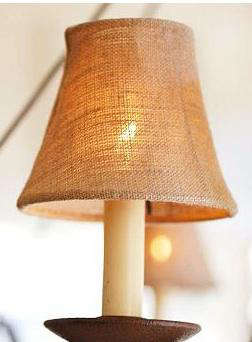
A burlap chandelier shade is a small lampshade designed to fit over the bulbs of a chandelier, usually through a clip-on fitter that attaches directly to a candelabra-style bulb. The shade is made from burlap, jute, linen-blend fabric, or a burlap-look textile. It may be lined or unlined, depending on the quality and design.
Most chandelier shades are smaller than table lamp shades. A common size range includes shades around 3 to 4 inches across the top, 5 to 6 inches across the bottom, and about 4 to 6 inches tall. These compact proportions help the shade cover the bulb without overwhelming the arms of the chandelier.
Burlap vs. Linen vs. Jute
Although people often use the words burlap and jute together, they are not exactly the same. Jute is the natural plant fiber, while burlap is the coarse woven fabric often made from jute or similar fibers. Linen, on the other hand, is usually smoother and more refined. A burlap chandelier shade typically has a more rustic, open-weave look, while linen feels softer and more polished.
If you want a raw farmhouse look, choose natural burlap. If you want a cleaner version of that style, look for a burlap-linen blend. If you want texture without the “grain sack” vibe, a jute or grasscloth chandelier shade may be a better fit.
Why Burlap Chandelier Shades Are So Popular
Burlap chandelier shades became popular because they solve several design problems at once. They soften bright bulbs, add texture, hide outdated candle sleeves, and make a chandelier feel more intentional. They are also much easier to change than the entire fixture. That matters when your chandelier is technically functional but emotionally stuck in 1998.
They Add Warmth Without Adding Clutter
Texture is one of the easiest ways to make a room feel finished. Burlap brings natural texture without requiring another piece of furniture, another throw pillow, or another decorative bowl that no one is allowed to touch. The woven surface catches light beautifully and gives the room a grounded, organic quality.
They Work With Many Decor Styles
A burlap chandelier shade is most commonly associated with farmhouse interiors, but it is not limited to one look. In a coastal home, burlap feels casual and sandy. In a cottage dining room, it feels sweet and homey. In a modern organic space, it adds warmth to clean lines. In a traditional room, it can tone down formality and make the chandelier feel more approachable.
They Are Budget-Friendly
Replacing an entire chandelier can be expensive, especially if you need an electrician. Replacing the shades is far easier. A set of burlap chandelier shades can dramatically change the look of a fixture for a fraction of the cost. It is the lighting equivalent of changing your outfit instead of your entire personality.
How to Choose the Right Burlap Chandelier Shade
Choosing a burlap chandelier shade is not complicated, but it does require attention to size, fitter type, color, weave, and light output. The right shade should look proportional, attach securely, and allow the room to feel bright enough for its purpose.
1. Check the Fitter Type
Most chandelier shades use a clip-on fitter. This small metal clip attaches directly to a candelabra bulb. Before buying, confirm that your chandelier uses compatible bulbs. Many clip-on chandelier shades are designed for standard candelabra bulbs, not large globe bulbs or specialty LED shapes.
Other lamp shades may use spider, uno, or washer fitters, but those are more common for table lamps, floor lamps, and pendant-style fixtures. Fitters are not usually interchangeable, so do not assume a random small shade will work on your chandelier. Measure first, buy second, celebrate third.
2. Measure the Existing Shade
If your chandelier already has shades, measure one before shopping. Record the top diameter, bottom diameter, vertical height, and slant height. The top diameter is the opening at the top of the shade. The bottom diameter is the widest opening at the bottom. The height is measured straight up and down, while the slant is measured along the angled side.
For many chandeliers, a shade around 3 inches across the top, 5 to 6 inches across the bottom, and about 5 inches tall is a balanced choice. Larger chandeliers may need taller or wider shades. Smaller fixtures may look better with petite shades that do not crowd the arms.
3. Match the Scale of the Fixture
A burlap chandelier shade should look like it belongs to the chandelier, not like it wandered in from another lamp and got lost. If the shades are too large, the fixture may look heavy and crowded. If they are too small, the bulbs may peek out awkwardly. The goal is visual balance.
For a six-light dining chandelier, medium clip-on burlap shades often work well. For a delicate bedroom chandelier, choose smaller tapered shades. For a rustic iron chandelier over a large farmhouse table, slightly taller shades can look rich and substantial.
4. Choose the Right Burlap Color
Burlap is usually tan, beige, oatmeal, flax, or brown, but the undertones matter. A golden burlap shade feels warm and traditional. A pale oatmeal shade feels lighter and more modern. A dark natural jute shade creates stronger contrast and looks great on black, bronze, or iron fixtures.
If your room has white walls and pale wood, a lighter burlap shade may keep the look airy. If your room has leather chairs, dark beams, or antique finishes, a deeper burlap tone may feel more cohesive.
5. Think About the Weave
Burlap can be loosely woven or tightly woven. A loose weave lets more light pass through and creates a visible texture. A tight weave looks cleaner and may feel more refined. If the chandelier is your main light source, avoid a shade that is too thick or dark, because it can make the room feel dim.
Best Rooms for Burlap Chandelier Shades
Burlap chandelier shades can work in several rooms, but they shine brightest in spaces where warm, ambient light matters. They are especially useful in dining rooms, breakfast nooks, bedrooms, entryways, and covered sitting areas with appropriate indoor-rated fixtures.
Dining Room
The dining room is the classic place for burlap chandelier shades. They soften the light over the table and create a cozy atmosphere for meals. Pair them with a wood table, linen napkins, woven placemats, or simple ceramic dishes for a relaxed but thoughtful look.
Breakfast Nook
In a breakfast nook, burlap shades can make even weekday cereal feel slightly more charming. Choose lighter burlap if the space is small, and keep the fixture scaled to the table. A compact chandelier with four or five burlap shades can make the nook feel finished without taking over the room.
Bedroom
A small chandelier with burlap shades can add softness to a bedroom. It works especially well with white bedding, wood furniture, woven baskets, and neutral curtains. Use warm LED bulbs to avoid making the room feel too bright or cold.
Entryway
An entryway chandelier sets the tone for the whole home. Burlap shades help make the first impression warm and relaxed. They are especially effective on black, bronze, brass, or distressed wood fixtures.
Styling Ideas for a Burlap Chandelier Shade
The easiest way to style burlap chandelier shades is to repeat natural textures elsewhere in the room. That does not mean covering every surface in burlap like a craft store exploded. A little goes a long way.
Pair With Wood and Metal
Burlap looks especially good with wood and metal. Try it with a weathered oak table, black iron chandelier, aged brass hardware, or bronze curtain rods. The contrast between soft woven fabric and harder materials creates balance.
Use Warm White Bulbs
Light temperature matters. Warm white bulbs, often around 2700K to 3000K, usually look better with burlap than cool white bulbs. Cool bulbs can make natural fabric look gray or flat. Warm bulbs enhance the golden tones and create a softer atmosphere.
Add Trim for a Custom Look
If plain burlap feels too simple, add a subtle trim. Thin black tape, linen binding, jute rope, or a small scalloped edge can make the shade feel custom. Keep the trim minimal so the shade does not look too busy.
Mix Burlap With Modern Pieces
One of the best ways to keep burlap from looking overly rustic is to pair it with modern elements. Try burlap shades over a sleek black chandelier, a clean-lined dining table, simple artwork, or contemporary chairs. The mix creates a warm but updated style.
Safety Tips for Burlap Chandelier Shades
Because burlap is a fabric, safety matters. Always use shades that are intended for lighting, not random craft burlap wrapped around a bulb. Look for properly constructed shades with suitable backing and secure fitters. If you are making a DIY shade, choose flame-resistant or fire-retardant materials designed for lampshade use.
Use the Correct Bulb Wattage
Follow the fixture and shade manufacturer’s maximum wattage recommendations. Many chandelier clip-on shades are intended for low-wattage candelabra bulbs or LED equivalents. LED bulbs are often a smart choice because they produce less heat than traditional incandescent bulbs while still offering plenty of light.
Keep Fabric Away From the Bulb
The shade should not touch the bulb. There should be enough clearance for air circulation. If the shade leans, slips, or presses against the bulb, do not use it until the fit is corrected.
Inspect Clips and Fitters
Clip-on shades should grip securely. A loose clip can make the shade tilt or fall. If your chandelier uses flame-tip bulbs, confirm that the clip is designed for that bulb shape. Some clips fit standard torpedo candelabra bulbs better than decorative bulbs.
How to Clean a Burlap Chandelier Shade
Burlap has texture, which means it also has tiny places where dust loves to live rent-free. Regular cleaning keeps the shade looking fresh and helps prevent grime from settling into the weave.
Dust Weekly or Often Enough to Stay Ahead
Use a microfiber cloth, soft duster, or clean paintbrush to remove dust. Work gently so you do not snag the weave. If the shade is delicate, remove it from the chandelier before cleaning.
Use a Vacuum Carefully
A vacuum with a brush attachment can help remove deeper dust. Use low suction if possible. Hold the shade steady and avoid pressing too hard, especially on handmade or loosely woven shades.
Avoid Soaking Burlap
Burlap does not love water. Too much moisture can distort the fabric, loosen adhesives, or leave stains. For small marks, try a dry cleaning sponge or a barely damp cloth, then let the shade air dry completely before reinstalling it.
DIY Burlap Chandelier Shade Ideas
A DIY burlap chandelier shade can be a satisfying project, but it should be done carefully. The safest route is to start with an existing lampshade frame or plain chandelier shade made for lighting, then cover or decorate it with appropriate material.
Simple Burlap Wrap
Start with a plain clip-on chandelier shade. Cut burlap slightly larger than the shade surface, attach it with fabric-safe adhesive, and fold the edges neatly inside. Add thin trim to hide the seams. Make sure the material does not block the fitter or sit too close to the bulb.
Painted Burlap Shade
If you want a custom look, use a stencil and fabric paint to add a small pattern. Stripes, numbers, botanical shapes, or a subtle monogram can work well. Keep the paint light so it does not stiffen the shade too much.
Ribbon or Jute Trim
Adding trim is easier than fully covering a shade. Wrap jute cord around the top and bottom edges, or add a narrow linen ribbon for contrast. This gives a plain shade a custom finish without turning the project into a weekend-long negotiation with glue.
Common Mistakes to Avoid
The most common mistake is buying shades that are the wrong size. Always measure before ordering. The second mistake is choosing burlap that is too dark or thick for the room. If you need strong light for homework, cooking, or detailed tasks, burlap may need to be paired with other light sources.
Another mistake is ignoring the chandelier’s finish. Natural burlap looks beautiful with black, bronze, brass, pewter, cream, and distressed wood finishes. It can look awkward with ultra-shiny chrome unless the room has other natural textures to balance it.
Finally, do not use craft burlap directly against bulbs. A chandelier shade should be designed for lighting and installed with proper clearance. Charming should never mean risky.
Buying Checklist for Burlap Chandelier Shades
Before purchasing, review these details:
- Confirm the shade uses the correct fitter for your chandelier.
- Measure top diameter, bottom diameter, height, and slant.
- Check the recommended bulb type and maximum wattage.
- Choose a burlap color that works with the room’s undertones.
- Decide whether you want lined or unlined shades.
- Buy the correct quantity for all chandelier arms.
- Order one extra shade if possible for future replacement.
Real-Life Experience With Burlap Chandelier Shades
One of the most noticeable things about adding burlap chandelier shades is how quickly they change the emotional temperature of a room. A bare chandelier can look elegant, but it can also feel a bit sharp, especially in a dining room where the bulbs are directly in your line of sight. Once burlap shades are added, the light becomes softer and the fixture feels more connected to the rest of the room.
In a farmhouse dining room, burlap shades can make a basic black chandelier look custom. The natural fabric softens the metal and makes the fixture feel less severe. If the room has a wood table, woven rug, or neutral curtains, the shades tie everything together. Guests may not immediately say, “Nice burlap chandelier shades,” but they will notice that the room feels warmer and more finished.
In a small breakfast nook, the effect is different but just as useful. A chandelier without shades can sometimes feel too bright in the morning, especially with clear bulbs. Burlap shades soften that early light and make the space feel more casual. The trick is choosing shades that are not too large. In a small nook, oversized shades can make the chandelier look top-heavy, like it is wearing a hat meant for another fixture.
In bedrooms, burlap chandelier shades work best when the rest of the room already has soft textures. White bedding, natural wood nightstands, cotton curtains, and a woven bench all support the look. The shades add a cozy glow without making the room feel overly decorated. A warm LED bulb is important here. Cool bulbs can make burlap look dull, while warm bulbs bring out its honey-colored texture.
One practical lesson is that burlap shades collect dust faster than smooth fabric shades. This is not a disaster, but it does mean they need regular attention. A soft duster once a week keeps them from looking tired. If the chandelier hangs over a dining table, cleaning matters even more because dust is not exactly the garnish anyone requested.
Another experience-based tip is to buy all shades from the same set or manufacturer when possible. Burlap color can vary. One shade may be sandy beige, another may be golden tan, and another may lean gray. Small differences become obvious when six shades sit on the same chandelier. Matching sets create a cleaner, more intentional look.
It is also worth testing one shade before committing to a full set, especially if the room depends on the chandelier for most of its light. Burlap filters light beautifully, but it can reduce brightness. If the space feels too dim, use brighter LED bulbs within the fixture’s safe rating, add wall sconces, or choose a lighter, more open-weave shade.
From a design perspective, burlap chandelier shades are best when they look deliberate rather than themed. Pair them with simple furniture, natural textures, and a restrained color palette. Avoid adding too many burlap accessories in the same room. Burlap shades, a burlap runner, burlap curtains, burlap pillows, and burlap wall art can quickly make the room feel like it is preparing to ship potatoes. One or two touches are enough.
The biggest benefit is flexibility. If your chandelier is structurally fine but visually boring, burlap shades offer a low-stress refresh. They can make a builder-grade fixture look more personal, an antique chandelier feel less formal, or a rustic fixture feel complete. They are proof that good design does not always require a renovation budget. Sometimes it just requires a tape measure, the right bulb, and a little fabric with personality.
Conclusion
A burlap chandelier shade is a simple upgrade with a big design payoff. It adds texture, softens light, and gives a chandelier a warmer, more collected look. Whether your home leans farmhouse, coastal, cottage, rustic, or modern organic, burlap shades can bring natural charm without overwhelming the room.
The key is choosing the right size, fitter, color, and weave. Measure carefully, use safe bulbs, clean the shades regularly, and make sure the fabric is suitable for lighting. When selected well, burlap chandelier shades can turn an ordinary fixture into a cozy focal point that feels stylish, practical, and welcoming.