When your stomach suddenly starts acting like it has filed a formal complaint, food becomes complicated. One minute, dinner sounds normal. The next, even the thought of a greasy cheeseburger feels like a dare. That is where the BRAT diet often enters the conversation. Short for bananas, rice, applesauce, and toast, the BRAT diet is a simple, bland eating approach that has long been used for temporary stomach trouble, especially diarrhea, nausea, vomiting, and the “I regret everything I ate yesterday” kind of digestive chaos.
But here is the important part: the BRAT diet is not a magic cure, a long-term meal plan, or a nutrition strategy you should proudly follow for a week while congratulating yourself for “eating clean.” It is more like a soft landing for an irritated digestive system. The foods are low in fiber, mild in flavor, and easy to digest, which may help some people tolerate food again after a stomach bug, food poisoning, or a short bout of diarrhea.
In modern health advice, the BRAT diet is best understood as a short-term tool, not the whole toolbox. Hydration, electrolytes, and gradually returning to a balanced diet matter more than staying loyal to four beige foods forever. Let’s break down what the BRAT diet is, which foods to eat, what to avoid, when it may help, and when your stomach drama deserves a medical professional instead of another slice of toast.
What Is the BRAT Diet?
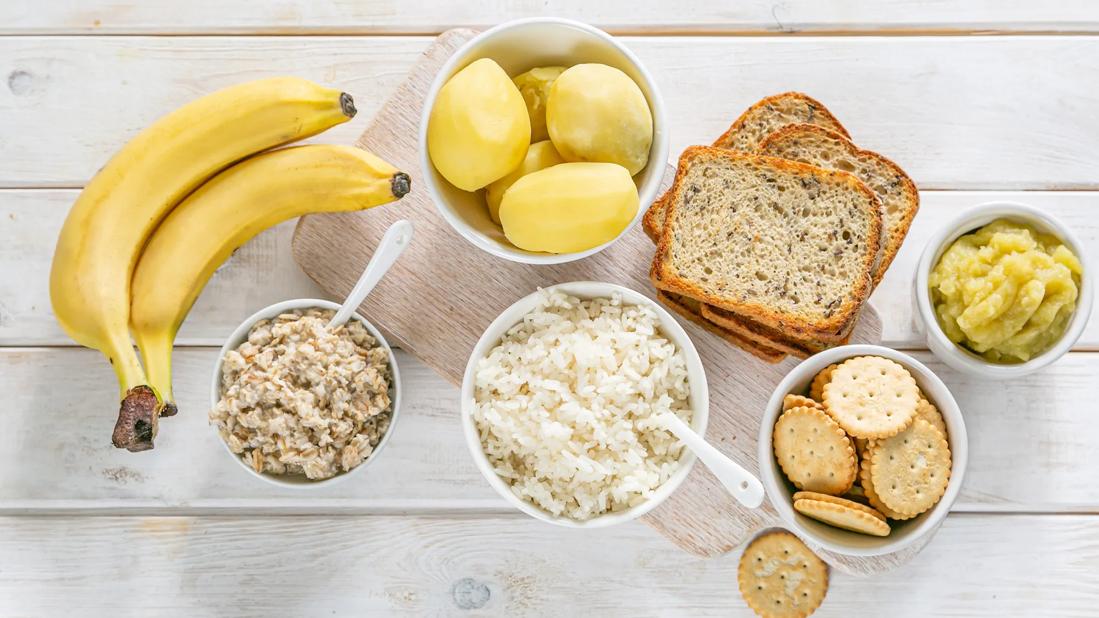
The BRAT diet is a temporary bland diet made up of four core foods: bananas, white rice, applesauce, and toast. These foods are typically gentle on the stomach because they are low in fat, low in insoluble fiber, and not heavily seasoned. In plain English, they do not ask your digestive system to perform Olympic gymnastics while it is already having a rough day.
Traditionally, the BRAT diet was recommended for people recovering from diarrhea, vomiting, stomach flu, or nausea. The idea was simple: give the gut foods that are easy to break down and less likely to make symptoms worse. Bananas provide potassium, rice and toast offer bland carbohydrates, and applesauce contains pectin, a type of soluble fiber that may help firm loose stools.
However, experts no longer recommend using the BRAT diet as a strict or extended plan, especially for children. It does not provide enough protein, fat, calories, vitamins, or minerals to support full recovery. For adults, it may be helpful for a day or so while symptoms calm down. For kids, many pediatric recommendations now favor returning to a normal, age-appropriate diet as soon as they can tolerate it.
Why the BRAT Diet May Help an Upset Stomach
The BRAT diet may help because it focuses on foods that are bland, starchy, and easy to digest. When diarrhea strikes, your intestines move food and fluids through too quickly. Low-fiber, starchy foods can sometimes help slow things down and make stools less watery. That does not mean toast has superhero powers, but it can be a gentle choice when your digestive system is yelling, “Please keep this simple.”
Bananas
Bananas are soft, mild, and easy to chew. They also contain potassium, an important electrolyte that can be lost during diarrhea or vomiting. Slightly ripe bananas are usually easier to tolerate than very green ones. You can eat them plain, mash them, or slice them over a small bowl of plain oatmeal once your appetite improves.
White Rice
White rice is often easier to digest than brown rice because it contains less fiber. During diarrhea, that lower fiber content can be useful. Plain white rice with a little salt is a classic recovery food because it provides carbohydrates without strong flavors, heavy fat, or spicy seasoning.
Applesauce
Applesauce is usually gentler than raw apples because it is cooked and lower in rough fiber. Choose unsweetened applesauce when possible. Too much added sugar can pull extra water into the intestines and potentially worsen diarrhea. In other words, your stomach needs calm, not a dessert pretending to be fruit.
Toast
Plain white toast is bland, dry, and low in fiber. It can be easier to manage when nausea makes heavier meals unappealing. Skip butter, heavy spreads, spicy toppings, and anything that turns toast into a full brunch production. Start plain, then add small extras later if your stomach is cooperating.
Foods To Eat on the BRAT Diet
The core BRAT foods are the starting point, but many people do better with a broader bland diet once they can tolerate food. The goal is to choose mild, low-fat, low-fiber foods that provide more nutrition while still being easy on the stomach.
Core BRAT Foods
- Bananas: Soft, potassium-rich, and easy to digest.
- White rice: Plain, starchy, and gentle during diarrhea.
- Unsweetened applesauce: Mild and easier than raw fruit.
- White toast: Low-fiber and simple when nausea is present.
Other Bland Foods That May Help
- Saltine crackers or plain pretzels
- Plain noodles or pasta
- Boiled or baked potatoes without the skin
- Plain oatmeal or cream of wheat
- Clear broth or mild soup
- Plain baked chicken or turkey
- Scrambled or boiled eggs, if tolerated
- Low-fat yogurt with live cultures, if dairy does not worsen symptoms
- Gelatin, ice pops, or clear liquids when appetite is low
These foods help turn the BRAT diet from a very restrictive plan into a more practical recovery menu. For example, instead of eating only rice for dinner, you might try a small bowl of rice with a little broth and shredded chicken. That gives you carbohydrates, fluid, sodium, and protein without asking your gut to process a spicy burrito the size of a laptop.
Hydration Comes First
If you remember only one thing about diarrhea or vomiting, remember this: fluids matter more than toast. Dehydration is the biggest concern when your body is losing fluid quickly. Water is helpful, but when diarrhea or vomiting is frequent, you may also need electrolytes such as sodium and potassium.
Good options include water, oral rehydration solutions, broth, diluted electrolyte drinks, and small sips of clear fluids. Oral rehydration solutions are especially useful because they contain a careful balance of salts and sugars that help the body absorb fluid. Take small sips often instead of chugging a large glass at once. Your stomach may accept “tiny and frequent” much better than “hydration cannonball.”
Avoid alcohol and limit caffeine, because both can worsen fluid loss or irritate the digestive system. Very sugary drinks, full-strength fruit juice, and regular soda may also make diarrhea worse for some people. If you are caring for a child, an older adult, or someone with a chronic medical condition, hydration deserves extra attention.
Foods To Avoid During Diarrhea or Stomach Upset
While your digestive system is recovering, certain foods can act like troublemakers wearing tiny chef hats. They may irritate the gut, speed up bowel movements, or make bloating and cramps worse.
- Fried foods: French fries, fried chicken, and greasy takeout can be hard to digest.
- Spicy foods: Hot sauce and chili peppers may irritate an already-sensitive gut.
- High-fiber foods: Raw vegetables, beans, bran cereal, nuts, seeds, and whole grains may worsen diarrhea temporarily.
- Very sugary foods and drinks: Candy, soda, and sweet juices can pull water into the intestines.
- Alcohol and caffeine: These can irritate the stomach and affect hydration.
- Heavy dairy products: Milk, cream, and rich cheese may be harder to tolerate, especially after a stomach bug.
- Rich sauces: Creamy, buttery, or heavily seasoned sauces can be too much too soon.
This does not mean you must avoid these foods forever. It means your stomach may need a short vacation from them. Once symptoms improve, you can gradually reintroduce your usual foods and see how your body responds.
How Long Should You Follow the BRAT Diet?
The BRAT diet should only be used briefly, usually for about 24 hours or as a short transition after vomiting or diarrhea. Once you can keep fluids down and your appetite starts to return, begin adding other bland but more nutritious foods. Your body needs protein, healthy fats, vitamins, and minerals to recover fully.
A practical timeline might look like this:
- First few hours: Focus on fluids if vomiting or severe nausea is present.
- When fluids stay down: Try small amounts of banana, rice, applesauce, toast, or crackers.
- Next 24 hours: Add noodles, potatoes, oatmeal, broth, chicken, eggs, or other bland foods.
- As symptoms improve: Gradually return to a balanced diet with fruits, vegetables, lean protein, and whole grains.
Staying on only bananas, rice, applesauce, and toast for several days can leave you low on calories and nutrients. It can also make meals painfully boring. There are only so many ways to emotionally bond with toast.
Is the BRAT Diet Safe for Children?
Parents often hear about the BRAT diet when a child has diarrhea, but current pediatric guidance has moved away from strict BRAT-only eating. Children need enough calories, protein, and nutrients to recover. A very restricted diet may not provide what their bodies need and may even slow nutritional recovery.
If a child has mild diarrhea but is otherwise alert and drinking, many experts recommend continuing an age-appropriate diet as tolerated. Breastfed infants can usually continue breastfeeding. Formula-fed infants may often continue formula unless a pediatrician gives different instructions. For older children, bland foods such as rice, pasta, crackers, bananas, soup, potatoes, and lean protein may be useful, but they should not be the only foods for long.
Call a pediatrician promptly if a child shows signs of dehydration, has blood in the stool, has severe abdominal pain, has repeated vomiting, has a high fever, or seems unusually sleepy, weak, or difficult to wake.
When To Call a Doctor
Most short-term diarrhea improves with fluids, rest, and gentle foods. Still, some symptoms are warning signs. Contact a healthcare professional if you have diarrhea lasting more than a couple of days, signs of dehydration, bloody or black stool, severe abdominal pain, persistent vomiting, a high fever, or diarrhea after recent travel, antibiotics, or suspected food poisoning.
Signs of dehydration include dizziness, dry mouth, very dark urine, little or no urination, rapid heartbeat, confusion, extreme thirst, and unusual tiredness. For babies and young children, warning signs include no tears when crying, fewer wet diapers, sunken eyes, dry mouth, or unusual sleepiness.
People who are pregnant, elderly, immunocompromised, or living with chronic conditions such as kidney disease, inflammatory bowel disease, diabetes, or cancer should be more cautious. In these cases, diarrhea can become more serious more quickly.
Sample One-Day BRAT Diet Meal Plan
Here is a simple example of how someone might use BRAT-style foods for one day while recovering from mild stomach upset. Adjust portions based on appetite and tolerance.
Morning
- Small sips of water or oral rehydration solution
- Half a banana
- One slice of plain white toast
Midday
- Plain white rice with a little salt
- Clear broth
- Unsweetened applesauce
Afternoon Snack
- Saltine crackers
- Small sips of electrolyte drink or water
Evening
- Plain noodles or rice
- Small portion of baked chicken if tolerated
- Banana or applesauce
The key is to eat small amounts and stop before you feel overly full. Your stomach is not accepting buffet invitations right now.
BRAT Diet vs. Bland Diet
The BRAT diet is a type of bland diet, but it is much narrower. A broader bland diet includes the classic BRAT foods plus other gentle choices such as crackers, potatoes, oatmeal, broth, noodles, lean poultry, and eggs. This is usually more useful because it gives your body more nutrients while still keeping digestion easy.
Think of the BRAT diet as the emergency starter kit. A bland diet is the slightly upgraded recovery plan. Once you are improving, the goal is not to stay bland forever. It is to return to normal eating gradually and confidently.
Practical Tips for Using the BRAT Diet Wisely
- Start with fluids: If vomiting is active, focus on small sips before solid food.
- Eat small portions: A few bites every couple of hours may work better than a full meal.
- Keep foods plain: Avoid butter, spices, sauces, and heavy toppings at first.
- Add protein soon: Try chicken, eggs, yogurt, or another gentle protein once tolerated.
- Listen to your body: If a food worsens symptoms, pause and try again later.
- Do not use it long term: The BRAT diet is temporary and nutritionally incomplete.
Personal Experiences and Real-Life Lessons About the BRAT Diet
Anyone who has dealt with a sudden stomach bug knows there is a very specific kind of humility that arrives with it. One minute you are a confident adult with appointments, plans, and opinions about coffee. The next minute you are negotiating with your own stomach like it is a tiny, angry landlord. In those moments, the BRAT diet can feel comforting because it removes the guesswork. You do not need a gourmet plan. You need food that will not immediately start a rebellion.
A common real-life experience is waking up after a rough night of nausea or diarrhea and realizing that hunger has returned, but trust has not. The appetite says, “Maybe breakfast?” The brain says, “Let’s not get dramatic.” This is where half a banana or a piece of dry toast can be helpful. It is not exciting, but exciting is not the goal. The goal is peace. Bland foods provide a cautious first step back toward eating.
Another useful lesson is that portion size matters. Many people make the mistake of feeling slightly better and immediately eating a normal meal. That can backfire. A stomach recovering from diarrhea or vomiting is like a phone at 3% battery: technically functioning, but not ready to stream a movie. Small portions of rice, applesauce, crackers, or broth give the digestive system a chance to prove it is ready before you add more.
Hydration is often the lesson people learn the hard way. During stomach illness, it is easy to focus on food because food feels like the visible problem. But fluids are usually the priority. Someone may not tolerate a full glass of water, but they might tolerate one or two teaspoons every few minutes. That slow, steady approach can be surprisingly effective. Oral rehydration solution, broth, or electrolyte fluids can also help when plain water does not feel like enough.
Parents often have a different experience with the BRAT diet. When children are sick, it is tempting to control everything they eat. But many kids recover better when they are offered gentle choices instead of being restricted to only four foods. A child might accept rice, noodles, soup, crackers, banana, or toast in small amounts. The bigger priorities are hydration, energy, and watching for warning signs. If a child is playful, drinking, and improving, that is reassuring. If they are listless, not urinating, unable to keep fluids down, or showing blood in stool, it is time to call the pediatrician.
Adults also learn that “bland” does not have to mean “miserable.” Plain rice with broth, toast with a thin layer of applesauce, a banana with a few crackers, or noodles with a small amount of salt can feel surprisingly satisfying after a day of digestive disaster. As symptoms improve, adding lean protein like chicken or eggs can make meals more complete without overwhelming the stomach.
The biggest experience-based takeaway is this: the BRAT diet works best when used with flexibility. It is not a badge of discipline. It is not a detox. It is not a challenge where you win by eating the saddest plate possible. It is a short-term comfort strategy. Use it when your stomach needs simplicity, expand it as soon as you can, and return to balanced meals when symptoms improve.
Conclusion
The BRAT diet is a simple, short-term eating approach built around bananas, rice, applesauce, and toast. These foods may help during mild diarrhea, nausea, or vomiting because they are bland, low in fiber, and easy to digest. Still, the BRAT diet is not nutritionally complete and should not be followed for long. Hydration is the real star of stomach illness recovery, especially when fluid loss is frequent.
For most adults, BRAT foods can be a gentle first step before moving toward a broader bland diet with crackers, potatoes, noodles, broth, oatmeal, eggs, and lean protein. For children, strict BRAT-only eating is generally outdated; returning to an age-appropriate diet as tolerated is usually better. When symptoms are severe, prolonged, bloody, or linked with dehydration, fever, or serious pain, medical care is the smart move.
In short, the BRAT diet can help calm the digestive storm, but it should not become your long-term food personality. Use it briefly, hydrate well, add nutrition back gradually, and let your stomach rejoin society at its own pace.
SEO Tags
Note: This article is for general educational purposes only and is not a substitute for medical advice, diagnosis, or treatment. Anyone with severe symptoms, dehydration, blood in stool, persistent vomiting, or ongoing diarrhea should contact a qualified healthcare professional.