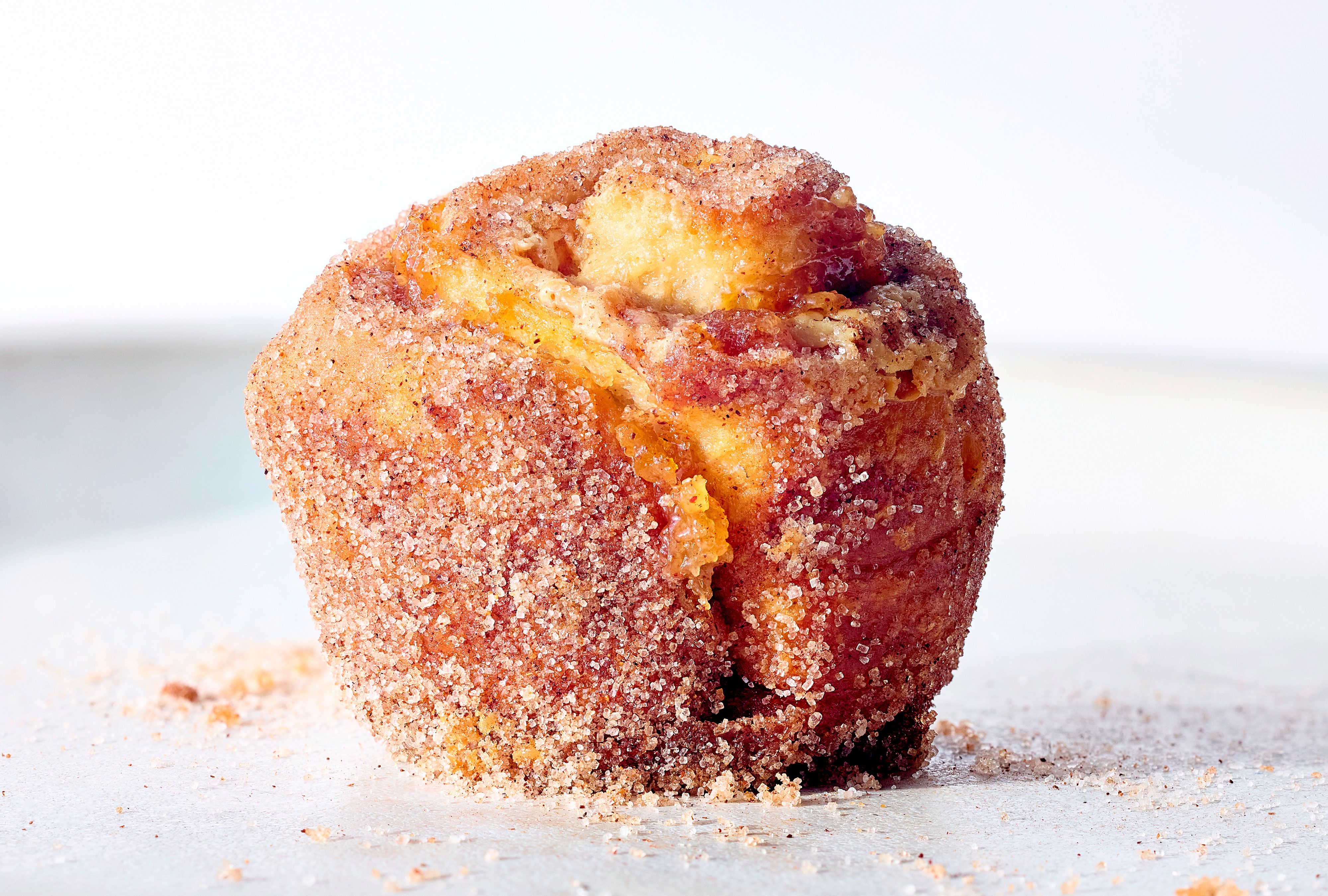
There are two kinds of breakfast people: the ones who wake up early enough to laminate dough from scratch, and the rest of us, who prefer our pastries with less drama and more coffee. This recipe is proudly for the second group. These apricot-halvah morning buns with canned crescent rolls deliver flaky layers, caramelized edges, and a sweet-sesame center without asking you to spend your entire morning butter-blocking dough like you’re auditioning for a baking show.
The idea is simple but glorious. You take refrigerated crescent dough, flatten and fill it, roll it into tight spirals, then bake the buns in a sugared muffin tin so the outsides crisp up while the centers stay tender. Apricot preserves bring bright fruitiness. Halvah adds that crumbly, nutty, sesame-rich sweetness that makes people pause mid-bite and say, “Wait. What is in this?” in the best possible way. A little orange zest and cinnamon tie everything together so the buns taste cozy, polished, and suspiciously more sophisticated than the effort required.
If you love easy morning buns, shortcut brunch pastries, or anything involving canned crescent rolls and a sticky-sugary finish, this recipe is your new weekend move. It feels bakery-adjacent, tastes special, and still leaves you enough energy to enjoy the brunch instead of collapsing next to the oven like a heroic fallen croissant soldier.
Why This Shortcut Morning Bun Actually Works
Classic morning buns usually rely on laminated dough, which is why they get those flaky, layered interiors and crisp, caramelized exteriors. Refrigerated crescent dough is not the same thing, but it is buttery, flexible, and surprisingly good at faking pastry-shop energy when treated correctly. The trick is to press the seams well, roll tightly, and bake in a muffin tin so the dough rises upward instead of outward like it suddenly forgot the assignment.
Apricot is a smart filling here because it is sweet but still a little tangy. That brightness cuts through the richness of the dough and the candy-like sweetness of the halva. Halvah, for its part, brings toasted sesame flavor and a delicate crumbly texture that melts into the bun rather than sitting there like a stubborn chunk of candy. The result is a pastry that tastes layered in more ways than one: buttery, fruity, nutty, citrusy, and just spicy enough from cinnamon to feel like breakfast and dessert are getting along unusually well.
And because these buns are finished with sugar instead of heavy icing, they land in that perfect middle ground between elegant and extremely snackable. They are sweet, yes, but not “I need a nap and a life coach” sweet. More like “I deserve a second one and possibly a third, depending on how this morning is going.”
Apricot-Halvah Morning Bun Recipe
Yield, Time, and Texture
Yield: 12 buns
Prep time: 20 minutes
Bake time: 16 to 20 minutes
Total time: About 40 minutes
Texture: Flaky edges, tender centers, sticky-sugary bottoms, and a soft spiral filled with apricot and sesame sweetness
Ingredients
- 2 cans refrigerated crescent dough sheets, 8 ounces each
- 3 tablespoons unsalted butter, melted
- 1/3 cup apricot preserves
- 1 teaspoon finely grated orange zest
- 1 tablespoon fresh orange juice
- 1/3 cup light brown sugar
- 5 tablespoons granulated sugar, divided
- 1 1/2 teaspoons ground cinnamon, divided
- 1/4 teaspoon kosher salt
- 4 ounces plain or pistachio halva, crumbled into small pieces
- 1/4 cup sliced almonds or chopped pistachios, lightly toasted
- Nonstick spray or softened butter, for the muffin tin
Ingredient Notes
If you only have classic crescent rolls instead of dough sheets, use them. Just press the perforations together well so you get two rectangles instead of a puzzle. For the preserves, choose a thick apricot jam or preserve rather than something runny. Thin jam will try to escape the bun and stage a sticky breakout in your muffin tin.
For halva, a standard sesame halva works beautifully, but pistachio halva is excellent too. Chocolate halva is fun, though it pulls the pastry in more of a dessert direction. Not bad, just less “brunch at 10” and more “I ate cake with coffee and I regret nothing.”
How to Make Apricot-Halvah Morning Buns
- Heat the oven and prep the pan. Preheat your oven to 375°F. Generously grease a 12-cup muffin tin with nonstick spray or softened butter. In a small bowl, mix 2 tablespoons of the granulated sugar with 1/2 teaspoon of the cinnamon. Sprinkle a little of that mixture into the muffin cups, turning the pan slightly so the bottoms and lower sides get a light sugary coating.
- Make the filling mixture. In another small bowl, stir together the brown sugar, remaining 3 tablespoons granulated sugar, remaining 1 teaspoon cinnamon, orange zest, and salt. In a separate bowl, stir the apricot preserves with the orange juice until spreadable. If the preserves are very thick, microwave them for about 10 seconds.
- Fill the first dough sheet. Unroll one crescent dough sheet onto a lightly floured surface. Gently press it into a neat rectangle, about 13 by 8 inches. Brush with 1 tablespoon melted butter. Spread half of the apricot mixture thinly over the surface, leaving a 1/2-inch border on one long side. Sprinkle with half of the sugar mixture, half of the crumbled halva, and half of the toasted nuts.
- Roll and chill briefly. Starting from the long side, roll the dough into a tight log. Pinch the seam gently. If the log feels very soft, place it in the freezer for 5 minutes. That small pause makes slicing much cleaner and keeps the spirals from squishing into abstract art.
- Repeat with the second sheet. Do the same with the second dough sheet using the remaining butter, preserves, sugar mixture, halva, and nuts.
- Slice the buns. Cut each log into 6 equal pieces for a total of 12 buns. A serrated knife works, but unflavored dental floss works even better if you want those smugly perfect spirals.
- Set in the muffin tin. Arrange the buns cut side up in the prepared muffin cups. Brush the tops lightly with the last bit of melted butter if you have any left clinging to the bowl. A tiny bit of extra sugar on top is optional, but delicious.
- Bake until deeply golden. Bake for 16 to 20 minutes, rotating the pan once halfway through, until the buns are puffed, deeply golden, and bubbly around the edges. The sugar will caramelize in the pan, and the apricot may peek out a little. That is not failure. That is flavor trying to make itself known.
- Cool briefly, then unmold. Let the buns rest in the pan for 5 minutes, no longer. Then run a thin knife around the edges and carefully lift them out while still warm. If you leave them in the pan too long, the sugar can set up like edible glue and suddenly you are negotiating with breakfast.
- Finish and serve. Serve warm as-is, or roll the sides very lightly in a little extra sugar if you want more sparkle and crunch. These are excellent with coffee, black tea, or the kind of late-morning confidence that comes from setting a pastry tower on the table.
What These Morning Buns Taste Like
The first bite is buttery and crisp from the caramelized outer layers. Then the apricot shows up with a bright, slightly tart fruit note that keeps everything lively. The halva follows with sweet sesame richness, and suddenly the whole thing feels more interesting than the average shortcut pastry. It is not cloying. It is not heavy with frosting. It is balanced, fragrant, and a little unexpected in a way that makes it memorable.
The orange zest is subtle but important. It does not scream “orange roll.” It quietly sharpens the apricot and wakes up the sesame flavor. The nuts add a little texture, but you can skip them if you prefer a softer bun. Either way, the pastry lands somewhere between a morning bun, a sticky bun, and a really smart jam-filled crescent roll that got dressed up for brunch.
Tips for the Best Apricot-Halvah Morning Buns
1. Do not overfill them
It is tempting to pile on extra jam and extra halva because joy is real and so is enthusiasm. Resist slightly. Too much filling makes the logs slippery, harder to slice, and more likely to leak into the pan. A thin, even layer is the secret to tidy spirals and crisp edges.
2. Press the seams well
If you are using perforated crescent dough, pinch and press those seams like you mean it. Any weak spots can split while rolling and baking, which means the filling may wander off and the bun shape can get messy.
3. Use a muffin tin, not a flat pan
This recipe is much better in a muffin tin because the sides encourage height and help the sugar caramelize around the bun. You end up with more structure, more browning, and more of that classic pull-apart look.
4. Unmold while warm
This is not the moment to answer texts, reorganize the dishwasher, or stare out the window reflecting on life. Once the buns come out, give them five minutes, then remove them. Future you will be grateful. Very grateful.
Easy Variations
Swap the fruit
Apricot is lovely, but peach preserves, orange marmalade, or even fig jam work well. Raspberry is also delicious if you want a tarter bun. Just remember that very loose jams can make the layers soggy, so choose something thick and spreadable.
Change the nuts
Sliced almonds keep the flavor profile elegant and slightly classic. Pistachios make the buns look extra pretty and pair beautifully with halva. Walnuts lean more rustic and deeper in flavor.
Add warm spices
A pinch of cardamom added to the sugar mixture is excellent here. It plays especially well with sesame and apricot. Ginger also works, but use it lightly so it does not bulldoze the other flavors.
Make them dessert-ish
If you want to slide these toward dessert, drizzle them with a tiny bit of orange glaze made from powdered sugar and orange juice. Keep it light. The buns are best when the finish enhances the pastry instead of burying it under a sugar avalanche.
How to Serve Them for Brunch
These buns look impressive piled on a cake stand or arranged on a platter with orange slices and a dusting of extra toasted nuts. They pair especially well with Greek yogurt, fresh berries, and strong coffee. If you are building a brunch spread, serve them with savory eggs or a simple frittata so the table has balance.
They also make a great holiday breakfast or low-effort “I brought something homemade” contribution for a gathering. Because they start with refrigerated dough, they feel magical in that very specific way shortcut recipes do: everyone assumes you worked harder than you did, and you simply smile and accept the compliments like the mysterious pastry genius you briefly became.
Storage and Reheating
These buns are best the day they are baked, preferably still a little warm. That said, leftovers keep well in an airtight container at room temperature for up to 1 day, or in the refrigerator for up to 3 days. Reheat them in a 300°F oven for about 6 to 8 minutes or in an air fryer for 3 to 4 minutes. The microwave works in an emergency, but it softens the crisp edges, and those edges are half the reason we are here.
You can also freeze the baked buns. Cool them completely, wrap individually, and freeze for up to 1 month. Reheat from thawed in the oven until warmed through and crisp again.
Common Mistakes to Avoid
- Using too much jam: It leaks, burns, and makes the layers slide around.
- Skipping the sugar in the pan: You lose some of the caramelized morning-bun charm.
- Cutting with a dull knife: The spirals get squashed and the filling gets dragged everywhere.
- Underbaking: Pale buns can look done on top while staying doughy in the center.
- Leaving them in the pan too long: The bottoms may stick once the sugar cools.
Why This Recipe Is Worth Keeping
A lot of shortcut pastries are nice enough, but forgettable. This one has personality. The apricot keeps it bright. The halva makes it intriguing. The crescent-roll base keeps it weekender-friendly. And the whole thing gives you that lovely illusion of having made a fancy brunch pastry without spending half your life turning dough and butter into emotional baggage.
It is the kind of recipe that earns repeat status because it hits several useful notes at once: easy, unusual, pretty, and genuinely tasty. It also invites tinkering, which is always a good sign. Once you make it once, you will start imagining different jams, extra spices, maybe a handful of pistachios, maybe a splash more orange. That is how recipes become personal favorites instead of one-time internet flings.
Kitchen Experiences: What It’s Like to Bake These in Real Life
There is something deeply satisfying about making a pastry that looks like it belongs behind a bakery case while knowing full well it started in a tube. These apricot-halvah morning buns with canned crescent rolls have that exact charm. They begin with the familiar pop of the dough can, which is never not slightly dramatic, and then quickly move into the kind of assembly that makes you feel competent and creative without needing a culinary degree or a marble pastry slab.
The experience starts getting fun the moment the apricot preserves hit the dough. The color alone makes the buns feel cheerful. Then comes the halva, which crumbles over everything like sweet sesame confetti. If you have never used halva in baking before, this is a great entry point because it feels fancy but behaves politely. It does not require tempering, whipping, or any other nonsense. You just crumble, scatter, roll, and suddenly your kitchen smells like a pastry shop with very good taste.
One of the best things about this recipe is how quickly it rewards you. With traditional morning buns, there is often a long stretch of waiting, folding, chilling, and hoping the butter stays where it belongs. Here, you go from idea to actual buns in under an hour. That makes these especially good for mornings when you want something special but do not want to turn breakfast into a project management seminar.
The baking itself is also part of the appeal. As the buns puff in the muffin tin, the sugar around the edges starts to melt, the preserves bubble, and the tops turn glossy and golden. It smells rich, fruity, buttery, and a little nutty from the sesame halva. It is the kind of smell that pulls people into the kitchen under the false pretense of “just seeing what’s going on.” What is going on, obviously, is that breakfast has become the main event.
These buns also have strong hosting energy. Put them on a platter and people assume you planned ahead, maybe even ironed napkins. They look generous and celebratory, especially with a little extra orange zest or chopped pistachio on top. They are perfect for spring brunches, holiday mornings, book club breakfasts, or any gathering where you want to seem effortlessly put together while secretly relying on refrigerated dough and good instincts.
Even the small flaws feel charming. Maybe one bun leaks a little apricot into the pan. Maybe another tilts sideways and comes out looking rustic. None of that matters once they are warm and fragrant on the table. In fact, imperfect buns often look more homemade in the best way. They say, “Yes, a real person made these,” not “I was printed by a pastry robot at 6:00 a.m.”
And then there is the actual eating experience, which is where the recipe really earns its keep. The edges are sticky and crisp. The center is soft and layered. The apricot tastes sunny and bright, while the halva gives the pastry a deeper, almost toasty sweetness. With coffee, it feels cozy. With tea, it feels elegant. Standing over the counter in pajamas, it feels like an excellent life decision.
That is probably the real reason this recipe works so well: it feels a little special without asking too much of you. It turns ordinary ingredients into something conversation-worthy. It makes brunch feel festive. It gives you bakery vibes on a grocery-store timeline. And honestly, that is a beautiful thing. Not every recipe needs to be a feat of endurance. Some recipes just need to be delicious, smart, and easy enough that you will actually make them again. This one absolutely is.
Conclusion
If you want a breakfast pastry that lands somewhere between clever shortcut and genuine crowd-pleaser, these apricot-halvah morning buns are it. They bring flaky layers, sticky-sugar edges, bright apricot flavor, and the unmistakable nutty sweetness of halva into one easy, memorable bake. Best of all, they let canned crescent rolls do the heavy lifting while you take full credit for brunch brilliance.