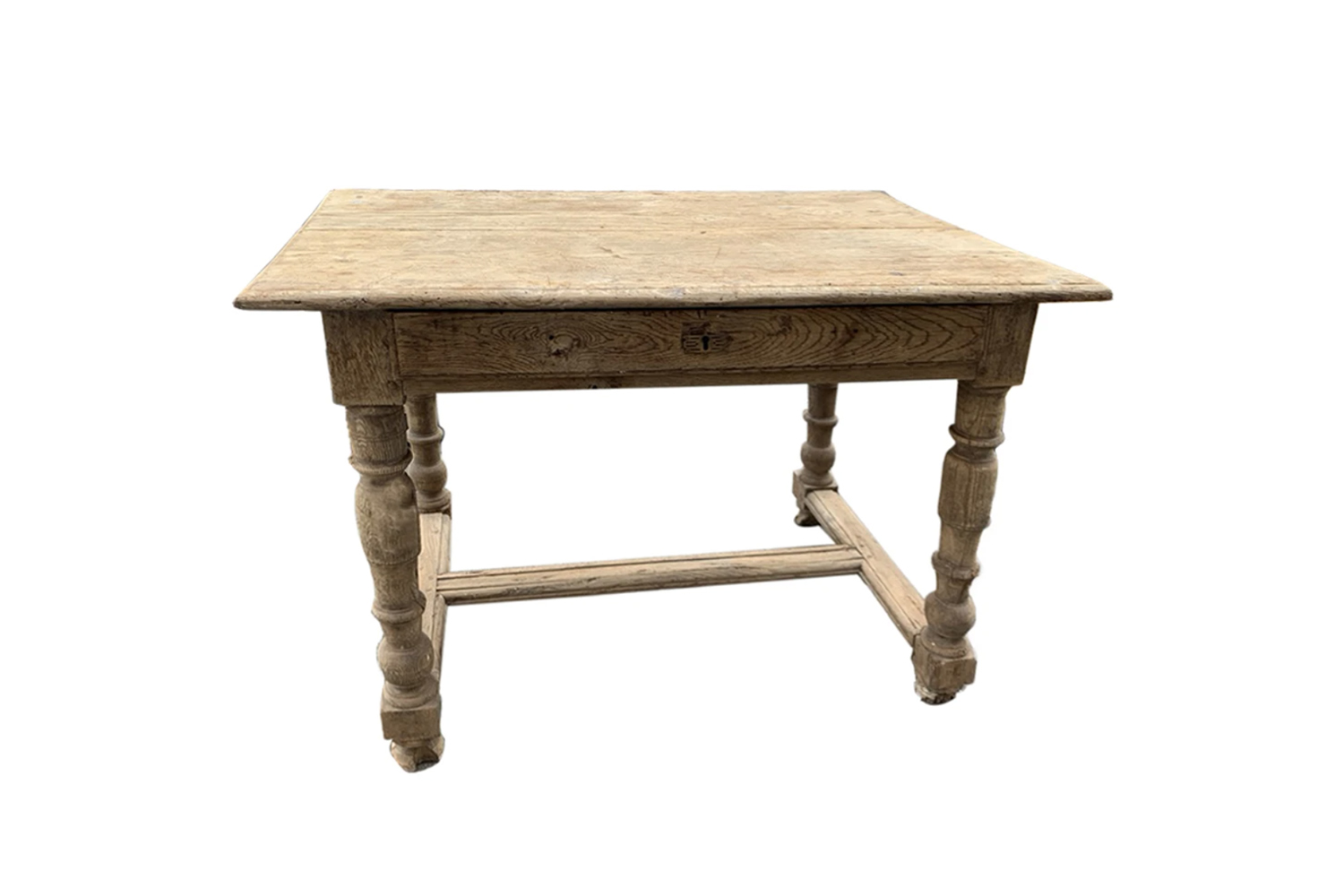
Some furniture walks into a room. An antique French table makes an entrance, then quietly steals the whole plot. It can be elegant without looking snobbish, rustic without feeling rough, and glamorous without acting like it needs its own spotlight operator. That balance is exactly why these pieces have survived changing tastes, endless remodels, and at least a few bad wallpaper decisions across the centuries.
The phrase antique French table covers more ground than many shoppers realize. It can mean a marble-topped Louis XVI side table with delicate tapering legs, a curvy Louis XV writing table with marquetry and gilt details, or a sturdy provincial farm table that looks ready to host bread, wine, gossip, and possibly a dramatic family debate. In other words, this category is not one thing. It is a wonderfully stylish family reunion.
For collectors, decorators, and curious homeowners, antique French tables offer three big wins: craftsmanship, character, and flexibility. They are useful pieces of furniture, yes, but they are also little history lessons in wood, veneer, patina, and proportion. A good one can anchor a dining room, soften a formal foyer, warm up a modern apartment, or make a plain corner look like you actually know what you are doing. Even better, these tables often age more gracefully than mass-produced furniture. They were built to be lived with, repaired, admired, and passed down, not tossed out the moment a screw gets moody.
What Makes an Antique French Table So Desirable?
At a glance, the appeal seems obvious: antique French tables are beautiful. But the deeper attraction is that they blend refinement with function. Many French designs were created for specific daily rituals, whether that meant writing letters, serving tea, displaying porcelain, or setting a meal. That practical backbone keeps them from feeling like museum props. Even the more decorative examples tend to have a real purpose, which is great news if you love gorgeous furniture but still need somewhere to put your coffee.
Materials matter, too. Antique French tables often feature oak, walnut, chestnut, fruitwood, kingwood, tulipwood, or mahogany, depending on period and region. Higher-style examples may include marble tops, floral marquetry, parquetry, bronze mounts, or lacquered surfaces. Simpler provincial tables lean harder into honest timber and useful scale. Both approaches are appealing, just in different moods. One whispers, “I summer in Provence.” The other says, “I probably own opera gloves.”
Then there is patina, the magic word in antique buying. Patina is not just wear. It is the visual record of age, use, light, polishing, repairs, and time. A tabletop with a soft sheen, mellow color variation, and tiny signs of life often feels richer than a brand-new surface trying very hard to look “old.” Real age tends to be subtle. Fake age often looks like it was applied with a chain and a weekend grudge.
The Main Styles You Should Know
Louis XV: Curves, Movement, and Rococo Charm
If you picture an antique French table with graceful curves, cabriole legs, floral marquetry, and a slightly flirtatious silhouette, you are probably thinking of the Louis XV tradition. This style is associated with rococo design, which favored movement, asymmetry, comfort, and ornament. Tables from this world often feel lively rather than rigid. They curve. They sweep. They generally refuse to stand there like a boring rectangular spreadsheet.
A Louis XV table can work beautifully in traditional interiors, but it can also be surprisingly effective in a modern room. A single curvy antique piece can loosen up a space full of straight lines and make the room feel more collected than decorated. Think of it as the design equivalent of a perfectly timed witty comment.
Louis XVI: Straighter Lines and Neoclassical Discipline
Louis XVI tables usually look more restrained and architectural. You will often see straighter, tapering or reeded legs, more geometric outlines, and decorative motifs influenced by classicism. The overall effect is elegant but controlled. Where Louis XV is all movement and romance, Louis XVI is symmetry, order, and polished confidence.
This style is especially popular with decorators who want antiques that play nicely with cleaner interiors. A Louis XVI side table, gueridon, or writing table can sit comfortably beside tailored upholstery, modern lighting, or even minimal walls without looking fussy. It brings history into the room without staging a full costume drama.
Provincial and Farm Tables: The Rustic Soul of French Living
Not every antique French table was made for a palace, which is excellent news for the rest of us. Provincial and farmhouse tables from regions outside Paris tend to be simpler, sturdier, and more grounded in daily life. These pieces often use oak, walnut, or fruitwood and emphasize shape, utility, and durability over elaborate ornament.
This is where many of today’s most loved French country tables come from. Long refectory tables, monastery tables, kitchen work tables, and modest dining tables fit naturally into homes that value warmth and texture. They bring age without stiffness and elegance without fragility. If your dream house includes breadboards, linen napkins, and a general feeling of “someone here knows how to roast a chicken,” you are likely in provincial territory.
How to Tell Whether an Antique French Table Is the Real Deal
Start With Construction
Flip the table over if you can. Open the drawer. Look underneath. Antique furniture reveals itself in the places modern reproductions hope you will ignore. Check the joinery, drawer bottoms, nail types, and tool marks. True age often shows up in small irregularities: wood shrinkage, hand-finished edges, older joinery methods, and repairs made over time. That does not mean every old piece is perfect. In fact, perfection can be suspicious.
Drawers are especially revealing. A table with hand-cut dovetails, uneven spacing, older wear patterns, and material changes inside may be worth a closer look. Machine-perfect interiors on a piece advertised as eighteenth-century usually deserve a raised eyebrow.
Look for Marks, But Do Not Panic If You Cannot Find One
Maker’s marks, stamps, labels, and inventory numbers can help identify age or origin, especially on higher-end French furniture. Some pieces were stamped by cabinetmakers, while others carry dealer labels or later collection marks. But a missing mark does not automatically mean a table is fake. Plenty of legitimate antiques are unmarked. Think of a mark as useful evidence, not a magical truth potion.
Read the Surface Like a Story
Surface condition matters. So does how that condition happened. Natural wear usually appears where hands touched, drawers opened, knees bumped, and sunlight reached. Veneer loss, patches, old restorations, and faded finish may be acceptable if the table remains stable and attractive. What you want to avoid is deceptive distressing or damage so severe that ownership starts to feel like a part-time restoration internship.
Ask whether the finish is original, refreshed, or fully refinished. Original finish can be valuable, but so can a thoughtful restoration if it preserved the table’s character. On the other hand, a heavily sanded piece with erased detail and flat-looking color may have lost some of the very history you were paying for.
Where an Antique French Table Works Best in Today’s Home
Dining Room
A French dining table brings immediate presence to a dining room, especially if the surrounding decor is simple. Pair a farmhouse table with upholstered host chairs and linen runners for relaxed elegance, or use a more refined Louis-style table with mixed seating to keep the look from becoming too formal. Antique dining surfaces are often at their best when they are actually used. Tiny scratches from dinner parties can feel like continuity, not damage.
Entryway or Foyer
A marble-topped console, demi-lune, or petite center table gives an entry instant depth. Add a mirror, a lamp, a stack of books, and perhaps one scandalously pretty bowl for keys, and suddenly your foyer looks intentional instead of like a hallway that accidentally acquired a rug.
Living Room
Smaller French tables shine as side tables, lamp tables, and occasional pieces. A gueridon beside a reading chair can add just enough elegance to make the chair look promoted. Nestled between a sofa and a fireplace, an antique table softens a room and introduces the layered feeling that many newer homes desperately need.
Kitchen and Work Spaces
Antique French work tables and farm tables are especially useful in kitchens, breakfast rooms, and studios. Their sturdy construction and generous tops make them practical, while their worn surfaces keep hardworking rooms from feeling too slick. They are also wonderfully forgiving in homes with imperfect floors, old plaster, and actual human beings.
Buying Tips That Can Save You Money and Heartbreak
First, buy for structure before surface sparkle. A table with great bones and modest cosmetic wear is usually a better investment than a flashy piece hiding wobble, warped construction, or major veneer failure. Always check stability. If the table rocks like it has strong opinions, figure out whether the issue is minor adjustment or major trouble.
Second, ask practical questions. What period is it attributed to? Has it been restored? Are there replaced parts? Is the marble original? Has the top been cut down? Are the dimensions comfortable for modern chairs and modern humans, who, inconveniently, tend to expect legroom? These details affect both value and daily satisfaction.
Third, learn the difference between antique, vintage, and style. An antique is generally at least 100 years old. Vintage is younger. “French style” may mean the piece borrows the look without the age. There is nothing wrong with a good vintage French-style table, but it should not be priced or presented like a true antique.
Finally, buy the table you will actually live with. The best antique is not always the rarest or most expensive. Sometimes it is the one with the right scale, enough history to feel soulful, and a top sturdy enough to survive your coffee mug. Romance is important, but so is not panicking every time someone sets down a plate.
How to Care for an Antique French Table
Gentle care goes a long way. Dust regularly with a soft microfiber cloth. Avoid soaking the wood. For grime, use a lightly damp cloth with a mild soap solution, then dry immediately. Skip harsh sprays, abrasive pads, and heavy-handed DIY experiments involving random pantry ingredients unless you know the finish can handle them. Your table deserves better than being treated like a middle-school science project.
Protect the surface from heat, standing water, and direct sunlight. Use trivets, mats, and coasters. Maintain a relatively stable indoor environment, because major swings in humidity can stress old wood and veneer. If the table has gilt-bronze mounts, delicate marquetry, or serious finish issues, consult a furniture conservator before launching a “quick fix.” In the antique world, quick fixes have a legendary tendency to become expensive lessons.
Storage matters, too. Do not banish an antique French table to a damp basement, hot attic, or unconditioned garage unless your goal is to audition for a disaster-recovery show. These pieces prefer stable temperature, airflow, and a calm indoor life. Honestly, same.
Why an Antique French Table Still Feels Relevant
Part of the reason antique French tables remain popular is that they solve a modern design problem: too many rooms feel new all at once. Matching sets can be efficient, but they rarely create soul. An old French table introduces variation in age, finish, line, and meaning. It gives the eye somewhere interesting to land.
These tables also fit beautifully into the growing preference for homes that feel layered, sustainable, and personal. Buying an antique is, in a practical sense, a form of reuse. It keeps craftsmanship in circulation and reduces the urge to replace furniture every few years. And unlike many trend-driven pieces, an antique French table does not need to announce itself as timeless. It simply is.
Experience: Living With an Antique French Table
Living with an antique French table is different from owning ordinary furniture, and that difference sneaks up on you in the nicest way. At first, you notice the obvious things: the shape of the legs, the worn edges, the color in the wood when morning light hits it. You admire it the way you admire a good coat or a beautifully made pair of shoes. It looks right. It feels substantial. It has a quiet confidence that most flat-packed furniture can only dream about.
Then daily life begins to gather around it. A dining table becomes the place where coffee turns into lunch and lunch somehow turns into a pile of mail, a laptop, a vase of grocery-store flowers, and one lonely lemon that no one admits buying. A smaller French side table starts holding books, reading glasses, and the candle you light when guests come over so the room smells faintly expensive. Over time, the table stops feeling like a purchase and starts feeling like a participant.
One of the best parts of owning an antique French table is the way it changes the mood of a room without demanding a full redesign. You can place one in a modern apartment with plain walls and contemporary seating, and suddenly the entire space feels more nuanced. There is tension in the best possible sense: old and new, polished and worn, elegant and practical. That contrast makes a room feel lived in rather than staged. It suggests that the home was assembled over time, by a person with taste, curiosity, and enough self-control not to buy every matching item in the catalog.
There is also a subtle emotional pleasure in using something that has already had a life before yours. The tiny imperfections become comforting. A faint water mark, a softened corner, a repair under the drawer, a patch in the veneer that only you know is there, these details make the piece feel human. They remind you that beauty and wear are not enemies. In fact, in antiques, they are usually best friends.
Guests notice, too. People may not always know the exact period or proper French name, but they can feel when a piece has presence. An antique French table tends to invite questions: Where did you find it? How old is it? Was it always this color? That curiosity is part of the fun. The table becomes a conversation starter without ever seeming desperate for attention. It has the social skills of someone who is genuinely interesting and therefore does not need to brag.
In the end, that may be the real joy of an antique French table. It is useful, yes. It is decorative, absolutely. But it also brings atmosphere, memory, and a sense of continuity into everyday life. You do not just own it. You build routines around it. You notice the seasons on its surface, the lamplight across its grain, the way it makes ordinary evenings feel just a little more intentional. And in a world full of disposable things, that kind of lasting companionship is not just charming. It is rare.
Conclusion
An antique French table is more than a decorative flourish. It is a practical piece of history that can make a room feel richer, warmer, and more personal. Whether you are drawn to the curves of Louis XV, the crisp elegance of Louis XVI, or the hardworking charm of a provincial farm table, the key is to buy with both your eyes and your common sense. Look for craftsmanship, honest condition, good proportions, and a piece that suits the way you actually live.
Choose well, care for it gently, and an antique French table will do what the best furniture always does: serve your home beautifully while making it feel more like yours.