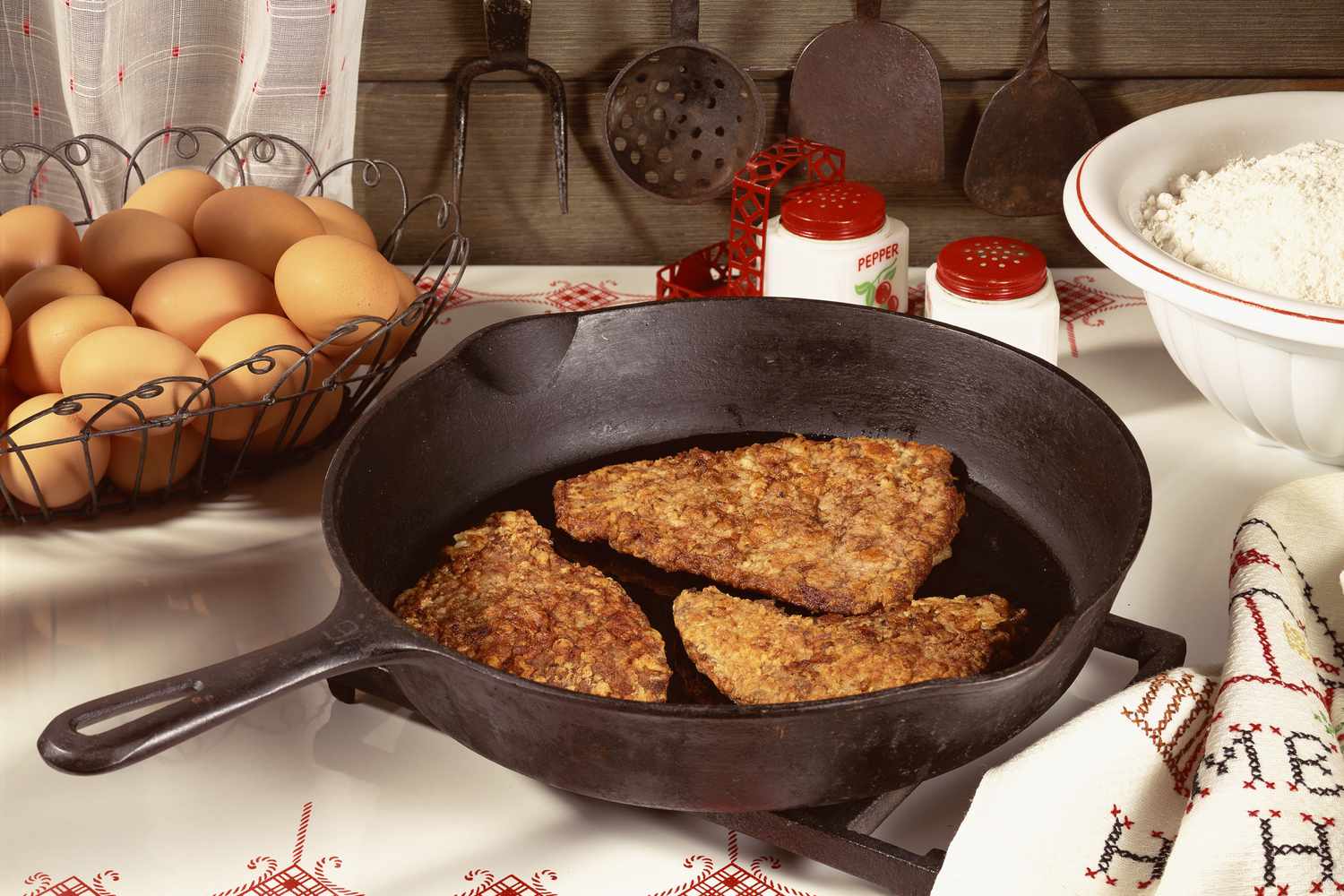
If Texas had a love language, it would probably be “cream gravy.” And if that gravy had a favorite landing pad, it would be a golden, craggy, peppery slab of chicken fried steak. Annie’s Texas Chicken Fried Steak Recipe is the kind of meal that walks into the room wearing boots, a big smile, and absolutely no interest in being low-key.
Despite the name, chicken fried steak is not chicken. It is beefusually cube steak or tenderized round steakbreaded and fried using a method similar to fried chicken. The result is a crisp, seasoned crust wrapped around tender steak, finished with creamy pepper gravy made from the pan drippings. It is hearty, nostalgic, unapologetically comforting, and exactly the sort of dish that makes mashed potatoes feel like they were born for greatness.
This version keeps the soul of a classic Texas chicken fried steak while making the method approachable for a home kitchen. You do not need a restaurant fryer, a cowboy hat, or a grandmother named Annie. You only need thin tenderized beef, a bold flour coating, a buttermilk-egg dip, hot oil, and the patience to let the crust do its crispy little magic trick.
What Makes Annie’s Texas Chicken Fried Steak Special?
The best chicken fried steak is all about contrast. The crust should shatter slightly when your fork cuts through it, but the steak underneath should stay juicy and tender. The gravy should be creamy, peppery, and rich without turning into wallpaper paste. Annie’s recipe focuses on three key details: seasoning every layer, using a double dredge, and giving the breaded steaks a short rest before frying.
Many home cooks make the mistake of seasoning only the flour or only the meat. That leads to bland bites, which is a culinary tragedy of the “why did I even heat oil?” variety. In this recipe, salt, black pepper, garlic powder, onion powder, paprika, and a tiny pinch of cayenne are used in the coating. The buttermilk mixture adds tang, while a little baking powder helps the crust fry up light instead of heavy.
The gravy is just as important as the steak. A proper Texas-style cream gravy starts with a bit of frying oil and browned bits from the skillet. Flour is whisked in to make a roux, then milk is slowly added until the sauce becomes smooth, creamy, and spoonable. Lots of black pepper gives it that diner-style finish.
Ingredients for Annie’s Texas Chicken Fried Steak
For the Steak
- 4 beef cube steaks, about 4 to 6 ounces each
- 1 1/2 teaspoons kosher salt, divided
- 1 1/2 teaspoons freshly ground black pepper, divided
- 2 cups all-purpose flour
- 1/4 cup cornstarch
- 1 teaspoon garlic powder
- 1 teaspoon onion powder
- 1 teaspoon smoked paprika or regular paprika
- 1/4 teaspoon cayenne pepper, optional
- 1 teaspoon baking powder
- 2 large eggs
- 1 cup buttermilk
- 1 tablespoon hot sauce, optional but recommended
- Vegetable oil, canola oil, or peanut oil for frying
For the Cream Gravy
- 1/4 cup reserved frying oil or pan drippings
- 1/4 cup all-purpose flour
- 2 1/2 cups whole milk, warmed slightly
- 1/2 teaspoon kosher salt, plus more to taste
- 1 to 1 1/2 teaspoons freshly ground black pepper
- Pinch of cayenne, optional
How to Make Annie’s Texas Chicken Fried Steak
Step 1: Prep the Steak
Pat the cube steaks dry with paper towels. Moisture is the enemy of a crisp crust, and chicken fried steak deserves better than a soggy sweater. Season both sides lightly with salt and pepper. If the steaks are thicker than 1/2 inch, place them between sheets of plastic wrap and gently pound them thinner with a meat mallet or rolling pin.
Step 2: Set Up the Dredging Station
In a shallow dish, whisk together the flour, cornstarch, garlic powder, onion powder, paprika, cayenne, baking powder, remaining salt, and remaining black pepper. In a second shallow dish, whisk the eggs, buttermilk, and hot sauce until smooth.
The cornstarch helps create a delicate crunch, while baking powder adds a little lift. Buttermilk brings tang and helps the coating cling to the steak. This is not just breading; this is edible architecture.
Step 3: Double Dredge for Maximum Crunch
Dip each steak into the seasoned flour mixture, pressing the flour into every little crevice. Shake off the excess, then dip it into the buttermilk mixture. Finally, return it to the flour and press again so the coating becomes thick, craggy, and full of crispy potential.
Place the coated steaks on a wire rack and let them rest for 10 to 15 minutes. This small pause helps the coating hydrate and stick better during frying. In other words, it keeps the crust on the steak instead of floating away in the skillet like a tiny fried life raft.
Step 4: Fry Until Golden Brown
Add about 1/2 inch of oil to a large cast-iron skillet or heavy-bottomed pan. Heat over medium-high heat until the oil reaches about 350°F. If you do not have a thermometer, drop in a tiny pinch of flour. It should sizzle immediately but not burn.
Fry the steaks in batches, about 3 to 4 minutes per side, until deep golden brown and crisp. Do not crowd the pan. Crowding drops the oil temperature, which can make the crust greasy instead of crisp. Transfer the cooked steaks to a wire rack set over a baking sheet. For food safety, beef steaks should reach at least 145°F and rest for 3 minutes.
Step 5: Make the Cream Gravy
Carefully pour off most of the frying oil, leaving about 1/4 cup in the skillet along with the browned bits. Reduce the heat to medium. Whisk in 1/4 cup flour and cook for 1 to 2 minutes, stirring constantly, until the mixture turns lightly golden.
Slowly whisk in the warm milk, adding a little at a time to prevent lumps. Keep whisking until the gravy thickens, about 4 to 6 minutes. Season with salt, plenty of black pepper, and a pinch of cayenne if you like a little warmth. If the gravy gets too thick, add another splash of milk. If it is too thin, simmer it a minute longer.
Step 6: Serve Like You Mean It
Spoon the gravy over the chicken fried steak right before serving. Add mashed potatoes, green beans, buttermilk biscuits, corn, coleslaw, or a simple salad if you want to pretend balance was invited to dinner. For the full Texas comfort-food experience, put extra gravy on the table. Someone will ask for it. That someone may be you.
Pro Tips for Crispy Chicken Fried Steak
Use Cube Steak or Tenderized Round Steak
Cube steak is the classic choice because it has already been mechanically tenderized. The little indentations help the breading cling and make the steak easier to cut. If you only have round steak or sirloin, pound it thin and tender before breading.
Season Every Layer
The steak, the flour, and the gravy all need seasoning. This is how you get bold flavor instead of a crust that tastes like fried paperwork.
Let the Coating Rest
After dredging, give the steaks 10 to 15 minutes on a rack. This helps the coating bond to the meat and reduces the chance of losing that gorgeous crust in the oil.
Keep the Oil Hot
Oil that is too cool makes greasy steak. Oil that is too hot burns the coating before the beef is properly cooked. Aim for 350°F and adjust the heat between batches.
Drain on a Wire Rack
Paper towels can trap steam under the steak, softening the bottom crust. A wire rack keeps air moving so the crust stays crisp longer.
Common Mistakes to Avoid
Skipping the tenderizing step: Chicken fried steak should be fork-tender. If the meat is thick or tough, pound it thinner before coating.
Using bland flour: Flour needs seasoning. Add enough salt, pepper, and spices to make the crust flavorful on its own.
Pouring cold milk into gravy all at once: Add milk gradually and whisk constantly. This keeps the gravy smooth instead of lumpy.
Serving too late: Chicken fried steak is best fresh from the skillet. You can hold it briefly in a low oven, but this is not a “make it yesterday and hope for applause” recipe.
What to Serve with Texas Chicken Fried Steak
Mashed potatoes are the obvious partner because they catch gravy like they were designed by engineers with excellent taste. But there are plenty of other sides that work beautifully with Annie’s Texas chicken fried steak recipe.
- Buttermilk biscuits: Ideal for sweeping up extra gravy.
- Green beans: A fresh, simple side that cuts through the richness.
- Creamed corn: Sweet, cozy, and very Southern.
- Coleslaw: Crunchy and cool beside the hot, crispy steak.
- Fried okra: Because sometimes the answer to fried food is more fried food.
- Simple garden salad: For color, freshness, and moral support.
How to Store and Reheat Chicken Fried Steak
Store leftover steak and gravy separately in airtight containers in the refrigerator for up to 3 days. Keeping them separate helps the crust survive. To reheat, place the steak on a wire rack over a baking sheet and warm it in a 350°F oven until hot and crisp. An air fryer also works well for restoring crunch.
Reheat the gravy gently in a saucepan over low heat, adding a splash of milk to loosen it. Avoid microwaving the steak if possible, unless you enjoy crust with the texture of a damp handshake.
Can You Make Chicken Fried Steak Ahead of Time?
You can prep parts of the recipe ahead, but frying is best done right before serving. The flour mixture can be made a day or two in advance and stored in an airtight container. The steaks can be tenderized and seasoned a few hours ahead, then refrigerated. For best texture, bread the steaks shortly before frying and let them rest on a rack while the oil heats.
If you need to cook for a crowd, fry the steaks in batches and keep them warm on a wire rack in a 200°F oven. Do not cover them tightly with foil, because trapped steam softens the crust.
Why This Recipe Works
Annie’s Texas Chicken Fried Steak Recipe works because it respects the details. The steak is thin enough to cook quickly. The seasoned flour brings flavor. Cornstarch and baking powder improve the crust. Buttermilk helps tenderize and cling. Resting the coated steak before frying gives the breading a better grip. Finally, the cream gravy uses pan drippings, which means every spoonful carries the flavor of the crust and beef.
The dish may look simple, but it is built on technique. That is the charm of Southern and Texas comfort food: humble ingredients, smart cooking, big payoff. A cube steak, a cup of buttermilk, flour, pepper, and milk become something that tastes like a roadside diner, a family kitchen, and a weekend treat all at once.
Frequently Asked Questions
Is chicken fried steak made with chicken?
No. Chicken fried steak is made with beef, usually cube steak. The word “chicken” refers to the cooking style: breaded and fried in a way similar to fried chicken.
What is the difference between chicken fried steak and country fried steak?
The terms are sometimes used interchangeably, but chicken fried steak usually has a crispier, fried-chicken-style coating and is served with white cream gravy. Country fried steak may have a simpler flour coating and is often served with brown gravy, depending on the region.
Can I use milk instead of buttermilk?
Yes, but buttermilk gives better flavor and helps the coating cling. If you do not have buttermilk, stir 1 tablespoon of lemon juice or vinegar into 1 cup of milk and let it sit for about 10 minutes.
What oil is best for frying chicken fried steak?
Use a neutral oil with a high smoke point, such as vegetable oil, canola oil, or peanut oil. Olive oil is not the best choice for this kind of frying.
How do I keep the breading from falling off?
Pat the meat dry, press the flour firmly into the steak, use a double dredge, and let the coated steaks rest before frying. Also, avoid flipping too often. Let the first side set before turning.
Experiences and Kitchen Lessons from Making Annie’s Texas Chicken Fried Steak
The first thing you learn from making Annie’s Texas Chicken Fried Steak Recipe is that this dish has a personality. It is not quiet food. It sizzles loudly, perfumes the kitchen with pepper and toasted flour, and makes everyone within sniffing distance suddenly “just checking in.” Even people who claimed they were not very hungry begin hovering near the stove like friendly raccoons in socks.
One of the best experiences with this recipe is watching the coating transform. At first, the breaded steaks look pale and dusty, almost too floury. Then they hit the hot oil, and the surface bubbles, tightens, and turns golden brown. The little ridges created by the double dredge become crunchy peaks. This is why pressing the flour into the meat matters. A smooth coating is fine, but a rough, craggy coating is where the magic lives.
Another lesson is that gravy teaches patience. When the flour first hits the pan drippings, it can look clumpy and unimpressive. Do not panic. Keep whisking. Add the milk slowly. The gravy will loosen, smooth out, and thicken into a creamy sauce that tastes far better than anything from a packet. The browned bits in the pan are tiny flavor treasures, so do not scrape them away before making the gravy. They are doing important work.
This recipe also proves that comfort food is about timing. Chicken fried steak is at its best when served hot, crisp, and freshly covered with gravy. If you are cooking for family or friends, set the sides out first. Have the mashed potatoes ready, the biscuits warm, and the plates waiting. Once the steaks are fried and the gravy is done, the meal should move quickly from skillet to table.
The most memorable part, though, is how satisfying the dish feels. It is not fancy in the polished-silver sense. It is fancy in the “everyone stopped talking for a second because the first bite landed” sense. The crust crunches, the beef is tender, the gravy is peppery, and suddenly a simple dinner feels like an event. That is the real charm of Annie’s Texas Chicken Fried Steak Recipe: it turns basic ingredients into a plate that feels generous, familiar, and just a little celebratory.
If you are making it for the first time, give yourself permission to make a little mess. Flour may land on the counter. A few drops of gravy may decorate the stovetop. Your first steak may be slightly darker than the others while you learn the heat of your pan. That is all part of the experience. By the second batch, you will start to understand the rhythm: dredge, rest, fry, drain, whisk, serve. And by the time the plates are clean, someone will probably ask when you are making it again.
Conclusion
Annie’s Texas Chicken Fried Steak Recipe is everything a great comfort-food classic should be: crispy, tender, peppery, creamy, and deeply satisfying. It takes everyday ingredients and turns them into a meal with real presence. The key is to season generously, double dredge carefully, keep the oil hot, and make the gravy from the flavorful pan drippings.
Whether you serve it for Sunday supper, a cozy weekend dinner, or a Texas-themed feast, this chicken fried steak brings big flavor without complicated steps. It is the kind of recipe that rewards attention but forgives imperfection. And really, once there is cream gravy involved, the evening is already heading in the right direction.