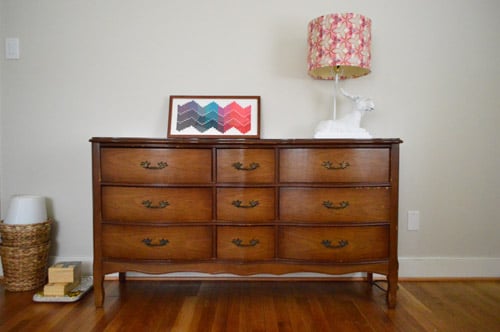
Some decorating choices whisper. A moose lamp does not whisper. A moose lamp kicks open the door, clears its antlers, and announces that this room has a point of view. Pair that bold little weirdo with a vintage dresser, though, and suddenly the look shifts from “impulse buy at a mountain gift shop” to “collected, layered, and surprisingly cool.” That is the magic of mixing whimsy with history.
If you are trying to add personality to a bedroom, guest room, entryway, or rustic-modern corner, adding a moose lamp and a vintage dresser can create a space that feels curated rather than cookie-cutter. One piece brings humor, sculptural shape, and warm light. The other brings storage, patina, and the kind of charm flat-pack furniture can only dream about at night. Together, they create contrast, which is one of the easiest ways to make a room memorable.
The trick is balance. You want the moose lamp to feel intentional, not random. You want the vintage dresser to look storied, not tired. And you definitely want the whole setup to feel like a grown-up design choice instead of a lodge-theme accident. Here is how to pull it off with style, function, and just enough swagger.
Why a Moose Lamp and a Vintage Dresser Work So Well Together
Good rooms are rarely built from matching sets. They are built from contrast: old and new, rough and refined, practical and playful. A vintage dresser grounds a room because it has visual weight. It usually brings warm wood tones, detailed hardware, and a sense of permanence. A moose lamp, by contrast, is lighter in spirit. It acts as an accent piece, a conversation starter, and a sculptural source of layered lighting.
That contrast is exactly why the pairing works. The dresser says, “I have history.” The lamp says, “I also have a sense of humor.” Put them together and the space feels more personal. Less showroom. More “someone interesting lives here.”
There is also a practical reason this combination succeeds. Dressers naturally offer a stage for décor. Their tops are ideal for lamps, mirrors, trays, books, and objects with personality. So if you are looking for a place to showcase a statement lamp, a dresser is not just a pretty option. It is the obvious one.
Start with the Vintage Dresser
Choose shape before color
When shopping for a vintage dresser, focus first on silhouette. Clean midcentury lines, curvy French-inspired fronts, sturdy farmhouse pieces, and simple Shaker forms can all work. The goal is not to find a dresser that perfectly matches the lamp. The goal is to find one with strong bones. If the shape is good, you can style around the finish.
A low, wide dresser works especially well if your moose lamp is chunky or detailed, because it gives the lamp room to breathe. A tall, narrow chest can work too, but then the lamp should be smaller and leaner so the proportions do not turn into a furniture traffic jam.
Respect the wood tone and patina
Not every vintage dresser needs a paintbrush and a makeover montage. In many cases, the scratches, softened finish, and slightly worn edges are the very things that make it beautiful. A dresser with visible grain, warm brown tones, or aged brass hardware can add depth to a room full of newer pieces.
If you do refinish it, think in terms of enhancement instead of erasure. Clean it thoroughly. Repair anything wobbly. Wax or oil the wood if it is dry. Swap damaged hardware only if needed, and try to choose replacements that suit the era of the piece. Slapping ultra-modern shiny hardware on an antique dresser is a little like putting neon sneakers on a Victorian ghost. Bold, yes. Correct, no.
Make sure it is safe and usable
Vintage is charming, but function still matters. Check drawer glide, stability, and structure. If the dresser will live in a child-accessible space, anchor it securely to the wall. Style should be fun. Tip-over risk is not.
Then Bring in the Moose Lamp
Pick the right kind of moose energy
Not all moose lamps are created equal. Some are rustic and woodsy, with antlers, faux antler branches, or carved lodge-style details. Others are cheekier and more modern, with simplified silhouettes, metallic finishes, or quirky resin bases. Before buying one, decide which version suits your room.
If your vintage dresser is dark wood and serious-looking, a playful moose lamp can lighten the mood. If your dresser already has ornate curves or strong pattern nearby, choose a simpler lamp with a more streamlined form. Let one piece be the extrovert and the other be the stabilizing friend who remembers everyone’s birthday.
Use the lampshade to control the vibe
The shade matters almost as much as the base. A linen drum shade keeps a moose lamp from feeling too theme-y. A pleated shade can lean a little grandmillennial. A parchment shade adds warmth. A black shade makes the lamp feel moodier and more dramatic. This is where you decide whether the lamp reads rustic, eclectic, classic, or slightly rebellious.
If the lamp base is visually busy, choose a quieter shade. If the base is simple, the shade can bring more texture or color. Think of it as wardrobe styling for your lamp, except this outfit does not need dry cleaning.
Choose warm light, not interrogation-room light
A moose lamp should create atmosphere. Use a warm bulb that gives the room a cozy glow, especially if the dresser sits in a bedroom or guest room. The lamp is there to layer light, soften the wood tones of the dresser, and make everything feel more inviting. No one wants their charming vintage vignette lit like a dentist’s office.
How to Style the Top of the Dresser
Follow the rule of visual balance
Once the lamp is in place, style the dresser top with restraint. You do not need to fill every inch. In fact, the fastest way to make a beautiful dresser look messy is to treat the surface like a yard sale with ambitions.
A simple formula works well:
- One statement lamp
- One vertical element, like a mirror or framed art
- One low tray or stack of books
- One organic touch, such as greenery, branches, or a ceramic vase
- One small personal object, like a candle, box, or vintage dish
This combination creates height, shape, texture, and breathing room. If your moose lamp is large, reduce the number of supporting items. Let it star in the show. Every performer needs a supporting cast, but no one needs six backup dancers doing cartwheels on a dresser top.
Add a mirror for light and scale
A mirror above the dresser is one of the easiest ways to make the whole setup feel complete. It reflects the lamp’s glow, adds verticality, and helps the arrangement feel anchored. Round mirrors soften the angular lines of many dressers. Rectangular mirrors feel classic. Antique mirrors lean into the collected look and pair beautifully with vintage wood.
Layer texture around the wood
Because a vintage dresser often brings a lot of visual weight, texture is your friend. Try a woven tray, a stack of clothbound books, a ceramic vase, or a soft runner underneath the lamp if the surface needs protection. These additions help the arrangement feel layered instead of hard and heavy.
Best Rooms for This Pairing
Bedroom
This is the most natural fit. A vintage dresser already belongs in a bedroom, and a moose lamp can add warmth and personality without taking up floor space. If the room feels too formal, the lamp loosens it up. If the room feels too plain, the dresser provides richness.
Guest room
Guest rooms often suffer from one of two problems: they are either bland or trying suspiciously hard. A vintage dresser and a moose lamp solve both. The dresser makes the room feel useful and established. The lamp makes it memorable. Guests may not remember your throw pillows, but they will absolutely remember the lamp with antlers and attitude.
Entryway
A dresser in an entryway works beautifully as a storage piece for gloves, scarves, mail, or keys. Add a moose lamp and you instantly create a warm first impression. This setup is especially good in homes that lean rustic, cabin-inspired, mountain modern, traditional, or eclectic.
Reading nook or den
If you have a corner that feels unfinished, this duo can solve it. The dresser adds usefulness. The lamp adds identity. Add a chair, a small rug, and art above the dresser, and suddenly the nook looks intentional rather than like the place where lonely objects go to think about their life choices.
Color Palettes That Make the Look Shine
Because a moose lamp can feel whimsical, the surrounding palette should help steady it. Great color directions include:
- Warm neutrals: cream, oatmeal, taupe, camel, and soft brown
- Forest-inspired tones: olive, moss, cedar, charcoal, and deep green
- Rustic-modern shades: black, ivory, tobacco, greige, and muted rust
- Vintage-friendly blues: slate, dusty blue, denim, and smoky navy
If the dresser is dark wood, contrast it with lighter walls and a pale lampshade. If the dresser is painted or bleached, use the moose lamp to add depth through bronze, black, aged gold, or natural wood finishes. The goal is not perfect matching. It is cohesion.
Common Mistakes to Avoid
Going full wilderness theme
A moose lamp is more effective when it is the wink, not the entire joke. If you pair it with plaid curtains, antler wall hooks, faux fur everything, carved bear figurines, and a canoe paddle on the wall, the room may start to feel like it charges admission. Let the lamp be the playful accent in a broader design story.
Overcrowding the dresser
Vintage dressers deserve space to show off their shape and finish. Covering the top with too many objects hides the beauty you likely bought it for in the first place.
Ignoring proportion
Tiny lamp on giant dresser? Lost. Huge lamp on delicate dresser? Chaos. Match the visual weight of the lamp to the scale of the furniture. Step back and check from across the room. If one piece looks like it wandered in from another house, adjust.
Stripping away too much character
Perfection is not always the goal with vintage furniture. A little age is what gives the piece soul. Clean it up, stabilize it, and style it well, but do not sandblast the personality right out of it.
A Simple Styling Formula You Can Actually Use
If you want this look without overthinking every detail, follow this easy setup:
- Place the vintage dresser against a wall with enough breathing room on both sides.
- Hang one mirror or large art piece above it, centered or slightly offset.
- Set the moose lamp on one side of the dresser top.
- Add a tray or a stack of two to three books on the opposite side.
- Include one small vase, branch, or candle for softness.
- Step back and remove one item. Rooms almost always look better after one brave deletion.
That is it. You do not need twenty accessories, a decorator’s license, or a spiritual connection to moose. You just need proportion, contrast, and a little confidence.
What It Actually Feels Like to Live With a Moose Lamp and a Vintage Dresser
Here is the part design articles do not always say out loud: the best rooms are not just pretty. They change how a space feels when you walk into it. And that is exactly what happens when you add a moose lamp and a vintage dresser. The room starts to feel less generic and more inhabited. It gains a pulse.
At first, the moose lamp usually gets all the attention. People notice it immediately. They laugh a little. They ask where you found it. They touch the shade. They make one moose joke, which legally seems to be required. But after a while, something interesting happens. The lamp stops feeling novelty-sized and starts feeling essential. It becomes part of the room’s rhythm, especially in the evening when the bulb is on and the light spills across the top of the dresser. What looked playful in daylight starts to feel cozy at night.
The vintage dresser has a different kind of effect. It earns affection slowly. You notice the drawers that open with a satisfying weight. You notice the little scratches and softened corners. You notice that it stores real life better than many newer pieces because it was built with intention. It does not scream for attention the way a trendy item might. It settles in. It makes the room feel older in the best possible way, like the house has been collecting stories before you even arrived.
Together, the two pieces create a strange and wonderful emotional mix. The dresser brings stability. The lamp brings looseness. One says, “Relax, this room has roots.” The other says, “Also, let us not take ourselves too seriously.” That combination is incredibly livable. It is warm without being stuffy, stylish without being precious, and memorable without trying too hard.
There is also a practical side to the experience. A dresser this good tends to become a drop zone for everyday life, but in a more graceful way than a random table ever could. A tray catches your watch and keys. A candle waits for evening. A book gets left open there. A scarf lands on the corner. The lamp turns all those ordinary objects into part of a scene. Suddenly, your daily habits look almost cinematic. Not movie-star cinematic. More like “this person owns real blankets and remembers to buy nice hand cream” cinematic.
And then there is the seasonal joy of it all. In fall and winter, a moose lamp feels especially right. It plays nicely with wool throws, darker woods, old books, and the kind of weather that makes people say things like “I’m in my cozy era.” But the pairing can work year-round if the rest of the room stays balanced. In spring, add branches or fresh greenery. In summer, lighten the bedding and swap in crisp textures. The dresser remains timeless, and the lamp keeps the room from becoming too serious or sleepy.
Perhaps the best part of living with this combination is that it does not feel mass-produced. Even if the lamp is new, the overall setup feels collected. It feels like you chose it, not like an algorithm chose it for you after you searched “nice bedroom furniture” at 11:42 p.m. The room becomes more personal. More yours. That is often what people are really chasing when they decorate, even if they call it “updating the guest room” or “making the entryway less sad.”
So yes, adding a moose lamp and a vintage dresser changes the look of a room. But more than that, it changes the mood. It gives the space humor, warmth, usefulness, and history. It makes a room feel like it has both manners and personality, which is a pretty excellent combination for furniture, people, and dinner guests.
Final Thoughts
Adding a moose lamp and a vintage dresser works because it blends what great decorating always needs: personality and purpose. The lamp provides charm, sculptural interest, and warm ambient light. The dresser offers storage, age, and grounding beauty. When styled with restraint, layered textures, and the right scale, this pairing feels collected, confident, and unexpectedly sophisticated.
So if your room needs more character, skip the matching furniture set and the painfully safe lamp. Bring in a vintage dresser with good bones. Top it with a moose lamp that makes you smile. Then style the rest like you meant it. That is where the magic lives.