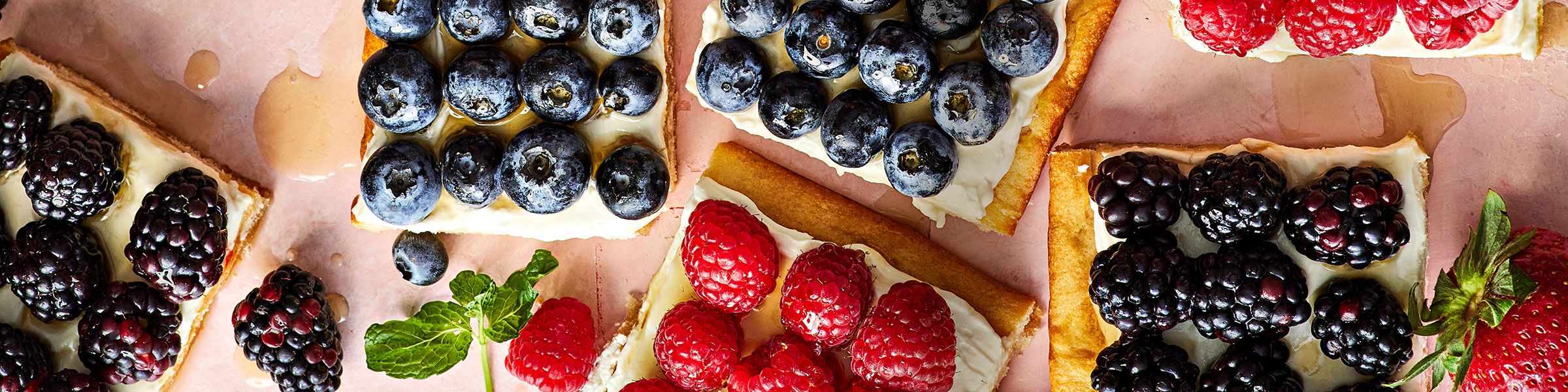
Fruit recipes are the kitchen’s friendliest shortcut to food that looks gorgeous, tastes bright, and does not require a culinary degree or a dramatic soundtrack. Whether you are slicing strawberries into a breakfast bowl, grilling peaches for a backyard dinner, folding blueberries into cobbler, or turning frozen mango into a creamy smoothie, fruit brings natural sweetness, color, texture, and a little “look at me, I’m healthy-ish” energy to the table.
The beauty of cooking with fruit is that it works almost anywhere. Fruit can be breakfast, dessert, snack, salad, sauce, salsa, side dish, or the secret weapon that saves leftover chicken from becoming a sad refrigerator mystery. Fresh fruit is wonderful, but frozen, canned, and dried fruit also deserve a seat at the table. In fact, many smart fruit recipes use whatever is available, affordable, and ripe enough to cooperate.
This guide explores easy fruit recipes, healthy fruit desserts, fruit salads, breakfast ideas, savory pairings, storage tips, and practical experience from real-life fruit cooking. Think of it as your delicious map to turning apples, berries, bananas, citrus, melons, peaches, pineapple, and grapes into dishes people actually want to eat.
Why Fruit Recipes Belong in Every Home Kitchen
Fruit is more than a pretty garnish sitting politely next to pancakes. It adds moisture, acidity, fiber, aroma, and natural sugars. That means fruit can balance rich foods, brighten heavy meals, and make simple dishes feel fresh. A bowl of oatmeal becomes less oatmeal-ish with sliced bananas and berries. Grilled chicken becomes dinner-party material with mango salsa. Yogurt becomes breakfast instead of “I forgot to cook.”
Fruit recipes also make healthy eating more enjoyable. Many fruits are naturally low in fat and full of water and fiber, helping meals feel satisfying without requiring complicated techniques. Whole fruits also provide nutrients such as vitamin C, potassium, folate, and plant compounds that support everyday wellness. In normal human language: fruit is useful, colorful, and much more exciting than pretending plain lettuce is a personality.
How to Choose the Best Fruit for Recipes
The best fruit recipe starts before the knife touches the cutting board. Choose fruit based on season, ripeness, texture, and the role it plays in the dish.
Use ripe fruit for fresh recipes
For fruit salads, smoothie bowls, fresh tarts, parfaits, and no-cook desserts, ripe fruit matters. Strawberries should smell sweet, peaches should have a gentle give, citrus should feel heavy for its size, and melons should smell lightly sweet at the stem end. When fruit is served raw, its flavor has nowhere to hide, so give it the VIP treatment.
Use firm fruit for grilling and baking
Grilled fruit recipes work best with fruit that can hold its shape. Pineapple, peaches, nectarines, pears, apples, and plums are excellent choices. Baking also welcomes slightly firm fruit because heat softens it and concentrates the flavor. Under-ripe strawberries, for example, can become sweeter and more fragrant when roasted with a squeeze of lemon juice.
Use frozen fruit when convenience wins
Frozen fruit is not a backup singer; it can absolutely take the lead. Frozen berries are excellent in smoothies, sauces, muffins, pies, crisps, and compotes. Frozen mango and pineapple blend beautifully into creamy drinks. Frozen cherries can become a quick stovetop topping for pancakes or yogurt. The freezer is basically a fruit time machine, minus the confusing sci-fi plot.
Easy Fruit Recipes for Breakfast
Breakfast is one of the easiest places to use fruit because most morning foods are already begging for sweetness and freshness. Here are practical ideas that work on busy weekdays and slow weekends.
Berry Yogurt Parfait
Layer Greek yogurt, strawberries, blueberries, raspberries, granola, and a drizzle of honey in a glass or bowl. Add lemon zest for brightness. This recipe works because creamy yogurt balances juicy berries, while granola adds crunch. For a lower-sugar version, skip the honey and use naturally sweet ripe berries.
Banana Peanut Butter Toast
Spread peanut butter on whole-grain toast and top with banana slices, cinnamon, and chia seeds. It is fast, filling, and tastes like someone made breakfast with actual intention. For extra flavor, add sliced strawberries or a few cacao nibs.
Apple Cinnamon Oatmeal
Cook oats with diced apples, cinnamon, a pinch of salt, and milk or water. The apples soften as the oats cook, creating a cozy breakfast that tastes like apple pie’s responsible cousin. Top with walnuts for crunch.
Tropical Smoothie Bowl
Blend frozen mango, banana, pineapple, and plain yogurt until thick. Spoon into a bowl and top with coconut flakes, kiwi, berries, and granola. The trick is to use less liquid than you would for a drinkable smoothie. A smoothie bowl should be spoonable, not a fruit puddle with confidence issues.
Fresh Fruit Salad Recipes That Never Feel Boring
Fruit salad has a reputation problem because too many versions are just chopped fruit sitting in a bowl, quietly releasing juice and losing hope. A great fruit salad needs contrast: sweet, tart, soft, crisp, juicy, and aromatic.
Classic Citrus Berry Fruit Salad
Combine strawberries, blueberries, blackberries, orange segments, pineapple, and kiwi. Toss gently with fresh lime juice, orange zest, and a small spoonful of honey. Chill for 20 minutes before serving. The citrus keeps the flavor lively and helps the fruit taste fresher.
Watermelon Cucumber Mint Salad
Mix cubed watermelon, sliced cucumber, fresh mint, lime juice, and crumbled feta. Add black pepper if you enjoy a sweet-savory edge. This fruit salad is refreshing, hydrating, and perfect for cookouts. It also proves watermelon can do more than drip down your wrist at picnics.
Winter Apple Pear Salad
For cooler months, combine thinly sliced apples, pears, dried cranberries, toasted pecans, and a lemon-yogurt dressing. Add a little cinnamon or nutmeg for warmth. This is a great example of using seasonal fruit when berries are expensive and taste like they have seen too much.
Healthy Fruit Desserts That Still Taste Like Dessert
Healthy fruit desserts should not feel like punishment. The goal is not to replace cake with a single grape and call it joy. Instead, use fruit to build desserts that are naturally sweet, colorful, and satisfying.
Baked Apples with Walnuts
Core apples and fill them with chopped walnuts, oats, cinnamon, a touch of maple syrup, and raisins. Bake until tender. The apples become soft and fragrant, while the filling adds texture. Serve with yogurt for a lighter dessert or vanilla ice cream when the day has earned it.
Roasted Strawberries
Toss strawberries with a little lemon juice and a small amount of sugar, then roast until glossy and syrupy. Spoon over yogurt, pancakes, oatmeal, angel food cake, or cottage cheese. Roasting deepens flavor and can rescue berries that are not perfectly sweet.
Mixed Berry Crisp
Place blueberries, raspberries, and sliced strawberries in a baking dish with lemon juice and a spoonful of cornstarch. Top with oats, almond flour, cinnamon, butter, and a little brown sugar. Bake until bubbling. This dessert is flexible, forgiving, and excellent with frozen berries.
Five-Minute Fruit Mousse
Blend frozen berries with a little sugar or honey and Greek yogurt until creamy and airy. Serve immediately. It tastes fancy but requires almost no effort, which is the best kind of kitchen magic.
Fruit Recipes for Lunch and Dinner
Fruit is not limited to breakfast and dessert. Savory fruit recipes can make everyday meals taste brighter and more balanced.
Mango Avocado Salsa
Dice mango, avocado, red onion, jalapeño, cilantro, and lime juice. Serve with grilled chicken, fish tacos, shrimp bowls, or black beans and rice. Mango adds sweetness, avocado adds creaminess, and lime keeps everything sharp.
Apple Cheddar Chicken Salad
Combine cooked chicken, diced apples, celery, sharp cheddar, toasted walnuts, and a light yogurt-mustard dressing. Serve on greens, toast, or in a wrap. Apples add crunch and sweetness that balance the savory ingredients.
Peach Caprese Salad
Layer sliced peaches, tomatoes, mozzarella, basil, olive oil, and balsamic glaze. This is peak summer on a plate. The peaches bring juicy sweetness, while tomatoes and basil keep the dish fresh and savory.
Pineapple Fried Rice
Stir-fry cooked rice with pineapple chunks, peas, carrots, eggs, scallions, and a light soy-based sauce. Add shrimp, chicken, tofu, or cashews. Pineapple adds sweet acidity that cuts through the richness of the rice.
Best Fruits for Baking
Baking with fruit is all about moisture management. Fruit releases juice as it cooks, so recipes often need thickeners, enough heat, and the right balance of sugar and acid.
Apples
Apples are ideal for pies, crisps, cakes, muffins, and baked oatmeal. For best texture, use firm varieties that hold their shape. Mixing sweet and tart apples gives deeper flavor.
Berries
Berries are perfect for muffins, cobblers, crisps, sauces, and pies. Blueberries are especially beginner-friendly because they keep their shape better than softer berries. If using frozen berries, add them directly to muffins or thaw them for sauces and fillings depending on the recipe.
Bananas
Bananas are the heroes of quick breads, pancakes, muffins, and “nice cream.” Overripe bananas bring sweetness and moisture, making them perfect for baking. The darker the peel, the more intense the flavor.
Peaches and Stone Fruit
Peaches, nectarines, plums, and cherries shine in cobblers, galettes, crisps, and upside-down cakes. Their sweet-tart flavor becomes richer with heat, especially when paired with vanilla, almond, ginger, or cinnamon.
Simple Fruit Sauces, Spreads, and Toppings
A quick fruit sauce can transform ordinary food into something that looks like brunch happened on purpose.
Berry Compote
Simmer berries with lemon juice and a small amount of sugar until syrupy. Use it on waffles, pancakes, yogurt, cheesecake, oatmeal, or ice cream. Add chia seeds for a thicker texture.
Apple Pie Topping
Cook diced apples with cinnamon, lemon juice, and a splash of water until tender. Stir in a little maple syrup if needed. Spoon over pancakes, French toast, pork chops, or plain yogurt.
Citrus Honey Dressing
Whisk orange juice, lime juice, honey, and grated citrus zest. Pour over fruit salad or use as a glaze for grilled fruit. This dressing is simple, bright, and far better than drowning fruit in heavy syrup.
Smart Tips for Better Fruit Recipes
Balance sweetness with acid
Lemon juice, lime juice, orange zest, vinegar, or yogurt can make fruit taste more vibrant. A little acidity keeps sweet recipes from becoming flat.
Add texture
Fruit is often soft and juicy, so add crunch with nuts, seeds, granola, toasted coconut, crisp pastry, or fresh cucumber.
Use herbs
Mint, basil, thyme, and rosemary can make fruit recipes taste more sophisticated. Try basil with strawberries, mint with melon, thyme with peaches, or rosemary with citrus.
Season lightly
A tiny pinch of salt can make fruit taste sweeter. Black pepper works surprisingly well with strawberries, watermelon, and peaches.
Store carefully
Wash berries shortly before eating to prevent sogginess. Keep bananas at room temperature. Refrigerate cut fruit in airtight containers. Add lemon or lime juice to apples, pears, and bananas to slow browning.
Fruit Recipe Ideas by Season
Spring
Use strawberries, rhubarb, citrus, pineapple, and early berries. Try strawberry yogurt parfaits, rhubarb compote, citrus salads, and pineapple salsa.
Summer
Summer is the fruit Olympics. Peaches, cherries, berries, watermelon, cantaloupe, plums, and nectarines are everywhere. Make grilled peaches, berry crisps, melon salads, cherry sauces, and smoothie bowls.
Fall
Apples, pears, grapes, figs, and cranberries bring cozy flavor. Make apple crisps, pear salads, roasted grapes, cranberry compote, and spiced fruit breads.
Winter
Citrus is the star of winter. Use oranges, grapefruit, mandarins, lemons, and limes in salads, marinades, dressings, cakes, and sauces. Frozen berries also help keep fruit recipes lively when fresh options are limited.
Common Fruit Recipe Mistakes to Avoid
First, do not mix delicate berries too aggressively. They bruise easily and can turn a beautiful fruit salad into a jam audition. Fold gently with a spatula or clean hands.
Second, avoid cutting fruit too far ahead unless the recipe benefits from resting. Some fruit salads improve after 20 to 60 minutes, but bananas, apples, and pears can brown or soften quickly.
Third, do not over-sweeten. Ripe fruit usually needs only a little help. Taste before adding sugar, honey, syrup, or sweet dressings.
Fourth, do not ignore temperature. Fruit desserts often taste best slightly warm, while fruit salads taste better chilled. Smoothies need frozen fruit or ice to feel refreshing. Room-temperature watermelon is nobody’s finest moment.
Experience Notes: What Cooking With Fruit Teaches You
After making fruit recipes many times, one lesson becomes obvious: fruit has opinions. A peach that tasted perfect yesterday may become too soft today. Bananas can go from “not ready” to “banana bread emergency” overnight. Berries can look beautiful in the store and then dramatically collapse in the fridge like tiny celebrities avoiding paparazzi. Cooking with fruit teaches flexibility because no two batches are exactly the same.
The best experience-based advice is to taste first and adjust second. If berries are sweet, use less honey. If oranges are sharp, add a touch of maple syrup. If apples taste flat, add lemon juice and cinnamon. A recipe is a guide, but fruit is a living ingredient affected by season, storage, ripeness, and variety. Your spoon is the final judge.
Another practical lesson is that contrast makes fruit recipes memorable. A bowl of sliced peaches is nice. Sliced peaches with basil, mozzarella, olive oil, and a little flaky salt are unforgettable. Watermelon is refreshing. Watermelon with cucumber, mint, lime, and feta becomes a dish people ask about. Strawberries are sweet. Strawberries with balsamic, black pepper, or lemon zest become restaurant-level without needing restaurant-level stress.
Fruit also rewards simple techniques. Roasting concentrates flavor. Grilling adds caramelized edges. Macerating with citrus and a little sugar creates syrup. Freezing turns fruit into smoothie fuel. Baking softens firm fruit and makes the kitchen smell like you are winning at life. These methods are easy, but they change everything.
One of the most useful habits is keeping a “fruit rescue plan.” Overripe bananas become banana bread, pancakes, or smoothies. Soft berries become compote. Apples with wrinkly skin become baked apples or oatmeal topping. Citrus that is getting old becomes juice, zest, dressing, or marinade. Fruit that might have been wasted can usually become something delicious with heat, acid, or a blender.
Serving fruit recipes also teaches presentation. Clear bowls make layered fruit salads look beautiful. A little zest on top makes desserts look finished. Toasted nuts add a professional touch. Fresh mint can rescue almost any fruit platter from looking like it was assembled during a power outage. You do not need fancy tools; you need color, height, and a clean serving dish.
Finally, fruit recipes are excellent for families, parties, and beginner cooks because they are forgiving. Children can help wash berries, layer parfaits, or arrange fruit skewers. Teens can learn knife skills with softer fruits under supervision. Adults can make impressive desserts without spending three hours negotiating with pastry dough. Fruit recipes are approachable, flexible, and cheerful. They bring freshness to the table and make healthy eating feel less like a rule and more like a reward.
Conclusion
Fruit recipes are some of the easiest, most versatile, and most joyful dishes you can make. They fit breakfast, lunch, dinner, snacks, desserts, and party tables. They can be fresh and light, warm and cozy, sweet and creamy, or bright and savory. With a few smart techniquesbalancing sweetness with acid, adding texture, using herbs, choosing seasonal fruit, and rescuing overripe produceyou can turn everyday fruit into recipes that feel colorful, practical, and genuinely crave-worthy.
Whether you are making a berry parfait, grilled peaches, mango salsa, apple crisp, roasted strawberries, or a simple citrus fruit salad, the key is to let the fruit shine. Keep it fresh, keep it balanced, and do not be afraid to experiment. The fruit bowl on your counter is not just decoration. It is dinner, dessert, breakfast, and possibly tomorrow’s smoothie wearing a very convincing disguise.