Gardening would be much easier if every seed packet came with a tiny weather therapist and a soil translator. Unfortunately, your tomatoes do not care that you feel optimistic. They care about temperature swings, drainage, daylight, humidity, and whether your backyard behaves more like Florida, Colorado, or a stubborn patch of moon dust. That is why gardening by region matters.
A smart garden plan starts with this simple truth: plants do not read national gardening magazines. They respond to local conditions. A rose that coasts through winter in coastal California may throw a dramatic fit in northern Maine. Basil can party all summer in warm regions, but in high-elevation gardens it may act like you invited it outside far too early. Successful gardeners are not necessarily luckier. They are better at matching plants to climate, season length, and soil.
If you want a garden that looks less like a botanical hostage situation and more like a thriving outdoor space, the regional approach works. It helps you choose the right crops, plant at the right time, use water wisely, and avoid fighting nature with the emotional energy of a reality-show contestant. Below is a practical guide to regional gardening in the United States, with examples, planning tips, and the kind of real-world advice that saves both plants and patience.
What “Gardening By Region” Actually Means
Regional gardening is the practice of making plant choices and garden decisions based on where you live rather than copying a one-size-fits-all plan. Your USDA hardiness zone is part of the picture, but it is not the whole movie. Zone tells you how cold winter gets on average. It does not tell you when your last frost arrives, how brutal your summer heat feels, whether your clay soil turns into brick, or how fast your containers dry out in July.
Good regional planning considers several factors at once:
1. Hardiness zone
This helps you choose perennials, shrubs, and trees that can survive winter in your area.
2. Frost dates
These matter most for annual flowers, vegetables, and herbs. A gardener in Zone 7 may still have a much shorter warm-season window than another Zone 7 gardener in a different state.
3. Summer conditions
Heat, humidity, wind, and drought all shape what will thrive. Some regions battle fungal disease. Others battle sun scorch, alkaline soil, and thirsty roots.
4. Soil and microclimate
Your yard can have mini-regions of its own. A sunny south-facing wall may be warmer than the rest of the garden, while a shady low spot may hold cold air and stay wet longer.
In other words, gardening by region is really gardening by reality. And reality, unlike internet inspiration boards, usually wins.
How to Garden Smarter in the Northeast
The Northeast includes a broad mix of climates, but many gardeners here deal with cold winters, clear seasonal shifts, and humid summers. In parts of New England and upstate areas, the growing season is shorter than many beginners expect. That means planning is not optional. It is the difference between harvesting tomatoes and staring sadly at green fruit in September.
Best strategy: lean into seasonality. Cool-season crops like peas, spinach, lettuce, kale, radishes, and broccoli can shine in spring and again in early fall. Summer favorites such as tomatoes, peppers, beans, and zucchini do well too, but timing matters.
Common challenges: late spring frosts, heavy soils, humidity-driven disease, and wildlife that treat your garden like a farm-to-table buffet.
Helpful regional moves:
Start seeds indoors for longer-season crops. Improve soil with compost. Space plants generously for airflow. Use mulch to reduce weed pressure and moderate soil moisture. Choose disease-resistant varieties when possible, especially for tomatoes and cucurbits.
For Northeast gardeners, the secret is not rushing. The calendar may say spring, but the ground often has opinions of its own.
Gardening in the Southeast: Long Season, High Drama
The Southeast offers one huge advantage: a long growing season. In many areas, gardeners can grow something edible for much of the year. That is the good news. The spicy news is the heat, humidity, pests, and disease pressure that arrive with it.
Best strategy: treat spring and fall as prime gardening seasons. In much of the Southeast, cool-season crops perform beautifully before intense summer heat arrives. Fall gardens can also be excellent.
Common challenges: fungal diseases, mildew, root rot in poorly drained soil, insect pressure, and summer stress that can slow fruit set or reduce quality in some crops.
Helpful regional moves:
Choose heat-tolerant and disease-resistant varieties. Water consistently at the base of plants instead of wetting leaves. Mulch heavily to stabilize moisture and reduce soil splash. Give vining crops room to breathe. Raised beds help where drainage is poor.
Flowers and ornamentals in the Southeast should be selected for both heat and humidity tolerance, not just heat alone. That distinction matters. A plant that handles dry heat in the Southwest may wilt emotionally and physically in a muggy Southern backyard.
Midwest and Upper Midwest Gardening: Big Seasons, Fast Swings
Midwestern gardens often experience strong seasonal change, unpredictable spring weather, summer storms, and in northern areas, a relatively short frost-free period. The region can be wonderfully productive, especially for vegetables, but it rewards gardeners who know when to wait and when to move quickly.
Best strategy: split your plan into cool-season and warm-season crops. The Midwest is ideal for spring greens, peas, onions, and brassicas, followed by summer staples like tomatoes, beans, cucumbers, peppers, corn, and squash once the soil warms.
Common challenges: cold snaps after warm spells, heavy rain, wind, and clay soil compaction.
Helpful regional moves:
Do not plant warm-season vegetables too early just because one nice April afternoon made you feel invincible. Wait for workable soil and safer temperatures. Use row covers to protect young plants from chill and insects. Add organic matter regularly to improve soil structure and drainage. Stake or cage plants before storms flatten your dreams.
In the Upper Midwest, season extension tools such as cold frames, low tunnels, and indoor seed-starting are less “extra” and more “basic survival equipment.”
Southwest and Desert Gardening: Water Is the Main Character
Gardening in the Southwest is a masterclass in respect. The sun is intense, rainfall is limited, and soils are often alkaline, low in organic matter, or both. In low-desert areas, reflected heat from walls, stone, and pavement can turn tender plants into accidental jerky.
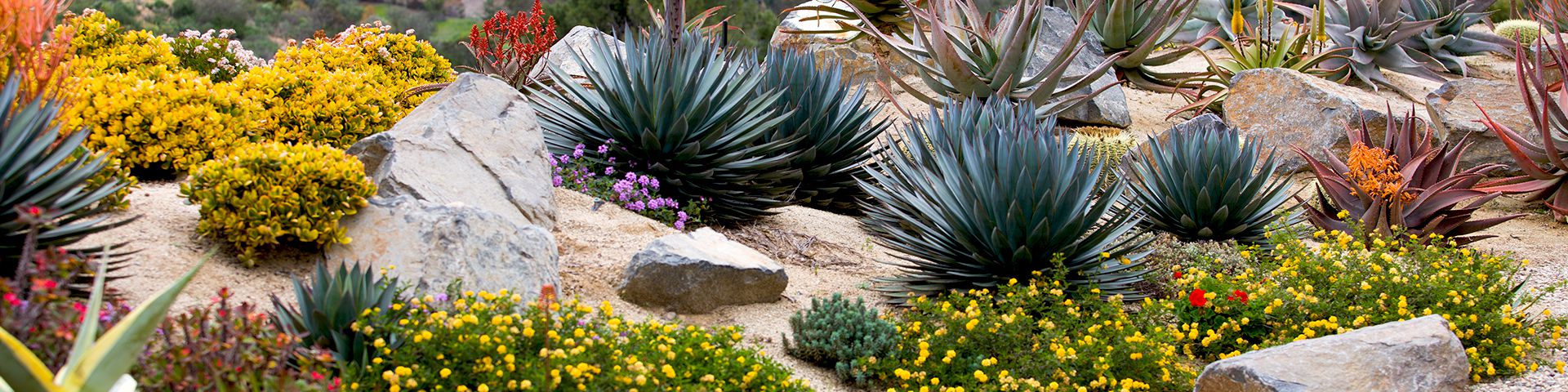
Best strategy: work with heat, not against it. Grow warm-season crops in the right windows, use shade strategically, and prioritize irrigation efficiency. Native and desert-adapted plants are often the smartest choice for ornamental landscapes.
Common challenges: rapid moisture loss, salt buildup, high soil pH, sunburn on fruit, and seasonal temperature extremes between day and night.
Helpful regional moves:
Use drip irrigation or soaker systems. Water deeply and less frequently rather than sprinkling lightly every day. Add compost to improve soil structure. Use mulch, but keep it from touching stems. Provide afternoon shade for stressed vegetables during peak summer heat. Select varieties known for heat tolerance and shorter maturity where relevant.
Desert gardeners often succeed by shifting their mindset. The prettiest garden is not always the thirstiest one. Smart plant selection can deliver color, food, texture, and pollinator value without requiring a heroic water bill.
Pacific Northwest Gardening: Mild, Moist, and Surprisingly Nuanced
The Pacific Northwest has a reputation for gentle weather, and in many places that is partly true. Winters are often mild and wet, while summers can be dry and pleasant. But regional variation is huge, especially between coastal, valley, and inland or higher-elevation areas.
Best strategy: take advantage of the long cool shoulder seasons. Leafy greens, brassicas, peas, carrots, beets, and many herbs perform beautifully. Summer crops can thrive too, but warmth-loving plants may need the sunniest, most sheltered spots available.
Common challenges: wet winter soils, slugs, low spring soil warmth, and in some areas increasing summer drought or heat spikes.
Helpful regional moves:
Improve drainage before planting. Use raised beds where soil stays soggy. Protect seedlings from slugs early. Grow tomatoes, peppers, and basil in the warmest microclimates, such as near a wall or under a cloche or tunnel if needed. Do not assume regular summer rain will save you; many Pacific Northwest gardens need consistent irrigation during dry months.
For this region, the biggest mistake is assuming “mild” means “effortless.” Mild climates are generous, but soggy roots and cool soil can still ruin a gardening plan with professional efficiency.
California and the Mediterranean West: Think Winter Growth, Summer Restraint
Much of California has a Mediterranean-style climate with cool, wetter winters and warm, dry summers. That pattern flips the expectations many gardeners learn from other regions. In large parts of the country, spring is prime planting season. In Mediterranean climates, fall is often the superstar.
Best strategy: plant many trees, shrubs, perennials, and native plants in fall so roots can establish during cooler weather and seasonal rain. Use drought-tolerant design principles, especially in ornamental spaces.
Common challenges: summer drought, water restrictions, intense inland heat, wildfire-aware landscape planning in some zones, and overwatering plants that actually prefer dry conditions.
Helpful regional moves:
Group plants by water needs. Favor regionally adapted and Mediterranean-climate species. Use mulch to conserve moisture. Improve soil where needed, but do not create a high-water oasis for plants meant to live lean. In edible gardens, pay close attention to irrigation timing and sun exposure, especially inland where heat can spike fast.
California gardening often rewards restraint. You do not need to water everything like a lawn in order to have a beautiful landscape. In fact, that is often the fastest route to unhappy roots and a guilty conscience.
Mountain and High-Elevation Gardening: Short Season, Strong Sun
Mountain gardens are beautiful, dramatic, and occasionally rude. Higher elevations often bring cooler temperatures, intense sunlight, low humidity, wind, steep slopes, and very short frost-free periods. Some locations have fewer than 90 frost-free days, which is not exactly a long runway for eggplant dreams.
Best strategy: choose short-season crops and protect them like they are on a tiny alpine mission. Focus on hardy plants, compact varieties, and season-extension methods.
Common challenges: late frosts, early frosts, drying winds, cold soil, wildlife pressure, and sudden weather changes.
Helpful regional moves:
Use raised beds to warm soil faster. Start seeds indoors. Pick varieties labeled early, cold-tolerant, or short-season. Use windbreaks, row covers, and cold frames. Water consistently because mountain air can be deceptively drying. Watch exposure carefully: a south-facing slope may behave very differently from a shaded north-facing area.
In high-elevation gardening, every warm afternoon feels like a gift, and every surprise frost feels like a personal attack. Plan accordingly.
Regional Gardening Tips That Work Almost Everywhere
Even though every region has its quirks, a few universal rules travel well.
Know your site before buying plants
Track sun, wind, drainage, and frost pockets. A plant tag is not a magic shield against a bad location.
Build better soil over time
Compost improves structure, moisture balance, and overall resilience in nearly every region.
Use mulch wisely
Mulch helps conserve moisture, reduce weeds, and buffer temperature swings. Just avoid piling it against stems or trunks.
Choose the right plant for the right place
This is the least glamorous advice and probably the most important. A regionally appropriate plant usually needs less water, less fuss, and fewer rescue missions.
Expect your first draft garden to be a draft
No one nails regional gardening in one season. The best gardeners observe, adjust, and occasionally laugh at themselves while replacing a plant that clearly hated the assignment.
Experiences That Make “Gardening By Region” Finally Click
One of the most eye-opening experiences in gardening happens when someone moves from one region to another and assumes the old routine will still work. It almost never does. A gardener who had easy success with lilacs, peas, and June strawberries in a cool northern state may arrive in the Deep South and discover that spring moves faster, humidity changes disease pressure, and fall gardening suddenly becomes a major event instead of an afterthought. Meanwhile, someone leaving Florida for Colorado may learn that sunshine alone does not equal easy growing when nights stay cold, the season is short, and the wind behaves like it has a grudge.
Another common experience is the realization that the same plant behaves like a completely different species in a new place. Tomatoes are a perfect example. In one region they are eager, sprawling over cages by midsummer. In another they stall in cool soil, sulk through heat waves, or crack after irregular watering. Hydrangeas, rosemary, lettuce, basil, roses, and even simple marigolds can feel wonderfully obedient in one climate and strangely dramatic in another. That is not a failure on the gardener’s part. It is a reminder that plants respond to local conditions more honestly than people do.
Gardeners also learn fast that timing is regional culture. In cold climates, spring feels like a starting gun. Everyone is seed-starting, hardening off, and watching frost forecasts like sports fans. In hot climates, the wiser gardener knows that early spring and fall may be the real gold mines, while midsummer is more about survival than abundance. In dry regions, experience teaches you to think about irrigation first, aesthetics second. In wet regions, drainage becomes the quiet hero of the whole story.
Then there is the emotional experience of letting go of plant envy. This is a big one. It is easy to want the cottage garden from Maine, the lush tropical border from Florida, the drought-tough California design, and the alpine meadow from Colorado all at once. Real gardens do not work that way. A better experience comes when gardeners stop forcing the look of another region and start celebrating what their own place does well. Suddenly, the garden gets easier. It also gets more beautiful because it looks rooted instead of staged.
Perhaps the most valuable lesson is that regional gardening makes you a better observer. You start noticing when the west side of the yard bakes, when the low corner stays damp, when the first frost always hits the open bed before the fenced one, and when one variety consistently outperforms another. That kind of attention builds confidence. The garden stops feeling random. It begins to feel readable. And once that happens, gardening by region is no longer just a concept. It becomes instinct, and that is when the fun really starts.
Conclusion
Gardening by region is not about following rigid rules. It is about understanding what your climate, soil, and season are trying to tell you. When you match plants to place, everything gets better: fewer failures, stronger harvests, healthier landscapes, and much less money spent on plants that were doomed the moment they left the nursery. Whether you garden in a damp Pacific Northwest bed, a windy mountain plot, a humid Southern yard, or a sun-blasted desert border, the winning move is the same. Pay attention to your region first, then garden with confidence. Nature may still throw a curveball now and then, but at least you will not be showing up with flip-flops to a snowstorm.