Note: This is body-only HTML in standard American English, and the SEO tags appear in JSON format at the end for easy publishing.
Some dining rooms are polished. Some are practical. And some have that maddening, magazine-quality charm that makes you stare at a photo and think, “Annoying. I love it.” The Dickebusch dining room falls into that last category.
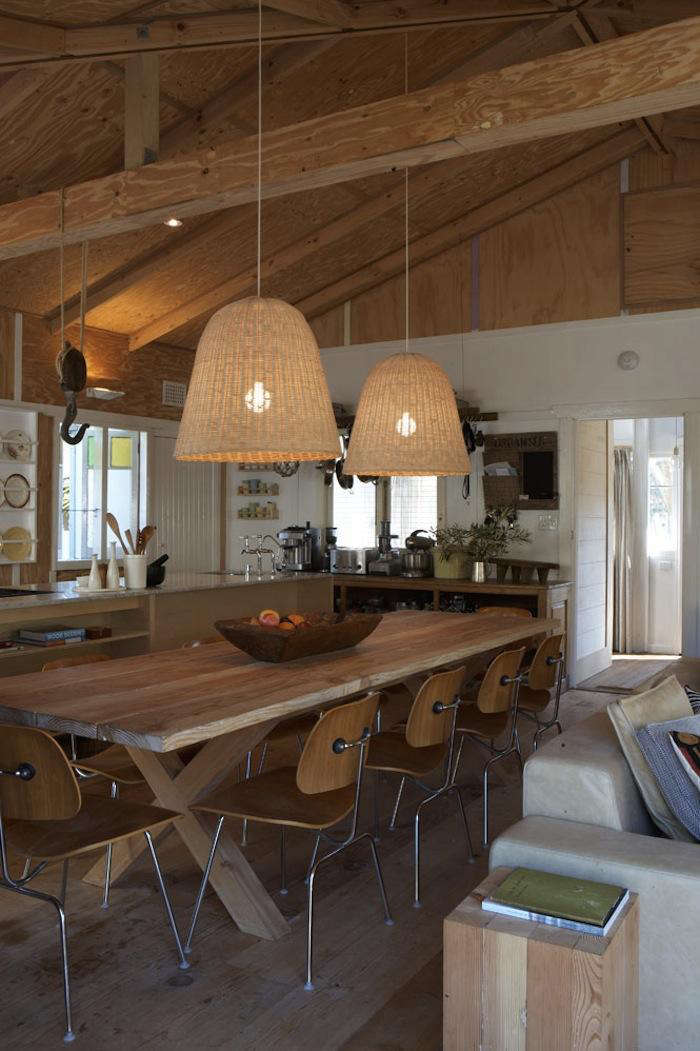
Originally featured as part of the rustic, reimagined Dickebusch cottage, the space has a wonderfully unforced style: warm wood, honest materials, sculptural seating, soft industrial touches, and a collected feel that suggests the owners have excellent taste and zero interest in showing off. It is relaxed, but not sloppy. Stylish, but not precious. Rustic, but not doing a cowboy cosplay.
That balance is exactly why this room still feels relevant. The Dickebusch dining room mixes vintage and modern pieces in a way that feels grounded, tactile, and deeply livable. If you want a dining area that looks inviting in daylight and even better with a glass of wine at night, this is a look worth borrowing.
What Makes the Dickebusch Dining Room So Memorable?
At first glance, the room seems simple. That is the trick. Good design often looks effortless right before it quietly empties your wallet. But when you break the Dickebusch look down, a few clear ingredients emerge.
First, there is the mix of vintage and modern. The original inspiration room pairs timeless seating with rustic wooden surfaces and utilitarian accents. That combination creates tension in the best way: the room feels designed, but not decorated within an inch of its life. It has personality because the pieces do not all come from the same catalog on the same Tuesday.
Second, the materials do a lot of heavy lifting. Wood is the star here, but not glossy, fussy wood that looks terrified of a water ring. Think character-rich timber with grain, tone variation, and visible texture. Add woven lighting, aged metal, and a few handmade or imperfect accessories, and suddenly the room feels warm without becoming visually heavy.
Third, the space avoids the trap of being too matched. The Dickebusch dining room does not read like a showroom set. It reads like a home someone actually enjoys living in, hosting in, and occasionally eating toast in while answering emails they should have ignored until Monday.
The Formula Behind the Look
1. Start with a Warm, Solid-Looking Table
If you are recreating this dining room, begin with the table. It should feel sturdy, generous, and a little understated. A table with visible wood grain, a matte or softly worn finish, and clean lines will get you much closer to the Dickebusch mood than something ultra-ornate or aggressively trendy.
The point is not to find the exact same table. The point is to choose one that looks like it belongs in a room where stories are told, chairs get dragged around, and dinner lasts longer than planned. Rectangular farm tables, plank-top styles, or streamlined timber tables all work well here. If the wood looks like it has lived a little, even better.
Light oak, medium walnut, weathered pine, and smoked finishes can all fit this aesthetic. The safest bet is a wood tone with warmth rather than anything too gray. The Dickebusch look thrives on warmth because that is what keeps the rustic-modern blend from feeling cold or staged.
2. Choose Chairs with Shape and History
One of the most recognizable elements tied to the original inspiration is the use of molded plywood dining chairs, which instantly adds a midcentury edge. That matters because the room is not purely rustic. Without the modern chairs, it could tip into cottage territory. Without the wood and vintage accents, it could feel too sleek. Together, they create the magic.
So when choosing chairs, think sculptural but approachable. Bentwood, molded plywood, spindle-back, woven-seat, and simple Scandinavian-inspired shapes all fit the mood. Upholstered chairs can work too, but keep them tailored and low-drama. This is not the room for giant tufted thrones that look like they demand to be addressed as “Your Majesty.”
You also do not need six identical chairs unless that is your preference. A mixed-chair setup can look fantastic here, especially if you repeat at least one unifying trait such as wood tone, seat height, or silhouette. That keeps the room interesting without making it feel random.
3. Add a Pendant That Brings Texture, Not Theater
Lighting is one of the biggest reasons the Dickebusch dining room feels relaxed instead of formal. Rather than a shiny chandelier with ballroom energy, the look leans toward texture and natural material. A woven, basket-style, rattan, cane, or other softly organic pendant works beautifully because it adds shape overhead without making the room feel stiff.
This kind of fixture softens all the wood and prevents the room from becoming too dense. It also introduces a handcrafted note, which is key to the collected aesthetic. If your table is rectangular, a single generous pendant or a narrow linear fixture can work. If your room is more casual or open-plan, a cluster of textured pendants can add the same spirit.
And yes, scale matters. Too small and the light disappears. Too large and it starts auditioning for its own reality show. The sweet spot is a fixture that anchors the table visually while leaving the rest of the room room to breathe.
4. Keep the Palette Earthy, Moody, and Calm
The Dickebusch dining room is not about loud color. It is about atmosphere. Think earthy neutrals, softened whites, charcoal notes, muted greens, clay tones, warm browns, and the occasional black accent to sharpen the edges. The palette should feel sunbaked, grounded, and a little moody.
If you like white walls, keep them warm rather than icy. If you want color, olive, deep teal, inky blue, or earthy brown can all support this look beautifully. The goal is not to create a bright, bouncy dining room. The goal is to create one that makes people settle in.
Color can also come through accessories rather than paint. A faded vintage rug, a dark ceramic bowl, green branches in a vessel, or amber-toned wood can create all the visual warmth you need without covering every wall in pigment.
5. Use Accessories That Feel Found, Not Forced
This is where many “steal this look” attempts go wrong. People get the table and chairs right, then clutter the room with decorative filler that screams, “I panicked at the checkout page.” The Dickebusch look depends on restraint.
Use a few accessories with texture and story: a trencher bowl, a stack of old books, a ceramic vase, an aged metal hook or pulley detail, a tree-stump side table, or a handmade tray. These pieces should feel like they were discovered over time, not delivered in one suspiciously coordinated shipment.
Natural fruit, branches, or simple greenery work especially well on the table because they bring life into the room without stealing attention. A good centerpiece here should whisper. Not perform a monologue.
6. Add a Rug Only If It Earns Its Spot
A rug can make this look more inviting, but it has to be the right one. In a dining room inspired by Dickebusch, the best rugs are low-pile, durable, and slightly relaxed in character. Vintage-style rugs, flatweaves, faded Persian-inspired patterns, jute blends, or subtle striped options all make sense.
What does not make sense? A rug so fluffy your chairs fight it every time someone stands up. Dining rooms are not obstacle courses.
Visually, the rug should anchor the table and extend the room’s warmth. Tonally, it should support the wood and lighting rather than compete with them. If your dining room already has beautiful floors and enough texture from furniture and lighting, you can skip the rug altogether. The Dickebusch spirit is more about mood than mandatory layering.
How to Recreate the Look Without Copying It Piece for Piece
The smartest way to steal this look is not to duplicate it literally. It is to borrow the design logic behind it.
For example, if you already own a simple wooden dining table, you may not need to replace it. You might only need better chairs, a textured pendant, and one or two accessories with patina. If your room feels flat, paint may do more than new furniture. If it feels too polished, bring in something old, handmade, or imperfect.
Here is a practical way to think about it:
- Anchor: one substantial wood table
- Contrast: chairs with modern shape or vintage character
- Softening layer: woven or organic lighting
- Mood: earthy colors and tactile materials
- Soul: a few collected objects with age or texture
If you nail those five moves, you do not need an exact shopping list. You need judgment, restraint, and the courage to walk away from one more decorative bead garland. You are stronger than the bead garland.
Common Mistakes to Avoid
Making It Too Rustic
If every piece is rough, reclaimed, distressed, or aggressively farmhouse-coded, the room loses the modern contrast that makes Dickebusch so compelling. Keep at least one part of the room crisp and sculptural, usually the chairs or lighting.
Making It Too Minimal
On the other hand, if you strip the room down too far, it can start to feel emotionally unavailable. The Dickebusch look needs warmth, texture, and a little soul. Bare surfaces and perfect symmetry are not the assignment.
Using Cold Grays Everywhere
This style works best with warmth. Gray-heavy palettes can flatten the wood and drain the room of character. If you use gray at all, pair it with warm woods, black accents, and natural fibers so the room still feels alive.
Buying a Matching Set
The quickest way to lose the collected effect is to buy the table, chairs, sideboard, and lighting as one perfectly coordinated set. The room should feel assembled over time, not issued as part of a furniture starter pack.
Who This Look Works Best For
The Dickebusch dining room look is ideal for people who want their home to feel stylish but not overly formal. It works beautifully in cottages, bungalows, modern farmhouses, coastal homes, updated traditional interiors, and even city apartments that need more warmth.
It is especially effective for anyone who likes interiors that feel collected, layered, and a little soulful. If you love clean lines but hate sterile spaces, this is your lane. If you appreciate rustic texture but do not want your dining room to look like it serves only stew and frontier gossip, this is also your lane.
And because the look is rooted in proportion and materials rather than one trendy finish, it has staying power. That matters. Nobody wants to redo a dining room every time the internet decides chrome is dead or beige is back from sabbatical.
What It Feels Like to Live With This Look
Here is the part that rarely gets talked about in design articles: some rooms photograph beautifully and live terribly. They look stunning in a still image, then become weirdly awkward once human beings enter with elbows, bags, drinks, children, opinions, and the occasional oversized serving dish. The Dickebusch dining room look avoids that trap because it is built around comfort as much as aesthetics.
In real life, a room like this feels grounded. You notice it first in the materials. The wood table has visual weight, so the room feels settled before anyone sits down. The chairs, especially if you choose molded wood, bentwood, or simple upholstered styles with good proportions, invite people to stay a little longer. Not forever, hopefully. But long enough for dessert and one more story.
The lighting changes the experience too. A woven or softly textured pendant gives the room a glow that feels mellow rather than formal. In the daytime, it adds shape without feeling heavy. At night, it creates that golden pool of light every good dining room needs. Suddenly leftovers feel intentional. Takeout feels chic. Toast and scrambled eggs feel like a lifestyle choice, not a cry for help.
There is also something emotionally easy about the vintage-modern mix. A fully polished dining room can make people nervous. No one wants to be the first person to set down a glass on a table that looks more expensive than their car payment. But a room with natural materials, a few imperfect surfaces, and collected objects signals that living is allowed here. That changes how people behave. They relax. They lean back. They reach for the bread without apologizing to the table first.
Another underrated advantage is flexibility. The Dickebusch look can handle everyday mess and special-occasion effort with equal grace. On an ordinary Tuesday, the room can hold a bowl of citrus, a stack of mail, and a laptop for half an hour before dinner. On a holiday, add linen napkins, taper candles, a large platter, and branches clipped from the yard, and the same room suddenly feels thoughtful and occasion-ready.
That is why this style lasts. It does not rely on a single wow-factor gimmick. It relies on atmosphere. Warm wood, honest texture, useful light, comfortable seating, and a little visual history create a room that feels better over time, not worse. Tiny scratches on the table do not ruin the story; they become part of it. A bowl brought home from a flea market, a chair inherited from a relative, or a pendant bought on a budget all fit the look because the look welcomes personality.
Most of all, living with this style means your dining room stops feeling like a “special room” and starts feeling like part of your actual life. It becomes a place to host friends, work through a late afternoon slump, celebrate birthdays, eat soup when it is raining, and drink coffee while pretending you are the sort of person who always has fresh flowers. Whether or not the flowers are real is between you and the vase.
Final Thoughts
The best thing about the Dickebusch dining room is that it does not depend on extravagance. Its charm comes from balance: rustic but refined, simple but layered, modern but full of history. That makes it one of the easiest beautiful rooms to learn from.
If you want to steal this look successfully, focus less on matching every object and more on recreating the feeling. Choose a warm wood table. Add chairs with shape. Bring in lighting with texture. Keep the palette earthy. Use accessories with restraint. Let the room feel lived in, not staged.
Do that, and you will not just copy a pretty dining room. You will build one that people actually want to sit in. And honestly, that is the whole point.