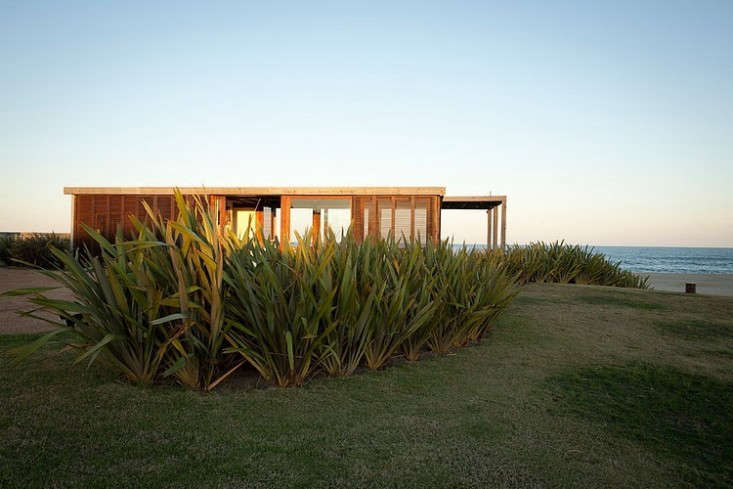
A simple modern house in Uruguay does not need to shout. In fact, on the coast, shouting is generally left to the Atlantic wind, the seagulls, and the one friend who insists on grilling dinner even when the sky looks “mostly fine.” The best coastal homes in Uruguay understand restraint. They sit low, breathe with the landscape, use honest materials, and make room for the rituals that actually matter: morning coffee in salty air, sandy feet after the beach, long lunches that accidentally become dinner, and sunsets that make everyone stop checking their phones.
Uruguay’s shoreline has a rare design personality. It is not as flashy as some resort coasts, not as overbuilt as many beach destinations, and not interested in pretending every house must be a glass palace. From José Ignacio and La Juanita to Rocha and Punta del Este, the strongest examples of modern coastal architecture tend to blend minimalism with warmth. Think timber, concrete, shaded decks, open plans, cross-ventilation, and windows placed for both views and sanity.
This article explores how to imagine, design, and live in a simple modern coastal house in Uruguayone that feels elegant without becoming precious, practical without becoming boring, and connected to the beach without letting the beach move permanently into the living room.
Why Uruguay Is Perfect for Simple Modern Coastal Homes
Uruguay’s coast offers a softer kind of luxury. The landscape is made of dunes, grasslands, low forests, lagoons, sandy roads, fishing villages, polished resorts, and long beaches that shift dramatically from calm Río de la Plata shores to wilder Atlantic edges. This variety gives architects and homeowners room to create houses that are modern but not generic.
A modern coastal home here often works best when it respects the land instead of trying to dominate it. The goal is not to drop a shiny object onto a dune and call it “architecture.” The goal is to design a house that feels as if it belongs: lifted slightly where needed, protected from wind, open to light, and simple enough to let nature take the starring role.
The Beauty of Coastal Restraint
In Uruguay, simplicity is not a lack of imagination. It is a design strategy. A compact floor plan can reduce construction costs, lower maintenance, and create more intimate spaces. A limited material palette can make the house feel calm. A shaded outdoor room can be more useful than an oversized formal living room that nobody uses except to admire pillows.
This is why many admired coastal projects in Uruguay use straightforward forms: box-like cabins, timber-framed retreats, raised houses, and clean-lined volumes that frame the sea, forest, or dunes. They are modern, but they are not cold. They are simple, but they are not empty.
Key Design Principles for a Simple Modern House in Uruguay
Designing a coastal home is not just about making it look good in golden-hour photos. It must handle salt air, humidity, sand, wind, sun, and seasonal use. A house near the beach is in a long-term relationship with weather, and weather is not always emotionally available.
1. Build Lightly on the Land
One of the most important lessons from modern Uruguayan coastal architecture is to disturb the site as little as possible. In sandy or sloped areas, raising the structure can help preserve natural drainage, vegetation, airflow, and views. A lifted house also creates a feeling of lightness, as if the building is resting rather than invading.
This approach works especially well near dunes or forested beach lots, where heavy grading can damage the very character that made the site desirable in the first place. A simple coastal house may use piers, columns, or a raised platform to protect the terrain and allow air to circulate underneath.
2. Use a Compact, Flexible Floor Plan
A simple modern house in Uruguay does not need endless rooms. It needs the right rooms. The best layout often centers on an open kitchen, dining, and living area connected to a terrace or deck. Bedrooms can remain modest, because coastal life naturally spills outdoors.
A strong plan might include two or three bedrooms, two bathrooms, a practical entry zone for sandy shoes, and a generous indoor-outdoor living space. Sliding doors, pocket doors, built-in storage, and multi-use furniture help the house adapt. Guests can arrive, kids can nap, someone can read in peace, and nobody has to sleep next to a pile of beach towels unless they truly deserve it.
3. Design for Wind, Shade, and Cross-Ventilation
Coastal Uruguay can be beautifully breezy. That is a gift if the house is designed well and a comedy sketch if it is not. Smart placement of openings allows natural cross-ventilation, reducing dependence on mechanical cooling. Windows on opposite walls, shaded openings, clerestory vents, and protected courtyards can move air through the house while avoiding the “indoor hurricane” effect.
Shade is just as important. Deep eaves, pergolas, covered decks, exterior screens, and carefully placed trees can soften strong sun and make outdoor spaces usable during the day. The best modern coastal homes treat shade not as an accessory but as architecture.
Materials That Make Sense on the Uruguayan Coast
A beach house should age well. That does not mean it must stay perfect. In fact, perfection is a risky hobby near salt air. The better goal is graceful weathering: materials that can handle sun, moisture, sand, and occasional neglect without throwing a tantrum.
Timber for Warmth
Wood brings softness to modern design. It can be used for cladding, decks, ceilings, shutters, pergolas, cabinetry, or interior accents. In Uruguay’s coastal settings, timber also helps a simple house feel connected to surrounding forests, dunes, and rustic beach traditions.
The key is choosing durable species, treating them properly, and accepting maintenance as part of the deal. A timber deck near the beach is not a museum artifact. It will weather, silver, collect sand, host barefoot traffic, and occasionally hide one flip-flop from every pair.
Concrete for Structure and Thermal Stability
Concrete is common in modern coastal houses because it offers strength, mass, and a clean architectural expression. Used thoughtfully, it can feel calm and grounded rather than harsh. Concrete floors, structural walls, or platforms can pair beautifully with wood, stone, linen, rattan, and natural textures.
However, coastal concrete requires attention to detail. Salt air, moisture, and embedded steel reinforcement can become a problem if construction quality is poor. Good specifications, protective detailing, drainage, and maintenance matter. The minimalist look should not mean minimalist care.
Metal, Glass, and Hardware That Can Survive Salt Air
Salt is tiny, sneaky, and extremely committed to corrosion. Any coastal home should use corrosion-resistant fasteners, connectors, hinges, railings, and exterior fixtures. Stainless steel, hot-dip galvanized components, aluminum systems, and well-protected hardware are worth considering depending on exposure.
Glass is wonderful for views, but large expanses should be balanced with shading, privacy, wind protection, and energy performance. A modern house should not become a solar oven with a mortgage.
Interior Style: Minimal, Warm, and Beach-Proof
The inside of a simple modern coastal house in Uruguay should feel relaxed, not staged within an inch of its life. The best interiors are easy to clean, easy to live in, and visually calm. A palette of white, sand, gray, warm wood, black accents, and muted earth tones works beautifully because it echoes the coastline without turning the house into a seashell souvenir shop.
Open Living Without Losing Coziness
Open-plan living works well in beach houses because people gather casually. Someone is cooking, someone is reading, someone is pretending to help, and someone is guarding the snacks. A combined kitchen, dining, and lounge area keeps everyone connected.
To avoid the space feeling empty, use texture. Woven pendants, timber ceilings, linen curtains, wool throws, ceramic lamps, handmade tiles, and matte surfaces add depth. The goal is modern, not sterile. A coastal house should feel like you can sit down without asking permission from the sofa.
Storage: The Unsung Hero of Coastal Design
Every beach house needs serious storage. Surfboards, beach chairs, hats, towels, sunscreen, coolers, sandals, and mysterious buckets collected by children all need a home. Built-in benches, mudroom-style entries, outdoor storage closets, laundry zones, and under-bed drawers can keep the main spaces clean.
Good storage is what allows minimalism to survive real life. Without it, “simple modern” quickly becomes “where did all this damp stuff come from?”
Outdoor Living: The Real Heart of the House
In a coastal Uruguayan home, the terrace may be the most important room. Outdoor living is not an afterthought; it is the lifestyle. A shaded deck, protected dining area, outdoor shower, fire pit, grill station, or hammock corner can make the home feel twice as large without adding unnecessary interior square footage.
The Covered Deck
A covered deck is the coastal equivalent of a good friend with excellent timing. It protects from sun, soft rain, and wind while still keeping you outside. It can host breakfast, naps, late lunches, card games, and quiet evenings when the ocean sounds like background music.
For a simple modern design, the deck should align with the house’s geometry. Wide boards, built-in seating, low lighting, and a clean roofline can make the outdoor space feel intentional rather than tacked on.
The Outdoor Shower
An outdoor shower near the entrance from the beach is not a luxury; it is a peace treaty between the house and the sand. It keeps floors cleaner, makes post-swim routines easier, and adds a little vacation magic to ordinary life. Use durable plumbing fixtures, privacy screening, good drainage, and materials that tolerate water.
Sustainability and Low-Maintenance Thinking
Sustainable design on the Uruguayan coast starts with common sense. Build only what you need. Orient the house well. Preserve vegetation. Capture breezes. Control solar gain. Use durable materials. Choose efficient systems. Plan for maintenance access. A small, well-designed house is often more sustainable than a large house covered in eco-friendly buzzwords.
Passive Design Comes First
Before adding technology, get the basics right. A house that uses orientation, shade, insulation, ventilation, and thermal mass effectively will be more comfortable and less energy-hungry. Solar panels and efficient appliances are helpful, but they should support good design, not compensate for poor planning.
Respect the Coastal Ecosystem
Coastal areas are sensitive. Dunes, wetlands, lagoons, native grasses, and forest edges all play a role in protecting land and supporting biodiversity. A responsible modern house keeps a respectful distance from fragile zones, avoids excessive hardscape, uses permeable surfaces where possible, and treats landscaping as ecological repair rather than decoration.
A Practical Design Concept: The Simple Coastal Box
Imagine a compact modern house near La Juanita or José Ignacio. The structure is a clean rectangular volume raised slightly above the sandy terrain. Its long side faces the best light and views, while a shaded terrace protects the main living area. The exterior uses dark timber or weather-resistant cladding, helping the house recede into the coastal vegetation.
Inside, the plan is efficient: an open kitchen and living room at the center, bedrooms at each end, bathrooms tucked behind service walls, and storage placed wherever clutter might otherwise gather. Large sliding doors connect the main room to a deck. Smaller, carefully placed windows capture breezes without sacrificing privacy.
The palette is quiet: pale walls, concrete or wood floors, linen fabrics, matte black fixtures, natural rugs, and a few pieces of local craft. Nothing screams “theme.” There are no anchor-shaped wall clocks. The house knows it is near the sea; it does not need to wear a costume.
Common Mistakes to Avoid
The first mistake is overbuilding. A coastal house should support life outdoors, not replace it with unnecessary interior square footage. Bigger can mean more expensive, more exposed, and more difficult to maintain.
The second mistake is ignoring maintenance. Salt air is relentless. Cheap hardware, poor waterproofing, untreated wood, and inaccessible gutters will eventually send invoices in the form of repairs.
The third mistake is copying an urban house and placing it near the beach. Coastal homes need different strategies: stronger materials, better airflow, more shade, smarter storage, and a more relaxed attitude toward sand. The fourth mistake is blocking the landscape with walls, fences, or oversized forms. The best coastal houses frame nature rather than compete with it.
Experiences Related to A Simple Modern House in Uruguay, Coastal Edition
Living in a simple modern coastal house in Uruguay is less about dramatic luxury and more about rhythm. The day begins with light. Not the aggressive kind that blasts through curtains like an alarm clock with opinions, but soft coastal brightness that slides across the floor and slowly wakes the room. You make coffee, open a window, and the house starts breathing. The smell is a mix of timber, salt, grass, and whatever the wind decided to bring from the dunes.
The best part of a simple house is how quickly it becomes useful. There is no grand foyer demanding admiration. There is a place to drop sandals, a hook for a hat, a bench for beach bags, and a clear path to the deck. After a swim, the outdoor shower becomes the most popular feature in the entire home. Guests may praise the architecture, but they will remember the shower. That is the honest truth of beach living.
Afternoons stretch. A covered terrace becomes a dining room, office, reading nook, and weather observatory. In Uruguay, lunch can become an event without trying too hard. Bread, cheese, grilled vegetables, fish, fruit, and a bottle of something cold can turn a simple table into a small festival. The house does not need to impress anyone because the setting is already doing most of the work.
Wind teaches humility. It reminds you why protected outdoor spaces matter, why sliding doors need quality tracks, and why lightweight napkins are a poor life choice. A good coastal house does not fight the wind; it negotiates. Screens, courtyards, vegetation, and smart openings create pockets of comfort. You learn which corner is best for morning sun, which window catches the evening breeze, and which chair everyone quietly competes for.
Evenings are when the house earns its poetry license. The interior glows warmly, the deck cools down, and the line between inside and outside becomes pleasantly blurry. Someone starts dinner. Someone rinses sand from a towel. Someone says, “Just five more minutes outside,” and nobody argues. A simple modern coastal house in Uruguay works because it understands that the real luxury is not excess. It is ease. It is a home that lets the ocean be loud, the rooms be calm, and daily life feel slightly more graceful than usual.
Conclusion
A simple modern house in Uruguay, coastal edition, is not defined by size, price, or architectural drama. It is defined by intelligence. It responds to wind, salt, sun, sand, and landscape. It uses durable materials, compact planning, shaded outdoor rooms, and warm minimalism to create a home that feels both contemporary and deeply relaxed.
The best version of this house does not try to conquer the coast. It listens to it. It lifts where the land needs breathing room, opens where the breeze is welcome, closes where protection matters, and keeps the floor plan simple enough for real life. In a place as quietly beautiful as Uruguay’s shoreline, the smartest design move is often the simplest one: build less, design better, and leave plenty of room for the view.