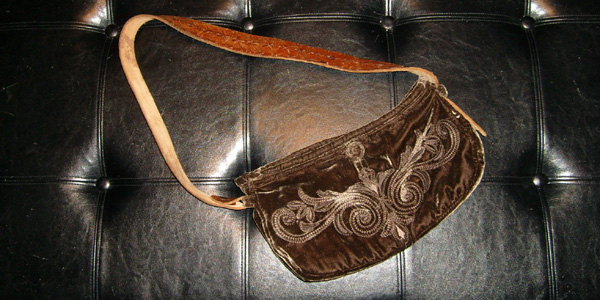
Some jackets retire gracefully. Others sit in the back of the closet like dramatic little fabric ghosts, waiting for a second career. If you have an old denim jacket, wool blazer, faux leather coat, bomber jacket, or sturdy canvas layer you no longer wear, congratulations: you may already own the main material for a stylish recycled purse.
Making a purse from a jacket is one of the most satisfying upcycling projects because it combines creativity, sustainability, and practicality. Instead of buying new fabric, you reuse fabric that already has structure, personality, pockets, seams, buttons, zippers, and a bit of history. A jacket-turned-handbag can look polished, quirky, rustic, modern, or delightfully “I made this and yes, I am accepting compliments.”
This guide walks you through how to make a recycled purse from a jacket, including fabric selection, tools, cutting tips, sewing steps, lining ideas, strap options, and finishing touches. Whether you are a confident sewist or a brave beginner who has just discovered the reverse button on the sewing machine, this project is approachable, affordable, and surprisingly fun.
Why Make a Purse from an Old Jacket?
Upcycling clothing is more than a trendy weekend craft. It is a practical way to reduce textile waste, stretch your budget, and create something unique. Many jackets are made from durable materials such as denim, canvas, corduroy, wool, twill, faux leather, or thick cotton blends. These fabrics are often strong enough for bags, especially when reinforced with interfacing or a lining.
A recycled purse also has character from day one. The original jacket pockets can become front purse pockets. Buttons can become closures. A zipper from the jacket can be reused as a top closure or interior pocket. Even cuffs, labels, belt loops, and decorative stitching can be turned into design features. Instead of starting from a flat piece of fabric, you are beginning with a garment that already has personality. That is the crafting equivalent of skipping the awkward small talk.
Best Jackets to Use for a Recycled Purse
Not every jacket is equally purse-worthy. The best choice depends on the style of bag you want, your sewing machine, and the condition of the garment.
Denim Jackets
Denim is one of the easiest and most popular materials for recycled purse projects. It is sturdy, casual, and forgiving. If your stitching is not perfect, denim tends to say, “Relax, I’m supposed to look cool.” Denim jacket pockets are especially useful because they can become ready-made compartments for keys, lip balm, receipts, or the mysterious tiny objects that somehow multiply inside every purse.
Wool Blazers
A wool blazer can become a sophisticated handbag, especially if it has a beautiful plaid, herringbone, tweed, or solid suiting fabric. Wool may need more stabilizing than denim, but it creates a soft, elegant finish. Reuse the blazer lining if it is in good shape, or add a fresh cotton lining for durability.
Faux Leather or Vinyl Jackets
Faux leather can make a bold recycled purse, but it requires a little patience. Use clips instead of pins because pinholes may remain visible. A leather or denim needle can help, and a Teflon presser foot or tissue-paper trick may prevent sticking. Sew slowly, avoid ripping seams repeatedly, and test your stitch length on a scrap first.
Canvas, Utility, or Military-Style Jackets
Canvas jackets are excellent for everyday bags. They often come with large pockets, strong seams, and hardware such as snaps or zippers. A utility jacket can become a crossbody bag with a slightly rugged, adventure-ready lookeven if your biggest adventure is finding your phone before it stops ringing.
Tools and Materials You Will Need
Before cutting into the jacket, gather your tools. A little preparation prevents the classic crafting moment where everything is going beautifully until you realize the scissors are in another room and the cat is sitting on your pattern.
- One old jacket in good, washable condition
- Fabric scissors or rotary cutter and cutting mat
- Seam ripper
- Sewing machine with a strong needle
- Denim or heavy-duty needle for thick fabrics
- All-purpose or heavy-duty polyester thread
- Fusible interfacing or fusible fleece
- Lining fabric, such as cotton, canvas, or reused shirt fabric
- Measuring tape or ruler
- Tailor’s chalk, washable marker, or pins/clips
- Magnetic snap, zipper, button, or Velcro closure
- Optional hardware: D-rings, swivel hooks, sliders, rivets, or purse feet
If you are using thick denim, canvas, or faux leather, choose a stronger needle and sew slowly over bulky seams. The heavier the fabric, the more your sewing machine appreciates a gentle pace. Think of it less as racing and more as guiding a tiny mechanical horse through a fabric obstacle course.
Planning the Purse Design
Before you cut, decide what kind of purse you want to make. A simple tote is the easiest option, while a crossbody bag, hobo purse, or clutch may require more shaping. For beginners, a rectangular tote or small shoulder bag is the most forgiving design.
Simple Tote Purse
A tote-style purse uses two main exterior panels, two lining panels, and two straps. It is roomy, practical, and ideal for denim or canvas jackets. You can use the jacket’s back panel for the front of the bag and the lower front panels for the back.
Crossbody Purse
A crossbody bag is smaller and usually needs a longer strap. This style works beautifully if you reuse the jacket’s waistband, belt, or sleeve seams as strap material. Add D-rings and swivel hooks if you want an adjustable strap.
Clutch or Wristlet
A blazer sleeve, jacket front, or decorative pocket section can become a small clutch. Add a zipper, magnetic snap, or flap closure. This option is great if the jacket has limited usable fabric but one fabulous detail you want to show off.
How to Prepare the Jacket
Start by washing or dry-cleaning the jacket according to its care label. You do not want to create a gorgeous purse and then discover a mysterious stain from 2018 hiding under the collar. After cleaning, inspect the jacket for worn areas, holes, stains, or weak seams.
Use a seam ripper to remove reusable parts such as buttons, zippers, belt loops, labels, cuffs, and pockets. Do not rush this part. A seam ripper is small but mighty, and it becomes less friendly when used with impatience. Save everything in a small container because even one button can become a cute closure or decorative accent later.
Press the jacket pieces flat if the fabric allows it. Denim and cotton can usually handle steam, while faux leather should not be pressed directly. For delicate or synthetic fabrics, use a press cloth and low heat, or skip pressing and smooth by hand.
Basic Cutting Guide for a Jacket Purse
The exact measurements depend on your jacket size and preferred purse size. For a practical everyday purse, try the following beginner-friendly dimensions:
- Exterior front panel: 14 inches wide by 13 inches tall
- Exterior back panel: 14 inches wide by 13 inches tall
- Lining front panel: 14 inches wide by 13 inches tall
- Lining back panel: 14 inches wide by 13 inches tall
- Two straps: 3 inches wide by 24 inches long each
- Optional pocket: reuse an original jacket pocket or cut one 8 inches by 7 inches
If your jacket is small, piece together fabric sections. Patchwork looks intentional when you repeat the idea. For example, combine denim sleeves, front plackets, and back panels into a patchwork exterior. Keep the strongest and cleanest fabric for the base and strap attachment points because those areas carry the most stress.
Step-by-Step: Make a Purse from a Jacket
Step 1: Choose the Best Jacket Sections
Lay the jacket flat and study it like a designer. Which parts have the best texture? Which pockets can be featured? Can the original zipper become the purse opening? Can the jacket label be stitched inside as a fun secret detail? Mark the pieces before cutting.
Step 2: Cut Exterior and Lining Pieces
Cut two exterior panels from the jacket. If possible, center an interesting design element on the front panel, such as a chest pocket, seam, embroidery, or button placket. Cut two lining panels from cotton fabric, a shirt, a pillowcase, or another clean recycled textile.
Step 3: Add Interfacing
Fuse interfacing to the wrong side of the exterior panels if the jacket fabric is soft or floppy. Fusible fleece gives the bag a cushioned shape, while woven interfacing adds structure without too much bulk. Always test fusible products on a scrap first, especially with synthetic fabrics.
Step 4: Add or Reuse Pockets
If the jacket already has a pocket you love, keep it on the exterior panel. If you removed a pocket, stitch it onto the front or lining before assembling the bag. This is much easier while the fabric is still flat. Add a phone pocket, pen slot, or small zipper pocket if you enjoy organizationor if your current purse is basically a snack-filled cave.
Step 5: Sew the Exterior Bag
Place the exterior panels right sides together. Sew around the sides and bottom using a 1/2-inch seam allowance. Reinforce the top edges and the lower corners with backstitching. If the fabric frays, finish the raw edges with a zigzag stitch or serger.
Step 6: Box the Corners
To give the purse a flat bottom, pinch each lower corner so the side seam aligns with the bottom seam. Measure about 2 inches across the point, mark a line, and sew across it. Trim the excess fabric, leaving a small seam allowance. Repeat on the lining pieces. Boxed corners help the bag stand up instead of collapsing like a sad pancake.
Step 7: Make the Straps
Cut strap pieces from sleeves, waistband sections, or leftover jacket fabric. Fold each strap lengthwise with right sides together, sew along the long edge, turn right side out, and press. For extra strength, topstitch both long edges. If the fabric is very thick, make flat folded straps instead: fold the raw edges toward the center, fold again, and topstitch.
Step 8: Sew the Lining
Place the lining panels right sides together and sew around the sides and bottom, but leave a 4-inch opening at the bottom for turning. Box the lining corners the same way you boxed the exterior corners. Press seams if possible.
Step 9: Attach Straps and Closure
Pin or clip the straps to the top edge of the exterior bag, with the raw strap ends aligned to the raw top edge. Place each strap end about 3 inches from the side seams. Baste them in place. Add a magnetic snap, zipper, button loop, or flap closure before final assembly if your design requires it.
Step 10: Join Exterior and Lining
Turn the exterior bag right side out. Keep the lining wrong side out. Slide the exterior bag inside the lining so the right sides face each other. Align side seams and top edges. Sew all around the top edge. Then pull the bag through the opening in the lining. Stitch the lining opening closed by machine or hand.
Step 11: Topstitch for a Professional Finish
Push the lining into the bag and smooth the top edge. Topstitch around the opening, about 1/8 to 1/4 inch from the edge. This step makes the purse look finished and helps the lining stay put. It is a small detail with big “I totally know what I’m doing” energy.
Creative Design Ideas for Your Recycled Jacket Purse
The best part of a recycled purse is customization. No two jackets are exactly alike, so no two bags need to be either.
Use Original Jacket Pockets
Keep chest pockets on the outside for a denim purse, or use blazer welt pockets as elegant details. Utility jacket pockets can hold sunglasses, keys, or earbuds. If a pocket flap has snaps or buttons, even better.
Turn Sleeves into Straps
Sleeves often provide long strips of fabric that work well for straps. Use the sleeve seam as a decorative center line, or cut around it for a cleaner look. For a crossbody strap, join multiple sleeve strips and reinforce the seams.
Feature the Collar or Cuffs
A jacket collar can become a flap closure for a small purse. Cuffs can become decorative tabs on the sides. Buttoned cuffs look especially charming on denim or flannel-lined jackets.
Add Patchwork Panels
If the jacket has worn areas, cut around them and create patchwork panels. Combine denim shades, wool textures, or contrasting lining fabric. Patchwork is also helpful when you need more surface area than the jacket provides.
Decorate with Embroidery or Appliqué
Add hand embroidery, iron-on patches, fabric paint, or appliqué before sewing the purse together. Floral embroidery on denim, initials on a blazer purse, or a bold patch on a canvas bag can make the project feel personal and gift-worthy.
Common Mistakes to Avoid
First, do not ignore fabric thickness. Multiple layers of denim, seams, straps, and interfacing can become bulky. Trim seam allowances, grade thick seams, and avoid stacking too many heavy details in one spot.
Second, do not skip reinforcement. Purse straps carry weight, so stitch them securely. A square with an X through it is a common reinforcement method for straps. You can also add rivets if you have the right tools.
Third, do not forget the lining. A lining makes the purse more durable, hides raw seams, and gives the inside a cleaner finish. Even a simple cotton lining can make the difference between “homemade” and “handmade.”
Finally, do not expect perfection. Upcycling is part sewing, part engineering, and part negotiating with a former jacket. Tiny quirks are not failures. They are proof that your bag did not roll off a factory line with 10,000 identical cousins.
How to Care for a Recycled Jacket Purse
Care depends on the original jacket fabric. Denim and cotton canvas purses may be spot-cleaned or gently hand-washed if the structure and hardware allow it. Wool, faux leather, and embellished purses should usually be spot-cleaned. Avoid soaking bags with cardboard, foam stabilizer, metal hardware, or delicate trims.
To keep the purse in good shape, empty it regularly, reshape it after use, and store it upright or stuffed with tissue paper. If the straps begin to loosen, repair them early. A quick reinforcement stitch is easier than rescuing your wallet from the sidewalk while pretending everything is fine.
Experience Notes: What Making a Jacket Purse Teaches You
There is something oddly satisfying about turning an old jacket into a purse. At first, the project looks like simple recycling: cut the fabric, sew the seams, add straps, and enjoy the result. But once you begin, you realize that upcycling asks you to look at clothing differently. A sleeve is no longer just a sleeve. It is a future strap. A pocket is not merely a pocket. It is a built-in design feature. A row of buttons becomes decoration, closure, and memory all at once.
One of the biggest lessons is that the jacket will guide the design. You may begin with a perfect plan, only to discover that the back panel is too narrow, the lining has a stain, or the sleeve fabric is stronger than expected. Instead of fighting the garment, work with it. If the original seams are attractive, feature them. If the fabric is worn in one place, cut it into smaller pieces and create a patchwork panel. If a pocket sits slightly off-center, balance it with a button, patch, or stitched label on the other side.
Another useful experience is learning how much structure matters. A jacket may feel sturdy when worn, but once cut into purse panels, it can behave differently. Denim usually holds up well, but soft wool or lightweight twill may sag without interfacing. Fusible fleece can make a purse feel padded and cozy, while firm interfacing can help it stand. Testing a small piece before fusing everything is worth the extra few minutes. Nobody wants a purse that wrinkles like it just woke up from a nap.
Straps are also a practical lesson in patience. They seem simple until you realize they carry the full weight of the bag. If you reuse sleeves, check the grain, thickness, and seam placement. A strap that twists or stretches can make the finished purse uncomfortable. Topstitching helps, and reinforcement at the attachment points is essential. When in doubt, sew the strap ends more securely than you think necessary. Your future self, carrying keys, phone, wallet, notebook, lip balm, and emergency snacks, will appreciate it.
The most enjoyable part is adding personal details. A jacket purse can become a memory piece. A child’s outgrown denim jacket can become a keepsake bag. A vintage blazer from a thrift store can become a polished handbag. A favorite jacket with damaged sleeves can live on as something useful instead of disappearing into a donation pile. The project gives fabric a second chapter, and sometimes that chapter is better than the first.
There is also a confidence boost that comes with finishing the purse. Even if the seams are not perfect, you made something functional from something forgotten. That is powerful. It reminds you that creativity does not always require new supplies, expensive tools, or a flawless plan. Sometimes it starts with an old jacket, a pair of scissors, and the brave decision to cut into fabric while whispering, “Please become a purse.”
Conclusion
Making a recycled purse from a jacket is a smart, stylish, and sustainable way to give old clothing new purpose. It reduces waste, saves money, and allows you to create a one-of-a-kind accessory with built-in character. From denim jackets and wool blazers to canvas coats and faux leather layers, many garments can become beautiful purses with the right planning, reinforcement, and finishing touches.
The process is simple enough for beginners but flexible enough for experienced sewists who want to experiment with pockets, zippers, patchwork, linings, embroidery, or hardware. Best of all, your finished purse will not look like everyone else’s. It will carry your style, your creativity, and maybe even a few charming imperfections that make it more lovable.
So before you toss that old jacket, look at it again. That tired sleeve might be tomorrow’s strap. That pocket might become the most useful part of your new bag. And that forgotten jacket in your closet? It may be one afternoon away from becoming your favorite recycled purse.