Note: This educational article is based on current U.S. prescribing information and reputable medical references, including FDA/DailyMed labeling, MedlinePlus, Mayo Clinic, Parkinson’s Foundation, APDA, Michael J. Fox Foundation, NINDS, and AAN guidance. It is not a substitute for medical advice. Never start, stop, or change carbidopa/levodopa without your clinician’s direction.
What Is Carbidopa/Levodopa?
Carbidopa/levodopa, commonly known by the brand name Sinemet, is one of the most important medicines used to treat movement symptoms of Parkinson’s disease. If Parkinson’s symptoms were a sluggish old elevator, levodopa is the mechanic that helps get it moving againand carbidopa is the helpful assistant who makes sure the mechanic actually reaches the building.
Levodopa is converted into dopamine in the brain. Dopamine is a chemical messenger involved in movement, coordination, and smooth muscle control. In Parkinson’s disease, dopamine-producing brain cells gradually decline, which can lead to tremor, stiffness, slow movement, shuffling steps, and trouble with daily activities. Carbidopa helps prevent levodopa from being broken down too early in the body, allowing more levodopa to reach the brain while reducing nausea and vomiting.
Carbidopa/Levodopa Uses
Carbidopa/levodopa is prescribed mainly for Parkinson’s disease and certain forms of parkinsonism. According to U.S. labeling, Sinemet is indicated for Parkinson’s disease, post-encephalitic parkinsonism, and symptomatic parkinsonism that may follow carbon monoxide or manganese intoxication.
Common Symptoms It May Help
- Tremor or shaking
- Muscle stiffness or rigidity
- Slowness of movement, also called bradykinesia
- Difficulty walking, turning, dressing, writing, or handling utensils
- “Off” periods when symptoms return before the next dose
Carbidopa/levodopa does not cure Parkinson’s disease. It helps control symptoms, often dramatically, especially earlier in treatment. Think of it less like repairing the whole road and more like smoothing the potholes so the trip becomes possible again.
How Carbidopa/Levodopa Works
Levodopa is absorbed in the small intestine, travels through the bloodstream, enters the brain, and is converted into dopamine. Carbidopa stays mostly outside the brain and blocks premature conversion of levodopa elsewhere in the body. That matters because dopamine made outside the brain can cause side effects such as nausea, while dopamine made inside the brain can help movement symptoms.
This is why carbidopa and levodopa are usually paired together. Levodopa brings the movement benefit; carbidopa improves delivery and tolerability. The two have become such a classic duo that many patients and clinicians use “Sinemet” and “carbidopa/levodopa” almost interchangeably.
What Does Sinemet Look Like? Tablet Pictures and Identification
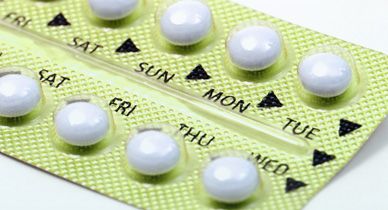
Tablet appearance can vary by manufacturer, pharmacy supplier, and formulation, so patients should always check the prescription bottle and ask a pharmacist before taking any unfamiliar pill. For the Sinemet brand tablets listed in current labeling:
- Sinemet 25/100: yellow oval tablet, often marked with “650.”
- Sinemet 10/100: dark dapple-blue oval tablet, marked with “647.”
- Sinemet 25/250: light dapple-blue oval tablet, marked with “654.”
Because generic carbidopa/levodopa tablets may look different, color alone is not enough. If a refill suddenly looks like it changed outfits for a secret mission, do not panicbut do verify it with your pharmacist.
Carbidopa/Levodopa Dosing: General Information
Dosing must be individualized. The “right” dose is not the dose that looks neat on paper; it is the dose that controls symptoms with the fewest side effects. Doctors adjust carbidopa/levodopa based on symptom timing, nausea, dizziness, dyskinesia, sleepiness, hallucinations, and daily functioning.
Typical Immediate-Release Starting Dose
For Sinemet immediate-release tablets, labeling states that dosing is often initiated with one Sinemet 25/100 tablet three times daily. This provides 75 mg of carbidopa per day. The dose may be adjusted gradually as needed. Patients taking less than about 70 to 100 mg of carbidopa per day may be more likely to experience nausea and vomiting.
Maintenance Dosing
Maintenance therapy is adjusted to the desired response. Some patients need changes in tablet strength, timing, or frequency. In certain cases, clinicians may use extended-release tablets, capsules, orally disintegrating tablets, intestinal gel, or other Parkinson’s medications to smooth symptom control.
Missed Dose
If a dose is missed, patients should follow the instructions from their prescriber or pharmacist. MedlinePlus advises taking a missed regular or extended-release dose when remembered unless it is almost time for the next dose; patients should not double up to make up for a missed dose.
How to Take Carbidopa/Levodopa
Carbidopa/levodopa works best when taken on a consistent schedule. Some people take it with food to reduce nausea, while others get better symptom control when it is taken away from high-protein meals. Protein is not “bad,” and it is not forbidden. The issue is that protein and levodopa can compete for absorption in some people, making the medication feel weaker or slower.
Practical example: a patient who feels great after a morning dose but sluggish after a steak-and-eggs lunch dose may be experiencing a food timing issue. A clinician or dietitian may suggest shifting protein distribution, adjusting dose timing, or changing the medication plan. This should be personalized, not improvised at 2 a.m. with a search engine and a heroic amount of confidence.
Common Side Effects
Carbidopa/levodopa can be very effective, but like any powerful medication, it has a personality. Common or bothersome side effects may include:
- Nausea or reduced appetite
- Dizziness or lightheadedness
- Dry mouth
- Constipation or diarrhea
- Headache
- Sleep problems or vivid dreams
- Confusion or forgetfulness
- Weakness or fatigue
Some people notice harmless darkening of urine, sweat, or saliva, which can look alarming and may stain clothing. It is one of those side effects that sounds like the medication is auditioning for a vampire movie, but labeling describes it as clinically insignificant.
Serious Side Effects and Warnings
Dyskinesia
Dyskinesia means involuntary, uncontrolled movement. It may look like twisting, writhing, bobbing, or fidgety movement. Because carbidopa helps more levodopa reach the brain, dyskinesia can occur at lower levodopa doses than when levodopa is used alone. Doctors may adjust dose timing or total dose if dyskinesia becomes troublesome.
Sudden Sleep Episodes
Carbidopa/levodopa may cause drowsiness or sudden sleep during daily activities, including driving, eating, or talking. Some patients may not feel warning signs before falling asleep. Anyone experiencing sudden sleepiness should contact a clinician and avoid driving or dangerous activities until medically cleared.
Hallucinations, Mood Changes, and Impulse Control Problems
Some patients may experience hallucinations, confusion, agitation, depression, suicidal thoughts, gambling urges, increased sexual urges, or other compulsive behaviors. Family members and caregivers should know about these possibilities because the patient may not recognize the change immediately.
Vitamin B6 Deficiency and Seizures
In 2026, the FDA required new warnings for drug products containing carbidopa/levodopa because these medicines can cause vitamin B6 deficiency and associated seizures. The FDA recommends evaluating vitamin B6 levels before treatment, periodically during treatment, and when symptoms of deficiency appear. Symptoms may include seizures, depression, confusion, inflammation of the lips or tongue, skin inflammation, anemia, numbness, tingling, sharp pain, or muscle weakness.
The FDA identified 14 seizure cases linked to vitamin B6 deficiency in patients using carbidopa/levodopa products, with all reviewed cases involving levodopa doses above 1,000 mg daily. Patients should not self-start high-dose supplements without medical advice, but they should ask their clinician whether vitamin B6 monitoring applies to them.
Do Not Stop Suddenly
Stopping carbidopa/levodopa suddenly can cause a serious withdrawal-like syndrome with fever, rigid muscles, confusion, and abnormal movements. Dose reductions should be supervised. This is not a medication to ghost like a bad dating app match.
Carbidopa/Levodopa Interactions
Drug interactions are important because Parkinson’s treatment is often a careful balancing act. Common interaction concerns include:
- Nonselective MAO inhibitors: contraindicated with Sinemet and generally must be stopped at least two weeks before starting.
- Blood pressure medicines: may increase risk of postural hypotension, especially when standing up.
- Antipsychotics and dopamine blockers: drugs such as phenothiazines, butyrophenones, and risperidone may reduce levodopa’s benefit.
- Isoniazid, phenytoin, and papaverine: may reduce the therapeutic effect of levodopa in some cases.
- Reserpine and tetrabenazine: dopamine-depleting agents are generally not recommended with Sinemet.
- Iron supplements: iron salts and multivitamins containing iron may bind levodopa/carbidopa and reduce absorption.
- Metoclopramide: may worsen disease control because of dopamine-blocking properties.
Patients should give their doctor and pharmacist a full list of prescription medicines, over-the-counter products, vitamins, minerals, and supplements. “It’s just a supplement” is famous last words in medication management.
Who Should Use Extra Caution?
Carbidopa/levodopa may require closer monitoring in people with narrow-angle glaucoma, severe heart or lung disease, asthma, kidney disease, liver disease, endocrine problems, a history of heart attack with rhythm issues, peptic ulcer disease, melanoma or suspicious skin lesions, mental health conditions, fainting, low blood pressure, or pregnancy and breastfeeding considerations. Pediatric safety and effectiveness have not been established, and use below age 18 is not recommended in labeling.
Wearing Off and “On-Off” Experiences
Over time, some people notice that a dose does not last until the next scheduled dose. This is called wearing off or “off time.” Symptoms may include slower movement, stiffness, tremor, freezing, anxiety, low mood, fatigue, sweating, or brain fog. Parkinson’s Foundation resources describe off time as a return or worsening of symptoms as medication levels drop.
Wearing off does not automatically mean the medication has “failed.” It may mean the regimen needs refinement. A movement disorder specialist may adjust timing, change formulations, add another medication, or address food timing. The goal is smoother controlnot chasing symptoms all day like a person trying to silence smoke alarms with a broom.
Real-World Experiences With Carbidopa/Levodopa
People often describe starting carbidopa/levodopa as a mix of relief, caution, and a little calendar-based engineering. In the beginning, the most noticeable experience may be improved movement: handwriting becomes less cramped, walking feels less sticky, getting out of a chair takes fewer negotiations, and morning routines no longer require the patience of a museum restoration project. For some, the first clear response feels almost theatricalbuttoning a shirt, slicing toast, or crossing a room becomes easier, and the household quietly celebrates.
But the medication experience is rarely one-size-fits-all. One person may feel improvement within a dose or two, while another needs weeks of careful titration. Nausea can show up early, especially if the carbidopa amount is not enough or if the stomach is empty. Dizziness may appear when standing, making slow position changes important. Sleepiness can be subtle: a patient may say, “I’m not tired,” then nap through a TV show, a phone call, and possibly the plot of an entire detective series.
Caregivers often become expert observers. They may notice that a loved one walks better 45 minutes after a dose, becomes slower before lunch, or has more tremor after a protein-heavy meal. A medication diary can be surprisingly powerful. It does not need to be fancy. A simple notebook with dose times, meals, movement symptoms, mood, sleepiness, dizziness, and unusual movements can help clinicians make smarter adjustments.
Another common experience is learning the difference between “on” time and “too much” time. Good on time means movement is easier and daily life feels more manageable. Too much levodopa effect may bring dyskinesia, such as head bobbing, shoulder rolling, or restless movements. These movements may bother family members more than the patientor the reverse. Either way, they are worth discussing because dose timing and formulation changes may help.
Patients also talk about the emotional side. Carbidopa/levodopa can restore confidence, but it can also introduce vigilance: “Did I take my dose?” “Why is this one not working?” “Can I eat now?” “Why does my pill look different?” That mental load is real. Pill organizers, alarms, pharmacy consistency, and clear written instructions can reduce the daily drama. Parkinson’s already brings enough plot twists; the medication schedule does not need to become a cliffhanger.
The best experiences usually happen when patients, caregivers, pharmacists, neurologists, primary care clinicians, and dietitians communicate openly. Side effects are not moral failures. Wearing off is not laziness. Dyskinesia is not “just fidgeting.” These are treatment signals. When tracked and reported clearly, they help the care team fine-tune therapy so the personnot the pill schedulegets to be the main character again.
Conclusion
Carbidopa/levodopa, or Sinemet, remains a cornerstone Parkinson’s medication because it directly addresses dopamine-related movement symptoms. It can improve tremor, stiffness, slowness, and daily function, but it also requires thoughtful dosing, interaction awareness, and monitoring for side effects such as nausea, dizziness, dyskinesia, sleep attacks, hallucinations, impulse-control behaviors, and vitamin B6 deficiency. The smartest approach is simple: take it consistently, track your response, ask questions early, and never change the plan without medical guidance.