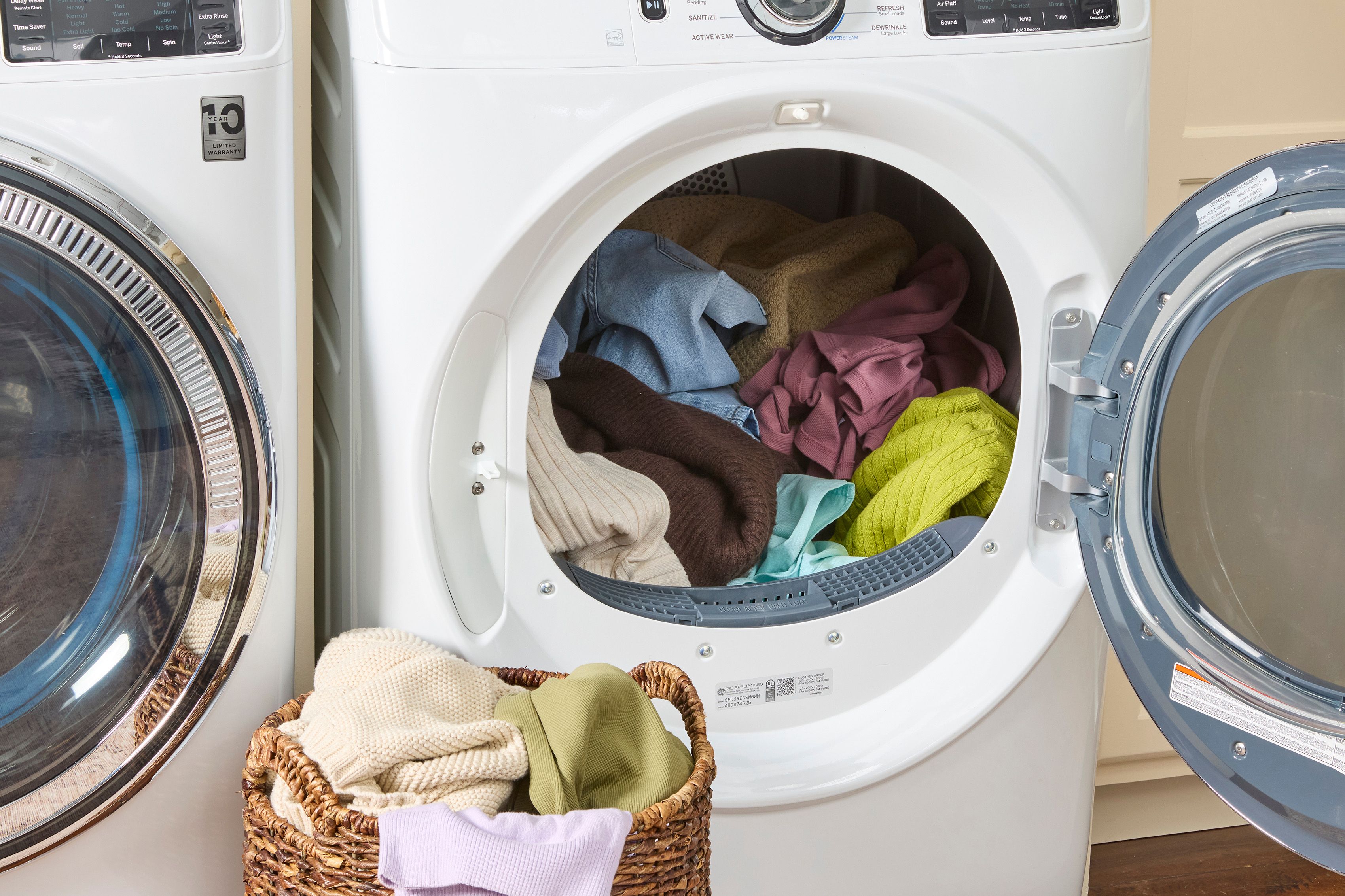
There are a few household shortcuts that feel clever in the moment and mildly cursed about an hour later. Leaving dishes to “soak” for two days is one. Ignoring the weird noise in your car is another. And skipping the rinse and spin cycle? That belongs in the same hall of fame for bad ideas.
At first glance, the rinse and spin cycle can seem optional. The wash portion did the heavy lifting, right? The clothes got soaked, sloshed around, and introduced to detergent with all the drama of a soap opera. Surely that is enough. But the truth is much less forgiving. If the rinse and spin stages do not happen properly, your laundry may come out holding detergent, soil, odor, moisture, and enough disappointment to ruin your whole “I finally got chores done” mood.
The rinse and spin cycle is not some bonus level your washer offers for overachievers. It is a core part of getting clothes actually clean, actually fresh, and actually ready to dry. Skip it, rush it, or ignore the signs that it is not working well, and you risk musty towels, stiff shirts, dingy fabrics, longer drying times, and a washer that starts smelling like regret.
So let’s talk about why you should never skip the rinse and spin cycle, what these steps really do, and how this overlooked part of laundry day can save your clothes, your time, and your electricity bill from unnecessary suffering.
What the Rinse and Spin Cycle Actually Does
People often talk about “doing laundry” as if the wash cycle is the whole event. It is not. Washing loosens dirt, body oils, and grime. Rinsing clears that loosened mess away along with leftover detergent, bleach, fabric softener, or treatment products. Then spinning forces out as much water as possible so your items do not crawl into the dryer like little soaked sandbags.
Think of it this way: washing is the scrubbing stage, but rinsing is the cleanup crew. If you stop after washing, the grime and soap may still be hanging around in the fabric. That is a bit like shampooing your hair and then deciding water is overrated.
The spin portion matters just as much. Wet fabric is heavy fabric. A strong spin removes a surprising amount of moisture before drying even begins. That means the dryer has less work to do, your clothes dry more evenly, and bulky items like towels, sheets, and hoodies are less likely to come out damp in random corners like they have personal issues.
Why Skipping the Rinse Cycle Is a Bad Idea
1. Detergent residue can stay in your clothes
If your laundry is not rinsed properly, some detergent may remain in the fibers. Sometimes you see this as streaks or white residue. Sometimes you do not see it at all, but you feel it in the form of stiffness, dullness, or that slightly tacky texture that says, “Hello, I am not as clean as I look.”
This is especially common when people use too much detergent, wash oversized loads, or run cycles that do not clear the soap effectively. Ironically, more detergent does not usually mean cleaner clothes. It can mean more suds, more buildup, and more chances for residue to stay behind. Your washer is not impressed by your enthusiasm.
2. Odors can linger or come back fast
When detergent, body oils, sweat, and soil are not fully rinsed away, fabrics can hold onto the stuff that causes odors. That is why a shirt can smell fine for five minutes and then suddenly smell suspicious the moment body heat joins the party. Towels are especially dramatic about this. They may come out of the wash smelling acceptable, then turn musty after one use because buildup never fully left.
If clothes stay even slightly dirty or product-coated, odor molecules have more to cling to. Add leftover moisture, and you have a recipe for that sour, stale, “Was this forgotten in the washer?” smell no one wants near their skin.
3. Sensitive skin may notice the difference
For many people, modern laundry detergents are safe when used correctly, and proper rinsing helps keep residue very low. But if you have sensitive skin, fragrance sensitivity, or just hate the feeling of product left on fabric, a complete rinse matters. It helps reduce leftover detergent and softener on items that sit close to your skin for hours, like underwear, pajamas, towels, and bedding.
In other words, the rinse cycle is not just about aesthetics. It can be part of making laundry feel better to wear.
Why Skipping the Spin Cycle Is Even Worse Than It Sounds
1. Your dryer has to do all the work
When the spin cycle does not remove enough water, your dryer inherits a swamp. That means longer dry times, more energy use, and more wear on fabrics that get tumbled forever just to reach “mostly dry.” If you have ever taken a load out of the dryer only to discover a damp waistband, wet towel corner, or mysteriously soggy hoodie pocket, weak spinning is often part of the story.
The dryer is designed to finish the job, not rescue a load that skipped an important step. A good spin cycle can dramatically reduce the moisture left in clothing, which makes everything after that faster and easier.
2. Heavy and bulky items dry unevenly
Towels, comforters, jeans, sweatshirts, bath mats, and bedding already hold more water than lighter fabrics. Without a strong spin, those items can stay so wet that they bunch up in the dryer, dry unevenly, wrinkle more, and sometimes smell off because moisture lingers too long. That giant towel you love? It can become a damp, moody blanket of poor decisions if it never gets properly spun out.
3. Damp clothes invite mildew and mustiness
Moisture is not always a crisis. Moisture that hangs around too long is. If clothing exits the washer too wet, sits in a hamper, waits in the dryer, or stays in a pile after drying starts, mildew odors can develop fast. The same goes for items forgotten in the washer after the cycle ends. A thorough spin reduces that risk by getting fabrics drier from the start.
The Hidden Problems That Make Rinse and Spin Fail
Too much detergent
This is one of the biggest laundry plot twists. People often assume a generous pour equals a superior clean. In reality, too much detergent can create excess suds that are harder to rinse away and may even interfere with the final spin. Some washers slow or struggle during a heavy-suds situation, leaving clothes wetter than expected.
So if your laundry comes out with residue, stiffness, or extra moisture, the issue may not be that you used too little detergent. It may be that you went full “soap commercial” when your washer wanted moderation.
Overloading the washer
A washer needs room for clothes to move. Stuff the drum too full, and water plus detergent cannot circulate well, soils may not lift properly, rinsing becomes less effective, and the spin can become uneven. Clothes end up mashed together like commuters on a packed subway, which is bad for cleaning and worse for water extraction.
Unbalanced loads
One heavy blanket, a rug, or a clump of towels on one side of the drum can throw the load off balance. When that happens, many washers reduce spin speed, pause, retry, or fail to complete the final spin well. The result is clothes that come out much wetter than they should. This does not always mean your machine is broken. Sometimes it is just your laundry behaving like a chaotic little meteor.
The washer itself needs attention
Soap buildup, lint, clogged filters, drainage issues, or a washer that is not level can also hurt rinse and spin performance. A machine with buildup inside may leave odors or residue behind. A machine with draining trouble may leave water in the tub or finish with overly wet clothes. Laundry problems are often machine problems wearing a disguise.
When the Rinse and Spin Cycle Is Especially Important
After washing towels and bedding
These items absorb a lot of water and tend to hold onto detergent, body oils, and softener residue if the rinse is weak. A complete rinse and strong spin help them come out fresher, lighter, and much easier to dry.
After using stain treatments or bleach
If you pretreat stains or use products that should not linger in fabric, thorough rinsing is a must. You want the treatment to do its job, not remain behind as a weird crunchy reminder of your stain-fighting ambition.
For workout clothes and everyday basics
Activewear, socks, underwear, T-shirts, and pajamas live close to sweat, skin oils, and body heat. These items benefit from a complete rinse because any leftover detergent or trapped odor becomes noticeable fast.
For loads washed for people with sensitive skin
If someone in the house is picky about scents, prone to irritation, or simply wants a cleaner feel, a full rinse becomes even more worthwhile. Clean should feel clean, not like wearing a lightly perfumed chemistry experiment.
Signs You Should Pay More Attention to Rinse and Spin
- Clothes feel stiff, sticky, or oddly coated after washing
- You notice white residue, streaks, or powder marks
- Towels smell musty even after washing
- The dryer takes forever to finish a normal load
- Heavy items come out dripping or much wetter than usual
- Your washer smells sour, moldy, or overly soapy
- Loads come out unbalanced, bunched, or half-rinsed
If any of these sound familiar, do not just blame the detergent, the weather, or bad luck. The rinse and spin stages deserve a closer look.
How to Make Sure Rinse and Spin Work the Way They Should
Use the right amount of detergent
Follow the detergent label and your washer’s instructions, especially if you use a high-efficiency machine. Concentrated formulas need less than many people think. Eyeballing it is how laundry legends are born for all the wrong reasons.
Do not overload the drum
Leave enough room for items to move freely. A packed washer reduces cleaning action, hurts rinsing, and makes spinning less effective.
Balance heavy loads
Wash large items with a few smaller ones when appropriate so the load does not shift into one giant wet lump. If the washer thumps, pauses, or leaves things wet, redistribute the load and run another spin if needed.
Clean the washer regularly
Residue in the tub, dispensers, seals, or pump area can transfer odors and affect performance. Running the machine’s cleaning cycle and letting the interior dry out between loads helps keep everything fresher.
Move laundry promptly
Even a good spin cycle cannot save clothes that sit damp in the washer for hours. When the cycle ends, move items to the dryer or a drying rack sooner rather than later. Laundry does not improve through contemplation.
The Bottom Line
The rinse and spin cycle is not an optional extra. It is the part of the process that clears away detergent and grime, removes excess water, reduces odor risk, helps fabrics feel better, and sets your laundry up to dry properly. Skip it, and your clothes may look finished while secretly carrying soap residue, trapped smells, and too much moisture.
So the next time you feel tempted to cut laundry day short, remember this: the wash cycle starts the job, but the rinse and spin cycle finishes it. And in laundry, as in life, the finishing part matters a lot more than people think.
Real-Life Experiences That Prove the Point
If you have done laundry for more than a few months, you have probably lived through at least one rinse-and-spin disaster. Maybe it was the towel load that smelled clean until the first shower. Maybe it was the comforter that spent two dryer cycles pretending to be dry while secretly hiding a damp center the size of a pancake. Maybe it was the black shirt decorated with white detergent streaks like it had been through a flour fight. These moments are annoying, but they all teach the same lesson: finishing the cycle properly matters.
One of the most common experiences happens with towels. You wash them, dry them, fold them, and feel extremely responsible. Then the next morning, the towel smells faintly sour the second it gets wet. That usually points to buildup or moisture that never really left in the first place. A stronger rinse and spin often fixes the problem faster than buying new towels and dramatically questioning your life choices in the bath aisle.
Bedding is another classic troublemaker. Sheets and duvet covers love to twist themselves into giant fabric ropes. When that happens, the spin cycle can become less effective, and the dryer ends up wrestling a heavy, damp knot. People often think the dryer is failing, but the washer may have handed it a terrible assignment. Redistributing the load and making sure the final spin actually happens can turn a two-hour drying marathon into a much simpler job.
Then there is the gym-clothes problem. Activewear may look tiny, but it hangs onto sweat, body oils, and odor in a surprisingly stubborn way. If those clothes are not rinsed well, they can smell clean straight out of the drawer and then suddenly smell like a forgotten locker the minute body heat shows up. Anyone who has had that experience learns quickly that the rinse cycle is not being dramatic. It is being helpful.
Families with kids know this lesson too. A load of socks, school clothes, sports uniforms, and mystery-stained hoodies can push a washer hard. Overfilling the drum feels efficient right up until everything comes out heavier than expected and still carries traces of detergent or dirt. Doing one less overloaded load would have saved time in the first place. Laundry has a rude but consistent way of teaching that shortcuts often create reruns.
And then there is the front-load washer smell. Many people discover it the hard way. A load finishes, life gets busy, and the clothes sit there for a while. Later, the washer smells musty, the clothes need rewashing, and everyone acts shocked even though the damp drum was basically hosting a tiny odor convention. A complete spin, prompt unloading, and regular cleaning help prevent that cycle of disappointment.
These everyday experiences are why seasoned laundry people become unexpectedly passionate about rinse and spin. It is not because they enjoy staring at appliance settings. It is because they have already paid the price in rewashing, redrying, and rewondering why that one towel still smells weird. Once you realize how much cleaner, fresher, and easier laundry becomes when the rinse and spin cycle does its full job, you stop seeing it as an optional step. You see it as the part that saves the entire load.