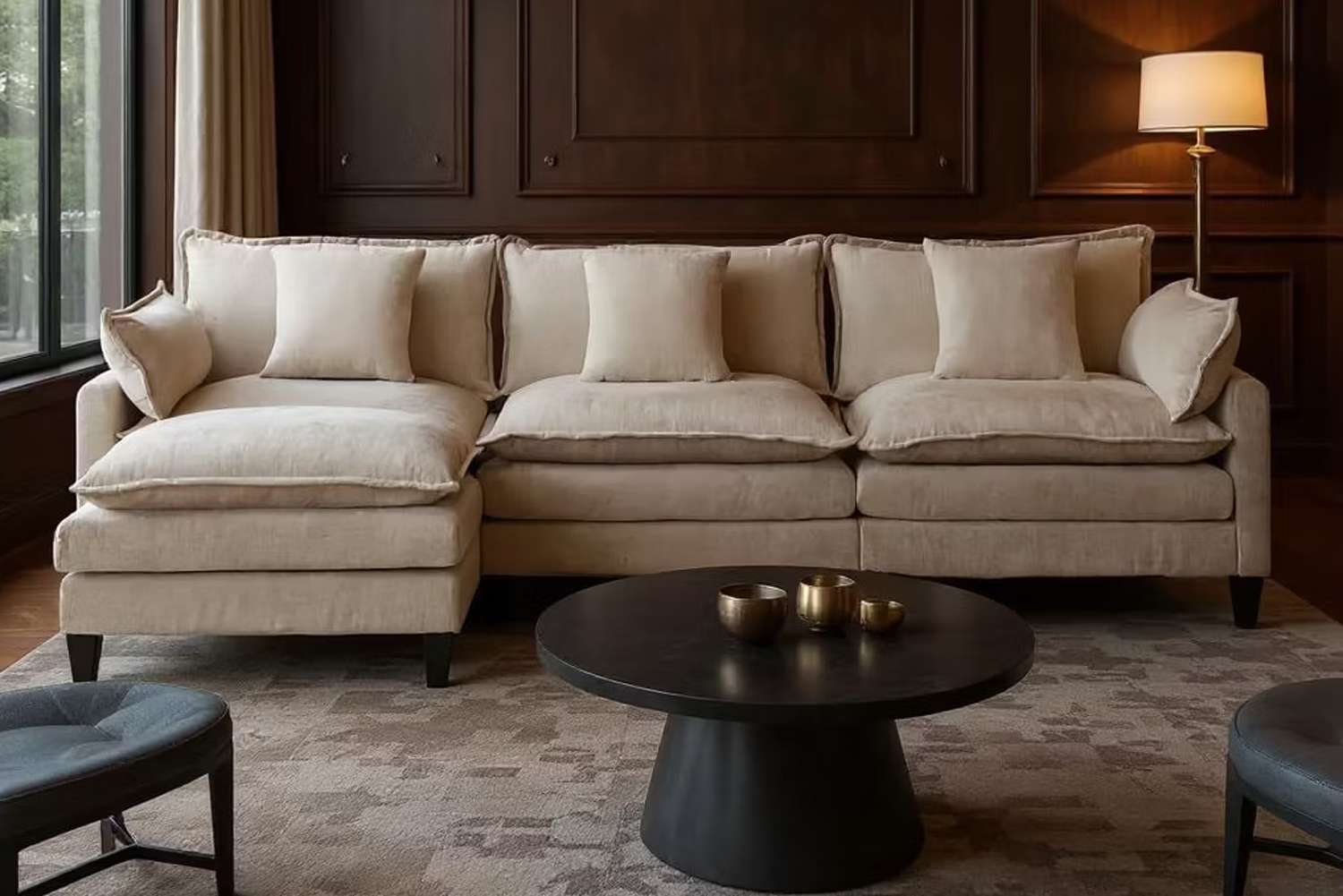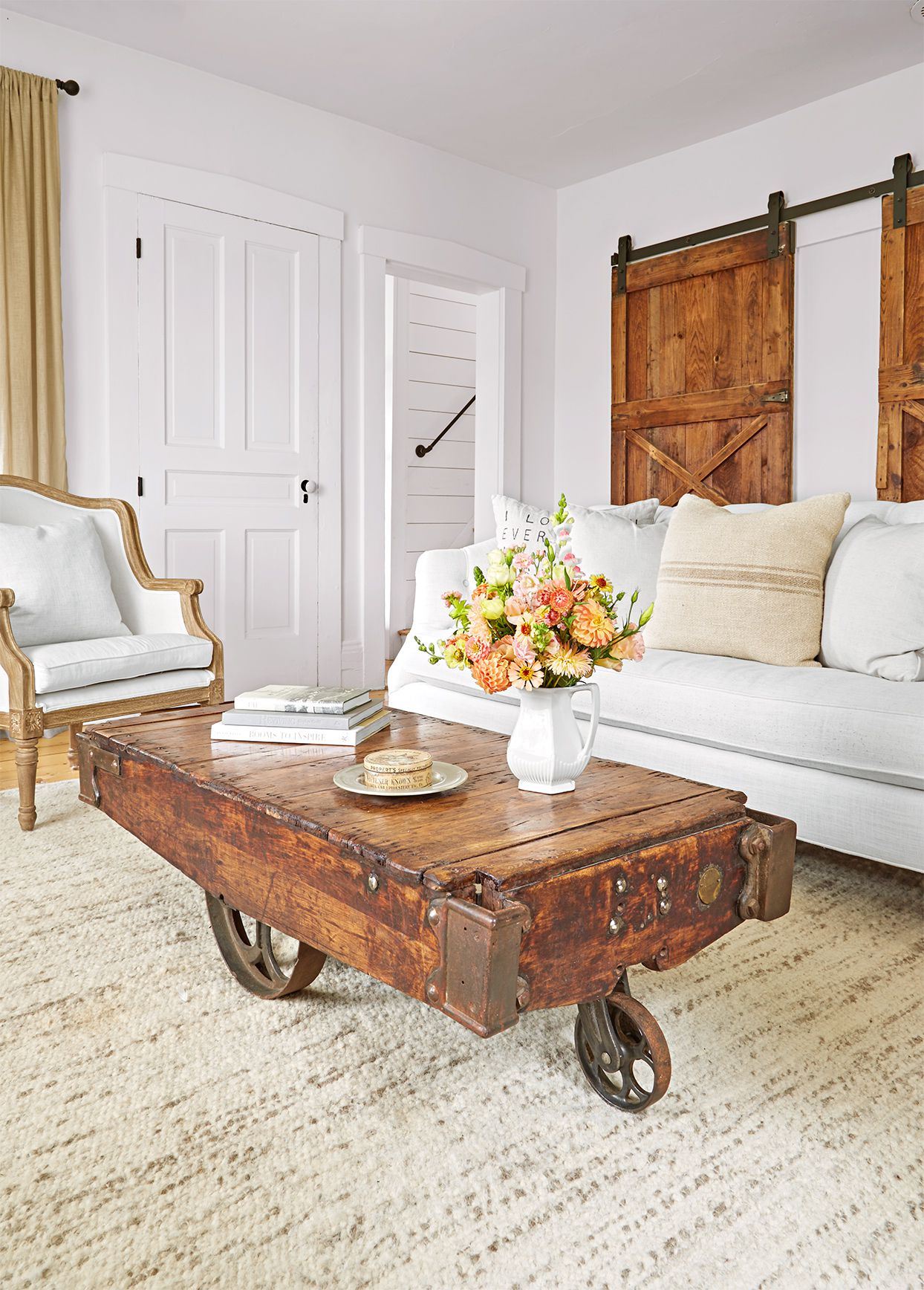
French country decor is what happens when a cozy farmhouse and a slightly fancy château become best friends and start borrowing each other’s clothes. You get the warmth of rustic materials (wood, stone, linen, a little honest wear-and-tear) paired with refined touches (curves, antiques, soft patterns, pretty lighting). The result? A home that feels welcoming, romantic, and lived-inlike it always has fresh bread somewhere, even if your oven’s main job is storing sheet pans.
Below are 19 charming ideas to bring French country style into your home with rustic elegancewithout turning your living room into a “Bonjour!” gift shop. We’ll keep it practical, room-friendly, and budget-flexible, with plenty of styling shortcuts that still look intentional.
What French Country Decor Is (and What It Isn’t)
At its core, French country style is a balance: rustic + refined. Think weathered finishes next to graceful silhouettes, relaxed textiles next to a touch of sparkle, and “collected over time” rather than “bought in one cart.”
Key elements you’ll see again and again
- Warm neutrals with soft color accents (creams, putty, stone, muted blues/greens)
- Natural materials (wood, stone, terracotta, linen, rattan)
- Curves and classic shapes (cabriole legs, rounded backs, vintage-inspired profiles)
- Patina (aged metals, worn finishes, gently imperfect textures)
- Soft patterns (toile, florals, stripes, checks like gingham)
What it isn’t: a requirement to wallpaper every surface with roosters. (If you love roosters, live your truth. Just… maybe pick one confident rooster, not an entire poultry committee.)
The 19 Charming Ideas
1. Start With a Warm, Sun-Kissed Neutral Palette
French country decor loves a gentle, sun-washed foundationcreamy whites, warm beiges, soft grays, and light taupe. These shades make rustic textures feel elegant instead of heavy, and they let antiques and textiles shine.
Try this simple formula: 70% warm neutral base + 20% soft supporting tones (muted blue, sage, dusty rose) + 10% contrast (aged black, deep walnut, burnished brass).
2. Embrace Patina Like It’s a Personality Trait
Rustic elegance isn’t about “perfect.” It’s about finishes that look like they’ve lived a little: rubbed edges, softly worn wood, slightly dulled brass, iron that isn’t trying to be shiny. Patina adds authenticity fastespecially in newer homes.
Quick win: swap in aged-looking hardware, add an antique-style mirror, or use a vintage-inspired metal tray on a coffee table for instant character.
3. Mix Rustic Woods With Curvy, Refined Silhouettes
This is the French country magic trick: pair a rugged farmhouse table with chairs that have curved backs, or put a refined, vintage-style settee against a chunky wood beam (real or faux). The contrast is what keeps the look charming instead of flat.
If your space already leans modern, bring in one curvy piecean oval mirror, a rounded armchair, or a petite chest with turned legsto soften the lines.
4. Add Texture Through Stone, Brick, or “Looks-Like” Finishes
French country style often includes stone or brick elements: a fireplace surround, a kitchen backsplash, or a simple stone-look floor. If you can’t renovate, consider realistic alternatives like stone-look porcelain tile, limewash-style paint, or a textured plaster finish on an accent wall.
The goal: depth and age. Even one textured surface makes everything else look more layered and collected.
5. Let Your Ceiling Join the Party (Beams, Planks, or a Subtle Wash)
Exposed beams are French country catnip, but you don’t need a full structural makeover. Faux beams, ceiling planks, or even a soft, warm white ceiling color can add that cozy “old home” feel.
If your ceiling is low, skip heavy beams and try a lighter touch: a washed wood finish, subtle paneling, or a statement light fixture that draws the eye up.
6. Choose Linen and Cotton as Your “Everyday Luxury”
Linen is basically the unofficial uniform of French country decor: relaxed, breathable, and casually elegant. Use it for curtains, slipcovers, table linens, and bedding. Cotton works beautifully tooespecially in soft stripes or simple checks.
Styling tip: let textiles drape naturally. French country is not about crisp, military-perfect folds. It’s more “effortless weekend in Provence” energy.
7. Layer Soft Patterns Without Going Full Circus Tent
Toile, florals, stripes, and gingham all belong herebut the secret is scale and spacing. Pair one larger pattern with a smaller one, and keep the palette tied together so it feels calm.
- Toile pillow + stripe throw
- Floral drapes + solid linen sofa
- Gingham tablecloth + neutral dishes
8. Add a Gilded or Antiqued Mirror for Instant French Flair
Want a shortcut to “French”? Add a mirror that looks like it has a story. Gilded frames, antiqued glass, and ornate edges bring refined eleganceespecially when paired with rustic materials nearby.
Place one in an entryway, above a mantel, or leaning on a console for that relaxed, collected look.
9. Use Statement Lighting: Chandeliers, Lanterns, and Warm Bulbs
French country lighting is often romanticchandeliers, lantern pendants, and sconces that glow warmly at night. The right fixture can turn an everyday room into a “sit down, I made soup” kind of space.
Choose bulbs with a warm tone, and use dimmers whenever possible. Rustic elegance is a mood, and nothing murders a mood like lighting that feels like a dentist’s office.
10. Anchor the Room With a Farmhouse-Style Dining Table
A substantial wood table is a French country staple. It’s functional, social, and naturally rustic. Pair it with a mix of seatingladder-back chairs, upholstered side chairs, or even a benchto keep it from feeling too matchy.
Finish the look with a linen runner, simple candles, and a bowl of fruit that looks suspiciously like you might actually eat it.
11. Style Open Shelving With Ceramics, Glass, and “Pretty Useful” Objects
French country decor loves display that still works. Open shelves in kitchens or dining areas are perfect for stacked plates, vintage glassware, cutting boards, and artisan ceramics.
Pro move: group by color family, vary height, and leave some breathing room. “Curated” is the goal“I own a pottery store now” is not.
12. Bring In Copper (or Warm Metals) for Kitchen Charm
Copper cookware, brass accents, and aged metal finishes add warmth and old-world charm. A pot rack, a few copper pans, or even a warm-metal faucet can give your kitchen that classic French country vibe.
If you’re budget-conscious, go small: a copper utensil crock, warm metal cabinet pulls, or a vintage-style tray on the counter.
13. Use Vintage-Inspired Rugs to Add Color and Softness
A slightly faded rugPersian-inspired, floral, or a subtle geometricmakes French country rooms feel layered and lived-in. It’s also the easiest way to introduce muted color without repainting anything.
For high-traffic areas, choose a low-pile rug or a washable option that can survive real life (pets, kids, and the occasional “oops” glass of red wine).
14. Add Woven Baskets and Natural Fibers for Rustic Texture
Baskets are the unsung heroes of rustic elegance: they add texture, warm up a room, and politely hide the chaos. Use them for throws, magazines, pantry items, or laundry that you absolutely plan to fold today. Definitely today.
Mix rattan, seagrass, and wicker with wood and linen for a relaxed, countryside feel.
15. Paint One Piece of Furniture for a Soft, Collected Look
French country decor often includes painted furnituremuted blues, creamy whites, soft grays, and gentle greens. A painted sideboard, nightstand, or console adds charm and makes the room feel more layered than all-stained wood.
For extra authenticity, choose a slightly matte finish and let a little wear show on corners over time. Perfection is overrated.
16. Add Architectural Detail: Wainscoting, Beadboard, or Simple Trim
Even modest trim work can add the refined side of rustic elegance. Wainscoting, beadboard, picture-frame molding, or a simple chair rail instantly makes walls feel more “European farmhouse” and less “blank drywall sadness.”
Paint it the same color as the wall for a subtle, high-end look, or go a shade lighter to highlight the detail.
17. Display China, Glassware, or HeirloomsBut Edit Ruthlessly
French country style loves beautiful everyday objects: plates, bowls, pitchers, cake stands. Display a few pieces where you’ll actually enjoy themopen shelving, a hutch, or a glass-front cabinet.
The key is restraint: pick a cohesive palette (whites, creams, soft blues) and leave negative space. Your shelves should look styled, not like they’re bracing for impact.
18. Bring the Outdoors In With Florals, Herbs, and Greenery
Fresh stems instantly add French countryside charm. Think lavender, olive branches, eucalyptus, garden roses, or simple greenery in a ceramic pitcher. Even grocery-store flowers look elevated in the right vessel.
Bonus points for potted herbs in the kitchen. They’re functional, pretty, and they make you feel like the kind of person who says things like “just a pinch of thyme.”
19. Create a Bistro Moment: A Small Table, Two Chairs, and a Little Romance
A bistro setup is French country perfectionespecially in a breakfast nook, patio, or small corner of the kitchen. Choose a petite round table, classic café-style chairs, and keep it simple: a small vase, a candle, maybe a basket for bread.
It’s a tiny design move with big lifestyle energy. Suddenly, your morning coffee feels like a scene, not a survival tactic.
How to Keep Rustic Elegance From Turning Into “Theme Decor”
French country decor should feel collectednot costume-y. If you’re worried about going too far, these guardrails help:
- Pick one hero pattern (toile or floral) and support it with solids and subtle stripes.
- Mix old and new so it doesn’t feel like a set. A modern sofa can look amazing with an antique mirror.
- Repeat materials (linen + wood + warm metal) so the space feels cohesive, not random.
- Leave breathing room. Rustic elegance needs negative space to feel calm and elevated.
Conclusion
French country decor with rustic elegance is less about rules and more about balance: soft and sturdy, refined and relaxed, beautiful and useful. Start with warm neutrals, layer in natural textures, sprinkle in a few vintage-style curves, and let patina do the storytelling. If your home feels welcoming enough for friends to lingerand pretty enough that you catch yourself admiring it while carrying laundrycongratulations. You nailed it.
Real-Home Experiences: What People Learn After Trying French Country Decor
Here’s the part nobody tells you when you fall in love with French country style online: the magic isn’t one big purchaseit’s a series of small, slightly opinionated decisions that add up. In real homes, the happiest French country spaces tend to follow a few “learned-the-hard-way” lessons.
Experience #1: The fastest “French” upgrade is lightingno contest
Many people start with throw pillows (understandable, they’re cute), but the room still feels a little… regular. Then they swap a builder-grade fixture for a lantern pendant or a chandelier, warm up the bulbs, and suddenly everything looks more intentional. Lighting changes how textures read: linen looks softer, wood looks richer, and even basic walls feel more dimensional. If you only do one upgrade this year, do lightingyour future self will thank you every evening.
Experience #2: Too much distressing can look accidental, not elegant
Patina is charming. “Every surface looks sanded by a hyperactive squirrel” is less charming. Real homes look best when there’s contrast: one weathered table, one aged mirror, one worn rugthen a cleaner element like crisp trim, a simple sofa, or smooth ceramic lamps. Rustic elegance needs refinement to feel elevated.
Experience #3: Paint samples save relationships
Warm neutrals are tricky because they change mood dramatically from morning to night. A creamy white can look cozy at noon and oddly yellow at 8 p.m. People who skip sampling often end up repainting. The real-home approach: test big swatches, check them under your actual bulbs, and pick the one that stays calm in every light. French country should feel like a soft exhale, not like your walls are yelling “BUTTER!” at you.
Experience #4: “Collected” is curatedediting is part of the aesthetic
A hallmark of French country decor is display: plates, pitchers, baskets, books, art. But real spaces only feel charming when there’s negative space. Homeowners who love the style often learn to rotate items seasonally (a few ceramics now, some greenery later) so shelves don’t feel crowded. If you’re stuck, remove one-third of what’s out. Your room will instantly look more expensive.
Experience #5: Thrifting works best with a short list (and a long snack break)
Antique stores and flea markets are French country paradiseuntil you buy twelve “almost right” things and none of them actually work together. People get better results when they thrift with a short plan: one mirror, one pair of lamps, one set of dining chairs, or one big bowl. Measure first, take photos of your room, and give yourself permission to leave empty-handed. The most French country move of all? Patience.
Experience #6: The best French country rooms are comfortable enough to live in
Real rustic elegance doesn’t demand perfect styling 24/7. Slipcovers that can be washed, rugs that can handle life, baskets that hide clutterthese are the behind-the-scenes heroes. The vibe should say “come in, sit down,” not “please don’t breathe near the sofa.” If your home invites people to stay a while, you’ve captured the spirit of the style.
Experience #7: A little modern keeps it fresh
Many homeowners worry that French country will feel dated. The fix is simple: mix in one or two modern elementsclean-lined art, a streamlined sofa, minimal window shades, or contemporary hardware. That contrast prevents the look from drifting into “museum of lovely things” and keeps it grounded in the present.
In short: French country decor is a slow-burn style. It rewards thoughtful choices, warm materials, and a bit of humor about real life. Let it evolve, let it breathe, and let it be lived in. Rustic elegance isn’t fragileit’s charmingly resilient, like a well-loved wooden table that somehow looks better after a few more dinners.