Note: Body-only HTML, written in standard American English, ready for copying and publishing.
If a basic builder bathroom and a boutique spa had a very stylish child, it would probably look a lot like a travertine redesign. That is the magic of this material. Travertine can make an ordinary room feel collected, calm, and quietly luxurious without screaming, “Look at me, I cost a fortune!” It has texture, history, and just enough imperfection to feel human. In other words, it is the opposite of a cold, overly polished showroom space that looks great online and weirdly stressful in real life.
The phrase “Reader Redesign: A Dream In Travertine” instantly conjures a certain kind of makeover story: a once-forgotten room transformed into something warm, grounded, and deeply livable. And that is exactly why travertine keeps showing up in beautiful bathrooms, soft modern kitchens, elegant fireplaces, and earthy, hotel-like spaces. Whether you are planning a full renovation or simply daydreaming from your sofa with a coffee in hand and a tape measure nearby, travertine deserves a serious look.
This article explores what makes travertine so appealing, how it performs in real homes, what design choices make it shine, and what homeowners should know before committing. Because yes, travertine is gorgeous. But like many gorgeous things, it also appreciates a little respect, a little maintenance, and a little common sense.
The Redesign That Starts the Conversation
The title itself feels rooted in the classic reader-makeover tradition: a bland, white, builder-grade bathroom gets reimagined into a soothing retreat with storage, better proportions, and materials that actually have a pulse. That kind of transformation still resonates because it solves a real design problem. Many older bathrooms are not terrible in a dramatic reality-TV way. They are just painfully forgettable. Too much flat white. Not enough texture. Lighting that says “dentist office” when you really wanted “slow Sunday morning.”
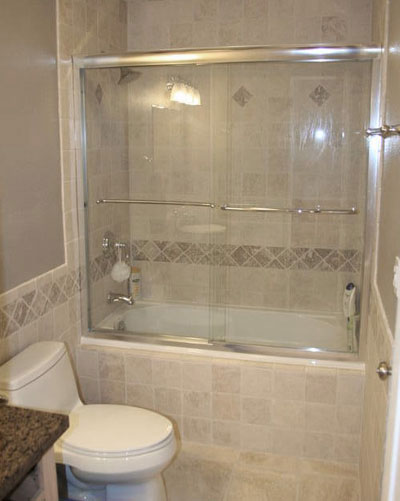
A travertine-centered redesign changes that mood fast. Suddenly the room has movement in the stone, softness in the palette, and a tactile quality that makes even practical elements feel elevated. Add a putty, sand, cream, or warm greige wall color, a custom or furniture-style vanity, and better lighting, and the room starts telling a different story. It no longer feels like the bathroom that came with the house. It feels like a place someone actually imagined.
What Travertine Actually Is
Travertine is a natural stone and a form of limestone created by mineral-rich water over time. That natural formation process gives it the pitted surface, soft veining, and tonal variation that make it so distinctive. No two pieces are exactly alike, which is a huge part of the appeal. If ceramic tile is the neat student with color-coded notes, travertine is the charming creative type with a wrinkled linen shirt and excellent taste in books.
In design terms, travertine is loved because it is neutral without being boring. It usually appears in earthy shades like cream, beige, tan, ivory, walnut, gold, and gray. Those colors play nicely with almost everything: oak, walnut, plaster, brushed brass, matte black, unlacquered bronze, soft whites, clay tones, and even moodier greens or muddy blues. That flexibility is why designers continue to return to it. Travertine can feel traditional, Mediterranean, rustic, minimalist, or quietly modern depending on how you style it.
Why Travertine Feels So Good in a Bathroom
It brings instant warmth
Bathrooms are notorious for feeling cold, both visually and literally. Chrome, glass, white porcelain, and standard tile can create a clean look, but they can also make the room feel a bit clinical. Travertine softens that. Its matte, velvety character and natural variation warm up the room before you even turn on a candle or roll up a fluffy towel.
It creates a spa-like mood without trying too hard
Many homeowners want a “spa bathroom,” but the phrase is often translated into lifeless beige minimalism or expensive gimmicks nobody asked for. Travertine gets you closer to the real thing because it has sensory depth. It looks calm, it feels substantial, and it works beautifully with other organic materials like wood, linen, and handmade pottery. That is the secret sauce. A spa-like room is not just neutral. It is layered, tactile, and visually quiet.
It looks better with age than trendier finishes
Some bathroom trends arrive like pop songs and leave just as quickly. Travertine tends to stick around because it is anchored in natural materiality rather than novelty. Even when design trends shift, stone with authentic texture remains relevant. That makes travertine a smart choice for homeowners who want a timeless bathroom redesign instead of a room that will feel awkward in three years.
Travertine Finishes: The Detail That Changes Everything
One of the best things about travertine is that it is not a one-note material. The finish has a huge effect on how it looks and behaves.
Honed travertine
Honed travertine has a smooth, matte surface that feels understated and sophisticated. It is one of the most popular options for bathrooms because it offers elegance without high shine. If you want your travertine bathroom to feel calm, modern, and expensive in a whisper-not-a-yell kind of way, honed is usually the move.
Polished travertine
Polished travertine has more shine and a dressier appearance. It reflects light beautifully, but it can also show scratches more easily and may feel too slick for certain applications, especially on bathroom floors. Gorgeous? Yes. Best choice for every surface? Not always.
Tumbled or brushed travertine
Tumbled and brushed finishes have more texture and a weathered look. They are wonderful if you want that old-world, earthy character. These finishes can add grip underfoot and are especially effective in spaces where you want the stone to feel relaxed rather than formal.
Filled vs. unfilled
Travertine naturally contains holes and voids. In filled travertine, those openings are smoothed with filler for a more even surface. In unfilled travertine, they remain more visible and textured. Filled stone often feels more refined and practical indoors, while unfilled stone leans rustic and expressive. Neither is wrong. It depends on whether your dream bathroom is “tailored boutique hotel” or “beautiful villa where someone definitely serves olives at 4 p.m.”
The Honest Part: Travertine Has Rules
Now for the grown-up conversation. Travertine is not a miracle material. It is a porous natural stone, which means it needs the right care if you want it to look good long-term.
It needs sealing
This is not optional advice from a fussy design aunt. It matters. Travertine should be sealed after installation and resealed periodically based on use, moisture exposure, and traffic. In hardworking spaces like bathrooms and kitchens, staying on top of sealing helps protect the stone from stains, moisture issues, and general wear.
Acid is the enemy
Lemon, vinegar, acidic bathroom cleaners, and harsh scrubbing products can dull or etch calcareous stones like travertine. Translation: do not attack your beautiful stone with the same energy you use on a grimy sheet pan. Use pH-neutral cleaners designed for natural stone instead.
It may need small repairs over time
With filled travertine, some filler can loosen or pop out with age and use. This does not mean the stone is failing or staging a rebellion. It simply means natural materials have quirks. Re-filling small areas is part of long-term maintenance in some installations.
Shiny is not always smarter
In wet zones, polished stone can be more slippery than textured or matte finishes. That is why many designers and homeowners prefer honed or tumbled travertine for bathroom floors. You want elegance, not an accidental figure-skating routine after a shower.
How to Design a Travertine Bathroom That Feels Current
The biggest mistake people make with travertine is assuming the stone alone will do all the work. It is stunning, but it still needs a good supporting cast.
Pair it with the right wood tones
White oak, natural oak, walnut, and medium wood finishes all look beautiful with travertine. They bring warmth while keeping the room grounded. A floating oak vanity with a slab-like travertine floor is practically a love language in design form.
Choose calm, complex paint colors
Travertine loves colors that sit somewhere between obvious and elusive: putty, mushroom, greige, warm white, soft taupe, dusty olive, clay, and mineral gray. These shades let the stone breathe. Bright, icy whites can make travertine look yellow. Super-cool grays can make the room feel disconnected. Aim for warmth and nuance.
Use simple shapes
Because travertine already has visual movement, it often looks best in clean layouts. Large-format tiles, stacked patterns, simple vanities, and restrained hardware keep the room from feeling busy. If you want extra detail, add it through lighting, mirrors, or textiles rather than forcing the stone to compete with ten other ideas.
Mix materials, but keep them honest
Travertine works beautifully with plaster, limewash, brushed metals, fluted glass, and handmade ceramic. It also pairs well with granite or quartzite countertops if the tones relate. The goal is contrast with compatibility, not chaos with a side of grout.
Best Places to Use Travertine in a Redesign
Flooring
Travertine floors are classic for a reason. They feel substantial, timeless, and high-end without becoming flashy. Honed or tumbled finishes are especially appealing here because they are softer in appearance and more forgiving in daily use.
Shower walls
Travertine on shower walls can be absolutely gorgeous, particularly when used in larger pieces that show off the stone’s natural variation. It can turn a standard alcove into a proper feature. Just remember: beautiful shower walls still need correct waterproofing and ongoing care.
Vanity backsplashes and accents
If you love the look but are not ready for a full stone room, use travertine in smaller doses. A backsplash, shower niche, window ledge, or framed mirror wall can bring the same organic warmth with less maintenance and lower cost.
Fireplace surrounds and adjacent spaces
Travertine is not just a bathroom star. It also works beautifully on fireplace surrounds, entry floors, mudrooms, and kitchens. If you want the whole home to feel cohesive, repeating the material in a few strategic places can make the design feel intentional rather than one-room random.
Travertine vs. Travertine-Look Porcelain
This is where design dreams meet practical budgets. Real travertine offers natural depth, softness, and variation that many homeowners find hard to beat. But porcelain that mimics travertine has gotten much better. It can be easier to maintain, less sensitive to etching, and often more budget-friendly.
If you want the feeling of travertine without the maintenance responsibility, porcelain may be the better fit. If you want authentic stone, are willing to seal and care for it, and love the one-of-a-kind character only nature delivers, real travertine is worth serious consideration. This is not a morality test. It is a lifestyle decision.
What Makes a Reader Redesign Work So Well
The real lesson behind a great reader redesign is not just “use pretty stone.” It is that function and beauty should rise together. The best makeovers usually solve multiple problems at once: poor storage, awkward scale, dated finishes, weak lighting, and a general lack of personality. Travertine becomes especially effective when it is part of a smarter plan.
That plan might include stealing a little underused hallway space for a closet, swapping a clunky vanity for a custom one, framing an old mirror for character, choosing a lower-profile toilet for better balance, or upgrading the tub and shower to improve daily life. Those choices matter just as much as the stone. A room feels dreamy when it works beautifully, not just when it photographs well.
Mistakes to Avoid
- Ignoring maintenance: If you know you will never reseal stone or use the right cleaner, do not choose travertine out of pure optimism.
- Using the wrong finish on the floor: A highly polished surface in a wet bathroom can be less forgiving than a honed or textured one.
- Pairing it with the wrong undertones: Travertine usually likes warm, earthy companions. Very cool finishes can clash.
- Overdecorating the room: Travertine already has character. Let it breathe.
- Chasing a fake “Tuscan” cliché: You do not need scrolls, roosters, and faux-antique everything. Keep the styling fresh, clean, and restrained.
Why This Dream Still Resonates
There is a reason travertine continues to reappear in modern design conversations. People are craving homes that feel softer, warmer, and more grounded. They want natural materials, subtle texture, and rooms that feel restorative rather than performative. Travertine delivers that in a way few materials can. It carries history, but it does not feel dusty. It feels lived-in, elegant, and deeply tactile.
A redesign centered on travertine is not just about replacing ugly tile. It is about changing the emotional temperature of a room. The right stone, paired with thoughtful lighting, good storage, and a warm palette, can turn a purely functional bathroom into a place that actually improves the day. That is the dream, really. Not perfection. Not trend-chasing. Just a room that feels better to live in.
Real-Life Experience: What Living With a Travertine Bathroom Actually Feels Like
Living with travertine is a little different from admiring it in a photo, and that is a good thing. In pictures, you notice the color first. In real life, you notice the mood. Morning light lands differently on it than it does on glossy ceramic. At sunrise, the stone can look creamy and pale, almost sandy. By afternoon, the warmer veining becomes more visible. At night, under soft sconces or dim vanity lights, travertine can take on that cozy, hushed glow that makes a bathroom feel more like a retreat than a utility zone.
Many homeowners say a travertine bathroom changes the way they use the space. Instead of rushing in and out, they linger. They light a candle. They buy the nice hand soap. They suddenly care about towels in a way that would have seemed ridiculous six months earlier. A well-designed travertine room has that effect. It encourages slower rituals because the environment itself feels calmer.
There is also a very tactile pleasure to it. A honed travertine floor under bare feet does not feel plasticky or artificial. It feels grounded. The texture is subtle, but it matters. It reminds you that the room is built from real materials, not just surfaces pretending to be something else. That authenticity is hard to quantify, but easy to feel.
Of course, real life also includes toothpaste splatters, hard water, dropped hair tools, and the occasional cleaning shortcut that seemed smart in the moment. Travertine teaches mindfulness. Not the mountaintop kind. The housekeeping kind. You become more aware of what products you use. You wipe up spills a little faster. You stop reaching for harsh cleaners like they are the answer to every minor inconvenience. Oddly enough, this does not always feel like a burden. For many people, it feels like participating in the care of their home more intentionally.
And then there is the visual reward. Even on messy days, travertine tends to make a room look composed. Because it already contains natural variation, it hides the tiny imperfections of daily life better than ultra-flat, ultra-uniform materials. A water droplet here, a bit of lint there, a slight shift in light across the floor: the stone absorbs these moments into its character. It does not look precious. It looks lived with.
That may be the biggest surprise of all. Travertine sounds fancy, but a good travertine bathroom does not feel stiff. It feels relaxed. The best versions are not trying to impress anyone. They simply look beautiful while doing their job. And that is why a dream in travertine remains such a compelling redesign story. It is not only about visual transformation. It is about creating a room that improves the rhythm of everyday life, one ordinary morning and one long exhale at a time.
Conclusion
Reader Redesign: A Dream In Travertine is the kind of makeover concept that endures because it combines beauty with substance. Travertine offers warmth, texture, and timeless character that can transform a bathroom from bland and forgettable into calm and memorable. It works especially well when paired with smart storage, flattering lighting, natural wood, and a palette that lets the stone do what it does best: quietly steal the show.
It is not a zero-maintenance material, and that should be said plainly. Travertine asks for sealing, gentle cleaning, and thoughtful finish selection. But for homeowners who want a natural stone bathroom with depth, softness, and lasting appeal, the payoff can be enormous. When used well, travertine does more than decorate a space. It changes how the room feels, how the light behaves, and how you experience everyday routines. That is what turns a simple renovation into a dream.