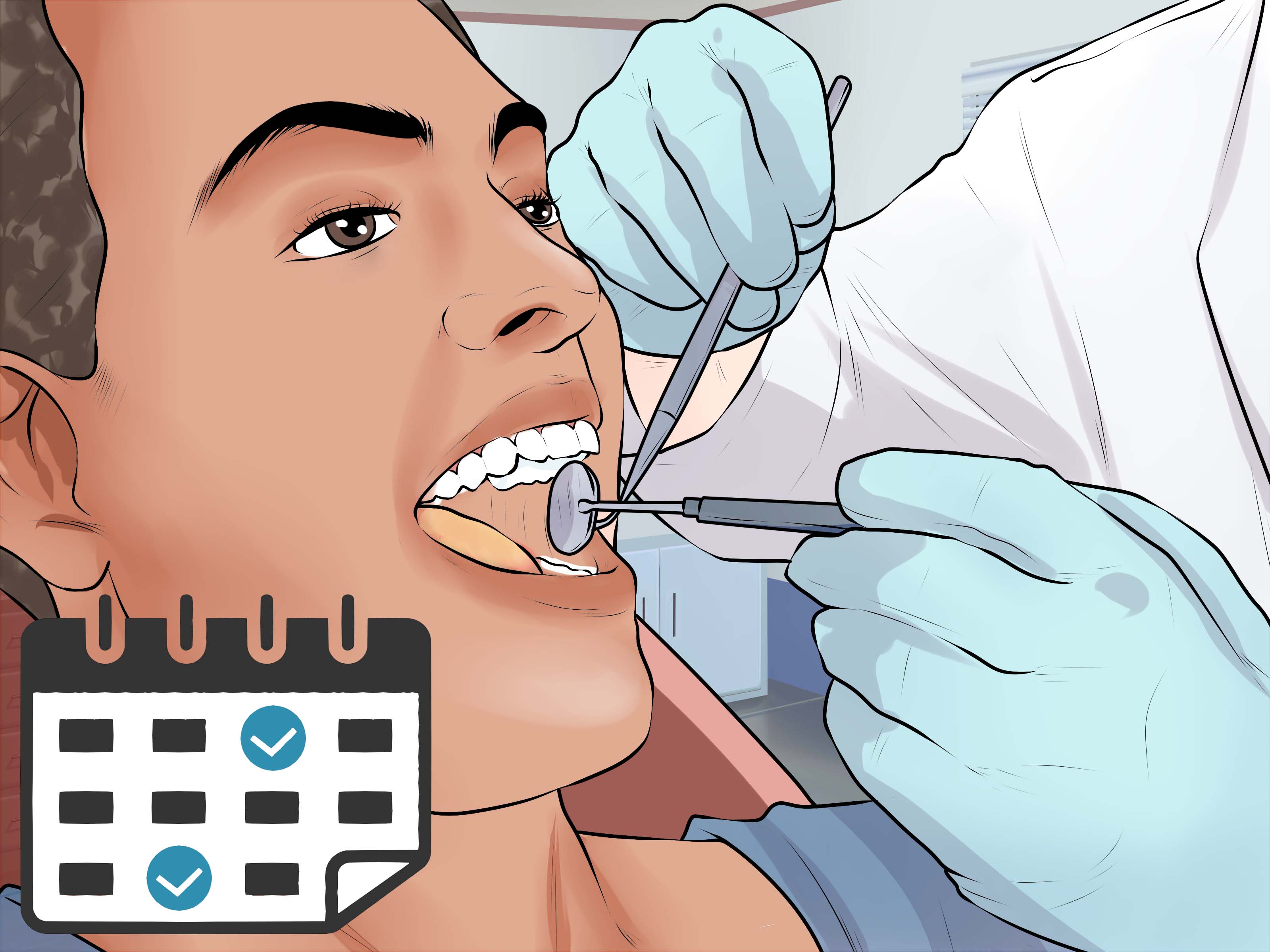
Going to the dentist sounds simple: make an appointment, open your mouth, and try not to stare directly into the overhead light as though you are being questioned by aliens. In practice, however, a successful dental visit involves choosing the right provider, preparing your medical information, understanding costs, communicating concerns, and following through after the appointment.
Routine dental exams can help detect tooth decay, gum disease, oral infections, and other problems before they become more difficult or expensive to treat. A typical visit may include a review of your health history, an examination, professional cleaning, preventive guidance, and dental X-rays when clinically appropriate.
Whether you have not seen a dentist in six months or six years, the following 14 steps will help you approach the appointment with less stress and considerably fewer surprises.
How to Go to the Dentist in 14 Practical Steps
1. Decide Why You Need a Dental Appointment
Begin by identifying the reason for your visit. You might need a routine checkup, professional cleaning, evaluation of tooth sensitivity, repair of a damaged filling, cosmetic advice, or urgent treatment for pain or swelling.
Be specific when you call. Instead of saying, “My tooth is acting weird,” explain where the discomfort is, when it started, what triggers it, and whether you have swelling, fever, bleeding, or difficulty chewing. Clear information helps the office decide how quickly you should be seen and how much appointment time to reserve.
Do not postpone care when you have severe pain, facial swelling, uncontrolled bleeding, trauma, or signs of infection. Tooth decay can progress to pain, infection, and tooth loss when left untreated.
2. Choose the Right Type of Dentist
Most adults can begin with a general dentist. General dentists provide examinations, cleanings, fillings, crowns, preventive care, and many other common services. Depending on your needs, you may later be referred to a specialist such as an orthodontist, periodontist, endodontist, oral surgeon, or prosthodontist.
When comparing dental offices, consider location, operating hours, emergency policies, accessibility, accepted insurance plans, communication style, and experience with your particular needs. Ask whether the dentist explains prevention strategies, provides written treatment plans, and discusses financial options before beginning nonemergency treatment.
Online reviews may be useful, but read them with perspective. One angry review about parking should not outweigh dozens of comments praising careful treatment. Teeth are important; parking drama is usually temporary.
3. Check Insurance, Fees, and Payment Options
Before scheduling, contact the dental office and your insurer to confirm whether the dentist participates in your plan. Ask about deductibles, copayments, annual maximums, waiting periods, exclusions, and coverage for examinations, cleanings, X-rays, fillings, crowns, or specialist care.
Dental plans vary widely, and coverage does not necessarily mean that the plan pays the entire bill. Some policies cover only a percentage of treatment or calculate benefits using a fee that differs from the dentist’s actual charge.
People without dental insurance can ask about cash discounts, installment arrangements, membership savings plans, community health centers, dental-school clinics, Medicaid or CHIP eligibility, and local charitable programs. Federally Qualified Health Centers may provide services on a sliding fee scale based on income.
4. Schedule an Appointment That Fits Your Needs
Call the office or use its online scheduling system. Tell the staff whether you are a new patient and describe the purpose of the visit. Mention any urgent symptoms, mobility limitations, communication needs, sensory sensitivities, or other accommodations.
Choose a time when you are unlikely to be rushed. An early appointment may work well if you tend to become more anxious while waiting throughout the day. Avoid squeezing a first dental visit between two important meetings unless you enjoy answering work calls while half your face feels like a decorative pillow.
Ask how long the appointment is expected to take and whether the first visit includes treatment or only an examination and consultation.
5. Tell the Office About Dental Anxiety
Dental fear is common and should not be embarrassing. Tell the receptionist when booking that you feel nervous, and remind the clinical team when you arrive. Describe previous negative experiences and explain what tends to make you uncomfortable.
You can ask the dentist to explain each step, agree on a hand signal for breaks, use topical numbing medicine before injections, or discuss appropriate sedation options. Headphones, controlled breathing, and shorter appointments may also help. The ADA recommends communicating anxiety openly and asking questions so the visit feels more predictable.
A compassionate dental team would rather know that you are anxious than discover it when you attempt to climb backward through the chair.
6. Gather Your Medical and Dental Information
Prepare a complete list of prescription medicines, over-the-counter drugs, vitamins, supplements, allergies, medical conditions, previous surgeries, and relevant dental history. Include medication names and dosages whenever possible.
Tell the dentist about pregnancy, diabetes, heart conditions, bleeding disorders, immune-system problems, cancer treatment, artificial joints, tobacco use, or previous reactions to anesthesia. Never stop a medicine or take antibiotics before dental treatment unless your dentist or medical clinician specifically instructs you to do so.
An accurate medical and dental history is essential before diagnosis or treatment because health conditions and medications may affect bleeding, healing, infection risk, dry mouth, gum health, and treatment decisions.
7. Transfer Previous Dental Records When Helpful
If you are changing dentists, ask your former office to send relevant records and recent X-rays to the new practice. You may need to complete an authorization form.
Existing images can provide valuable information and may prevent unnecessary duplication, although the new dentist will decide whether additional X-rays are needed based on your symptoms, health history, previous images, examination findings, and risk of oral disease. Dental X-rays can reveal cavities between teeth, infections, bone loss, impacted teeth, and problems around roots that may not be visible during a standard examination.
8. Write Down Symptoms and Questions
Before the appointment, make a brief list of anything you want to discuss. Useful details include:
- Where pain or sensitivity occurs.
- How long the problem has been present.
- Whether hot, cold, sweets, biting, or pressure trigger it.
- Whether your gums bleed or feel swollen.
- Whether you grind your teeth or wake with jaw pain.
- Whether you have dry mouth, sores, bad breath, or changes in your bite.
- What cosmetic or functional result you hope to achieve.
Photos of occasional swelling or mouth lesions can be useful when the condition is not visible on appointment day. Your phone contains 800 pictures of food and pets; it can probably hold one medically useful gum photo.
9. Prepare Properly on Appointment Day
Brush and clean between your teeth as usual, but do not attack your gums with heroic last-minute flossing. One aggressive cleaning session cannot replace months of home care, and it may leave the tissues unnecessarily irritated.
Unless the office gives different instructions, eat a normal or light meal before a routine appointment. Follow the dentist’s specific fasting directions when sedation or a surgical procedure is planned. Take your regular medications unless a qualified healthcare professional has told you otherwise.
Bring identification, insurance information, payment method, medication and allergy lists, referral documents, and any forms the office requested. People who may receive sedating medication should arrange transportation according to the practice’s instructions.
10. Arrive Early and Complete the Forms Carefully
New patients should generally arrive 10 to 20 minutes early. This allows time to complete health-history forms, verify insurance, sign privacy documents, and discuss costs without turning the reception desk into a competitive paperwork event.
Answer every medical question honestly. Dentists are not asking about smoking, alcohol, medications, pregnancy, or health conditions to judge you. They need accurate information to provide safe care.
If you need help reading forms, transferring into the dental chair, understanding instructions, or communicating in English, tell the staff. Dental practices can often arrange reasonable accommodations when they receive advance notice.
11. Communicate Before the Examination Begins
When you meet the dentist or hygienist, briefly explain your main concern, goals, anxiety level, and preferred communication style. Confirm a signalsuch as raising your left handthat means you need the clinician to stop.
Ask for explanations in plain language. You have the right to understand what the dental team is examining, what they find, which options are available, and what a proposed procedure involves. If something hurts, say so. Remaining silent while gripping the chair hard enough to reshape the armrests is not a treatment strategy.
12. Know What Happens During a Dental Checkup
A routine appointment may begin with a dental hygienist reviewing your history and examining your teeth and gums. The hygienist may measure spaces around the teeth, remove hardened tartar through scaling, polish the teeth, floss, and provide home-care guidance. A professional cleaning generally includes scaling and polishing, although the exact services depend on your oral health.
The dentist may inspect your teeth, fillings, bite, gums, tongue, cheeks, lips, jaw, and other oral tissues. Many routine examinations also include a visual and tactile screening for unusual sores, patches, lumps, or tissue changes. Screening can identify suspicious findings, although it cannot by itself diagnose oral cancer.
If X-rays are recommended, ask why they are needed and how the results will affect care. Their frequency should be based on individual clinical needs rather than an automatic calendar schedule.
13. Review the Diagnosis and Treatment Plan
After the examination, ask the dentist to summarize the findings. For each recommended procedure, discuss:
- The problem being treated.
- Whether treatment is urgent or can be monitored.
- The benefits, risks, and reasonable alternatives.
- What may happen without treatment.
- The number and length of appointments.
- Expected recovery and aftercare.
- Total estimated cost and insurance estimate.
For extensive or expensive care, request a written treatment plan. A second opinion may be appropriate when treatment is complex, irreversible, or financially significant. A good dentist should be able to explain the recommendation without acting offended that you asked a question containing more than three words.
14. Follow Aftercare Instructions and Plan the Next Visit
Before leaving, confirm what you should do at home, which symptoms are expected, what activities or foods to avoid, and when to call the office. Schedule follow-up treatment before your calendar mysteriously becomes full for the next eight months.
Continue brushing twice daily with fluoride toothpaste and cleaning between your teeth regularly. The appropriate interval between professional visits depends on your oral health, cavity risk, gum condition, treatment history, age, medical factors, and dentist’s assessment. Some people need more frequent monitoring, while others may safely return less often.
Contact the office promptly if you develop increasing swelling, severe or persistent pain, heavy bleeding, fever, difficulty breathing or swallowing, an allergic reaction, or another unexpected problem after treatment.
What Going to the Dentist Really Feels Like: Common Experiences
The First Visit After a Long Absence
One of the most common dental experiences begins with a confession: “I know it has been a while.” Patients often expect a lecture, dramatic music, and perhaps a small courtroom. In a professional office, the team’s priority should be assessing your current health and helping you move forward.
The first appointment after several years may take longer than a basic checkup. The dentist may need new X-rays, detailed gum measurements, photographs, and a comprehensive examination. If significant tartar or gum inflammation is present, the office may schedule cleaning for another day or recommend more involved periodontal care.
The important lesson is that embarrassment delays treatment but does not improve teeth. Dentists routinely see decay, broken teeth, gum disease, missing teeth, and anxious patients. Your situation is probably less shocking to them than the mysterious leftovers hiding behind the refrigerator are to you.
The Nervous Patient Who Speaks Up
Consider a patient who becomes anxious at the sound of dental instruments. During previous visits, this person stayed silent, tensed every muscle, and counted ceiling tiles until the appointment ended.
At the next visit, the patient tells the receptionist about the anxiety, asks the hygienist to describe each step, wears headphones, and agrees on a stop signal. The clinical work may be identical, but the experience feels different because the patient has some control. The dentist pauses when requested, checks comfort frequently, and avoids unexpected movements.
Dental anxiety may not disappear in one appointment. A series of calm, respectful experiences can gradually rebuild confidence. Success may mean completing a full cleaning, tolerating an X-ray, or simply entering the office without considering an emergency escape through the landscaping.
The Patient Surprised by the Cost
Another familiar experience occurs when a patient hears, “Your insurance covers this,” and interprets it as, “This will cost nothing.” Those statements are not twins. They are barely cousins.
A patient may learn that a crown is covered at 50% only after meeting a deductible, subject to an annual maximum. Asking for a written estimate before treatment makes the financial side easier to understand. The estimate should separate the dentist’s fee, projected insurance payment, and expected patient portion while acknowledging that the insurer’s final payment may differ.
When cost is a barrier, the patient can ask whether treatment can be completed in stages, whether another clinically acceptable option exists, or whether the office offers financing or a membership plan. Avoiding the conversation usually does not make the bill smaller; it merely allows the bill to develop a dramatic entrance.
The Routine Visit That Prevents a Bigger Problem
Many worthwhile dental visits are remarkably uneventful. A patient arrives, receives an examination and cleaning, learns that an old filling is beginning to crack, and schedules a repair before the tooth breaks. There is no emergency, no sleepless night, and no desperate search for a weekend dentist.
This is preventive dentistry doing its quiet work. Dental exams can find problems early, when care may be simpler and more manageable.
The Best Experience: Leaving With a Clear Plan
A productive appointment should end with clarity. You should understand what the dentist found, what needs attention, what can wait, how to care for your mouth, what the likely costs are, and when to return.
You do not need to become an expert in enamel, periodontal pockets, or insurance coding. You only need enough information to make informed decisions and follow the plan. The ideal dental visit is not one where you bravely endure confusion. It is one where you and the dental team communicate like people working on the same set of teethwhich, conveniently, you are.
Conclusion
Learning how to go to the dentist is mainly about preparation and communication. Choose an appropriate provider, understand your coverage, disclose your health history, explain your concerns, ask questions, and request a written plan when treatment is recommended.
Most importantly, do not allow fear or embarrassment to keep you away indefinitely. Dental problems rarely become more polite while being ignored. A well-planned appointment can protect your oral health, reduce uncertainty, and make future visits feel far more routine.