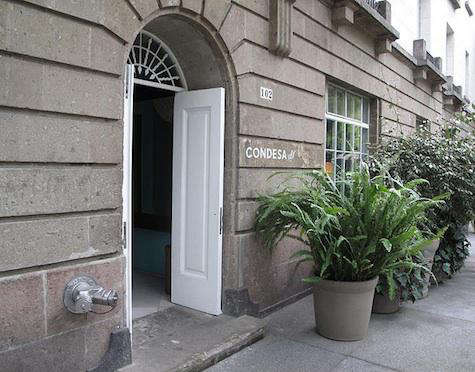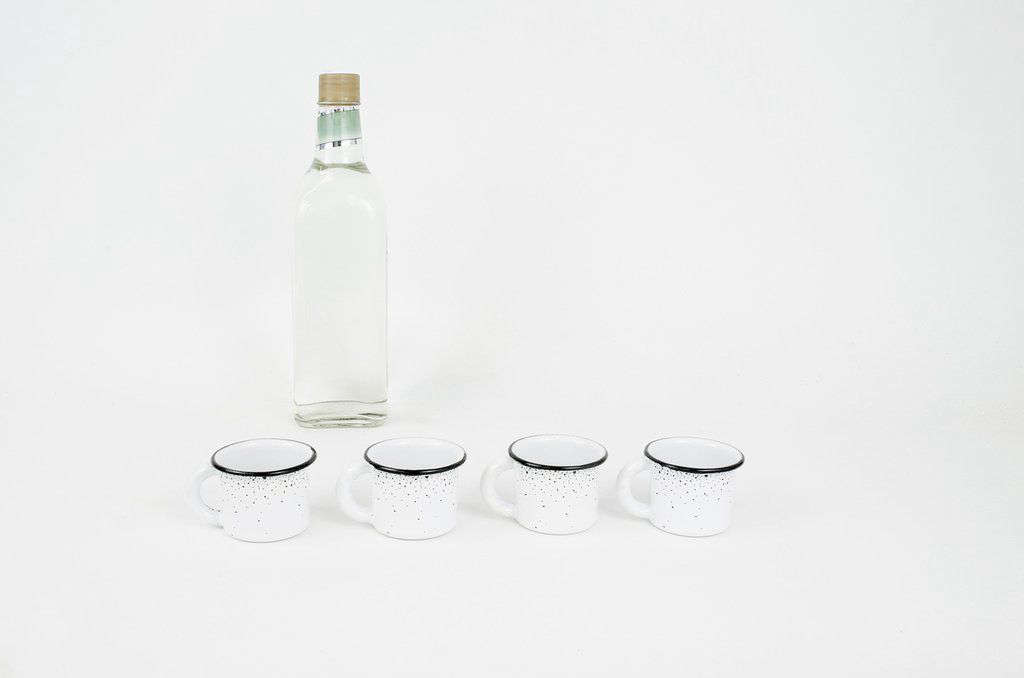
Peltre Gradient Tequila Cups prove that a drinking vessel does not need crystal stems, gold trim, or its own velvet-lined suitcase to make an impression. These compact enamel cups pair a familiar Mexican household material with a graphic black-and-white finish, turning an ordinary pour of tequila, mezcal, or espresso into a small design event.
Created for Diario, the Mexican design project founded by industrial designer Moisés Hernández, the cups reinterpret traditional peltre for a contemporary table. Their appeal comes from contrast: humble material, sophisticated pattern; lightweight construction, strong visual presence; shot-cup proportions, surprisingly broad usefulness. They are functional objects, but they are also conversation startersthe rare cups capable of making guests ask about the tableware before asking what is in the bottle.
What Are Peltre Gradient Tequila Cups?
Peltre Gradient Tequila Cups are small Mexican enamelware vessels distinguished by a white base, a black speckled or confetti-like gradient, and a solid dark rim. A 2017 Remodelista feature described the original Diario version as a set of four, then priced at $30. Because that information is historical, shoppers should not assume the same price, packaging, or availability applies today.
The decoration becomes denser as it approaches the rim, producing a visual transition rather than a conventional repeating pattern. From a distance, the cups look clean and monochromatic. Up close, the uneven dots give them movement and a handmade-looking character. It is a clever treatment because it updates the cup without disguising its traditional enamelware identity.
Peltre Does Not Mean Pewter Here
English-speaking shoppers may see the word peltre and assume the cups are made from pewter, the tin-based metal alloy traditionally associated with decorative plates and tankards. In the context of Mexican kitchenware, however, peltre commonly refers to enamelware: formed steel coated with a glass-like enamel surface. The steel provides structure, while the fired coating creates the glossy, easy-to-clean finish.
This distinction matters. These are not heavy pewter cups with a dull metallic surface. They belong to the same broad material family as enamel mugs, camp dishes, and classic coated-steel cookware. That helps explain their light weight, crisp color, smooth interior, and resistance to ordinary stains.
The Design Story Behind the Cups
Diario and the Reinvention of Everyday Mexican Objects
Hernández launched Diario in 2013 as a social, cultural, curatorial, and design project centered on objects used in everyday Mexican life. The project involved traveling, studying regional materials and production techniques, and redesigning familiar objects without stripping away their cultural context. Diario continued through 2021, according to the designer’s project archive.
That philosophy is visible in the Gradient Tequila Cups. The basic silhouette remains straightforward because it does not need rescuing by an overenthusiastic designer. Instead, the intervention happens on the surface. The gradient adds a contemporary graphic identity while preserving the recognizable proportions and practical character of a traditional tequilero.
Why the Gradient Works
Gradients are normally associated with screens, printed posters, and digital interfaces. Applying one to enamelware creates a playful collision between modern visual language and an old household material. The cups feel familiar and new at the same time.
The black rim performs several jobs. It visually completes the gradient, frames the opening, and hides the minor marks that naturally appear along the most frequently handled part of a cup. The irregular speckles also make small cosmetic variations less distracting. Instead of demanding factory-perfect sameness, the pattern gives every cup permission to have a little personality.
Why These Tequila Cups Stand Out
They Are Decorative Without Becoming Precious
Some designer drinkware looks wonderful until someone actually pours a drink into it. Peltre Gradient Tequila Cups avoid that trap. Their steel core and enamel coating give them the practical spirit of everyday tableware, while the monochrome finish allows them to sit comfortably beside modern ceramics, colorful Mexican textiles, rustic wood, or minimalist dinnerware.
The design is distinctive but not loud. It does not need a matching decanter, coordinated napkins, or a bartender wearing suspenders to make sense. Put the cups on a plain tray, add a bottle and a small dish of citrus, and the arrangement already looks intentional.
They Can Serve More Than Tequila
Designer Joel Escalona has described using the cups for Nespresso during the week and mezcal on Fridays. That anecdote neatly demonstrates their versatility. The cups can function as espresso vessels, small tasting cups, portion cups, or containers for sauces and garnishes when they are not holding agave spirits.
Other realistic uses include serving:
- Blanco, reposado, or añejo tequila
- Mezcal and other agave spirits
- Espresso or strong Mexican-style coffee
- Sangrita beside a neat tequila pour
- Small cocktail samples
- Salt, chile powder, citrus wedges, or dipping sauces
- Bite-size desserts and after-dinner treats
They are not meant to replace every type of drinkware in the cabinet. That would be a heroic assignment for a very small cup. Their strength is flexibility within the world of small pours and tabletop details.
How the Cup Changes the Tequila Experience
Glass shape can affect how aromas reach the nose. Professional and comparative spirit tastings often use tulip-shaped or stemmed glasses because a wider bowl and narrower opening can collect aromatic compounds. Tequila specialists similarly recommend flute, copita, wine-glass, or dedicated tasting shapes when the goal is detailed sensory analysis.
Peltre Gradient Tequila Cups provide a different experience. Their small, open form is better suited to casual sipping, celebratory pours, and relaxed meals than laboratory-level aroma evaluation. That is not a defect; it is a design choice. Not every drink needs to become an exam involving tasting grids, furrowed eyebrows, and someone announcing “wet stone” to a confused room.
Best Tequilas to Serve
A lively blanco works well when you want bright agave, citrus, pepper, or herbal notes. Reposado brings softer barrel flavors that are easy to enjoy slowly, while añejo and extra añejo expressions can turn the cup into an after-dinner vessel. For a serious side-by-side tasting, use dedicated clear tasting glasses first and bring out the enamel cups for the social round afterward.
Tequila is recognized in the United States as a distinctive product of Mexico, and its identity is tied to Mexican production standards. The category includes multiple aging styles, so the ideal serving approach depends on what is being poured rather than on a universal salt-and-lime ritual.
How to Style Peltre Gradient Tequila Cups
Create a Modern Mexican Table
Pair the cups with woven linens, red-clay plates, unfinished wood, and a few saturated accent colors. Cobalt blue, marigold yellow, agave green, and terracotta all work against the black-and-white enamel. Keep the arrangement selective. The cups already provide texture, so there is no need to decorate the table until it looks like a souvenir shop experienced a minor tornado.
Build a Simple Tequila Flight
Arrange three cups per guest and pour a small amount of blanco, reposado, and añejo. Place a printed tasting card nearby with spaces for aroma, flavor, texture, and finish. Because the cups are opaque, participants cannot focus much on color, which can turn the exercise into an informal blind tasting.
For more precise aroma comparison, conduct the analytical portion in clear tulip-shaped glasses. Then transfer the gathering to the enamel cups for food pairing and conversation. Good hosting does not require choosing between expertise and fun. It merely requires knowing when to stop taking notes.
Use Them for Coffee Service
The graphic pattern looks especially sharp beside a stainless-steel espresso maker or a matte-black coffee tray. Because steel-based enamelware can respond quickly to temperature, allow very hot coffee to settle briefly and handle the cup with care. Small enamel vessels can feel hotter at the exterior than thick ceramic demitasse cups.
Turn Them Into Giftable Objects
A set can be paired with a bottle of 100% agave tequila, a bag of locally roasted coffee, or a small cocktail book. Their compact dimensions make them suitable for apartment dwellers and hosts who already have enough oversized glassware to open a moderately successful restaurant.
Cleaning and Caring for Enamel Tequila Cups
Enamelware is relatively easy to maintain, but the glossy coating is not indestructible. Wash the cups with warm water, mild dish soap, and a soft sponge. Avoid steel wool, hard scouring pads, harsh abrasives, and forceful impacts. Even chip-resistant enamel can be damaged by drops or rough contact with metal objects.
Rinse thoroughly and dry the cups rather than leaving them wet in a crowded sink. Before using vintage or secondhand enamelware, inspect the drinking surface and rim carefully. A small mark on the exterior may be cosmetic, but damage along the interior or lip deserves more caution because those areas contact the beverage and the drinker.
Food-contact products should come from a seller or maker that identifies them as suitable for food and drink. U.S. regulators monitor concerns such as lead and cadmium migration from certain food-contact surfaces, while consumer-safety guidance advises caution with damaged, poorly glazed, chipped, or flaking products.
Practical Care Checklist
- Confirm that the cups are intended for food and beverage use.
- Check the rim and interior before serving drinks.
- Use soft cleaning tools rather than abrasive scrubbers.
- Do not knock the cups together when stacking or storing them.
- Verify dishwasher guidance with the current seller or manufacturer.
- Retire a cup from beverage service if the food-contact enamel becomes sharply chipped or begins flaking.
What to Consider Before Buying
Availability
The best-known product coverage dates from the original Diario era, and the designer’s archive lists that project as running from 2013 through 2021. Consequently, new old stock, vintage listings, resale pieces, and later reinterpretations may appear under similar descriptions. Do not assume every “gradient peltre cup” is an original Diario product.
Condition
When buying secondhand, request clear photographs of the interiors, rims, bases, and areas where the handles would normally bealthough these particular cup forms are generally handle-free. Look for deep scratches, exposed steel, corrosion, sharp chips, or repairs that have not been documented as food-safe.
Intended Use
Choose them when you value portability, cultural design, visual impact, and multipurpose service. Choose clear tulip glasses instead when your main objective is evaluating aroma, color, and finish with maximum precision. Many households can justify both because apparently adulthood means owning several differently shaped objects that all perform the daring task of holding liquid.
Experience: What Living With Peltre Gradient Tequila Cups Feels Like
Picture placing the cups on the table for the first time. Before anything is poured, they already create a focal point. The gradient appears almost smoky from across the room, while the dark rim gives each cup a clean outline. Guests usually reach for them because the proportions are inviting and the enamel feels less formal than crystal. There is no anxiety about gripping a delicate stem or accidentally performing an expensive physics demonstration on the floor.
For the first pour, imagine a bright blanco tequila served neat. The white interior does not offer the same transparent view as clear glass, so attention shifts away from color and toward scent, flavor, temperature, and texture. The open mouth releases aroma quickly rather than concentrating it intensely. This makes the experience relaxed and immediate. The cup encourages a sip, a pause, and a conversation instead of a technical inspection.
The tactile experience is one of the strongest differences. Enamel feels smooth and cool before the pour. Once filled, it responds quickly to the temperature of the drink. A room-temperature tequila leaves the cup comfortable to hold, while chilled spirits make the metal feel noticeably cooler. With espresso, the opposite occurs: warmth reaches the exterior quickly, encouraging a careful grip and a slower first sip.
During a casual dinner, the cups work particularly well between courses. A small reposado pour can accompany roasted vegetables, grilled meat, citrusy seafood, or a chocolate dessert without turning the table into a formal tasting room. The black-and-white pattern photographs well under ordinary lighting, especially on wood, linen, or colorful glazed plates. They make even a modest home meal look considered rather than staged.
The next morning, the same vessels can return as espresso cups. This is where their practical personality becomes apparent. They are not trapped in the “special occasion” cabinet, waiting for an annual tequila ceremony. A quick rinse, a shot of coffee, and the cups become part of breakfast. That versatility helps justify keeping specialized-looking tableware in a small kitchen.
Storage is generally simple because the cups occupy less room than tall tequila flutes or stemmed tasting glasses. Still, stacking should be gentle. A soft liner between pieces can help prevent the rims from knocking together. Enamelware is sturdy in normal use, but “sturdy” should not be interpreted as permission to toss it into a drawer alongside a cocktail shaker, three corkscrews, and the mysterious metal tool nobody remembers purchasing.
Over time, the most satisfying part of the experience is how easily the cups move between settings. They can look rustic at an outdoor gathering, graphic and contemporary on a minimalist bar cart, or nostalgic beside traditional Mexican serving pieces. They do not demand a single decorating style or a particular bottle.
The main limitation appears when conducting a serious tasting. The opaque body conceals the spirit’s color, while the open form does not focus aromas as efficiently as a tulip glass. Yet those limitations can become advantages during a blind comparison or a social pour. Without visual clues and elaborate glassware, guests may approach the drink with fewer expectations.
Ultimately, the experience is less about drinking tequila from the technically perfect vessel and more about enjoying a well-designed object that makes an ordinary ritual memorable. The cup does not need to improve every molecule in the tequila. Sometimes it is enough for it to improve the mood around the table.
Conclusion
Peltre Gradient Tequila Cups sit at the intersection of Mexican material culture, practical enamelware, and contemporary industrial design. Their white surface, black speckled transition, and dark rim update a familiar household object without turning it into an untouchable museum piece.
They are best suited to relaxed tequila or mezcal service, espresso, small tastings, garnishes, and creative tabletop arrangements. Dedicated tulip glasses remain better for detailed aroma analysis, but the Diario cups offer something laboratory glassware cannot: an immediate sense of character.
Buy carefully, verify food-contact suitability, inspect secondhand pieces for damage, and protect the enamel from hard impacts and abrasive cleaning. Treated well, these small cups can make weeknight coffee, celebratory pours, and dinner with friends feel more intentionalwithout requiring anyone to polish crystal for two hours.