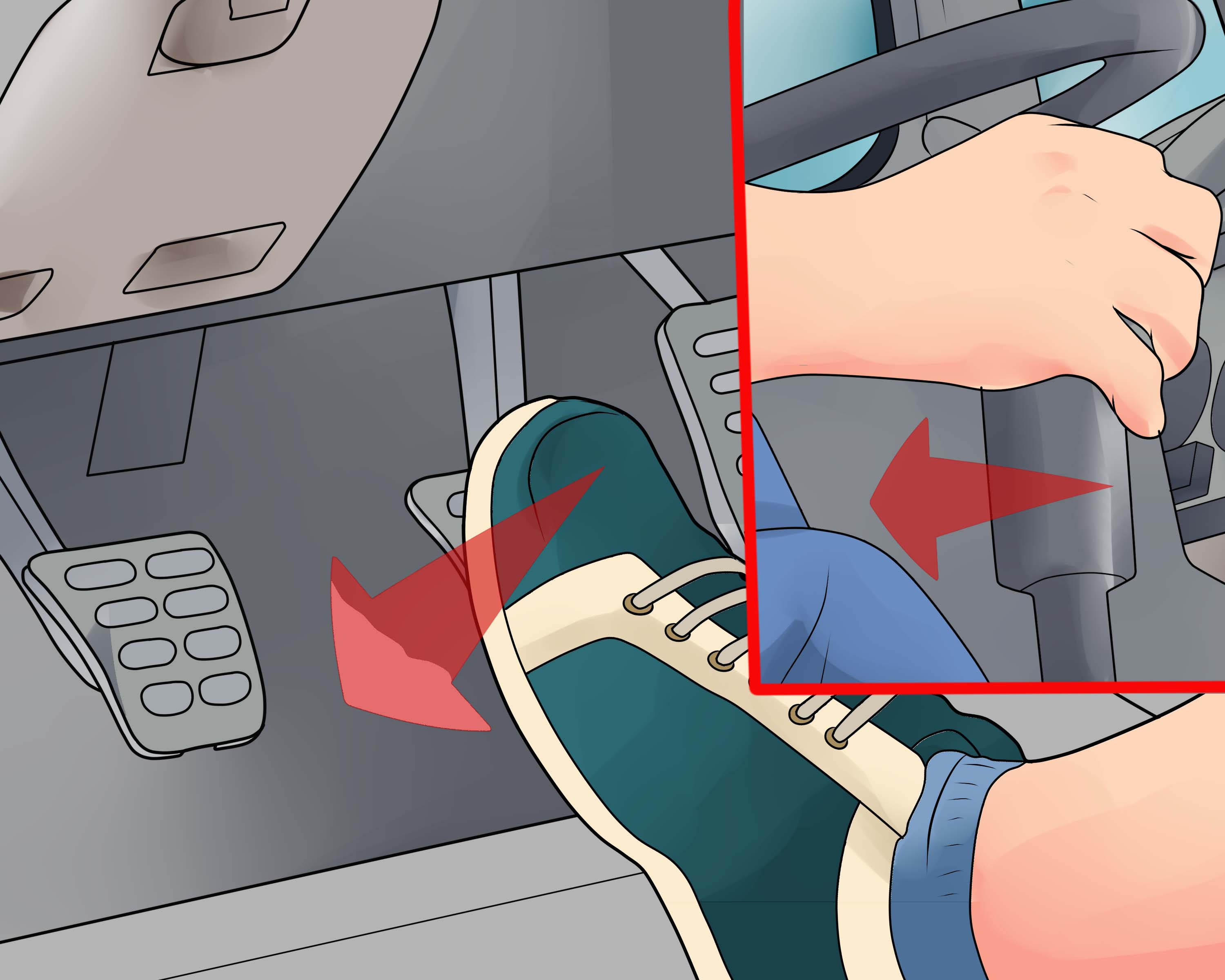
Learning how to shift a semi truck is a little like learning to dance with a refrigerator on wheels: everything is heavier, slower, louder, and far less forgiving than a regular pickup. A manual semi truck transmission does not reward panic. It rewards rhythm, timing, patience, and a surprisingly gentle touch. Grip the shifter like you are mad at it, and the truck will answer with grinding noises that sound like a toolbox falling down stairs.
This guide explains how to shift a semi truck in 12 practical steps, focusing on manual transmissions, double clutching, RPM control, upshifting, downshifting, range selection, and common beginner mistakes. It is written for educational purposes and should supportnot replaceprofessional CDL training. Semi trucks are commercial motor vehicles, and operating one safely requires proper licensing, supervised practice, and a deep respect for weight, momentum, road conditions, and traffic.
The good news? Shifting a semi truck is not magic. It is a learnable skill. Once you understand what the clutch, engine speed, road speed, and transmission are trying to do, the process becomes less mysterious. The truck is not being difficult; it is simply asking you to match moving parts that are the size of small gym equipment. Fair request, honestly.
What Makes Shifting a Semi Truck Different?
Most passenger cars with manual transmissions use synchronized gearboxes. These synchronizers help match gear speeds, making shifting easier and smoother. Many traditional semi truck manual transmissions, however, are non-synchronized or require more driver involvement. That means the driver must help match engine RPM to road speed before the next gear will slide in cleanly.
This is why double clutching is commonly taught in CDL training. Instead of pressing the clutch once and moving directly into the next gear, the driver presses the clutch to come out of gear, releases it in neutral to let engine and transmission speeds align, then presses it again to enter the next gear. It sounds fussy at first, but it gives new drivers a controlled way to shift smoothly and safely.
Modern fleets increasingly use automated manual transmissions, but knowing how manual shifting works remains valuable. Even if your future truck shifts itself, understanding RPM, grade control, momentum, and gear selection makes you a smarter driver.
Before You Shift: Know the Basic Controls
The Clutch Pedal
The clutch disconnects the engine from the transmission. In many semi trucks, you do not press the clutch all the way to the floor while rolling. Pressing it too far may engage the clutch brake, which is designed to help stop transmission gears when the truck is stationary. Use full clutch travel when stopped and starting from a standstill; use partial clutch movement for normal shifting if that is how your training vehicle is designed.
The Gear Shift Lever
A semi truck shifter often has more positions and controls than a car. A 10-speed transmission, for example, may feel like two 5-speed patterns stacked on top of each other. Lower gears are used to start and build speed; higher gears are used for cruising. Some trucks also use range selectors and splitter controls.
The Tachometer
The tachometer shows engine RPM. New drivers should watch it closely until shifting becomes natural. Many training examples teach upshifting around a target RPM range and downshifting when RPM falls or road speed changes. Exact shift points vary by truck, engine, load, grade, and transmission, so always follow your instructor and vehicle guidance.
The Sound of the Engine
Eventually, you will learn to hear when the engine wants the next gear. At first, the tachometer is your best friend. Later, the truck will start “talking” to you. Do not worry; this is normal. Truck drivers have been listening to engines longer than some people have been listening to podcasts.
How to Shift a Semi Truck: 12 Steps
Step 1: Start With Proper Training and a Safe Practice Area
Before practicing shifting, make sure you are in a legal, supervised training setting. A semi truck is not the place for “I saw it online, so let’s try it behind the grocery store.” Use a closed course, training yard, or approved road route with a qualified instructor. Adjust your seat, mirrors, and steering position before moving.
Confirm that air pressure is built up, the parking brake system is working, and you understand the shift pattern posted in the cab. Different trucks may have different layouts. Guessing the pattern while moving is a fantastic way to discover new noises and old regrets.
Step 2: Understand the Shift Pattern
Study the shift diagram before you roll. A 10-speed pattern commonly uses lower range for the first set of gears and higher range for the upper set. The range selector is usually changed before the shift that moves from low range to high range, but the actual range shift happens as the lever passes through neutral.
Never assume every semi truck shifts exactly the same. Some have 8-speed, 9-speed, 10-speed, 13-speed, 15-speed, or 18-speed transmissions. Others are automated. The pattern matters because the wrong gear at the wrong speed can cause grinding, loss of momentum, or an unsafe engine speed.
Step 3: Choose the Correct Starting Gear
Select a starting gear that matches the load, terrain, and truck. Starting empty on level ground is different from starting heavy on an incline. Too high a gear can lug the engine and stress the clutch. Too low a gear may be unnecessary and jerky.
With the service brake applied and the clutch fully depressed, move the shifter into the proper starting gear. Release the parking brakes when safe, check traffic and surroundings, then slowly release the clutch while applying light throttle. Smoothness matters more than drama. You are moving a commercial vehicle, not launching a rocket.
Step 4: Get the Truck Rolling Smoothly
Ease off the clutch gradually until the truck begins to pull. Add light throttle as needed. Avoid slipping the clutch excessively, because heat and wear build quickly. Once the vehicle is moving and the clutch is fully released, let the truck gain enough speed for the next gear.
Do not rush the first few seconds. A semi truck builds speed slowly, especially when loaded. Momentum is precious. Treat it like the last slice of pizza: protect it.
Step 5: Prepare to Upshift
As engine RPM rises into the appropriate shift range, prepare for an upshift. Keep your right hand relaxed on or near the shifter, but do not lean on it. Use a light grip. A manual semi transmission responds better to timing than force.
The basic idea is simple: release the accelerator, press the clutch enough to disengage, move the shifter to neutral, release the clutch, let RPM drop to match the next gear, press the clutch again, move into the higher gear, then release the clutch and return to the accelerator.
Step 6: Double Clutch Into Neutral
To begin the upshift, release the accelerator. At nearly the same time, press the clutch and move the shifter out of gear into neutral. Then release the clutch while the shifter is in neutral. This moment in neutral is where engine speed and transmission speed begin to line up for the next gear.
The clutch movement should be controlled, not stomped. Many training trucks require only a partial clutch press during rolling shifts. Pressing too deep may make the shift clumsy or engage the clutch brake. Follow your instructor’s directions for your specific vehicle.
Step 7: Let RPM Drop for the Higher Gear
For an upshift, engine RPM must fall before the next higher gear will accept the shift smoothly. This takes practice. If you try to shift too early, the gears may resist. If you wait too long, RPM may drop too far, and the truck may lose momentum.
Think of it like catching an elevator door at exactly the right moment. Too soon, it is not open. Too late, you are standing there with your coffee looking foolish. In a semi truck, the “coffee” is 80,000 pounds of responsibility.
Step 8: Clutch Again and Move Into the Next Gear
Once RPM and road speed are matched, press the clutch again and move the shift lever into the next higher gear. Do not force it. A good shift often feels like the lever almost wants to fall into place. If it grinds, do not muscle it harder. Return to neutral, reset your timing, and try again.
After the gear engages, release the clutch smoothly and apply throttle. Done correctly, the shift should feel clean, controlled, and boring. In trucking, boring is beautiful.
Step 9: Use the Range Selector Correctly
When moving from lower gears to higher gears in a range-shift transmission, preselect the range change before the shift where it is needed. For example, in many 10-speed trucks, the driver shifts through the lower range first, then preselects high range before moving through neutral into the next gear.
Do not move range or splitter controls randomly, especially while the shifter is in neutral and the truck is moving. Follow the transmission instructions for your specific model. A range shift is not a toy switch, even if it is oddly satisfying to flick.
Step 10: Learn to Downshift Before You Need Power
Downshifting is not just for slowing down. It is also how you prepare for hills, turns, traffic, and situations where the engine needs to pull again. The key is to downshift early enough that you still have control and momentum.
For a downshift, release the accelerator, clutch to neutral, release the clutch, raise engine RPM to match the lower gear, clutch again, shift into the lower gear, then release the clutch smoothly. Unlike an upshift, where RPM drops, a downshift usually requires adding RPM before the lower gear will engage cleanly.
Step 11: Control Speed Before Hills and Curves
One of the most important semi truck shifting rules is simple: select the correct gear before descending a hill or entering a curve. Do not wait until gravity, traffic, and your heartbeat are all racing each other. Slow down first, choose the proper gear, and maintain control.
On downhill grades, the correct gear helps engine braking work effectively and reduces overuse of service brakes. On curves, the correct gear helps the truck remain stable and ready to accelerate gently when appropriate. Shifting in the middle of a curve or while descending too fast can reduce control.
Step 12: Recover Calmly From a Missed Gear
Every new driver misses gears. The truck does not care about your feelings, but your instructor has seen worse. If you miss a gear, stay calm. Keep steering, maintain awareness, and avoid staring at the shifter like it betrayed your family.
Return to neutral, check road speed and RPM, then select the gear that matches your current speed. Sometimes that means skipping back to a lower gear rather than trying to force the gear you originally wanted. Smooth recovery is more important than pride.
Common Mistakes When Shifting a Semi Truck
Using Too Much Force
A semi truck shifter does not need a wrestling match. Grinding usually means the timing is wrong, not that the lever needs more muscle. A relaxed hand helps you feel the gate and the gear opening.
Watching the Shifter Too Much
New drivers often look down while shifting. This is dangerous because your eyes belong on the road, mirrors, traffic, and surroundings. Learn the pattern by feel in a stationary truck before practicing on the move.
Shifting Too Slowly
If you take too long between gears, RPM may fall out of the ideal range. The truck may lose speed, especially on hills. Practice helps you develop a quick, smooth rhythm.
Shifting Too Fast
Rushing is just as bad. If the RPM has not matched the next gear yet, the transmission will resist. Smooth shifting lives in the middle: not lazy, not frantic.
Riding the Clutch
Resting your foot on the clutch or using it to control speed can cause unnecessary wear. Use the clutch for shifting and starting. Use proper braking, gear selection, and throttle control for speed management.
Double Clutching vs. Floating Gears
Experienced truck drivers often talk about floating gears, which means shifting without using the clutch once the truck is moving. The driver carefully matches RPM and road speed so the transmission slips into gear without clutch input. Done correctly by an experienced driver, it can be smooth. Done badly, it can grind gears and damage equipment.
For CDL training and new drivers, double clutching is the better foundation. It teaches timing, gear awareness, and control. Even if you later learn other techniques in a professional setting, double clutching helps build the mechanical sympathy every driver needs.
In simple terms: learn the official, controlled method first. Do not try to be the cool driver before you can be the safe driver. Cool does not pay for transmission repairs.
How RPM, Road Speed, and Gear Choice Work Together
Every gear has a comfortable road-speed range. If the truck is going too fast for a low gear, the engine may over-rev. If the truck is going too slow for a high gear, the engine may lug. Lugging means the engine is struggling at low RPM under load, which can reduce performance and increase stress.
Good shifting means keeping the engine in a useful operating range. That range depends on the engine, transmission, rear axle ratio, load weight, and terrain. A lightly loaded truck on flat ground shifts differently than a fully loaded truck climbing a grade.
As you gain experience, you will use the tachometer, speedometer, engine sound, and road feel together. At first, it may feel like juggling. Later, it becomes one smooth habit.
Practical Example: Upshifting on Level Ground
Imagine you are driving a training truck on a flat road in lower range. You start in the correct gear and accelerate gently. As RPM rises, you prepare to shift. You release the accelerator, clutch to neutral, release the clutch, wait for RPM to fall, clutch again, slide into the next gear, release the clutch, and return to the throttle.
The truck continues building speed. You repeat the process through the lower gears. Before the range change, you preselect high range as instructed. When you move through neutral during the shift, the transmission changes range, and you continue into the next gear. If the truck feels smooth and steady, you are on the right track.
Practical Example: Downshifting Before a Hill
Now imagine you are approaching an uphill grade. The truck begins to lose speed, and RPM drops. Waiting too long can make the truck struggle. Instead, you downshift early. You release the accelerator, clutch to neutral, release the clutch, raise RPM, clutch again, shift into the lower gear, release the clutch, and apply throttle.
The engine returns to a stronger RPM range, and the truck keeps pulling. This is the heart of good truck driving: staying ahead of the vehicle rather than reacting late.
Safety Tips for New Semi Truck Drivers
Always keep both hands available for steering except when shifting. Check mirrors often, especially before changing speed or position. Signal early. Leave more following distance than you think you need. A semi truck’s weight changes everything: stopping distance, acceleration, turning space, and the cost of bad decisions.
Never coast downhill in neutral. Never downshift at a road speed that is too high for the gear. Never let embarrassment make you force a shift. If something feels wrong, slow down safely, communicate your intentions, and regain control.
Most importantly, train with qualified instructors. Reading about shifting is helpful, but the real skill comes from seat time, feedback, and repetition. A good instructor can hear a missed shift coming before you even know you are in trouble. That is not witchcraft; that is experience.
of Real-World Shifting Experience and Driver Wisdom
The first big lesson about learning how to shift a semi truck is that smoothness beats speed. Beginners often think the goal is to shift as quickly as possible, but professional drivers know better. The goal is to shift at the right time. A fast, ugly shift is not impressive. A calm, clean shift that keeps the truck balanced is what earns respect.
One useful experience-based tip is to loosen your grip on the shifter. Many students grab it like they are trying to pull a sword from a stone. That tension makes it harder to feel the gear. A light hand allows the shifter to guide you. When RPM and road speed match, the lever usually moves with less effort. If you are forcing it, the truck is probably telling you, “Not yet, friend.”
Another common experience is the panic of missing a gear in traffic. It happens. The worst response is freezing. The better response is to keep your eyes up, steer the truck, check your speed, and calmly choose the gear that fits your current road speed. Your original plan may no longer matter. The truck has slowed down, so choose the gear for the speed you have now, not the speed you had five seconds ago.
Downshifting teaches humility faster than almost anything else. On level ground, you may get away with late shifts. On hills, late downshifting can punish you immediately. Experienced drivers learn to downshift before the truck starts begging. If you wait until RPM drops too far, you may lose momentum and create a harder recovery. The best drivers think ahead: hill coming, traffic slowing, curve ahead, ramp approaching. They shift before the situation becomes urgent.
Weather also changes shifting strategy. Rain, snow, ice, and loose surfaces require gentler throttle, smoother clutch work, and careful gear choice. A sudden downshift or rough clutch release can upset traction. In slippery conditions, smooth inputs are not just comfortable; they are safety tools. The truck should feel settled, not surprised.
Load weight matters too. An empty tractor-trailer may accelerate quickly and tolerate wider timing errors. A loaded truck responds more slowly and needs more planning. Heavy loads magnify mistakes. They also teach patience. You cannot bully a loaded semi into behaving. You guide it.
Finally, remember that shifting is only one part of driving a truck. A driver who shifts beautifully but ignores mirrors, following distance, signs, and road conditions is not a good driver. Gear changes should support safe vehicle control. The best shifts are the ones passengers barely notice, freight never complains about, and mechanics do not have to repair later.
Conclusion
Learning how to shift a semi truck takes practice, timing, and respect for the machine. The 12 steps are straightforward: train safely, know the pattern, choose the right starting gear, move off smoothly, prepare to upshift, double clutch into neutral, match RPM, enter the next gear, use the range selector correctly, downshift early, control speed before hills and curves, and recover calmly from missed gears.
Manual truck shifting is not about brute strength. It is about rhythm. Listen to the engine, watch the tachometer, feel the shifter, and stay ahead of the road. With proper CDL instruction and enough supervised practice, what once felt like a mechanical puzzle becomes second nature. And when you finally make a perfect shift under load on a hill, yes, you are allowed to smile. Quietly. Professionally. Like a trucker.
Note: This article is for educational content only. Semi truck operation requires proper licensing, professional instruction, vehicle-specific training, and compliance with federal and state commercial driving rules. Do not use this guide as a substitute for CDL training or supervised practice.