Note: This article is written for web publication and focuses on realistic, low-renovation storage solutions that work for apartments, family homes, rentals, small spaces, and anyone currently losing a wrestling match with clutter.
Storage is one of those home topics that sounds boring until you cannot find the scissors, the batteries, the winter gloves, or the one pan lid that definitely existed yesterday. A well-organized home does more than look tidy; it saves time, protects your belongings, reduces stress, and keeps your rooms from slowly turning into storage units with throw pillows.
The best clever storage ideas are not about buying dozens of matching bins and hoping your life becomes a catalog spread by Tuesday. Real storage success comes from using overlooked space, choosing furniture that works harder, grouping items by habit, and making everyday objects easy to put away. In other words, the system must be simple enough to survive real life: busy mornings, grocery hauls, kids, pets, hobbies, laundry, and that mysterious drawer full of cables from 2009.
Below are 25 clever storage ideas for every room, from tiny bathrooms and narrow entryways to kitchens, bedrooms, closets, garages, and living rooms. Some are budget-friendly DIY fixes, some involve smart furniture, and some simply require looking at your home with fresh eyes. No magic wand requiredalthough if you find one, store it vertically.
Why Clever Storage Ideas Work
Good storage solves three problems at once: it gives every item a home, keeps frequently used things within reach, and makes unused space useful. Vertical walls, cabinet doors, under-bed areas, corners, shelf gaps, and awkward nooks are often wasted because they do not look like “real” storage. With the right approach, those forgotten zones can become the most efficient parts of your home.
Before adding organizers, take inventory. What do you actually own? What do you use every day? What belongs in deep storage, and what should leave the house entirely? Storage should support your habits, not create a second job. If a system requires perfect folding, weekly label maintenance, or a personality transplant, it is probably not the right system.
25 Clever Storage Ideas for Every Room
1. Use Vertical Wall Space
When floor space is limited, walls become your best unpaid assistant. Install floating shelves, peg rails, wall-mounted baskets, or slim book ledges to hold books, plants, toiletries, spices, tools, or everyday accessories. Vertical storage keeps items visible without swallowing precious square footage.
2. Add Storage Behind Doors
The back of a door is prime real estate. Over-the-door racks can hold shoes, cleaning supplies, pantry goods, hair tools, gift wrap, or kids’ accessories. Cabinet doors can also handle hooks, small bins, lid holders, and adhesive caddies. It is storage hiding in plain sight, like a ninja with bath towels.
3. Choose Furniture With Hidden Compartments
Storage ottomans, lift-top coffee tables, benches with lids, and beds with drawers are ideal for small homes. They reduce visual clutter while keeping blankets, remotes, board games, seasonal clothes, or extra pillows nearby. The trick is choosing pieces you would still like even if they did not secretly eat clutter for breakfast.
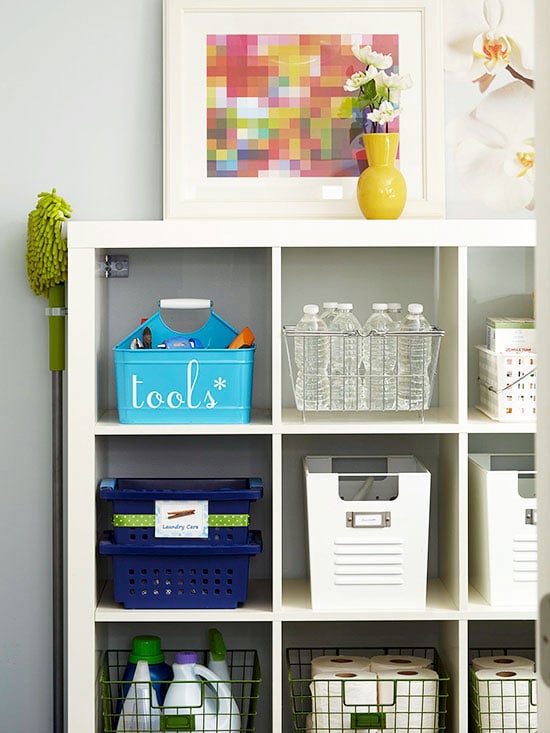
4. Slide Bins Under the Bed
Under-bed storage is perfect for out-of-season clothing, extra linens, shoes, holiday items, and keepsakes. Use low-profile containers with lids or drawers on casters for easy access. Label the short side so you do not have to pull out four bins just to find the flannel sheets.
5. Install a Pegboard
Pegboards are not just for garages. They work beautifully in craft rooms, kitchens, laundry rooms, kids’ spaces, and home offices. Hooks, baskets, shelves, and clips can be rearranged as your needs change. A pegboard is basically a wall that learned how to multitask.
6. Use Drawer Dividers Everywhere
Drawer dividers are small but mighty. Use them for utensils, socks, makeup, office supplies, batteries, charging cables, and junk drawers that are trying very hard to become junk continents. Dividers create boundaries, which is helpful because paper clips cannot be trusted to behave on their own.
7. Store Items Where You Use Them
Storage works best when it follows your daily routine. Keep coffee filters near the coffee maker, dog leashes near the door, cleaning supplies near the room they serve, and homework tools near the study area. Convenience is what turns organization from a weekend project into a lasting habit.
8. Create a Drop Zone Near the Entry
An entryway drop zone prevents keys, sunglasses, bags, mail, and shoes from scattering across the house. Add hooks, a narrow console, labeled baskets, a tray, and a shoe rack. Even a small wall can become a command center that says, “Welcome home, please do not dump everything on the sofa.”
9. Use Clear Bins for Pantry Storage
Clear containers make it easier to see what you have before buying your fifth bag of rice. Use them for snacks, baking supplies, pasta, cereal, and packets. Group similar items together and label each container. The pantry should feel like a helpful assistant, not a suspense novel.
10. Add Shelf Risers in Cabinets
Shelf risers double usable cabinet space by creating another level for mugs, plates, bowls, spices, pantry goods, or bathroom products. They are especially useful in tall cabinets where the upper air is doing absolutely nothing except judging your stacking skills.
11. Try Lazy Susans in Awkward Corners
Turntables are excellent for deep cabinets, refrigerators, spice shelves, bathroom vanities, and laundry supplies. Instead of knocking over six bottles to reach the soy sauce, you simply spin. Lazy Susans are proof that sometimes the laziest solution is also the smartest.
12. Hang Pots and Pans
If your kitchen cabinets are crowded, consider a wall rack, ceiling rack, or rail system for cookware. Hanging pans saves cabinet space and makes cooking tools easier to grab. Keep the most attractive and frequently used pieces visible, and let the scratched mystery pan retire somewhere less glamorous.
13. Use Tension Rods Creatively
Tension rods can divide cutting boards, hold spray bottles under the sink, create scarf storage, support small curtains, or separate baking sheets. They are inexpensive, removable, and rental-friendly. Think of them as tiny architecture for people who are not emotionally prepared to install custom cabinets.
14. Add Baskets to Open Shelves
Open shelves can look stylishor chaotic enough to scare guests. Baskets create visual calm while holding toys, toiletries, linens, craft supplies, pet items, or tech accessories. Choose baskets that fit the shelf depth and label them discreetly so beauty and function remain on speaking terms.
15. Use Hooks in Unexpected Places
Hooks can store mugs under cabinets, bags inside closets, towels behind doors, hats on walls, and headphones beside desks. Adhesive hooks are useful for renters, while screw-in hooks work well for heavier items. When in doubt, ask, “Could this hang?” The answer is often yes.
16. Make the Most of Closet Floors
Closet floors often become a pile zone. Add stackable shoe shelves, low drawers, bins, or a small dresser to turn that space into organized storage. Keep everyday shoes accessible and store special-occasion pairs higher up or in clear boxes. Your sneakers deserve dignity too.
17. Switch to Slim Hangers
Bulky hangers waste valuable closet width. Slim hangers create a more uniform look and can free up space, especially in small closets. Keep only what you wear regularly in prime closet space, and rotate seasonal items into under-bed bins or high shelves.
18. Label Bins After You Test the System
Labels are helpful, but label too early and you may end up with a bin called “miscellaneous,” which is just clutter wearing a name tag. Test your categories first. Once the system works, add clear labels so everyone in the house knows where things belong.
19. Use Storage Benches in Transitional Spaces
Storage benches are excellent for entryways, bedrooms, mudrooms, and playrooms. They provide seating and hide shoes, bags, sports gear, blankets, or toys. A bench near the door also gives people a place to put on shoes without performing a one-legged hallway ballet.
20. Turn Awkward Corners Into Useful Zones
Empty corners can become reading nooks, open closets, mini offices, plant stands, or vertical storage towers. Add a corner shelf, small desk, garment rack, or basket stack. Awkward corners are not design failures; they are storage opportunities wearing weird angles.
21. Use Rolling Carts
Rolling carts are flexible storage heroes. Use them for art supplies, cleaning tools, bathroom products, pantry overflow, coffee stations, baby items, or office supplies. Because they move, they are perfect for multipurpose rooms. Just do not let the cart become a portable junk drawer with wheels.
22. Add Under-Sink Organizers
Under-sink cabinets are tricky because pipes interrupt the space. Use tiered shelves, pullout drawers, caddies, or stackable bins to organize cleaning supplies and toiletries. Keep leak-prone products in washable containers and store the items you use most often at the front.
23. Store Linens as Sets
Keep sheet sets together by folding the fitted sheet, flat sheet, and one pillowcase inside the second pillowcase. This prevents the classic linen closet mystery: three pillowcases, zero matching sheets, and one towel that may be older than the house.
24. Use Garage Walls and Ceilings
Garages often have more vertical space than storage strategy. Wall-mounted tracks, hooks, shelves, ceiling racks, and clear bins can organize tools, sports gear, holiday decorations, and outdoor supplies. Keep heavy items lower and rarely used seasonal items higher for safety and convenience.
25. Keep a Donation Bin Ready
The cleverest storage idea is owning fewer things that need storing. Keep a donation bin in a closet, laundry room, or garage. When something no longer fits, works, or serves your life, place it there immediately. Decluttering becomes easier when the exit door is always open.
Room-by-Room Storage Strategy
Kitchen
Focus on visibility and reach. Use clear pantry bins, shelf risers, drawer dividers, vertical pan racks, and turntables. Store daily cookware near the stove and backup gadgets farther away. If you use the waffle maker once a year, it does not deserve the VIP cabinet.
Bathroom
Bathrooms need moisture-friendly storage. Use washable bins, wall shelves, over-the-toilet units, drawer trays, and under-sink organizers. Keep daily products visible and extras grouped by category. Avoid overcrowding the medicine cabinet with expired products that have been quietly aging like tiny pharmacists.
Bedroom
Use the space under the bed, behind the door, inside nightstands, and above dressers. Consider a storage bench, floating shelves, or a headboard with built-in cubbies. Bedrooms should feel restful, so hidden storage usually works better than open piles of “I’ll fold that later.”
Living Room
Living rooms benefit from closed storage because they collect shared items: remotes, blankets, games, chargers, books, and toys. Use baskets, cabinets, ottomans, side tables with drawers, and media consoles. Give every category a home so cleanup takes minutes, not a full emotional journey.
Closets
Closets work best when organized by category and frequency of use. Everyday items should be easy to reach. Seasonal, sentimental, or occasional items can go higher, lower, or farther back. Add shelves, rods, bins, and labels based on what you actually own, not what looks good online.
Common Storage Mistakes to Avoid
The first mistake is buying organizers before decluttering. Containers do not reduce clutter; they only make clutter easier to stack. Sort first, then measure, then buy. The second mistake is creating systems that are too fussy. If putting something away takes five steps, most people will choose step zero: leaving it on the nearest chair.
The third mistake is ignoring maintenance. Even the smartest storage system needs occasional editing. Schedule short resets for drawers, closets, and cabinets every few months. A 20-minute tidy-up can prevent a full weekend rescue mission later.
Real-Life Experience: What Actually Makes Storage Ideas Stick
After trying many storage ideas in real homes, one lesson becomes obvious: the best system is not always the prettiest one. It is the one people actually use. A perfect row of matching boxes may look impressive, but if nobody wants to open the lid, move two bins, and refold a sweater with architectural precision, that system is doomed. Real storage has to be convenient, forgiving, and easy to reset.
One of the most effective experiences comes from starting with a single pain point. For example, if mornings are stressful because shoes, bags, and keys are everywhere, do not reorganize the whole house first. Fix the entryway. Add hooks at a comfortable height, a tray for keys, a basket for each family member, and a shoe rack that fits the actual number of shoes used daily. Suddenly, leaving the house feels less like a scavenger hunt hosted by a raccoon.
Another practical lesson is that visibility matters. In kitchens and bathrooms, clear bins and open-front containers often work better than deep opaque boxes. When people can see what they have, they use it. When they cannot see it, they buy duplicates. This is how one household ends up with seven bottles of glass cleaner and no clean glasses. Grouping similar items together also makes restocking easier because you can quickly spot what is running low.
In bedrooms and closets, the biggest improvement usually comes from separating active storage from deep storage. Active storage is for what you wear and use now. Deep storage is for seasonal clothes, spare bedding, sentimental items, and occasional pieces. Mixing both categories creates frustration because the everyday items get buried under things you only need twice a year. Under-bed bins, high shelves, and labeled boxes are perfect for deep storage, while prime closet space should stay focused on daily life.
Storage also works better when it has a little breathing room. A drawer packed to the top may technically “hold more,” but it does not function well. Leave space to move items, add new things, and put objects away without a battle. The same rule applies to shelves, baskets, pantries, and closets. If everything fits only when arranged perfectly, the system is too tight.
Finally, successful storage depends on regular exits. Every home needs a donation bin, a recycling spot, and a place for returns. Without an exit plan, clutter keeps circulating from drawer to closet to garage like it is training for a marathon. The goal is not to own nothing. The goal is to own what supports your life and store it in a way that makes your home easier to live in.
Conclusion
Clever storage ideas do not require a mansion, a custom renovation, or a suspiciously calm lifestyle. They require smart use of space, honest editing, and systems that match how you really live. Start with one room, one drawer, or one daily frustration. Add vertical storage, hidden compartments, labels, hooks, baskets, and furniture that works harder. Then maintain the system with small resets before clutter stages a dramatic comeback.
A more organized home is not about perfection. It is about making life smoother. When your belongings have logical homes, your rooms feel larger, your routines become easier, and you spend less time searching for things you know you own. That is the real magic of clever storage: it gives your space back to you.