Pregnancy has a magical way of turning ordinary food decisions into tiny committee meetings. Suddenly, a bowl of berries is not just a snack; it is fiber, vitamin C, hydration, antioxidants, blood-sugar strategy, and possibly the only thing that sounds good at 7:14 a.m. when everything else smells suspicious. The good news? Fruit can be one of the easiest, tastiest, and most pregnancy-friendly foods to keep in your daily routine.
The best fruits to eat during pregnancy are colorful, nutrient-dense, easy to digest, and safely prepared. Think oranges, berries, bananas, apples, avocados, mangoes, pears, prunes, kiwi, watermelon, and pasteurized fruit products. These fruits can support hydration, digestion, immune function, iron absorption, and steady energy. But pregnancy also comes with food-safety rules. Some fruit-related choices, such as unwashed produce, unpasteurized juice, pre-cut fruit that has been sitting too long, or moldy and bruised fruit, are better left off the plate.
This guide breaks down the best pregnancy fruits, what nutrients they bring to the table, how much fruit is reasonable, what to avoid, and practical ways to make fruit work even when nausea, heartburn, constipation, or cravings decide to run the show.
Why Fruit Matters During Pregnancy
Fruit is not just “something sweet but healthy.” During pregnancy, fruit can help fill several nutritional gaps without requiring complicated meal planning. Most fruits contain water, fiber, vitamins, minerals, and plant compounds that support overall wellness. They also tend to be more appealing than heavy meals when nausea is present. If your stomach is acting like a picky restaurant critic, fruit may be one of the few foods that gets a polite nod instead of a dramatic rejection.
Pregnancy nutrition is built around balance: fruits, vegetables, whole grains, lean protein, healthy fats, and enough fluids. Fruit is especially useful because it provides carbohydrates for energy, fiber for digestion, potassium for fluid balance, vitamin C for immune support and iron absorption, and folate in certain choices like oranges, avocados, and mangoes. Whole fruit is usually better than juice because it contains fiber and is more filling.
How Much Fruit Should You Eat During Pregnancy?
Many pregnant people do well with about 1.5 to 2 cups of fruit per day, depending on calorie needs, activity level, trimester, health conditions, and medical advice. A “cup” can mean one small apple, one large banana, one cup of berries, one cup of chopped melon, or half a cup of dried fruit. The exact amount does not need to be perfect every day. Pregnancy is not a spreadsheet, even if your snack drawer looks like one.
The key is variety. Rotate colors and textures: citrus one day, berries the next, apples and nut butter for a snack, kiwi with yogurt, or watermelon when hydration feels like a full-time job. If you have gestational diabetes, insulin resistance, severe nausea, kidney concerns, or another medical condition, ask your clinician or registered dietitian how to portion fruit in a way that works for your body.
Best Fruits to Eat During Pregnancy
1. Oranges and Other Citrus Fruits
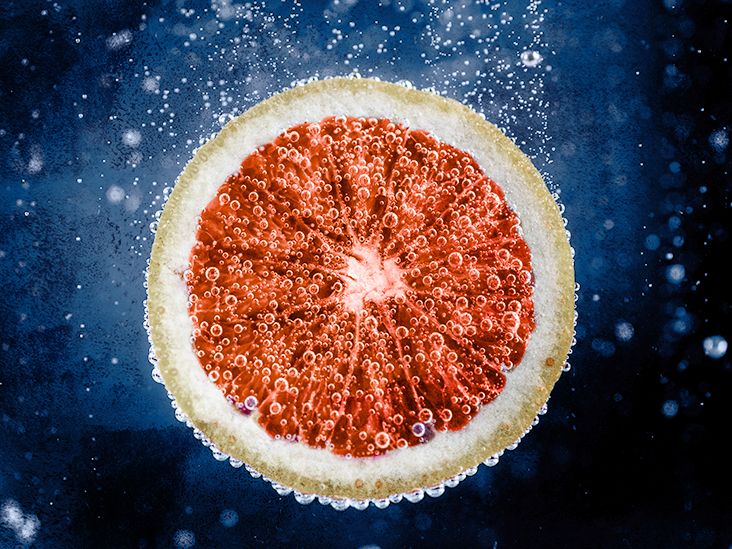
Oranges, grapefruits, mandarins, and tangerines are pregnancy classics for a reason. They are refreshing, hydrating, and rich in vitamin C. Vitamin C helps the body absorb iron from plant foods and supplements, which matters because iron needs rise during pregnancy. Citrus fruits also offer folate, a B vitamin involved in healthy fetal development.
Try orange slices with breakfast, grapefruit with cottage cheese, or mandarin segments as a quick snack. If heartburn is a problem, citrus may irritate symptoms, so choose less acidic fruits like bananas, pears, or melon instead.
2. Berries
Strawberries, blueberries, raspberries, and blackberries are tiny but mighty. They bring fiber, vitamin C, antioxidants, and a naturally sweet flavor that works in oatmeal, yogurt, smoothies, and salads. Berries are also lower in sugar than many tropical fruits, which can make them useful for people watching blood-sugar swings.
Because berries can carry dirt or bacteria on their surface, wash them gently under running water shortly before eating. Do not wash and store them wet for days, unless you enjoy growing a science experiment in the fridge.
3. Bananas
Bananas are convenient, gentle on the stomach, and rich in potassium. They can be helpful when nausea makes complicated foods impossible. They also pair well with protein and fat, which helps make snacks more satisfying. Try banana with peanut butter, banana slices in Greek yogurt, or frozen banana blended into a smoothie.
Bananas are not magic nausea medicine, but they are bland, portable, and forgiving. During pregnancy, that counts as a major personality trait.
4. Apples
Apples are crisp, fiber-rich, and easy to pack. The skin contains much of the fiber, so wash apples well and eat the peel if you tolerate it. Apples pair beautifully with cheese, nut butter, oatmeal, or a handful of walnuts. Their fiber can support digestion and help with fullness between meals.
If raw apples trigger bloating, try baked apples with cinnamon or thin apple slices warmed into oatmeal. Pregnancy digestion sometimes prefers soft and cozy over crunchy and ambitious.
5. Avocados
Yes, avocado is technically a fruit, and yes, it deserves a standing ovation. Avocados contain fiber, potassium, folate, and heart-healthy fats. They are especially helpful when you need something satisfying but not too sweet. Add avocado to toast, eggs, grain bowls, tacos, smoothies, or salads.
Because avocados have more calories than many fruits, portion size matters, but they can be an excellent addition to a balanced pregnancy diet. Wash the outside before cutting so bacteria on the peel does not transfer to the flesh.
6. Mangoes
Mangoes are rich in vitamin C, vitamin A precursors, and natural sweetness. They are a great option when you want dessert energy without diving face-first into a box of cookies. Mango works well with yogurt, chia pudding, smoothies, and salsa for grilled chicken or fish.
Because mango is naturally sweet, pair it with protein or fat if you are trying to keep energy steady. Mango with Greek yogurt or cottage cheese is more balanced than mango alone.
7. Pears
Pears are gentle, juicy, and high in fiber, especially when eaten with the skin. They can be helpful for constipation, a common pregnancy complaint that nobody puts in the glowing maternity photos. Pears are delicious with oatmeal, ricotta, walnuts, or a sprinkle of cinnamon.
Choose ripe but not mushy pears, wash them well, and refrigerate cut pieces. If raw pears feel too rough on your stomach, poached pears can be a soothing option.
8. Kiwi
Kiwi is small, bright, and surprisingly powerful. It contains vitamin C, fiber, and digestive-friendly plant compounds. Some people find kiwi helpful for regularity. It also adds a tangy flavor to yogurt bowls and fruit salads.
Wash kiwi before slicing, even if you do not plan to eat the skin. The knife can drag germs from the outside into the fruit, and nobody invited bacteria to the baby shower.
9. Watermelon
Watermelon is hydrating, refreshing, and easy to eat when hot weather or pregnancy thirst becomes dramatic. It provides water, vitamin C, and small amounts of other nutrients. It can be especially appealing in the third trimester when heavier snacks feel like too much.
The safety catch is storage. Whole melons should be washed before cutting, and cut melon should be refrigerated promptly. Pre-cut melon from stores can be convenient, but check freshness, temperature, and use-by dates carefully.
10. Prunes
Prunes may not win the beauty contest, but they are legendary in the digestion department. They contain fiber and sorbitol, which can help support bowel movements. For pregnancy constipation, prunes or prune juice may be useful, though portions should stay moderate.
Start small, such as two or three prunes, and drink water. Going from zero to a heroic prune feast may turn your afternoon into a bathroom-based documentary.
11. Pomegranates
Pomegranate arils are rich in antioxidants and add crunch to yogurt, salads, and oatmeal. They are sweet, tart, and visually fancy enough to make a normal snack look like it has a publicist. Choose fresh pomegranate, frozen arils, or pasteurized pomegranate juice in modest portions.
If buying packaged arils, keep them refrigerated and follow the date on the package. Discard anything slimy, sour-smelling, or suspicious.
12. Cantaloupe and Honeydew
Melons provide hydration, vitamin C, and a gentle sweetness that many pregnant people enjoy. However, melon needs careful handling because bacteria can live on the rind and transfer inside when cut. Wash the outside under running water, scrub firm rinds with a clean produce brush, and refrigerate cut melon quickly.
When in doubt, choose freshly cut melon from your own clean kitchen over a mystery fruit cup that has been lounging at room temperature like it owns the place.
Fruits and Fruit Products to Avoid During Pregnancy
Unwashed Fruit
Unwashed fruit is one of the biggest avoidable risks. Produce can carry bacteria, parasites, pesticide residue, dirt, or germs from handling. Always rinse fruits under running water before eating, cutting, or peeling. This applies even to fruits with rinds, such as melon, oranges, and avocados.
Do not use soap, detergent, or bleach on produce. Running water, gentle rubbing, and a clean brush for firm produce are the safer approach.
Unpasteurized Juice and Cider
Unpasteurized juice, fresh-pressed cider, and some juices sold at farmers markets, orchards, juice bars, or roadside stands may contain harmful bacteria. During pregnancy, choose pasteurized juice. Check labels and ask questions when buying fresh juice outside the grocery store.
Whole fruit is usually the better daily choice anyway because it contains fiber. Juice can fit occasionally, but it is easier to overdo sugar when fruit arrives in drinkable form.
Pre-Cut Fruit That Has Not Been Kept Cold
Pre-cut fruit can be convenient, but it is more vulnerable to contamination than whole fruit. Avoid fruit trays, cut melon, or fruit cups that have been sitting at room temperature. Buy refrigerated cut fruit, check the date, and eat it soon after opening.
At parties, buffets, and picnics, be extra cautious. If the fruit platter has been sitting out for more than two hours, or one hour in hot weather, skip it. The baby does not need a side quest involving foodborne illness.
Bruised, Moldy, or Damaged Fruit
Small bruises may seem harmless, but damaged areas can allow bacteria and mold to grow. Cut away bruised or damaged spots before eating. If fruit is moldy, slimy, fermented-smelling, or leaking, throw it away. Pregnancy is not the season for “I’m sure it’s fine” experiments.
Raw Sprouts in Fruit Smoothies or Bowls
Sprouts are not fruit, but they often sneak into smoothie bowls, salads, wraps, and health-food café meals. Raw sprouts can carry bacteria that are difficult to wash away. During pregnancy, avoid raw sprouts and choose cooked sprouts if you eat them.
Too Much Dried Fruit
Dried fruit can be nutritious, but it is concentrated. A small handful of raisins, dates, apricots, or prunes may contain more sugar and calories than expected. Dried fruit can also stick to teeth and may worsen nausea for some people. Enjoy it in small portions with nuts, yogurt, or oatmeal.
Fruit Myths: Pineapple, Papaya, and Grapes
Pregnancy fruit advice online can get weird fast. One post says pineapple is forbidden; another acts like it is a tropical miracle. In normal food amounts, ripe pineapple is generally considered safe for most pregnant people. The same is true for washed grapes.
Papaya needs more nuance. Ripe papaya is commonly eaten as fruit, but unripe or semi-ripe papaya contains latex-like compounds and is often advised against during pregnancy. If you enjoy papaya, choose fully ripe fruit and ask your healthcare provider if you are unsure. When pregnancy advice sounds like folklore wearing a lab coat, bring it to your clinician.
Smart Ways to Eat Fruit During Pregnancy
Pair Fruit With Protein or Healthy Fat
Fruit alone is healthy, but fruit with protein or fat is often more satisfying. Try apple with peanut butter, berries with Greek yogurt, banana with cottage cheese, mango with chia pudding, or pear with walnuts. These combinations can help slow digestion and keep energy steadier.
Use Fruit to Help With Iron Absorption
Vitamin C-rich fruits like oranges, strawberries, kiwi, and grapefruit can help the body absorb iron from plant foods and supplements. For example, oatmeal with strawberries, lentil salad with orange slices, or iron-fortified cereal with berries can be smart combinations.
Choose Whole Fruit More Often Than Juice
Whole fruit gives you fiber, chewing satisfaction, and a slower rise in blood sugar compared with juice. Juice is not automatically bad, but portions should be modest, and pasteurization matters. A small glass of pasteurized orange juice may be useful with an iron supplement if your clinician recommends it, but a giant juice smoothie is not automatically a health halo.
Keep Fruit Visible and Easy
Pregnancy tiredness is real. Make fruit easy to grab: washed apples in the fridge, bananas on the counter, frozen berries in the freezer, mandarin oranges in a bowl, or sliced melon stored safely in a sealed container. The easier the healthy choice is, the more likely it survives the snack emergency.
Fruit Tips for Common Pregnancy Symptoms
For Morning Sickness
Bananas, applesauce, cold grapes, melon, citrus wedges, and smoothies may be easier to tolerate than heavier foods. Cold fruit often smells less intense, which can help when pregnancy nose turns into a superhero power nobody asked for. Eat small amounts and pair fruit with crackers, toast, yogurt, or nuts if tolerated.
For Constipation
Pears, apples with skin, berries, prunes, kiwi, and oranges can support fiber intake. Increase fiber gradually and drink enough water. Fiber without fluids is like sending a moving truck with no driver: technically useful, but not going anywhere.
For Heartburn
Acidic fruits like oranges, grapefruit, and pineapple may worsen heartburn for some people. Choose bananas, melons, pears, applesauce, or avocado instead. Smaller portions can also help.
For Sweet Cravings
Fruit can satisfy sweet cravings while adding nutrients. Try frozen grapes, baked cinnamon apples, yogurt with berries, mango smoothie, or banana “nice cream.” This does not mean dessert is banned. It means fruit can be one delicious tool in the cravings toolbox.
Food Safety Rules for Fruit During Pregnancy
Safe fruit habits are simple but important. Wash fruit under running water before eating or cutting. Scrub firm produce like melons. Use clean knives and cutting boards. Refrigerate cut fruit promptly. Choose pasteurized juices. Avoid fruit that looks spoiled. Keep raw meat, poultry, seafood, and eggs away from fruit and ready-to-eat foods.
Also, wash your hands before preparing food. It sounds basic because it is basic, and basic works. Pregnancy food safety is not about panic; it is about stacking small habits in your favor.
of Real-Life Pregnancy Fruit Experience and Practical Examples
In real life, eating fruit during pregnancy is rarely as polished as a wellness photo. It is more like standing in the kitchen at 10 p.m., wearing mismatched socks, deciding whether a banana counts as dinner because the smell of chicken has personally betrayed you. Many pregnant people find that fruit becomes a comfort food because it is fresh, quick, and less likely to trigger nausea than greasy or heavily seasoned meals.
One common experience is the “safe fruit phase.” For a few weeks, maybe only watermelon, apples, or oranges sound acceptable. That is okay. Pregnancy appetite can move in chapters. If watermelon is the star of the first trimester, let it shine while still trying to add protein when possible. Watermelon with a boiled egg, toast, yogurt, or a handful of nuts can turn a light snack into something more sustaining.
Another realistic pattern is using fruit as a morning bridge. Some pregnant people wake up hungry but nauseated, which is an unfair combination and frankly poor design. A few crackers plus banana slices, applesauce, or a small smoothie can help settle the stomach before a real breakfast. Keeping a banana or mandarin near the bed may help if hunger hits before your feet touch the floor.
Fruit can also become a hydration helper. Plain water may taste metallic or boring during pregnancy. Adding citrus slices, berries, cucumber, or watermelon cubes to water can make fluids easier to drink. Frozen fruit in sparkling water can feel like a mocktail without making you feel like everyone else got invited to the fun table.
For constipation, many people learn to respect the quiet power of pears, kiwi, berries, and prunes. The trick is consistency, not chaos. A daily bowl of oatmeal with berries or a few prunes with breakfast may help more than suddenly eating a mountain of dried fruit and hoping for the best. Pair fiber with water and movement if your clinician says activity is safe.
For heartburn, fruit choices may need adjustment. Citrus and pineapple can be wonderful, but they can also light up reflux like a holiday display. When that happens, switch to gentler options: banana, pear, applesauce, avocado, or melon. Smaller portions are often easier than one big fruit bowl.
Shopping habits matter too. Whole fruit is usually safer and lasts longer than pre-cut fruit. If fatigue is high, buying pre-washed frozen fruit can be a lifesaver for smoothies and oatmeal. Frozen berries, mango, and peaches are convenient, budget-friendly, and available year-round. Just make sure smoothies are made with pasteurized dairy or fortified alternatives, and keep everything clean.
The most helpful mindset is flexibility. The “best” fruit is not the trendiest one; it is the one you can safely prepare, tolerate, enjoy, and fit into a balanced day. Some days that is berries with yogurt. Some days it is an apple in the car. Some days it is half a banana at midnight because pregnancy hunger has no respect for business hours. That still counts.
Conclusion
The best fruits to eat during pregnancy are whole, washed, varied, and nutrient-rich. Citrus fruits, berries, bananas, apples, pears, avocado, mango, kiwi, watermelon, prunes, and pomegranates can all have a place in a healthy pregnancy diet. They provide fiber, vitamin C, potassium, folate, antioxidants, hydration, and natural sweetness.
What should you avoid? Skip unwashed fruit, unpasteurized juice or cider, spoiled fruit, bruised or moldy pieces, raw sprouts in bowls or smoothies, and cut fruit that has not been kept cold. Be cautious with large amounts of dried fruit and choose fully ripe papaya rather than unripe papaya. If you have gestational diabetes, severe nausea, allergies, or specific medical concerns, get personalized advice from your healthcare provider.
Fruit will not make pregnancy effortless, but it can make eating well easier, fresher, and far more enjoyable. And when your snack has vitamins, fiber, hydration, and enough sweetness to keep cravings from staging a coup, that is a win worth peeling, slicing, and savoring.
Note: This article is for educational purposes only and should not replace medical advice from an obstetrician, midwife, registered dietitian, or qualified healthcare professional.