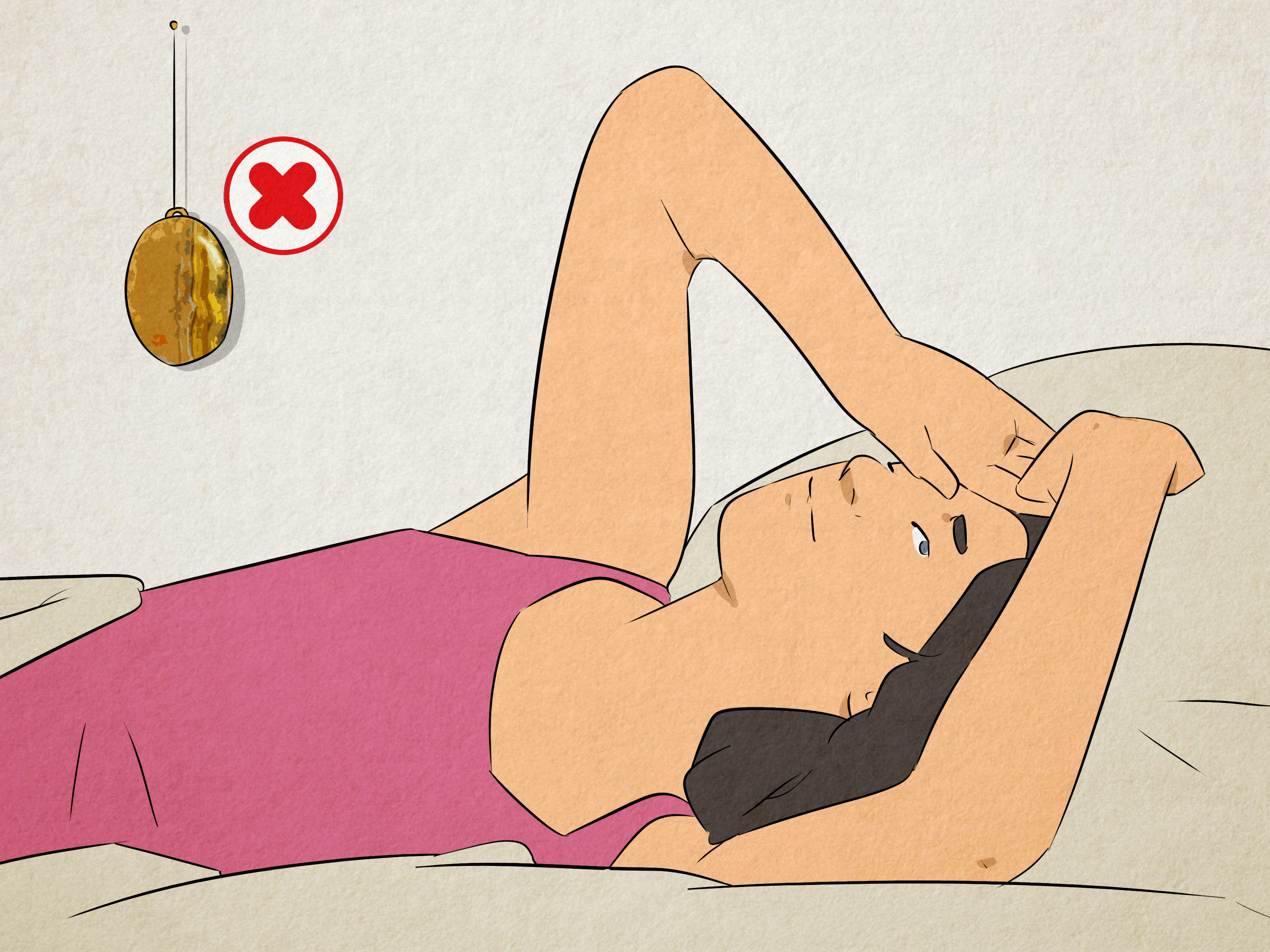
Your bedroom should be the Switzerland of your home: quiet, neutral, and unwilling to participate in anyone’s drama. Yeace with stones traditionally associated with ambition, creativity, transformation, emotional excavation, and enough motivational energy to launch a small startup.
Does that mean a piece of citrine is secretly plotting against your REM sleep? No. There is no reliable scientific evidence that crystals emit healing or disruptive energies capable of changing sleep, health, or mood. Crystal properties belong to spiritual traditions, modern metaphysical practices, and personal belief rather than established medicine. Still, rituals, symbolism, visual stimulation, expectations, and bedroom clutter can influence how relaxed or alert a person feels. guide examines 11 crystals that are commonly described as energizing, emotionally intense, or mentally stimulating. If you enjoy crystal healing practices but find yourself staring at the ceiling at 2:13 a.m. while mentally reorganizing your entire life, one of these stones may be better suited to your office, meditation room, or living area.
Editorial note: The metaphysical descriptions below reflect traditional and contemporary crystal beliefs, not scientifically proven effects. Persistent sleep problems should be discussed with a qualified healthcare professional.
What Makes a Crystal “Disruptive” in the Bedroom?
In crystal traditions, stones are often categorized according to the intentions people associate with them. Some are described as calming, grounding, or comforting. Others are connected with action, courage, productivity, transformation, dreamwork, or emotional release.
The second group is not necessarily “bad.” In fact, these crystals may be excellent companions during work, journaling, exercise, creative projects, or major life changes. They simply may not match the purpose of a restful bedroom.
From an evidence-based sleep perspective, the physical environment matters more than the mineral collection. A comfortable temperature, reduced noise, minimal light, and a bedroom strongly associated with sleep can support better rest. Bright displays, cluttered nightstands, blinking electronics, and mentally activating bedtime rituals may work against that goal. that distinction established, here are the crystals most likely to receive an eviction notice from a sleep-focused bedroom.
11 Crystals That May Feel Too Stimulating for Sleep
1. Carnelian
Carnelian is the espresso shot of the crystal cabinet. Its orange-red color is traditionally associated with vitality, confidence, passion, creativity, and the courage to take action. Those qualities are wonderful when you are facing a presentation, starting an art project, or trying to stop postponing leg day.
At bedtime, however, carnelian’s symbolism may encourage exactly the kind of mental state you are trying to turn off. People who use crystals as psychological cues may begin thinking about unfinished projects, romantic excitement, personal goals, or tomorrow’s challenges after seeing it beside the bed.
Better location: Keep carnelian on a desk, in a studio, beside workout equipment, or near the place where you complete your morning routine.
2. Citrine
Citrine is widely associated with optimism, abundance, confidence, and manifestation. It is often recommended for business spaces because its sunny appearance and prosperity symbolism can create a cheerful, forward-looking atmosphere.
The problem is that “forward-looking” can become “planning next quarter’s goals under the blanket.” If citrine reminds you to achieve, earn, organize, or think bigger, it may be more motivational than soothing. A bedroom should not feel like a board meeting with decorative pillows.
Crystal practitioners commonly group citrine with other energizing stones such as carnelian and red jasper, while popular metaphysical guides connect it with vitality and positive manifestation. ong>Better location: Place citrine in a home office, entryway, creative workspace, or business area.
3. Red Jasper
Red jasper is often called grounding, but it is also strongly connected with endurance, determination, physical strength, and steady action. That makes it a slightly complicated bedroom guest. It may feel stabilizing to one person and activating to another.
If you associate red jasper with pushing through obstacles or building stamina, keeping a large piece near the bed may reinforce a “keep going” mindset. Unfortunately, sleep requires the opposite instruction: stop going, release control, and become temporarily unavailable to the world.
Better location: Try red jasper near exercise gear, in a study area, or wherever you prepare for demanding tasks.
4. Tiger’s Eye
Tiger’s eye is traditionally linked with courage, focus, confidence, practical decision-making, and willpower. Its shimmering bands also make it visually striking, especially under a bedside lamp.
That combination can be useful during the day, but it may be too mentally assertive for someone who already turns bedtime into a courtroom where every decision made since 2008 is called as a witness. A stone symbolizing vigilance and determination may not fit a room intended for surrender and rest.
Contemporary crystal guides commonly describe tiger’s eye as a stone of courage, encouragement, creativity, focus, and leadership. ong>Better location: Keep it in your office, car, study space, or near the front door as a confidence reminder before leaving home.
5. Pyrite
With its metallic gold appearance, pyrite looks like ambition became a mineral. It is frequently associated with wealth, confidence, productivity, protection, and strategic thinking. People often display it near financial documents, workstations, or business materials.
In a bedroom, pyrite may create a more active visual mood than softer, matte stones. Its reflective surface can also catch stray light from lamps, streetlights, or electronic displays. That does not give pyrite supernatural insomnia powers, but a glittering object near eye level is not always the most restful decorating choice.
Better location: Put pyrite on a stable office shelf, near a budget planner, or in a workspace where its ambitious symbolism has an actual job to do.
6. Sunstone
Sunstone is associated with optimism, independence, enthusiasm, personal power, and joyful momentum. Even its name sounds ready to fling open the curtains and announce that everyone is wasting daylight.
This bright symbolism makes sunstone appealing during periods of low motivation. In a sleep space, though, it may feel more like morning energy than nighttime energy. Its warm orange, red, or golden appearance can also make a room feel lively rather than muted, particularly when several stimulating colors compete for attention.
Better location: Display sunstone where you get dressed, work on personal goals, eat breakfast, or begin your day.
7. Clear Quartz
Clear quartz is often described in crystal culture as an amplifier. Practitioners use it to strengthen intentions or intensify the qualities associated with nearby stones. Whether or not you accept that belief, the concept itself can influence expectations.
If your nightstand already contains carnelian, citrine, pyrite, and a written list of 47 goals, adding an alleged amplifier may not send the most sleep-friendly message to your brain. Clear quartz points and clusters can also create sharp silhouettes and bright reflections when placed near a lamp or window.
Better location: Use clear quartz in a meditation area, on an intention-setting table, or in a room where alertness is welcome. If you keep it in the bedroom, try one small, rounded piece rather than a dramatic crystal metropolis.
8. Moldavite
Moldavite has gained a reputation in metaphysical communities as an intense stone of rapid transformation, spiritual awakening, vivid dreams, and major personal change. That is an ambitious résumé for something sitting six inches from your pillow.
Technically, moldavite is not a conventional crystal. It is a natural glass believed to have formed from the heat of an asteroid impact roughly 15 million years ago. Its extraordinary geological origin likely contributes to the dramatic stories surrounding it. le who are highly suggestible or already expect moldavite to trigger intense experiences may become more alert to dreams, emotions, bodily sensations, and nighttime awakenings. Expectation alone can turn an ordinary restless night into a full spiritual documentary.
Better location: Keep moldavite in a dedicated meditation, journaling, or collection area rather than under your pillow.
9. Malachite
Malachite is traditionally associated with protection, emotional transformation, truth, and the release of old patterns. Its swirling green bands are beautiful, but its symbolic role can be psychologically intense.
Deep emotional work immediately before sleep is not ideal for everyone. If malachite prompts you to analyze relationships, revisit painful memories, or confront avoided decisions, your bedtime routine may become more therapeutic excavation than gentle winding down.
Malachite is also visually bold. A large polished piece can dominate a small nightstand, especially when paired with several other colorful stones.
Better location: Use it in a journaling space, therapy-related reflection area, or living room display. Avoid grinding, cutting, or creating dust from raw mineral specimens.
10. Labradorite
Labradorite is loved for its flashes of blue, green, gold, and violet. In metaphysical traditions, it is often connected with intuition, imagination, spiritual exploration, and personal potential.
Some people deliberately keep labradorite near the bed for dreamwork. Others find that dream-focused rituals encourage vivid dreams, increased dream recall, or more attention to every nighttime awakening. That may be fascinating when you want an adventurous dream journal. It is less charming when you simply want eight uneventful hours and no symbolic conversations with a talking staircase.
Modern crystal guides commonly associate labradorite with possibility, transformation, and reaching one’s potential. ong>Better location: Move it to a creative studio, reading nook, meditation corner, or daytime journaling space.
11. Obsidian
Obsidian is commonly used in spiritual practices involving protection, truth, boundaries, and “shadow work,” meaning reflection on hidden fears, uncomfortable emotions, or disowned parts of the personality.
That can be meaningful work, but bedtime is not always the best moment to begin an internal investigation. If obsidian has become a cue for intense introspection, it may encourage rumination instead of relaxation.
Large polished pieces may also look dark and imposing in low light. Sharp-edged specimens should never be stored loose in the bed, under a pillow, or anywhere they can fall. No metaphysical interpretation is required to understand why sleeping next to a jagged rock is a questionable life choice.
Better location: Keep obsidian in an entryway, meditation space, or secure display cabinet.
How to Choose Better Bedroom Crystals
There is no universal list of bedroom crystals that works for everyone. One person may find red jasper comforting, while another sees it and immediately wants to reorganize the garage. Personal associations matter more than an online chart.
Start by asking a simple question: What does this object make me want to do? A bedroom-friendly object should make you want to breathe slowly, lower the lights, release the day, and rest. If a crystal makes you want to plan, manifest, process, create, investigate, or conquer, give it a daytime position.
Keep the collection visually simple. Choose one or two rounded stones rather than covering every surface with towers, clusters, bowls, grids, cards, candles, and enough ritual equipment to require its own zoning permit. Secure heavy pieces on low, stable furniture, and keep sharp stones away from the mattress.
Most importantly, protect the bedroom’s association with sleep. Stimulus-control principles used in insomnia treatment encourage reserving the bed and bedroom primarily for sleep rather than work, worry, entertainment, or prolonged wakefulness. eriences With Removing Disruptive Crystals From the Bedroom
Experiences involving bedroom crystals are deeply personal, and they should not be treated as controlled scientific evidence. Still, the stories people share reveal something useful about expectations, habits, and environmental cues.
Consider the experience of someone who keeps carnelian, citrine, and pyrite beside the bed because they are working toward a career change. Every night, the stones sit next to a notebook filled with financial targets and project ideas. The person begins reviewing goals while brushing their teeth, checks email from bed, and stays awake thinking about possible opportunities. Removing the stones does not eliminate a mysterious energy field. Instead, it removes several visual reminders of work. The notebook moves to the office, the phone charges in another room, and the nightstand becomes pleasantly boring. Sleep may improve because the routine changed.
Another common experience involves moldavite or labradorite. A person reads dozens of stories about vivid dreams before placing the stone under a pillow. They wake briefly during the nightas most sleepers naturally doand immediately search their memory for unusual dream content. By morning, every fragment feels important. The stone may not have created the dreams, but the expectation encouraged closer attention, stronger recall, and more emotional interpretation.
Malachite and obsidian can produce a different pattern. Someone may use them during evening journaling to explore grief, conflict, or childhood memories. The reflection becomes intense, and they go directly from writing into bed. Their nervous system remains activated because they have not created a transition between emotional work and sleep. Moving the stones and journal to a daytime reflection space, then adding a calmer pre-sleep activity, may help create that missing buffer.
There are also people who remove every crystal from the bedroom and notice absolutely nothing. That experience is equally valid. It suggests that the stones were decorative objects without a meaningful effect on their thoughts or habits. They may return a favorite crystal to the room because it looks beautiful and carries a comforting memory.
A useful way to evaluate your own experience is to run a seven-night bedroom experiment. Photograph the current setup, then remove the most stimulating stones, crystal grids, bright lights, and work-related objects. Do not make ten other lifestyle changes at the same time. Each morning, record approximately how long it took to fall asleep, how often you remember waking, how rested you feel, and whether you experienced unusual worry or dream intensity.
After seven nights, review the pattern without forcing a dramatic conclusion. If you slept better, the improvement may have come from reduced clutter, altered expectations, a calmer ritual, fewer light reflections, or a stronger psychological boundary between daytime activity and nighttime rest. If nothing changed, you have learned that your crystal arrangement probably was not an important factor.
The most revealing experience is often not about a particular mineral. It is the discovery that a bedroom feels different when it stops functioning as an office, meditation studio, emotional processing center, charging station, and miniature gem exhibition. Sometimes better sleep begins when the room is allowed to have one uncomplicated assignment.
Conclusion
The 11 disruptive crystals that shouldn’t be in your bedroom are not forbidden objects, dangerous energy generators, or mineral supervillains. They are stones whose traditional meanings may conflict with a quiet bedtime atmosphere. Carnelian, citrine, red jasper, tiger’s eye, pyrite, sunstone, clear quartz, moldavite, malachite, labradorite, and obsidian are commonly associated with action, ambition, transformation, dreamwork, or deep reflection.
If one of them makes your bedroom feel meaningful and peaceful, there is no scientific reason to panic. If it becomes a cue for planning, worrying, analyzing, or expecting an intense night, move it elsewhere and observe what changes. A restful bedroom does not need to pass a spiritual purity test. It simply needs to help your brain understand that the day is over.