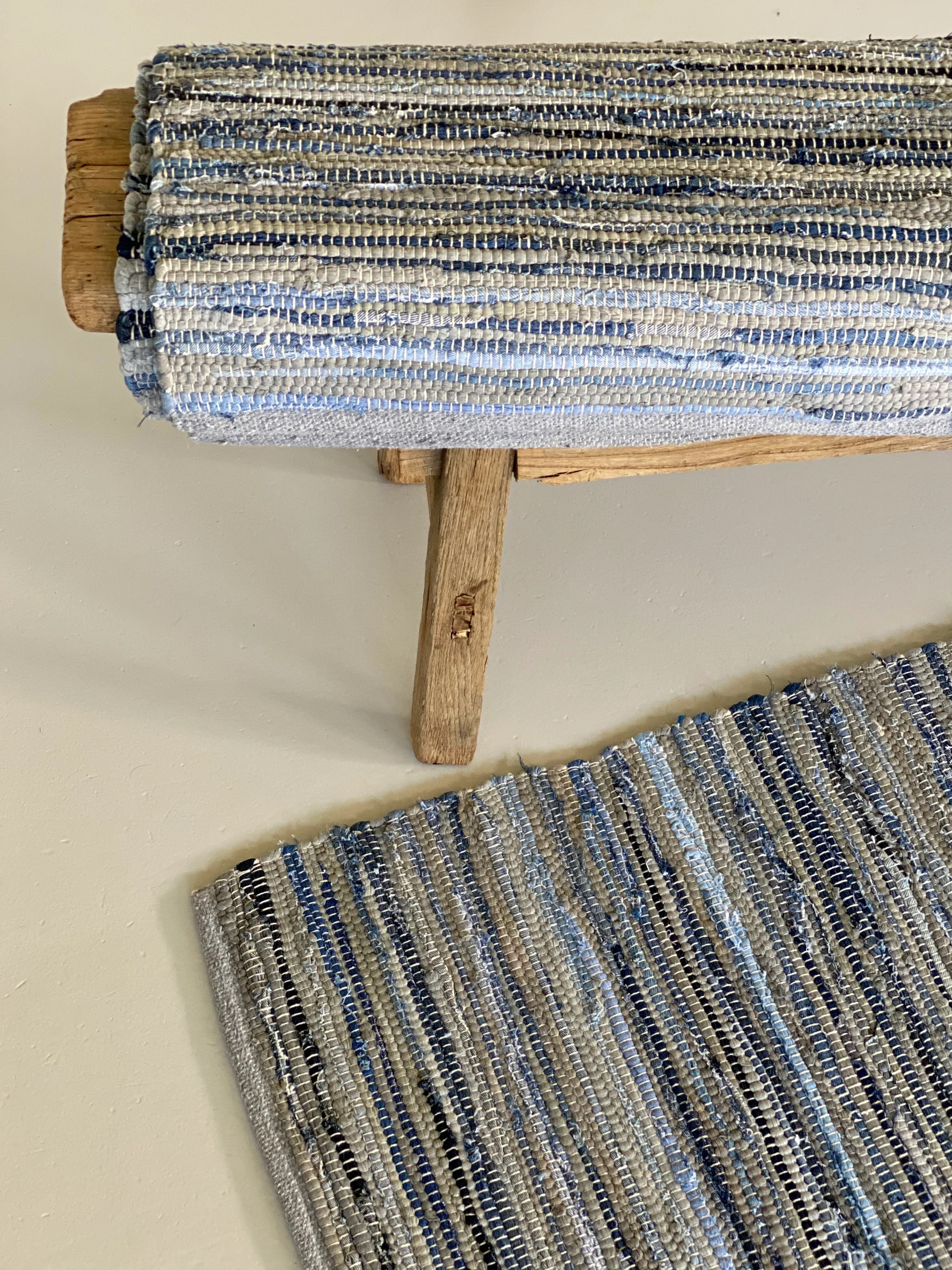
Some decorating trends arrive wearing designer sunglasses and demanding a complete renovation. Rag rugs artexture, and make a room feel as though someone interesting actually lives there.
Once associated mainly with country cottages and resourceful homemade décor, cozy rag rugs are appearing in modern apartments, relaxed family homes, coastal interiors, bohemian bedrooms, and even minimalist spaces. Their renewed popularity fits several current rug trends, including tactile surfaces, saturated color, layered floor coverings, vintage character, and more practical materials. eal is easy to understand. Rag rugs are casual without looking careless, colorful without requiring a paintbrush, and often affordable enough that buying one does not require a meeting with your financial advisor. Many are flatwoven, reversible, washable, and made from cotton, recycled textiles, or blended fabric strips. In other words, they are prepared for real homesthe kind containing muddy sneakers, cereal crumbs, pet hair, and at least one person who insists that beverages do not need coasters.
What Is a Rag Rug?
A rag rug is traditionally made by weaving, braiding, hooking, or knotting strips of leftover fabric into a durable floor covering. Older versions were practical household projects created from worn clothing, sheets, wool scraps, and other textiles that still had useful life left in them.
Modern rag rugs follow the same basic spirit, although the term now covers several styles. Some are handwoven from multicolored cotton strips. Others use recycled fabric, denim, wool, polyester blends, or factory-cut yarn designed to imitate the charming irregularity of reclaimed cloth.
Those irregularities are part of the attraction. Slight changes in thickness, tone, and pattern prevent a rag rug from feeling overly polished. It has personality. It may not sit in the corner silently coordinating with the curtains; it may arrive wearing six colors and expecting compliments.
Why Cozy Rag Rugs Are Trending Again
They Add Instant Texture
Texture is playing a major role in current interior design. Homeowners are combining woven fabrics, natural wood, handmade ceramics, soft upholstery, baskets, and tactile rugs to make rooms feel warmer and more personal. A rag rug contributes visible texture even when it has a low pile, making it useful in spaces that feel flat or overly sleek.
This is especially effective in rooms with hard surfaces. Wood flooring, polished concrete, vinyl planks, and tile are practical, but an uncovered room can feel echoey or unfinished. A woven rug softens the visual effect, adds comfort underfoot, and helps define a seating or activity zone.
They Fit the Collected-Over-Time Look
Perfectly matched furniture sets are giving way to interiors that look gradually assembled. Rag rugs fit naturally into this approach because their colors can connect furnishings from different periods and styles.
A striped cotton rug can bridge the gap between a modern sofa, a vintage side table, and a painted bookcase. A faded blue rag rug can support coastal décor without turning the room into a souvenir shop. A black-and-cream version can introduce handmade warmth to a minimalist interior while preserving its restrained palette.
They Support a More Resourceful Decorating Mindset
Traditional rag-rug making was based on reuse: fabric that was no longer suitable as clothing became something functional for the home. That history feels relevant as more shoppers consider durability, recycled content, secondhand furnishings, and responsible textile use.
The environmental benefit depends on how a particular rug is manufactured, so “rag rug” does not automatically mean sustainable. Still, choosing a well-made rug that contains reclaimed materialor keeping an existing rug in service for many yearscan support a less disposable approach to decorating. Textile reuse matters because only a relatively small portion of discarded textiles is recycled in the United States. re Friendly to Real Life
Many rag rugs have flat or low-profile weaves that work well in busy spaces. Cotton versions may be washable, while multicolored patterns can disguise minor crumbs, lint, and everyday marks between cleanings. Reversible construction is another advantage: flip the rug, and suddenly it appears refreshed. This is not magic, but it is close enough for a Tuesday morning.
Washable rugs have become especially popular in kitchens, playrooms, entryways, and homes with children or pets. Testing and design guides increasingly emphasize stain resistance, low-pile construction, nonslip support, and realistic cleaning requirements alongside appearance. Choose the Right Rag Rug
Start With the Material
Cotton is one of the most familiar choices. It feels soft, accepts color well, and is often easier to wash than heavier natural fibers. However, cotton can shrink, fade, or lose shape if it is washed incorrectly, so the care label is more important than optimistic guessing.
Recycled-fabric rugs may include cotton, denim, polyester, wool, or mixed textiles. They often have rich color variation, but care requirements can be less predictable when multiple fibers are combined.
Wool-blend rag rugs offer warmth and durability but may require professional or specialized cleaning. They are better suited to living rooms, bedrooms, and quiet reading areas than splash-prone kitchens.
Synthetic blends can improve stain resistance, color retention, and drying time. They may be a sensible choice for high-traffic rooms, although shoppers seeking natural fibers should read the composition label carefully.
Examine the Weave
A tightly woven rug is generally better for busy areas because chair legs, shoes, and vacuum tools are less likely to catch loose fabric. Chunkier, loosely woven styles can look wonderfully cozy but may be better in low-traffic rooms.
Check the edges as well. Secure stitching or binding helps prevent unraveling. With braided rugs, inspect the joins between sections. With handwoven rugs, a little variation is normal; large gaps, weak seams, and easily pulled strips are not charming character. They are future chores.
Check the Care Instructions Before Buying
“Washable” is not a universal instruction. One rug may fit in a household washing machine, while another requires a commercial-size machine. Some can be tumble-dried on low heat; others must be laid flat or hung to dry. Certain rugs should only be spot-cleaned.
Machine-washable models are commonly cleaned with cold water, a gentle cycle, and mild detergent, but the manufacturer’s directions should always take priority. Colorfastness testing is wise for strongly colored cotton rugs, and air-drying can help reduce unnecessary heat exposure. y-Room Rag Rug Ideas
Living Room: Use a Large Rug to Anchor the Furniture
In a living room, the rug should connect the furniture rather than float alone beneath the coffee table like a decorative postage stamp. Ideally, the front legs of the sofa and chairs should rest on the rug. In a spacious room, all major furniture legs can sit on it.
For a quiet room, choose a multicolored rag rug containing one or two shades already present in the upholstery or artwork. For a room filled with patterns, select a simpler stripe or mostly neutral weave. Larger rugs generally make a seating group look more unified, while undersized rugs can make the layout feel disconnected. s also layer well. Place a smaller colorful rug over a larger jute, sisal, or plain flatweave base. The bottom layer establishes the room’s boundaries, while the top rug adds personality. Keep both layers flat and secure to reduce shifting or curled edges.
Bedroom: Create a Soft Landing
A bedroom rag rug should provide warmth where bare feet actually touch the floor. A large rug can extend beneath the lower portion of the bed and remain visible along both sides. In a compact bedroom, two narrow runners beside the bed may be more practical and easier to wash.
Soft cotton weaves work particularly well here because bedrooms usually experience less dirt and moisture than entrances or kitchens. Muted stripes, faded jewel tones, and natural cream combinations create a relaxed mood without making the bedroom look sleepy in the boring sense.
Placing a rug beneath the bed visually anchors the room’s largest piece of furniture. Designers commonly recommend leaving a generous visible border around the bed so the rug feels intentional rather than trapped beneath it. n: Choose Low Pile and Easy Cleaning
A rag runner can make a kitchen warmer, quieter, and more colorful. Place it along a galley walkway, between an island and sink, or in front of the main preparation counter.
Kitchen rugs face dropped ingredients, cooking splatters, water, and mysterious sticky spots that nobody admits creating. Choose a washable, tightly woven, low-pile rug that will not interfere with cabinet doors. Dark stripes, mixed colors, and small-scale patterns usually hide everyday marks better than solid whitean important scientific discovery made by anyone who has ever cooked tomato sauce.
Use a nonslip rug pad, especially near sinks or dishwashers. A rug that slides on tile is not cozy; it is an unexpected skating lesson.
Dining Room: Allow Space for Moving Chairs
Rag rugs can bring an informal, welcoming quality to breakfast nooks and casual dining rooms. The rug should extend far enough beyond the table that chairs remain on it when pulled out. Otherwise, chair legs may catch the rug’s edge repeatedly.
A flatweave is preferable to a thick, uneven surface because dining chairs move more easily across it. Select a pattern forgiving enough for crumbs and spills, and confirm that the rug can be cleaned using a method realistic for your household.
Bathroom and Laundry Room: Prioritize Washability
A small cotton rag rug can look more distinctive than a standard bath mat. It adds color to white tile, painted vanities, and simple laundry-room cabinetry. However, the rug should be washable, quick to dry, and paired with an effective nonslip pad or backing.
Do not leave a saturated rug sitting on moisture-sensitive flooring. Hang it to dry after heavy use and wash it regularly. Cotton rag rugs and products specifically labeled washable are among the more practical decorative-rug choices for bathrooms. ay and Hall: Go Durable and Darker
Entryways need rugs that tolerate shoes, grit, moisture, and heavy traffic. Look for tight construction, a low profile, secure edges, and colors that will not advertise every speck of outdoor life.
A striped runner can visually lengthen a hallway, while a small oval or rectangular rag rug can soften an entry console area. Measure door clearance before buying. A thick rug that prevents the front door from opening is less a decorating choice and more a home-security experiment.
Kids’ Rooms and Play Areas: Bring in Cheerful Color
Rag rugs are excellent for playful interiors because their mixed colors coordinate with changing toys, bedding, and wall art. Low-pile washable styles are easier to maintain than delicate rugs and provide a comfortable surface for reading, building blocks, or elaborate stuffed-animal meetings.
Check regularly for pulled strips, loose threads, or curled corners. Secure the rug with a pad and avoid heavily fringed styles in spaces used by toddlers or rolling toys.
Home Office: Define the Work Zone
In an open room, a rag rug can visually separate a desk from the surrounding living space. Select a thin, firm weave if an office chair needs to roll across it. A thick or loosely woven rug may catch wheels and transform every trip to the printer into resistance training.
For a calmer workspace, choose indigo, charcoal, tan, olive, or cream. For creative energy, try multicolored stripes or a rug with warm reds and oranges. The goal is to introduce interest without creating so much visual activity that the floor appears to be handling several projects at once.
Easy Styling Rules That Make Rag Rugs Look Intentional
Repeat One Color Elsewhere
A multicolored rag rug becomes easier to integrate when at least one of its colors appears elsewhere in the room. Repeat a blue stripe in a pillow, vase, artwork, or throw. The match does not need to be exact; a related shade is enough to create visual connection.
Balance Busy and Quiet Elements
If the rug contains many colors, keep nearby upholstery or window treatments relatively simple. If the room is mostly neutral, let the rug become the lively element. Contrast creates interest, while competition creates a room in which every object appears to be giving a speech.
Mix Handmade Texture With Clean Lines
Rag rugs are not limited to rustic interiors. Their irregular weave can soften metal furniture, modern cabinetry, streamlined sofas, and simple platform beds. The contrast between handmade texture and crisp architecture often makes both elements look better.
Always Consider a Rug Pad
A suitable pad can reduce slipping, add cushioning, protect the floor, and help the rug remain flat. Choose one slightly smaller than the rug so it stays hidden. Pads are particularly important beneath lightweight cotton rugs, which can shift more readily than heavy wool carpets.
Cleaning and Maintenance Tips
Shake small rugs outdoors regularly to release dust and crumbs. For vacuuming, use light suction and avoid aggressive rotating brushes if the rug has exposed loops, fringes, or loosely woven strips. Vacuum both sides occasionally when the construction allows it.
Blot spills promptly with a clean, absorbent cloth rather than rubbing them deeper into the weave. Before applying any cleaner, test it on an inconspicuous area. Strong dyes may bleed, and mixed-fiber rugs may react unpredictably to heat or cleaning products.
Rotate the rug every few months so sunlight and foot traffic affect it more evenly. If the rug is reversible, alternate sides. Check edges and seams before washing, since a small loose thread is easier to repair before it becomes a long and emotionally complicated thread.
Real-World Experiences: What Living With Rag Rugs Teaches You
The first lesson from using rag rugs in everyday rooms is that the “best-looking” option in a product photograph is not always the best rug for the space. A pale cream weave may look beautifully calm online, but a kitchen containing coffee, tomato sauce, children, or an enthusiastic dog quickly reveals the value of mixed colors. Patterns are not merely decorative; they are camouflage with excellent public relations.
Another common experience is discovering how much size changes a room. A small rug can be attractive on its own yet look strangely timid beneath a full living-room arrangement. Replacing it with a larger rug often makes the furniture appear more substantial and the room more finished. Nothing else has changed, but suddenly the sofa and chairs look as though they have been formally introduced.
Lightweight cotton rugs also teach the importance of rug pads almost immediately. Without one, a runner may migrate several inches every day, bunch beneath a chair, or curl at the corners. After adding a properly sized nonslip pad, the same inexpensive rug usually feels more secure and more luxurious. It is one of those unglamorous purchases that prevents both annoyance and theatrical entrances.
Washability is another area where expectations meet reality. A label stating that a rug is machine washable does not guarantee that every size will fit comfortably in every washer. Small kitchen rugs and bedside runners are generally manageable. A large, wet cotton rug can become surprisingly heavy, and forcing it into an undersized machine may produce poor cleaning results or place unnecessary stress on the appliance. Measuring the rug and checking both the care label and washing-machine capacity before the first spill saves considerable trouble.
Drying technique can affect the final appearance. A rug hung unevenly may stretch or dry with ripples, while a rug laid flat without adequate airflow may take too long to dry. Reshaping it while damp, smoothing the edges, and allowing air to reach both sides usually produces a neater result. Some rugs benefit from a brief low-heat tumble, but only when the manufacturer permits it.
Color can also behave differently at home. A rug described as “multicolor” may lean strongly toward red, blue, or brown depending on the fabric strips used. Viewing close-up photographs, reading the fiber description, and checking return policies can prevent surprises. Handmade and recycled-fabric rugs may vary from one piece to another, which is part of their character but worth expecting.
Perhaps the most satisfying experience is how easily a rag rug can rescue an unfinished room. A basic rental bedroom with white walls and plain flooring gains warmth from one striped runner. A laundry room becomes cheerful with a small woven mat. A dark hallway gains movement from a colorful floor covering. These changes do not require new furniture, construction dust, or a weekend spent arguing with an instruction manual.
Rag rugs also tend to make rooms feel less precious. Guests are more likely to relax in a space that includes texture, color, and practical materials than in one that appears afraid of fingerprints. A slightly irregular weave communicates that the room is meant to be used. That may be the true reason for the trend: cozy rag rugs make homes look decorated, but they still allow people to live in them.
Conclusion: A Small Change With Plenty of Character
Cozy rag rugs combine old-fashioned resourcefulness with current decorating priorities. They add tactile interest, soften hard flooring, introduce color, and fit naturally into layered, collected interiors. With options ranging from neutral cotton runners to vivid recycled-fabric area rugs, there is a style for nearly every room and budget.
The smartest choice is not simply the prettiest rug. Consider the room’s traffic, moisture, furniture arrangement, cleaning demands, door clearance, and safety needs. Select the correct size, inspect the weave, read the care label, and use a rug pad when necessary. Do that, and a humble rag rug can become one of the hardest-workingand most charmingpieces in the house.
Note: Fiber content and construction vary widely among rag rugs. Always follow the manufacturer’s care instructions and test cleaning products on a hidden area before treating the entire rug.