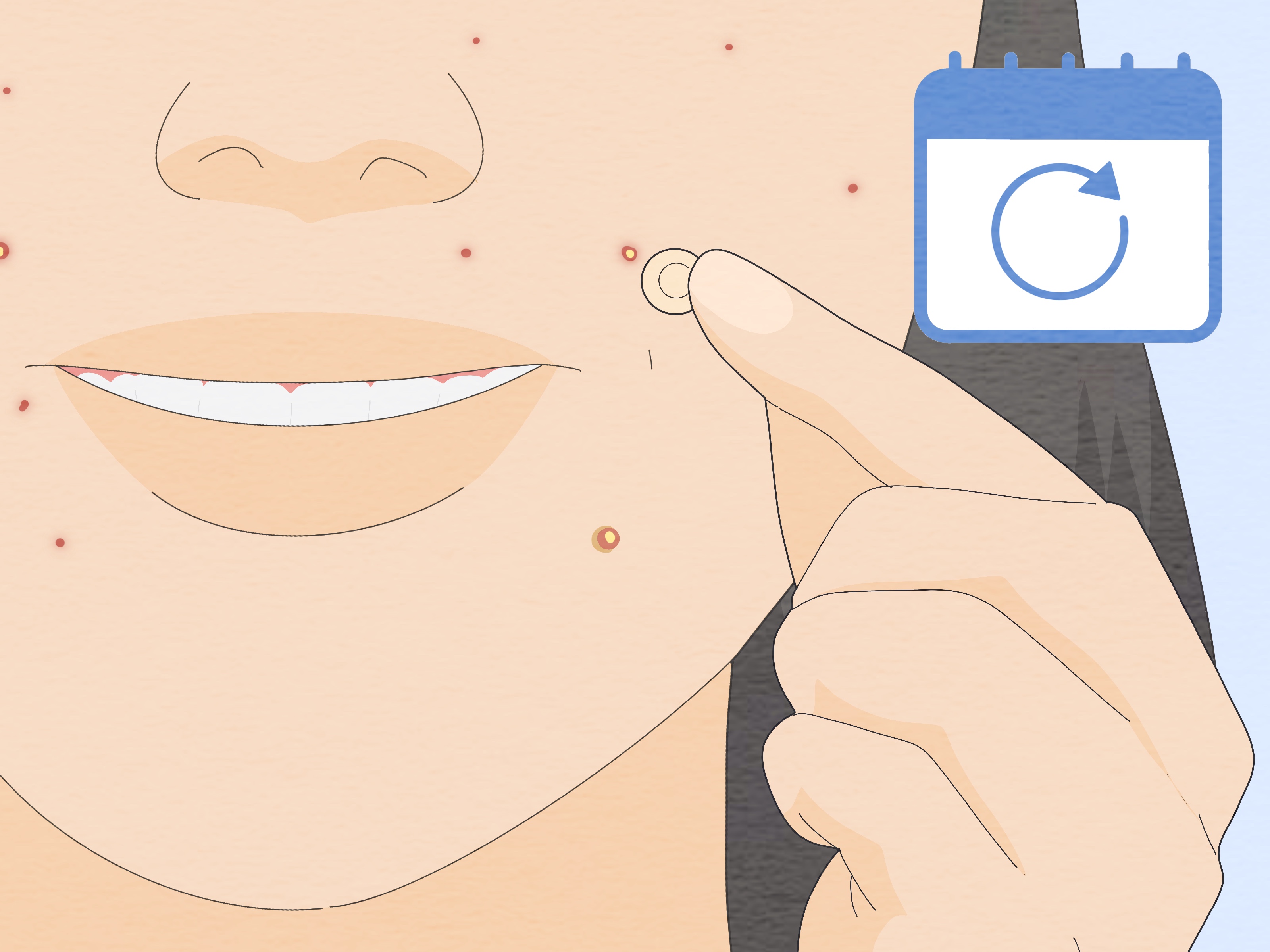
If the internet had a skincare junk drawer, baking soda would be sitting right on top next to toothpaste, lemon juice, and other “I saw it on social media, so it must be genius” remedies. It is cheap, easy to find, and already living rent-free in most kitchens. So it is no surprise that people keep asking whether baking soda for pimples actually works.
The honest answer is a little less glamorous than the DIY videos make it seem. Baking soda may help absorb oil and dry out the surface of a blemish for some people, but it is not a gold-standard acne treatment. In fact, it can be too harsh for many skin types. Because it is alkaline and can feel gritty, it may leave skin dry, tight, red, flaky, or just plain annoyed. In other words, your pimple might move out, but it could leave behind a tiny protest march.
Still, if you are curious about using baking soda as an acne home remedy, the smartest approach is to use it carefully, rarely, and with realistic expectations. Below are five practical ways to try it more cautiously, plus the big mistakes to avoid, the safer alternatives dermatologists usually prefer, and some real-world experiences people commonly have when they experiment with this pantry staple.
Before You Start: Can Baking Soda Really Help Acne?
Baking soda is not a proven cure for acne. It does not work the same way as benzoyl peroxide, salicylic acid, or adapalene, which are designed to target clogged pores, acne-causing bacteria, and inflammation more directly. What baking soda may do is temporarily cut surface oil, mildly exfoliate, and dry out a very small blemish. That is why some people swear by it for an occasional zit.
The problem is that skin loves balance, and baking soda is not exactly subtle. Overuse can strip moisture, upset your skin barrier, and make irritation worse. If you have sensitive skin, eczema, rosacea, broken skin, or inflamed cystic acne, this is usually not the ingredient to play games with. Even for oily skin, it is best treated like hot sauce: a tiny amount may be fine, but too much can ruin the meal.
So if you want to know how to get rid of pimples with baking soda, the safest answer is this: think “small, brief, and occasional,” not “slather it everywhere and hope for a miracle.”
1. Make It a Tiny Spot Treatment, Not a Full-Face Adventure
The first and most sensible way to use baking soda for acne is as a very small spot treatment. Mix a pinch of baking soda with a few drops of water until it forms a thin paste. Then dab it only on the pimple, not all over your face. This is the skincare version of using a scalpel instead of a shovel.
The reason this method is the least risky is simple: less product touches less skin. If your goal is to dry out one whitehead or a small surface blemish, a tiny application is far less likely to trigger widespread dryness than a full-face mask. Let it sit briefly, then rinse thoroughly with lukewarm water. Afterward, apply a noncomedogenic moisturizer to help reduce tightness.
This method makes the most sense for oily skin and a single small pimple that is close to the surface. It is not a smart move for deep, painful cysts, clusters of inflamed acne, or any area that already feels raw. If the skin stings sharply, burns, or stays red, skip the experiment and move on.
2. Keep It Diluted and Short-Contact
When people get into trouble with baking soda, they often leave it on too long or make the mixture too thick. A better approach is to keep the paste light and use it as a short-contact treatment. In plain English, do not turn a quick test into a facial cement project.
A diluted mixture is less abrasive and easier to rinse away. It also lowers the odds of leaving behind that squeaky, over-stripped feeling that makes skin look dull and irritated. If you try this method, keep the contact time brief and pay attention to how your skin responds over the next day. The goal is not to “feel it working” through intense tingling. The goal is to avoid turning one tiny blemish into a dry, flaky patch that now needs its own apology letter.
If your skin tends to react badly to exfoliants, acne washes, or even weather changes, this method probably belongs in the “nice theory, bad idea for me” category. Acne-prone skin is often already inflamed, so adding another irritating ingredient can easily backfire.
3. Use It Only on Oily, Resilient Areas
Not all pimples live on equally forgiving real estate. The oily center of the forehead, nose, or chin may tolerate a cautious baking soda test better than delicate areas around the mouth, eyes, or sides of the nose. If you are going to use baking soda on skin at all, reserve it for the places that are genuinely oily and avoid skin that is thin, peeling, irritated, or freshly picked.
This matters because location changes everything. A tiny breakout on a sturdy, oily chin is different from an angry bump near cracked skin or a healing scab. Baking soda on already damaged skin can make the area more uncomfortable and extend the drama longer than the pimple would have lasted on its own.
In other words, choose the battlefield wisely. If you also get acne on your chest or back, those areas may sometimes be a little more resilient than the face, but the same rule applies: be conservative, rinse it off well, and stop if you see redness or itching. “More skin” does not mean “more opportunity.”
4. Pair It With Barrier-Friendly Aftercare
If you try baking soda for pimples and then walk away without moisturizing, your skin may decide to retaliate with dryness, flaking, or even rebound oiliness. A better strategy is to treat the aftercare as seriously as the DIY step itself. Once the baking soda is rinsed off, pat the skin dry gently and follow with a simple, fragrance-free, noncomedogenic moisturizer.
This step matters because skin that gets too dry often becomes more reactive. Some people even notice that when they keep stripping their face, it starts looking rougher, redder, or oilier over time. That is not your skin being dramatic. That is your skin trying to defend itself.
It is also wise to avoid stacking other strong products right away. Using baking soda and then immediately layering on scrubs, acids, retinoids, or harsh toners is a fast way to make your face feel like it lost an argument. Keep the rest of your routine bland and boring for the rest of the day. In skincare, bland is often beautiful.
5. Treat It as a Backup Plan, Not Your Main Acne Strategy
The fifth and most important way to use baking soda is to think of it as an occasional backup, not your long-term acne routine. If it helps dry one random pimple once in a while, fine. But if you are breaking out regularly, getting clogged pores, dealing with painful bumps, or noticing marks and scars, pantry remedies are not where the real progress usually happens.
A better acne routine usually starts with gentle cleansing, not scrubbing. Wash your face with a mild cleanser, especially after sweating, and choose products labeled noncomedogenic. If you want ingredients with stronger evidence, look for salicylic acid for clogged pores, benzoyl peroxide for inflammatory pimples, or adapalene for ongoing acne prevention. Hydrocolloid pimple patches can also help protect a blemish from picking while it heals.
If your acne is severe, painful, widespread, or not improving after several weeks of consistent care, it is time to see a dermatologist. That is especially true if you are getting cysts, dark marks, or scars. Baking soda may be a quick kitchen experiment, but it is not a replacement for a smart treatment plan.
Big Mistakes to Avoid When Using Baking Soda for Pimples
The biggest mistake is treating baking soda like a miracle face mask. More is not better. A thick layer, frequent use, or daily application can leave skin irritated fast. Another classic mistake is turning it into a gritty scrub and rubbing hard. Scrubbing acne-prone skin tends to inflame it, not calm it down.
It is also best to skip the chaotic DIY combos. Baking soda plus lemon juice, vinegar, toothpaste, or anything else that sounds like it belongs in a middle-school volcano experiment is not a skincare upgrade. These mixtures may increase irritation and make skin even harder to manage.
Finally, do not use baking soda on open pimples, picked skin, fresh wounds, or areas that are already peeling from acne medication. Your face is not a cast-iron skillet. It does not need “deep cleaning.”
Safer Alternatives That Usually Work Better
If your real goal is fast, visible improvement, safer over-the-counter acne treatments usually make more sense than baking soda. Benzoyl peroxide can help with inflamed pimples. Salicylic acid is useful for blackheads, whiteheads, and clogged pores. Adapalene works more gradually but can be excellent for preventing new breakouts over time. A hydrocolloid patch is handy when you want to stop touching a pimple and let it heal in peace.
Just as important, keep your basics in place. Use a gentle cleanser, avoid harsh rubbing, moisturize even if you have oily skin, and choose sunscreen and skincare labeled noncomedogenic. That routine may not sound as exciting as “one weird trick from your pantry,” but boring skincare is often the stuff that actually works.
What People Often Experience When They Try Baking Soda for Pimples
The experiences below are illustrative examples based on common skin-care patterns, not clinical case reports. They are useful because they show how differently skin can react to the same DIY remedy.
Experience one: the overnight optimist. Someone gets one bright, annoying pimple before an event and remembers hearing that baking soda can dry it out. They mix a little with water, dot it on carefully, rinse it off after a short time, and wake up to find the bump looks a bit flatter. In this situation, the person often concludes that baking soda is magic. But what likely happened is more modest: the surface dried slightly, the swelling looked smaller, and the pimple was already on its way to changing anyway. It felt like a win, which is fair, but it does not mean baking soda is the best long-term acne treatment.
Experience two: the full-face regret. Another person decides that if a tiny dab might help one pimple, a thick all-over mask should help the whole face. This usually does not end as a skincare success story. Instead, the person may notice tightness, redness, flaking, or that awful “my skin suddenly feels three sizes too small” sensation. By the next day, the acne may not even look better, but the face now feels dry and irritated. This is one of the most common reasons DIY acne remedies get a bad reputation. The method was too aggressive for skin that was already stressed.
Experience three: the oily-skin exception. Some people with very oily, resilient skin use baking soda rarely and seem to tolerate it without much trouble. They may say it helps with a random surface-level whitehead on the chin or forehead. Even then, the success usually depends on using very little, not rubbing, rinsing well, and moisturizing afterward. This kind of experience is why baking soda keeps hanging around in acne conversations. It can appear helpful in a narrow, occasional situation. But even for these users, it tends to work more like a temporary surface fix than a true acne plan.
Experience four: the smarter switch. A person tries baking soda a few times, notices mixed results, then switches to a gentle cleanser and an acne product with salicylic acid, benzoyl peroxide, or adapalene. A few weeks later, the skin looks calmer and breakouts happen less often. This experience is probably the most useful one. It reminds people that acne usually responds better to consistency than to kitchen experiments. A steady routine is not flashy, but it often wins in the long run.
That is really the story of baking soda and pimples in one sentence: sometimes it looks helpful for a moment, but it is rarely the hero of the whole movie.
Final Thoughts
If you want to try baking soda for pimples, the smartest route is to be cautious: use a tiny amount, keep it brief, apply it only where it makes sense, and moisturize afterward. For some people, it may temporarily dry out a small blemish. For many others, it will simply irritate the skin and create a brand-new problem nobody invited.
If you are dealing with recurring acne, clogged pores, painful bumps, or post-acne marks, you will usually get better results from proven acne ingredients and a gentle skincare routine. Baking soda is a pantry staple. Acne care is a skin strategy. Those are not the same thing, and your face absolutely knows the difference.