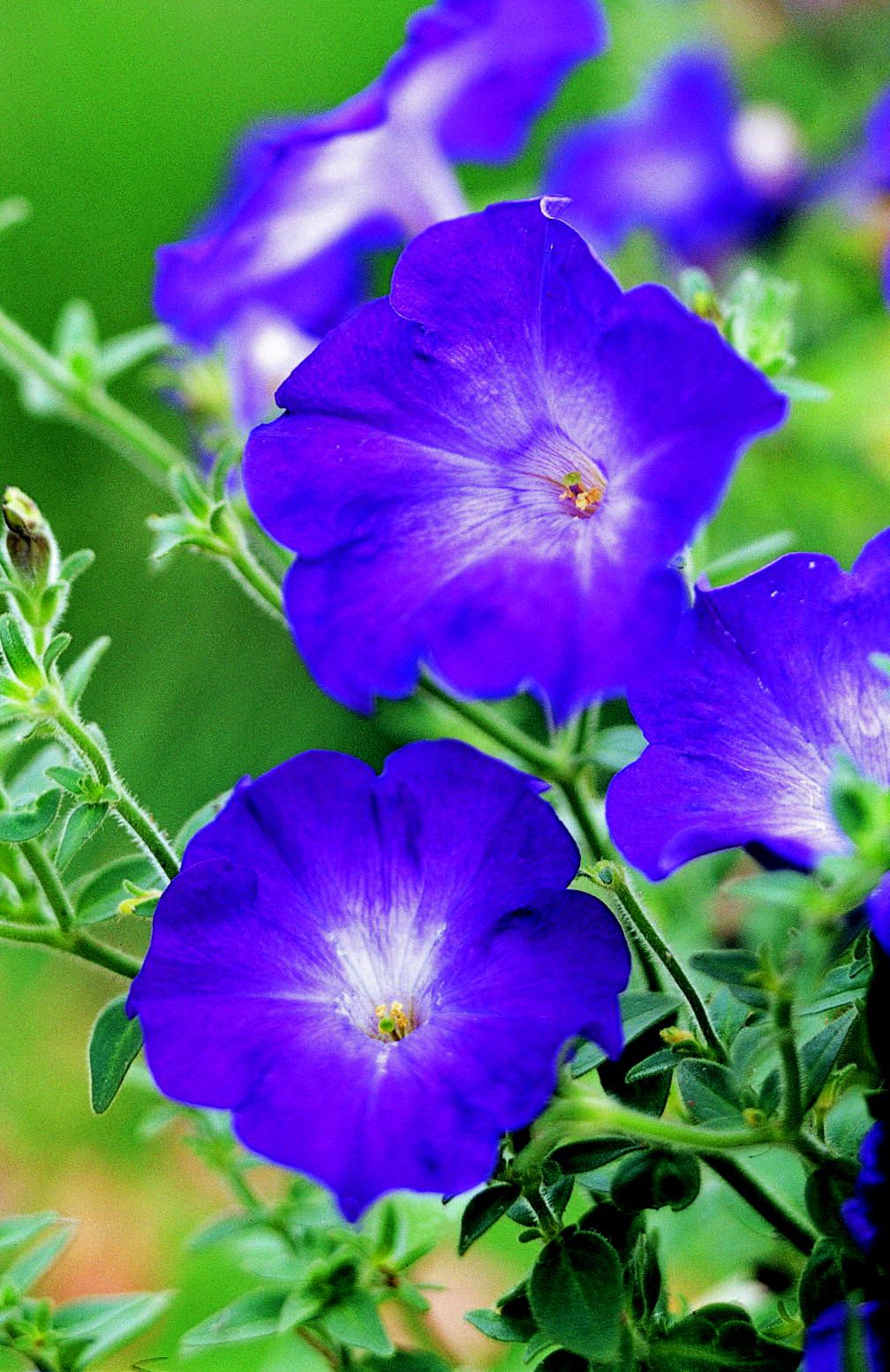
Petunias are the overachievers of the flower world. Give them sunshine, a decent drink, and a little snack now and then, and they will bloom like they are trying to win a county fair ribbon no one even asked for. Whether you want a cheerful border, a spilling hanging basket, or containers that make your porch look suspiciously well organized, petunias are one of the easiest ways to create nonstop color from spring into fall.
If you have ever bought a few petunias, planted them with high hopes, and then watched them turn scraggly by midsummer, do not worry. The plant is not judging you. Petunias are generous bloomers, but they perform best when you match them with the right spot, soil, watering routine, and maintenance schedule. Once you know the basics, they are surprisingly easy to grow well.
Why Gardeners Love Petunias
Petunias are popular for a reason. They bloom for months, come in a huge range of colors, work beautifully in garden beds and containers, and suit both beginner gardeners and people who alphabetize their seed packets for fun. You can find compact mounding types, large-flowered varieties, trailing forms for baskets, and modern vigorous hybrids that spread quickly and practically flower on autopilot.
They are also flexible in design. Petunias can edge a walkway, fill a planter, soften the front of a flower bed, or tumble over the side of a hanging basket like they are auditioning for a gardening magazine cover. Some cultivars even offer fragrance, which is a nice bonus if your garden goals include beauty and bragging rights.
When to Plant Petunias
Plant petunias outdoors in spring after all danger of frost has passed and the soil has started to warm. Petunias are usually grown as annuals in most of the United States, and cold weather can knock them back fast. If a late frost is still possible, wait it out. A dramatic entrance is nice, but not when it ends in frost damage.
If you are buying transplants from a garden center, harden them off for a few days before planting by gradually exposing them to outdoor conditions. This helps reduce transplant shock and gives them a smoother start in the garden.
Choosing the Right Type of Petunia
Grandiflora Petunias
These are known for large, showy flowers. They are eye-catching and theatrical, which is excellent if you want your planters to look a little extra. The tradeoff is that the blooms can be more vulnerable to heavy rain and rough weather.
Multiflora Petunias
These have smaller flowers but more of them. They tend to handle rain and summer weather better, making them a practical choice for flower beds and mass planting.
Milliflora Petunias
Think of these as tiny but mighty. They stay compact, flower heavily, and fit well in containers, borders, and small-space gardens.
Spreading or Trailing Petunias
Wave, Supertunia, and similar trailing types spread vigorously and are ideal for hanging baskets, window boxes, and large containers. They can also act almost like flowering groundcovers in beds.
Where to Plant Petunias
Petunias want full sun. That means at least 6 hours of direct sun a day, and more is usually better for maximum flowering. In too much shade, plants get leggy, bloom less, and look like they have given up on their life goals.
They also need well-drained soil. Petunias dislike soggy roots. If the planting area stays wet after rain, improve drainage with compost, use raised beds, or choose containers instead. A light, fertile soil with a slightly acidic to neutral pH works well. If you have dense clay, petunias may survive, but they will not exactly send you a thank-you note.
How to Plant Petunias in Garden Beds
- Choose a sunny site with good air circulation.
- Loosen the soil and mix in compost or organic matter to improve texture and drainage.
- Dig holes about as deep as the nursery pot and slightly wider than the root ball.
- Set each plant so the top of the root ball sits level with the surrounding soil.
- Backfill gently, firm the soil lightly, and water thoroughly.
- Mulch around the plants to help conserve moisture and reduce soil splash, but keep mulch away from the stems.
Spacing depends on variety, but many standard petunias do well at around 10 to 12 inches apart. Vigorous spreading types often need more elbow room. Cramming them together may look lush for a week, but later it turns into a leafy traffic jam.
How to Plant Petunias in Pots and Hanging Baskets
Petunias are stars in containers, especially trailing varieties. Use a quality potting mix rather than garden soil, and always choose containers with drainage holes. Fresh potting mix drains better, stays airy longer, and gives roots a much healthier start.
In containers, you can plant a little more closely for fullness, but do not overstuff the pot. Petunias grow fast, and a crowded basket can become thirsty, tangled, and cranky by midsummer. Hanging baskets and window boxes dry out much faster than garden beds, so expect to water more often.
Petunia Care: How to Keep Them Blooming
Light
Sunlight is the fuel for flower production. Petunias bloom most heavily in full sun. In very hot climates, a little light afternoon shade can help containers hold up better, but too much shade reduces flowering.
Water
Petunias like consistent moisture, but not soggy soil. In the ground, they usually need deep watering once or twice a week, depending on rainfall, temperature, and soil type. In pots and hanging baskets, you may need to water daily during hot summer stretches.
The goal is simple: do not let them stay bone-dry for long, and do not keep them sitting in wet soil. Water at the base when possible instead of splashing the foliage and flowers, which can help reduce fungal issues.
Fertilizer
Petunias are enthusiastic bloomers, and enthusiastic bloomers eat like teenagers after sports practice. Mix slow-release fertilizer into the soil or potting mix at planting time if you like, then follow up with a balanced liquid fertilizer every couple of weeks. Vigorous spreading petunias often appreciate more frequent feeding.
If your plants have lots of leaves but fewer flowers, they may need more light, more regular feeding, or less nitrogen-heavy fertilizer. More foliage is nice, but most gardeners signed up for flowers, not green negotiation.
Deadheading and Pruning
Older petunia types benefit from deadheading, which means removing spent flowers before they set seed. This encourages the plant to keep producing new blooms instead of shifting energy into seed production. Some newer types are self-cleaning, so they do not need much deadheading, but a little cleanup still improves appearance.
By midsummer, petunias often get leggy. This is normal. Give them a haircut. Trim back long stems by about one-third, then water and fertilize afterward. It feels ruthless, but it usually triggers fresh growth and a new flush of flowers. Think of it as tough love with better curb appeal.
How to Grow Petunias From Seed
Petunias can be grown from seed, but the seeds are tiny enough to make you question your eyesight. Start them indoors about 8 to 10 weeks before your last frost date. Use a sterile seed-starting mix, moisten it first, and sow the seeds on the surface. Do not bury them deeply because petunia seeds need light to germinate.
Keep the tray warm and bright. Germination usually happens in about a week to 10 days under good conditions. Once seedlings develop true leaves, transplant them into cell packs or small pots. Grow them in bright light, keep the soil lightly moist, and harden them off before moving them outdoors.
Starting from seed is a great option if you want specific colors, unusual varieties, or lots of plants for less money. Buying transplants is easier, of course. There is no shame in choosing convenience. The garden police are not coming.
Common Petunia Problems and How to Fix Them
Leggy Growth
Usually caused by not enough sun, not enough pruning, or inconsistent feeding. Move plants to a brighter location if possible and cut back straggly stems.
Few Flowers
Often linked to shade, low fertility, or old blooms left on the plant. Increase sunlight, feed regularly, and deadhead if needed.
Yellow Leaves
This can result from overwatering, poor drainage, nutrient stress, or roots staying too wet. Check soil moisture before watering again and make sure the planting site drains well.
Pests and Disease
Petunias can attract aphids, slugs, and occasionally other soft-bodied pests. Wet foliage and crowded, humid conditions can also invite issues like gray mold or rot. Good air circulation, careful watering, and regular inspection go a long way. If you spot pests early, a strong spray of water or an appropriate garden treatment is often enough.
Best Uses for Petunias in the Landscape
Petunias are not one-trick plants. Try them in these settings:
- Front borders: Compact and mounding types make crisp, colorful edging.
- Containers: Great for porches, patios, balconies, and entryways.
- Hanging baskets: Trailing varieties create lush, overflowing displays.
- Mass plantings: Use one color for dramatic impact or mix shades for a cheerful cottage-garden effect.
- Pollinator-friendly displays: Bright blooms can help attract hummingbirds and other garden visitors.
Quick Seasonal Care Plan
Spring: Plant after frost, feed at planting time, and keep the soil evenly moist while plants establish.
Early Summer: Enjoy the first big flush of flowers, water regularly, and begin light feeding.
Midsummer: Increase watering for containers, trim leggy stems, and fertilize after pruning.
Late Summer to Fall: Keep deadheading if needed, continue feeding, and enjoy blooms until frost shuts down the party.
Conclusion
If you want flowers that deliver maximum color for a manageable amount of effort, petunias are a smart choice. The formula is simple: plant them after frost, give them full sun, use well-drained soil, water consistently, feed them regularly, and trim them when they start looking tired. That is the whole secret. No ancient gardening scroll required.
Once you understand their rhythm, petunias stop being fussy and start being fantastic. They reward ordinary care with extraordinary bloom power, which is exactly the kind of relationship most gardeners are looking for.
Extra Experience Section: What Growing Petunias Taught Me
The first time I planted petunias, I treated them like decorative confetti. I tucked them into a flower bed, admired them for two days, and assumed they would handle the rest. For a few weeks, they looked amazing. Then summer showed up with all the subtlety of a marching band. The flowers slowed down, the stems stretched, and the whole planting began to look less “garden inspiration” and more “floral cautionary tale.” That was the moment I learned petunias are easy to grow, but they still appreciate a gardener who pays attention.
The biggest lesson was sunlight. I had originally placed some petunias where they received bright light but not quite enough direct sun. They survived, but they never really performed. Once I moved a fresh batch into a sunnier location, the difference was obvious within days. More flowers, tighter growth, better color, and a stronger overall look. It was one of those gardening moments that makes you realize the plant was not being dramatic. It was just being honest.
I also learned that petunias in containers live by different rules than petunias in the ground. In garden beds, they were fairly relaxed. In pots, they became tiny, thirsty landlords demanding rent every single day in July. Miss one watering, and the leaves drooped like a silent but powerful form of protest. After that, I got smarter and started checking containers every morning during hot weather. That one habit changed everything.
Feeding mattered more than I expected too. Before, I assumed flowering annuals could coast on good intentions and whatever nutrients happened to be in the soil. Petunias strongly disagreed. Once I started fertilizing on a schedule, blooming improved noticeably. The plants stopped looking like they were merely hanging on and started acting like they had career ambitions.
The hardest lesson was pruning. Cutting back a plant that is already blooming feels a little wrong, like interrupting a concert to tune the instruments. But midsummer trimming worked every time. I would cut the plants back, water them well, feed them, and within a couple of weeks they would return fuller and fresher than before. It felt like magic, except it was really just horticulture and a willingness to stop being sentimental with the shears.
Now, when I grow petunias, I think of them as generous but direct. They are not difficult plants. They are clear communicators. Too much shade? Fewer blooms. Too little water? Sad leaves. No fertilizer? Weak performance. A little pruning? Huge comeback. In that sense, petunias may be some of the best teachers in the garden. They respond quickly, forgive a lot, and reward even modest improvements with weeks of color. That is a pretty good deal for a flower that started out looking so innocent at the nursery.