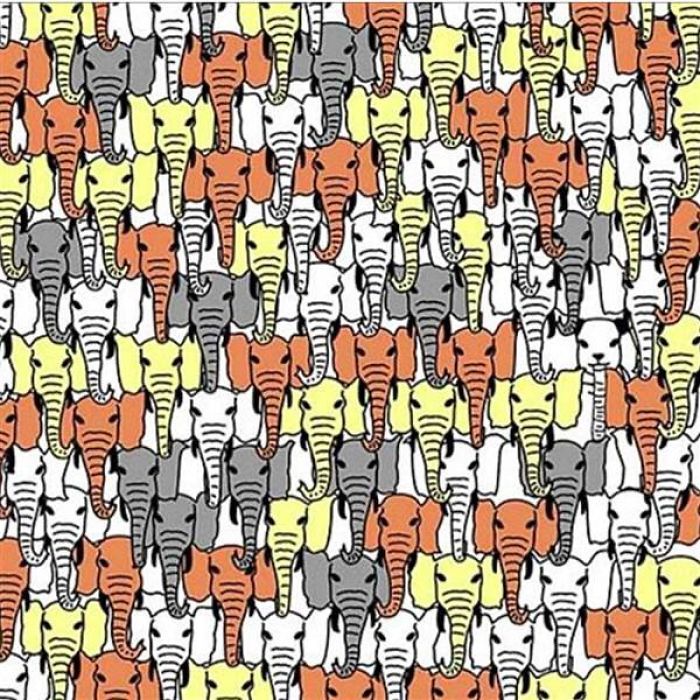
Ready? Put down the coffee, silence the group chat, and give your eyeballs one job: find the hidden panda before 30 seconds disappear. It sounds like the kind of internet challenge invented during a very slow afternoon, but there is a reason these puzzles grab people so quickly. A hidden panda puzzle turns a simple picture into a tiny adventure. Suddenly, you are not scrolling. You are hunting.
Some people spot the panda immediately and act suspiciously casual about it. Others inspect every corner, squint at every fluffy shape, and begin wondering whether the panda has hired a lawyer and left the country. Both reactions are completely normal. Hidden-object challenges are designed to make your attention work harder than usual, especially when the target looks similar to everything around it.
This is your invitation to slow down, look carefully, and enjoy the harmless chaos of a visual brain teaser. The prize is not money, fame, or a bamboo buffet. The prize is the deeply satisfying moment when your brain suddenly says, “There you are, you sneaky little bear.”
The 30-Second Hidden Panda Challenge
Before reading any tips, imagine a busy illustration packed with animals, objects, shadows, and enough visual clutter to make your eyes request overtime pay. Somewhere inside it is one panda. Your mission is simple: find it in less than 30 seconds.
Challenge rules: Do not zoom in immediately. Do not ask the nearest person for help. Do not claim the panda “does not exist” after seven seconds. Start at one edge of the picture, scan methodically, and give yourself a fair shot.
The funny part is that hidden panda games rarely test whether someone has “good eyes” in a simple sense. They test how efficiently a person searches through a crowded scene. When there are many distractors, the brain has to decide what deserves attention and what can be ignored. That is why one player may find the panda in five seconds while another studies the image long enough to develop a personal relationship with every nearby tree.
Why Hidden Panda Puzzles Feel So Addictive
A hidden panda puzzle is a classic example of a visual search challenge. Your eyes take in a large amount of information, but your attention cannot inspect every detail with equal intensity at the same time. Instead, your brain jumps from area to area, looking for features that match the target.
In this case, the target is usually a panda’s familiar combination of black-and-white coloring, rounded ears, dark eye patches, and generally adorable “I did nothing wrong” energy. Puzzle designers know that people search for those features. So they hide them among objects with similar shapes, colors, or outlines.
That is the sneaky magic. A black-and-white umbrella may resemble panda ears. A pair of dark circles may look like eyes. A white object with dark corners can make your brain shout “PANDA!” before realizing it has spent 12 seconds staring at a soccer ball.
Your Brain Loves a Near-Miss
The closer an object looks to the thing you want to find, the more likely it is to pull your attention away. That is why a difficult hidden panda illustration often includes lots of black-and-white objects, rounded faces, animals, leaves, clouds, or decorative patterns.
These almost-pandas are called distractors in visual-search research. They are not evil, exactly. They are just tiny professional time-wasters. Their job is to make your eyes pause, compare, reject, and continue.
That process is part of the fun. Every false alarm creates a little burst of suspense: maybe this one is it, maybe this one is it, nope, apparently that is a raccoon wearing a scarf.
The “I Can’t Believe I Missed It” Moment
Most people have experienced the strange moment when they finally find a hidden object and wonder how it escaped notice for so long. The answer is not that the object magically appeared. Your attention simply had not landed on the right features yet.
Humans can miss surprisingly obvious things when focused on a different task. This is often called inattentional blindness. In daily life, it can explain why you walk past your keys while actively searching for your keys, then accuse the keys of betrayal. In a panda puzzle, it explains why the target can sit in plain sight while your brain remains convinced that it must be hiding behind a fictional bush.
What Makes a Hidden Panda Puzzle Difficult?
Not all visual brain teasers are equally tricky. A panda standing alone on a plain white background is not a puzzle. It is a wildlife portrait with excellent lighting. A proper hidden panda challenge needs a few ingredients.
1. Target-Distractor Similarity
The more the surrounding objects resemble a panda, the harder the search becomes. A panda hidden among black-and-white cats, plush toys, penguins, snowmen, umbrellas, or spotted objects will be more difficult to locate than one hidden among bright red apples.
Good puzzle design uses similarity without becoming unfair. The panda should be hidden, not erased from existence. Readers should eventually be able to find it and feel clever, not feel as though the illustrator has declared war on human vision.
2. Visual Clutter
A crowded picture increases the challenge because there are more possible places to inspect. Busy city scenes, forests, classrooms, animal parades, and chaotic kitchens are all perfect settings for hidden-object puzzles.
Visual clutter is especially effective when objects overlap. One dark patch might belong to a panda, a backpack, a shadow, or a suspiciously fashionable squirrel. The more layers a scene contains, the more carefully the viewer must search.
3. Clever Placement
The best hidden panda is not necessarily tucked into the darkest corner. Sometimes the cleverest placement is right near the center, where readers assume it cannot possibly be. That is a classic puzzle trick: hide the answer where people are least likely to look because they are expecting something more dramatic.
A panda may blend into a group of animals, a patterned wall, a pile of stuffed toys, or a patch of snow and rocks. In nature, giant pandas have distinctive black-and-white markings, and scientists have explored how those contrasting patterns can help them blend with varied backgrounds. In a puzzle, that same visual contrast becomes a designer’s favorite mischief-making tool.
How to Find the Hidden Panda Faster
There is no need to develop elite detective skills or purchase a magnifying glass from a mysterious shopkeeper. A few simple search habits can make hidden object games more manageable.
Scan in Sections, Not in Panic
Instead of letting your eyes bounce randomly around the picture, divide the image into smaller zones. Start in the top-left corner, move across the top, then work downward. Think of it as mowing a lawn, except the lawn contains 400 cartoon animals and one bear who refuses to cooperate.
A systematic scan reduces the chance that you keep checking the same areas while accidentally ignoring an entire corner of the image.
Search for Features, Not Just “A Panda”
Your brain may search more efficiently when you look for individual features. Try spotting round black ears first. Then look for dark eye patches. Then scan for a white face with black details. Breaking the target into smaller visual clues can keep the task from feeling overwhelming.
Of course, puzzle creators know this trick too. That is why they often scatter fake ears, circles, patches, and high-contrast shapes everywhere. It is a friendly duel between your attention and their imagination.
Change Your Viewing Distance
If you are using a phone, gently zooming out may help you notice a shape that is difficult to see up close. If you are looking at a printed puzzle, lean back for a few seconds. A wider view can reveal patterns that disappear when you focus too closely on tiny details.
Then return to the image and inspect suspicious areas. Your eyes are not giving up; they are simply changing strategy.
Take a Five-Second Reset
When you stare at the same puzzle for too long, every object begins to look mildly panda-shaped. At that point, pause. Look away. Blink. Take a breath. Come back with fresh attention.
This tiny reset can be surprisingly useful because it interrupts the habit of repeatedly searching the same wrong places. Your brain may notice something new once it stops arguing with the previous plan.
Do Hidden-Object Puzzles Actually Help Your Brain?
Hidden panda games are enjoyable ways to practice attention, observation, patience, and visual problem-solving in the moment. They can also offer a pleasant break from passive scrolling. Still, it is important not to treat a single puzzle as an intelligence test, a medical assessment, or a magic “brain upgrade” button.
Research on puzzles and mentally stimulating activities suggests that these activities can engage skills such as attention, memory, and visuospatial reasoning. However, experts also caution against exaggerated claims that one type of game can prevent all memory problems or transform someone into a genius by Tuesday.
The healthiest way to think about hidden panda puzzles is simple: they are fun, they can make you focus, and they may encourage curiosity. That is already a pretty good deal for an activity that involves looking for a small bear in a noisy picture.
Why Pandas Make the Perfect Hidden-Object Stars
Pandas are instantly recognizable. Their black ears, dark eye patches, white faces, and rounded bodies create a visual design that is easy to remember. That makes them ideal for hidden-object challenges because readers know what they are looking for before the timer even starts.
They are also naturally funny. A hidden tiger may feel dramatic. A hidden owl may feel mysterious. A hidden panda feels like it is probably sitting behind a lamp, eating snacks, and pretending it does not hear you calling its name.
There is another reason panda puzzles work so well: contrast. A panda’s color pattern can stand out in one setting and disappear in another. Puzzle creators can place black-and-white shapes around the scene, use shadows and patterns, and make the panda blend into a background without making it impossible to find.
Make Your Own Hidden Panda Challenge
Creating a hidden panda puzzle is easier than it looks, although making a truly good one requires a bit of planning. Start with a lively scene: a zoo, a library, a city park, a toy store, a winter festival, or a forest full of animals.
Place the panda somewhere fair but unexpected. Avoid putting it in a corner with no nearby distractions. Instead, hide it near objects that echo its features: black buttons, white pillows, round balloons, animal faces, shadows, or patterned clothing.
Then test the puzzle on a few people. If everyone finds the panda in one second, make it harder. If nobody finds it after two minutes and several people begin questioning reality, make it easier. The sweet spot is when readers feel challenged, laugh at their own near-misses, and celebrate when they finally solve it.
Common Hidden Panda Puzzle Mistakes
Making the Panda Too Tiny
Small does not always mean difficult. It can simply mean frustrating, especially on mobile screens. A good puzzle should reward careful observation, not force people to pinch-zoom until their fingers file a complaint.
Using Too Many Unrelated Distractions
A crowded scene is fun, but random clutter can make a puzzle feel messy rather than clever. The best distractors have a visual connection to the panda’s shape, color, or location.
Forgetting the Payoff
Every hidden object puzzle needs a satisfying reveal. Once readers find the panda, they should be able to see why it was difficult to spot. A clear answer image, a highlighted circle, or a follow-up explanation can make the challenge feel complete.
The Real Fun Is Not Just Finding the Panda
The hidden panda is only part of the experience. The real entertainment comes from the small drama around it. Someone will find it instantly and become unbearably pleased with themselves. Someone else will insist the answer is incorrect. A third person will find three fake pandas and somehow miss the real one twice.
That is why visual challenges work so well online. They invite people to compare results, share guesses, tease friends, and return for another round. They are simple enough for almost anyone to try, yet different enough that every person’s search strategy feels personal.
So, can you find the hidden panda in less than 30 seconds? Maybe. But whether you solve it instantly or need a little longer, the important thing is that you looked closely, enjoyed the chase, and did not accuse the panda of using invisible technology.
Experiences From the Hidden Panda Hunt
There is a particular kind of confidence people bring to a hidden panda challenge. It begins with, “This will take me five seconds.” The timer starts. The confidence survives for roughly four seconds. Then the picture becomes a chaotic universe of circles, shadows, faces, and objects that all seem to have entered into a secret agreement to resemble a panda.
One reader might begin with a highly organized method. They scan left to right, top to bottom, carefully checking each section. For the first 10 seconds, they feel like a professional investigator. By the 15-second mark, the system starts to wobble. A black-and-white pillow looks suspicious. A dog with dark ears becomes a prime suspect. A cloud somehow feels guilty.
Another reader takes the opposite approach: pure intuition. Their eyes jump immediately to the center of the picture, then the edges, then back to the center, then to an object that is clearly a bicycle but has “panda vibes.” This strategy can work. It can also lead to the strange experience of locating every possible animal except the one you were asked to find.
Families often turn hidden-object games into cheerful chaos. A child may spot the panda instantly because they are less likely to overthink the search. An adult may spend a full minute analyzing every detail, then receive the answer from a seven-year-old who points at the screen and says, “It is right there.” Nothing humbles a person faster than losing a visual puzzle to someone who still needs help reaching the cereal shelf.
Friends can make the challenge even more dramatic. One person declares victory but refuses to reveal the answer. Another person demands hints. A third person suddenly claims they found it “a long time ago” but was being polite. Meanwhile, the hidden panda sits quietly in the picture, enjoying the attention without contributing anything useful.
The best part comes after the reveal. Once the panda is pointed out, nearly everyone says some version of, “Oh, come on. That was obvious.” It was not obvious 20 seconds ago when you were examining a decorative lamp as though it held the answer to the universe, but that is exactly what makes the puzzle satisfying.
Hidden panda challenges also make great screen-break activities. They are short, low-pressure, and easy to share. You do not need special equipment, advanced knowledge, or a complicated rulebook. You only need a picture, a little patience, and the willingness to admit that a cartoon panda can outsmart you for half a minute.
In the end, the experience is less about winning than noticing how your attention works. Some people search quickly. Some search carefully. Some search everywhere except the correct spot. All of them get the same reward when the panda is finally found: a small flash of delight, followed by the urge to send the puzzle to someone else and say, “I’ll bet you can’t find it.”
Conclusion
A hidden panda puzzle may look like a small internet distraction, but it combines visual attention, curiosity, strategy, and a healthy dose of silliness. The challenge is not a measure of intelligence, eyesight, or personal worth. It is simply a fun chance to slow down and notice details that your brain might otherwise skip.
Whether you spot the panda in three seconds or 30, the experience reminds us that looking is not the same as seeing. Sometimes the answer is hidden in plain sight. Sometimes it is disguised as a decorative pillow. And sometimes it is a panda sitting quietly in the middle of the picture, waiting for you to stop staring at the raccoon.