Smelly feet can turn a peaceful shoe-removal moment into a small household emergency. One second you are relaxing after school, work, a workout, or a long day of errands; the next, your sneakers are announcing their presence like they paid rent. The good news? Foot odor is common, manageable, and usually not a sign that your feet have betrayed you forever.
The main keyword here is simple: how to stop smelly feet. The real answer is a little more interesting. Foot odor, also called bromodosis, usually happens when sweat, bacteria, dead skin, socks, and shoes team up like a tiny villain squad. Sweat itself is not always the problem. The odor often comes from bacteria and fungi that thrive in warm, damp places and produce unpleasant-smelling byproducts.
That means the best remedies for smelly feet focus on three goals: reduce moisture, lower bacteria and fungus, and stop shoes from becoming odor storage units. Below are eight remedies that actually work, plus practical tips, examples, and real-life experience notes to help you build a foot-care routine that does not feel like a full-time job.
Why Do Feet Smell So Bad?
Your feet have lots of sweat glands, and they spend much of the day trapped inside socks and shoes. That creates a warm, moist environment where odor-causing bacteria can multiply. Add tight shoes, synthetic socks, repeated wear, poor drying habits, athlete’s foot, or excessive sweating, and suddenly your shoes smell like they are hiding a science experiment.
Common causes of smelly feet include:
- Wearing the same shoes every day without letting them dry
- Using socks that trap moisture instead of wicking it away
- Not drying between the toes after bathing
- Sweaty feet, also known as plantar hyperhidrosis
- Fungal infections such as athlete’s foot
- Dirty toenails, dead skin buildup, or poor foot hygiene
- Non-breathable shoes made from materials that hold heat and moisture
Fortunately, most cases improve with consistent home care. The trick is not to do one dramatic foot soak and then return to wearing the same damp sneakers for five straight days. Feet appreciate consistency. They are humble workers. Treat them well, and they usually stop sending distress signals.
How To Stop Smelly Feet: 8 Remedies That Work
1. Wash Your Feet Daily With Soap and Water
The first remedy sounds almost too obvious, but it is the foundation of every foot odor treatment: wash your feet every day. A quick splash in the shower is not enough. Your feet need actual attention, especially between the toes, where moisture and bacteria love to hide like they are avoiding rent.
Use warm water and mild soap. If your feet are especially sweaty or odor-prone, gently scrub the soles, the spaces between toes, and around the toenails with a washcloth. This helps remove sweat, dead skin cells, and bacteria before they become odor fuel.
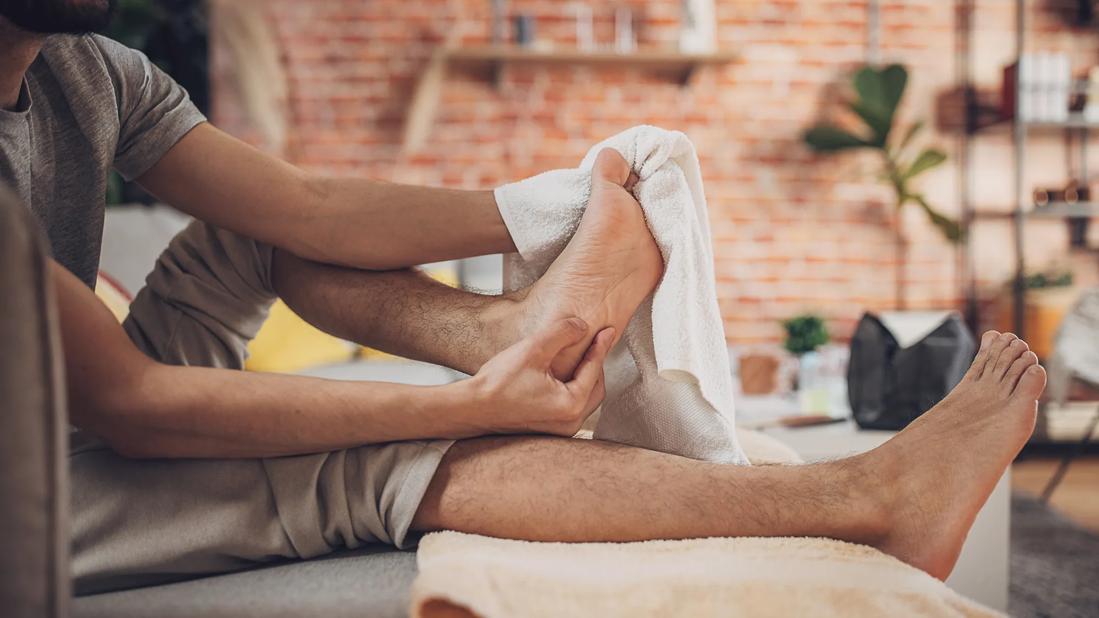
After washing, dry your feet thoroughly. This step matters just as much as washing. Damp skin between the toes can encourage odor and fungal growth. Use a clean towel and take a few extra seconds between each toe. Yes, it feels oddly specific. Yes, it works.
2. Keep Feet Dry All Day
Moisture is the main stage where foot odor performs its loudest concert. If you want to stop smelly feet, you need to keep them dry before, during, and after the day’s activities.
Start by drying your feet completely after showers, swimming, sports, or rain exposure. If your feet sweat during the day, carry an extra pair of socks and change them around midday or after exercise. This one habit can make a huge difference, especially for students, athletes, service workers, healthcare workers, warehouse workers, and anyone who spends long hours on their feet.
You can also use foot powder, cornstarch-based powder, or antifungal powder if your feet are frequently damp. These products help absorb moisture and reduce the swampy shoe environment that bacteria adore. Apply powder to clean, dry feet before putting on socks. Do not pile it on like cake flour; a light, even layer is enough.
3. Wear Moisture-Wicking Socks
Socks are not just foot decorations. They are your first line of defense against odor. Cotton socks may feel comfortable, but they can hold moisture against the skin. For sweaty feet, moisture-wicking socks are often a better choice.
Look for socks made from wool blends, acrylic blends, polyester performance fabric, or other materials designed to pull moisture away from the skin. These help feet stay drier and reduce the chance of odor buildup.
Change socks daily at minimum. If your feet sweat heavily, change them twice a day. After sports, gym class, hiking, running, or a long shift, do not leave sweaty socks on “just for a little while.” That little while is when odor begins writing its memoir.
Also, avoid wearing damp socks from a previous workout. Reusing sweaty socks is basically sending bacteria a handwritten invitation.
4. Rotate and Air Out Your Shoes
Shoes need rest days too. Wearing the same pair every day does not allow them enough time to dry completely. Even if they feel dry on the outside, moisture can remain trapped inside the lining, insole, or toe box.
Try rotating between at least two pairs of shoes. Let each pair air out for 24 hours before wearing again. Remove insoles when possible and place shoes in a well-ventilated area. Avoid stuffing damp shoes into gym bags, closets, or dark corners where air circulation is poor.
Choose breathable shoes when you can. Leather, mesh, canvas, and ventilated athletic shoes usually allow better airflow than plastic or rubber-heavy footwear. If your daily shoes are required for work or school, consider using odor-fighting insoles and replacing them regularly.
For shoes that already smell, sprinkle a small amount of baking soda inside overnight, then shake it out before wearing. You can also use shoe deodorizer sprays or removable odor-control inserts. Just remember: sprays can help, but they do not replace washing feet and drying shoes. They are backup singers, not the main act.
5. Use Antiperspirant on Sweaty Feet
If sweat is the main reason your feet smell, antiperspirant can help. Many people think antiperspirant is only for underarms, but it can also be used on feet when applied correctly. Antiperspirants reduce sweating by temporarily blocking sweat ducts. Less sweat means less moisture for bacteria to enjoy.
Apply antiperspirant to clean, completely dry feet, usually at night. Nighttime application gives the product time to work while your sweat glands are less active. In the morning, wash or wipe as directed and put on clean socks. Always follow the product label, and stop using it if irritation occurs.
For very sweaty feet, a dermatologist or podiatrist may recommend stronger prescription antiperspirants or treatments for hyperhidrosis. If your socks are soaked every day, your shoes are constantly damp, or sweating interferes with normal activities, it is worth asking a healthcare professional for help.
6. Try a Vinegar Foot Soak Carefully
A vinegar soak may help reduce odor because vinegar creates an environment that is less friendly to some bacteria. A common approach is to mix one part vinegar with two parts warm water and soak the feet for 15 to 20 minutes, about once a week.
White vinegar or apple cider vinegar can be used. After soaking, rinse if desired and dry thoroughly, especially between the toes. The goal is not to pickle your feet. The goal is to reduce odor-causing buildup gently.
Important safety note: do not use vinegar soaks if you have cuts, open sores, cracked skin, irritated skin, diabetes-related foot problems, or poor circulation. Vinegar can sting and may worsen irritation. If you have sensitive skin, test cautiously or skip this remedy.
Also, vinegar soaks are not a cure for athlete’s foot or toenail fungus. They may reduce odor, but fungal infections often require antifungal treatment.
7. Exfoliate Dead Skin and Trim Toenails
Dead skin can trap bacteria and odor. Regular gentle exfoliation helps remove buildup from the soles and heels. Use a pumice stone, foot file, or gentle scrub after bathing when skin is softer. Do not scrub aggressively. Your goal is smooth skin, not sanding furniture.
Pay attention to toenail hygiene too. Keep nails trimmed straight across and clean underneath them carefully. Long toenails can trap sweat, dirt, sock lint, and bacteria. Very short or poorly cut nails can increase the risk of ingrown toenails, so aim for neat, comfortable trimming.
If you notice thickened, yellow, crumbly, or foul-smelling toenails, you may have toenail fungus. Over-the-counter products may help mild cases, but persistent nail fungus often needs medical treatment. A podiatrist can confirm the issue and suggest the right plan.
8. Treat Athlete’s Foot or Fungal Infection
Sometimes smelly feet are not just sweaty feet. Athlete’s foot, also called tinea pedis, is a common fungal infection that can cause itching, peeling, burning, cracking, scaling, and odor. It often develops between the toes, especially when feet stay warm and damp.
Over-the-counter antifungal creams, sprays, or powders can treat many mild cases. Common antifungal ingredients include terbinafine, clotrimazole, miconazole, and tolnaftate. Follow the directions carefully and continue treatment for the recommended time, even if symptoms improve early.
To prevent athlete’s foot from coming back, keep feet dry, change socks regularly, wear breathable shoes, and use sandals or shower shoes in public locker rooms, pools, and shared showers.
See a healthcare professional if symptoms do not improve after a few weeks of self-care, if the rash spreads, if you have diabetes, or if you notice swelling, pus, severe pain, or open sores. Feet are useful. Do not gamble with them.
When Should You See a Doctor for Smelly Feet?
Most foot odor improves with home remedies, but some situations need professional care. See a podiatrist, dermatologist, or primary care provider if:
- Foot odor continues despite consistent hygiene and shoe changes
- Your feet sweat excessively every day
- You have itching, peeling, cracking, burning, or a rash
- Your toenails are thick, discolored, painful, or foul-smelling
- You have diabetes, poor circulation, or nerve problems in your feet
- You notice open sores, swelling, redness, drainage, or worsening pain
Persistent odor may be linked to hyperhidrosis, fungal infection, bacterial overgrowth, footwear problems, or an underlying skin condition. A professional can help identify the cause instead of making you guess in the shoe aisle while holding three different powders and questioning your life choices.
Daily Foot Odor Prevention Routine
If you want a simple plan, use this daily routine:
- Wash feet with soap and water.
- Dry thoroughly, especially between toes.
- Apply foot powder or antiperspirant if needed.
- Wear clean moisture-wicking socks.
- Choose breathable shoes.
- Change socks after sweating.
- Air out shoes after wearing.
- Rotate shoes instead of wearing the same pair daily.
This routine is not glamorous, but it works. Think of it as basic maintenance, like charging your phone or brushing your teeth. Your feet carry you everywhere. The least you can do is not make them live in a damp sneaker cave.
Best Socks and Shoes for Smelly Feet
The best socks for smelly feet are breathable and moisture-wicking. Look for labels that mention moisture control, performance fabric, merino wool, acrylic blends, or odor resistance. Avoid wearing heavy cotton socks during sweaty activities unless you plan to change them soon afterward.
The best shoes for foot odor are breathable, properly fitted, and easy to dry. Tight shoes increase sweating and friction. Shoes that are too loose can rub and create irritation. A good fit lets your feet breathe without sliding around.
If possible, avoid wearing the same closed-toe shoes every day. Sandals or open shoes can help when appropriate. For athletic shoes, remove insoles after workouts and let everything dry before the next wear. If the inside of your shoe smells permanently bad, it may be time to replace the insoles or the shoes. Some shoes reach a point of no return. We thank them for their service and move on.
Common Mistakes That Make Foot Odor Worse
Even people who shower daily can struggle with smelly feet because odor is not just about general cleanliness. Small habits can make the problem worse.
- Putting clean feet into dirty shoes: This restarts the odor cycle immediately.
- Skipping the toe-drying step: Damp spaces between toes encourage odor and fungus.
- Wearing cotton socks all day: Cotton can hold sweat against the skin.
- Using fragrance only: Perfume or deodorizing spray may mask odor but does not fix moisture.
- Ignoring athlete’s foot: Fungal infections can keep odor coming back.
- Never replacing insoles: Insoles absorb sweat and bacteria over time.
of Real-Life Experience: What Actually Helps Smelly Feet Day to Day
Here is the honest experience-based part: stopping smelly feet usually works best when you stop treating it like a one-time problem and start treating it like a routine. Most people try one big fix first. They buy a spray, blast their shoes, feel hopeful, and then wear the same socks and shoes the next day. By evening, the odor returns like a sequel nobody requested.
The biggest real-world improvement often comes from changing socks more often. It sounds boring, but it is powerful. For example, someone who goes to school, works a shift, plays basketball, or walks around in humid weather may need a fresh pair halfway through the day. A clean sock change can feel almost magical because it removes sweat before bacteria have all day to party.
Another practical lesson: shoes are usually part of the problem. Many people wash their feet carefully but put them right back into shoes that have been collecting sweat for months. That is like showering and then putting on yesterday’s wet towel. Rotating shoes gives each pair time to dry. If you only own one main pair, removing the insoles overnight and placing the shoes somewhere airy can still help.
Foot powder is useful, but only when used correctly. Applying powder to already sweaty feet is less effective. It works better on clean, dry skin before socks go on. A little powder inside shoes can also help, but too much can clump. When powder turns into paste, nobody wins.
Antiperspirant is another underrated option. People often try scented foot sprays first because they seem more obvious. But if sweating is the root cause, reducing sweat is more effective than covering odor with “mountain breeze” fragrance. Otherwise, the result can be sweaty foot odor plus artificial pine forest, which is not exactly an upgrade.
Vinegar soaks can help some people, especially when odor is mild to moderate. The important part is moderation. Soaking every day or using a strong vinegar mixture can irritate skin. Once a week is plenty for many people. If the skin burns, cracks, or gets red, stop. Feet should not feel like they are being punished for their crimes.
The most overlooked clue is itching or peeling between the toes. When odor comes with peeling, burning, cracking, or a rash, athlete’s foot may be involved. In that case, hygiene alone may not solve the problem. An antifungal product used consistently is often needed. Many people stop treatment as soon as the itching improves, but fungus can return if treatment is ended too early.
Finally, confidence matters. Smelly feet can be embarrassing, especially when visiting friends, trying on shoes, going to yoga, or entering a no-shoes home. But it is common and fixable. The best routine is simple: wash, dry, change socks, rotate shoes, manage sweat, and treat fungus if present. Do that consistently for a couple of weeks, and most feet become much less dramatic.
Conclusion
Learning how to stop smelly feet is mostly about controlling moisture and reducing the bacteria or fungi that create odor. Start with daily washing, careful drying, clean moisture-wicking socks, breathable shoes, and shoe rotation. Add foot powder or antiperspirant if sweat is a major issue. Try vinegar soaks cautiously, exfoliate dead skin, keep toenails clean, and treat athlete’s foot if symptoms point to a fungal infection.
Smelly feet may be annoying, but they are rarely unbeatable. With a practical routine and a little consistency, your feet can go from “clear the room” to “totally normal human feet.” That is a victory worth celebrating quietly, preferably in fresh socks.