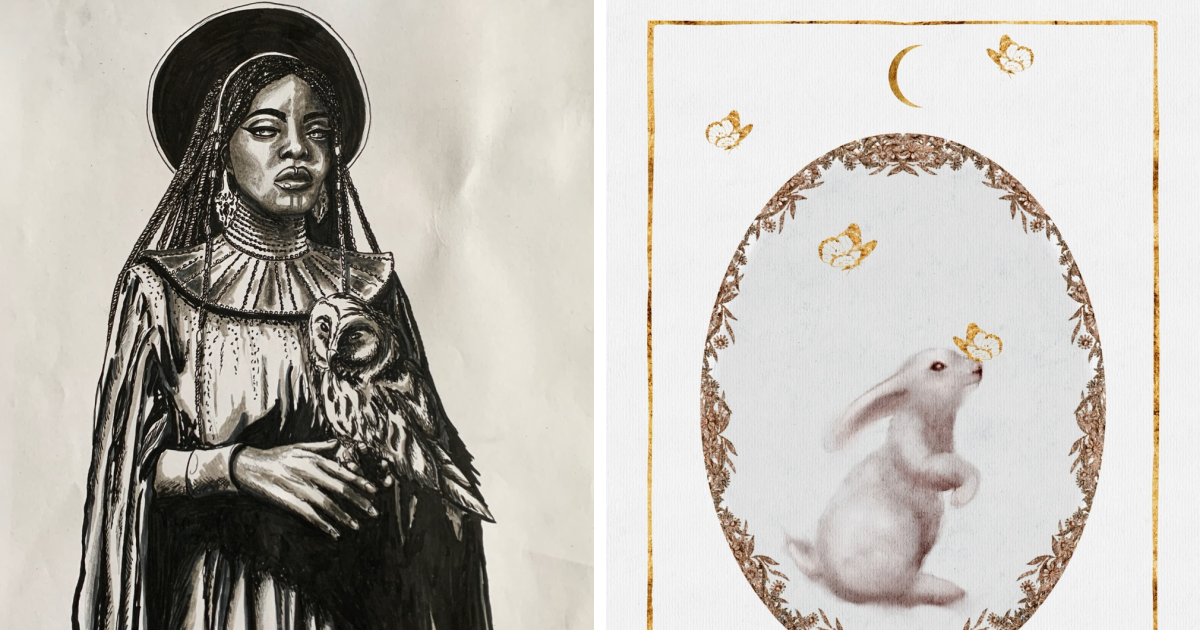
Every artist has one piece that makes them pause, smile, and think, “Yes, tiny past version of me, you did something good.” It might not be the most technically perfect drawing. The perspective may be suspicious. The hands may look like boiled noodles. The cat may look like a tax accountant wearing fur. But somehow, that drawing or painting carries a spark that makes it special.
That is the charm behind the community-style prompt: “Hey Pandas, post your favorite drawing or painting you have done.” It is not just a request for pretty pictures. It is an invitation to share effort, imagination, growth, mistakes, experiments, and that oddly satisfying moment when a blank page finally becomes something alive. Whether the artwork is a polished oil painting, a digital portrait, a sketchbook doodle, a watercolor landscape, or a pencil dragon drawn during algebra class, it deserves a little applause.
In a digital world full of filters, trends, and suspiciously perfect feeds, handmade art feels refreshingly human. A favorite drawing or painting tells a story: what inspired the artist, what materials they used, what they struggled with, and why that piece still matters. Sometimes the favorite piece is a masterpiece. Sometimes it is a lopsided mushroom with emotional depth. Both are valid. The mushroom might even have range.
Why People Love Sharing Their Favorite Drawings and Paintings
Sharing art online has become one of the most natural ways for creative people to connect. Community prompts work because they remove pressure. Instead of asking, “Are you a professional artist?” they ask, “What have you made that you love?” That tiny shift changes everything. It welcomes beginners, hobbyists, students, digital artists, painters, illustrators, and people who say “I’m not an artist” while casually producing a stunning watercolor fox at 2 a.m.
Online art communities also create a gallery without velvet ropes. You do not need a museum wall, a collector, or a dramatic artist statement involving moonlight and existential soup. You can simply upload your favorite painting and say, “I made this, and I’m proud of it.” That pride matters. Art is personal, and showing it to others can feel both exciting and terrifying, like introducing your diary to a room full of strangers.
The best responses to art prompts often include variety. One person posts a detailed graphite portrait. Another shares a cheerful acrylic painting of a sunflower. Someone else uploads a digital fantasy creature with glowing horns, because apparently regular deer were not dramatic enough. Together, these pieces form a colorful snapshot of what people notice, imagine, and care about.
What Makes a Drawing or Painting Someone’s Favorite?
A favorite artwork is not always the “best” artwork by traditional standards. It may be the one that taught the artist patience. It may be the first painting that looked close to the picture in their head. It may be a gift for a friend, a memorial for a pet, a fan art piece, a self-portrait, or a landscape from a place they miss. Favorite art is often tied to emotion, not just technique.
It Captures a Memory
Some drawings become favorites because they preserve a moment. A quick sketch of a grandmother’s kitchen, a painting of a childhood home, or a watercolor of a rainy street can feel like a time capsule. The lines may be simple, but the memory behind them gives the piece weight.
It Shows Real Progress
Artists love progress, especially when it sneaks up on them. A painting may become special because it proves the artist improved at shading, color blending, anatomy, composition, or finally drawing both eyes looking in the same direction. That last one deserves a parade.
It Was Difficult but Worth It
Some favorite pieces are born from artistic wrestling matches. Maybe the artist repainted the background six times. Maybe the hand looked like a haunted spatula until the seventh attempt. Maybe the watercolor refused to behave, as watercolor often does because it is basically pigment with a rebellious personality. When the final piece works, the struggle becomes part of the satisfaction.
The Value of Drawing: More Than “Just a Sketch”
Drawing is often treated as the warm-up act for painting, but it is a powerful art form on its own. A simple pencil drawing can reveal movement, mood, humor, and personality with only a few lines. Museums and art educators often emphasize drawing because it trains observation. When artists draw, they learn to see shapes, proportions, edges, shadows, and relationships between objects more clearly.
That is why sketching from life remains such a classic practice. Drawing a coffee mug may not sound heroic, but it teaches form, light, and patience. Drawing a face teaches structure and expression. Drawing hands teaches humility. Lots and lots of humility.
For beginners, drawing is also wonderfully accessible. You do not need expensive materials to begin. A pencil, paper, and a willingness to make some truly questionable early attempts are enough. The first sketches may look awkward, but awkward is not failure. Awkward is the art learning to stand up.
The Joy of Painting: Color, Texture, and Happy Accidents
Painting adds another layer of expression: color. A painting can feel warm, eerie, peaceful, dramatic, silly, nostalgic, or completely unhinged depending on the palette. Acrylics, oils, gouache, watercolor, and digital brushes all have different personalities. Acrylic paint is fast and flexible. Oil paint is rich and slow. Watercolor is delicate, unpredictable, and occasionally behaves like it has weekend plans you were not told about.
What makes painting exciting is the balance between control and surprise. Artists can plan a composition carefully, but paint still has its own movement. A drip, smear, bloom, or unexpected blend can become the best part of the piece. Many painters learn to stop fighting every accident and start asking, “Can I use this?” That question is where creativity gets interesting.
Favorite paintings often come from that mix of intention and surprise. A cloudy sky becomes more atmospheric than expected. A portrait suddenly catches the subject’s personality. A messy underpainting creates depth. The artist steps back and realizes the painting has become something better than the original plan.
Why Posting Your Art Can Help You Grow
Posting a favorite drawing or painting is not only about collecting compliments, although compliments are nice and should be stored like emotional snacks. It can also help artists grow. When people share their work, they often receive encouragement, constructive comments, new ideas, and questions that make them think differently about their process.
For example, someone might ask, “What brush did you use for the clouds?” or “How did you get that pencil texture?” These questions remind the artist that their process has value. Even beginners have discoveries worth sharing. One person’s “I just smudged it with a tissue” may become another person’s favorite shading trick.
Sharing art also helps normalize imperfection. When artists post finished pieces, older sketches, progress shots, and experiments, other people see that creativity is not magic. It is practice, revision, curiosity, and occasionally muttering at paper. That honesty makes art feel more approachable.
What Kind of Artwork Should You Post?
The easy answer is: post the one that makes you feel something. It does not need to impress everyone. It needs to represent you. If you love it because of the colors, post it. If you love it because it was your first serious portrait, post it. If you love it because it features a frog knight defending a teacup kingdom, absolutely post it. The internet needs more frog knights with civic responsibility.
Portraits
Portraits are popular because faces carry emotion. A favorite portrait might show a family member, a celebrity, a fictional character, or the artist themselves. Even when proportions are not perfect, a good portrait can still feel alive if the expression works.
Landscapes
Landscapes let artists explore light, atmosphere, and place. Mountains, beaches, forests, city streets, and quiet backyards can all become meaningful subjects. A landscape does not have to be grand to be beautiful. Sometimes the best painting is a tiny corner of the world noticed with care.
Animals
Animal drawings and paintings are beloved for obvious reasons: animals are expressive, charming, and occasionally shaped like comedy. Pet portraits are especially meaningful because they combine artistic challenge with affection. Capturing a dog’s goofy grin or a cat’s royal judgment is no small achievement.
Fantasy and Imagination
Fantasy art gives artists permission to invent anything. Dragons, magical forests, surreal portraits, floating islands, and strange creatures all belong here. This type of art often becomes a favorite because it shows the artist’s inner world, not just the outer one.
Abstract Art
Abstract drawing and painting can express mood through line, color, movement, and texture. It may not depict a recognizable subject, but it can still communicate energy, calm, tension, joy, or chaos. Abstract art is also excellent for anyone who wants to say, “It represents my feelings,” while refusing to explain further. Mysterious? Yes. Valid? Also yes.
How to Write a Great Caption for Your Favorite Artwork
A strong caption can make people connect with your artwork more deeply. It does not have to be long. In fact, a simple caption often works best. Tell people what the piece is, what medium you used, and why it matters to you.
For example: “This is my favorite watercolor because it was the first time I painted clouds without turning them into mashed potatoes.” That caption is honest, specific, and memorable. Another example: “I drew this portrait of my grandfather from an old photo. It took three weeks, and I learned more about patience than I expected.” That gives viewers context and emotion.
A good caption can include the title, medium, size, inspiration, challenge, and favorite detail. If you want feedback, ask for it clearly. Try: “I’m working on lighting and would love tips.” That is much more useful than “Thoughts?” which can invite anything from thoughtful critique to “nice,” the internet’s most mysterious unit of measurement.
Tips for Photographing or Uploading Your Artwork
Even beautiful artwork can look dull if photographed poorly. Natural light is usually the easiest option. Place the drawing or painting near a window, avoid harsh glare, and keep the camera straight above or directly in front of the piece. Crooked photos can make a great painting look like it is sliding off the planet.
For traditional art, crop out distracting backgrounds unless the table, coffee cup, or paint-splattered chaos adds charm. For digital art, export a clear image file and avoid screenshots when possible. If the piece has texture, include one close-up detail shot. People love seeing brushstrokes, pencil marks, paper grain, and those tiny signs that a human hand made the work.
How to Give Kind and Useful Feedback
If someone posts their favorite drawing or painting, remember that you are not just reacting to an image. You are responding to effort. Good feedback is specific and respectful. Instead of saying, “Cool,” try, “The warm colors in the background make the character feel really alive.” Instead of saying, “The anatomy is wrong,” try, “The pose has great energy; if you want to push it further, you might study shoulder proportions.”
Kind feedback does not mean fake praise. It means being honest without treating someone’s sketchbook like a courtroom. The goal is to help artists keep creating, not make them want to bury their pencils in the yard.
Why Art Is Good for the Mind
Drawing and painting can be deeply calming. Creative activities encourage focus, decision-making, problem-solving, and emotional expression. Art therapy is a professional mental health field, and while casual drawing is not the same as therapy with a trained clinician, many people still find personal art-making relaxing and restorative.
Research and health organizations have discussed how creative expression can support mood, reduce stress, and help people process emotions. Anyone who has disappeared into a sketch for an hour knows the feeling: the world gets quieter, the page gets louder, and for a while, your biggest problem is whether that shadow should be darker.
Art also gives people a safe place to express what words cannot always capture. A painting can hold grief, joy, confusion, humor, memory, or hope without needing to explain itself perfectly. That is part of its power. Sometimes the picture says what the sentence cannot.
Lessons From Museums, Classrooms, and Everyday Artists
Major museums and art educators often encourage close looking, experimentation, and learning through materials. That advice applies just as well to online art communities. The best way to improve is not to wait until you feel “ready.” It is to make work, study what you love, notice what could improve, and keep going.
Artists often learn by studying other artists, copying techniques for practice, visiting galleries, watching process videos, taking classes, or filling sketchbooks with small experiments. A favorite artwork may be the result of all those influences coming together. Nobody creates in a vacuum. Even the most original artist is shaped by what they observe, admire, question, and attempt.
That is why community prompts matter. They turn private practice into shared inspiration. One person’s pencil sketch may encourage someone else to pick up a pen again. One acrylic painting may remind another artist to stop overthinking and just start. Creativity spreads when people are brave enough to show what they made.
The Beauty of Beginner Art
Beginner art has a special kind of honesty. It may be rough, but it is full of discovery. There is something wonderful about a first attempt at shading, a first painted eye, a first landscape, or a first digital illustration. These pieces often carry more courage than polished work because the artist had to begin without proof that it would turn out well.
Every experienced artist has old work that makes them laugh, cringe, or whisper, “Who allowed me to draw elbows like that?” But those early pieces are not embarrassing. They are evidence. They prove the artist started. They show the path from uncertainty to skill.
So if your favorite drawing is not perfect, post it anyway. Especially post it if it means something to you. Technical skill can grow, but sincerity is already worth sharing.
500-Word Experience Section: What It Feels Like to Share Your Favorite Drawing or Painting
Sharing a favorite drawing or painting for the first time can feel surprisingly dramatic. You may tell yourself, “It’s just a picture,” but the moment you hover over the post button, suddenly it feels like you are submitting your soul for peer review. The painting may be dry, but your palms are not. That nervous feeling is normal because art carries pieces of the person who made it.
One common experience among artists is becoming attached to a piece that marks a turning point. Maybe it was the first drawing where the shading finally made sense. Maybe it was the first painting where the colors stopped fighting each other like toddlers in a grocery store. Maybe it was the first time the artist trusted their own style instead of trying to imitate someone else perfectly. That artwork becomes more than an image. It becomes a little certificate that says, “I kept going.”
Another familiar experience is noticing that other people respond to details the artist almost ignored. An artist may post a portrait and apologize for the background, only to have viewers praise the softness of the lighting. Someone may share a landscape and worry about the trees, while commenters admire the mood of the sky. This is one of the best parts of sharing art: other people help you see your own work with fresh eyes.
There is also a funny gap between what the artist remembers and what the viewer sees. The viewer sees a peaceful watercolor lake. The artist remembers spilling water twice, dropping the brush, repainting the reflection, and nearly declaring war on the color blue. The finished piece looks calm, but behind it is a tiny action movie. That hidden story often makes the artwork even more meaningful to the creator.
Posting a favorite piece can also build confidence. The first encouraging comment may not transform someone into a fearless art wizard, but it can help. A simple “I love the expression” or “The colors are beautiful” can motivate an artist to start the next piece. Creativity often grows through these small sparks of encouragement.
Many artists also learn that their favorite work changes over time. A piece that felt amazing last year may later look flawed, but that does not make it less important. It simply means the artist’s eye has improved. Growth changes taste. The old favorite becomes part of the timeline, while a new favorite appears with stronger composition, braver color, or a clearer voice.
The best experience, though, is realizing that art does not have to be perfect to connect with people. A sketch can make someone laugh. A painting can remind someone of home. A doodle can inspire another person to open an old sketchbook. That is the quiet magic of prompts like “Hey Pandas, post your favorite drawing or painting you have done.” They create a space where artists of all levels can celebrate not only finished images, but the courage, memory, humor, and heart behind them.
Conclusion: Your Favorite Artwork Deserves the Spotlight
Your favorite drawing or painting does not need permission to matter. It can be polished or messy, realistic or abstract, traditional or digital, serious or delightfully weird. What matters is that you made it, you learned from it, and it means something to you.
Community art prompts remind us that creativity is not reserved for professionals. It belongs to anyone willing to make a mark, mix a color, follow an idea, or turn a blank page into something personal. So post the portrait, the landscape, the dragon, the flower, the emotional mushroom, or the painting that survived five background changes. Somewhere, another artist may see it and think, “Maybe I should share mine too.”
Note: This article was written from synthesized information across reputable U.S.-based art, education, health, museum, and online community sources, with original wording and no copied source text.