An olive wood bowl is the kitchen equivalent of that effortlessly stylish friend who shows up in linen, knows how to pronounce “charcuterie,” and somehow makes mixed nuts look like a design statement. Warm, richly grained, naturally durable, and pleasantly rustic, olive wood bowls have become favorites for serving salads, snacks, fruit, olives, dips, bread, and those tiny fancy things we pretend we casually keep around.
But these bowls are not just pretty table props. Olive wood is a dense hardwood known for dramatic grain patterns, golden-brown tones, and a smooth feel that makes every piece look one-of-a-kind. Because olive trees grow slowly and often develop twisted trunks and irregular branches, the wood has personality baked right into it. No two bowls are exactly alike, which is excellent news if you like your serveware with a little drama and bad news if you enjoy everything matching like a hotel breakfast buffet.
This guide explores what makes an olive wood bowl special, how to choose one, how to use it, how to care for it, and why it deserves a place on your table even if your current “serving bowl” is technically a cereal bowl from college.
What Is an Olive Wood Bowl?
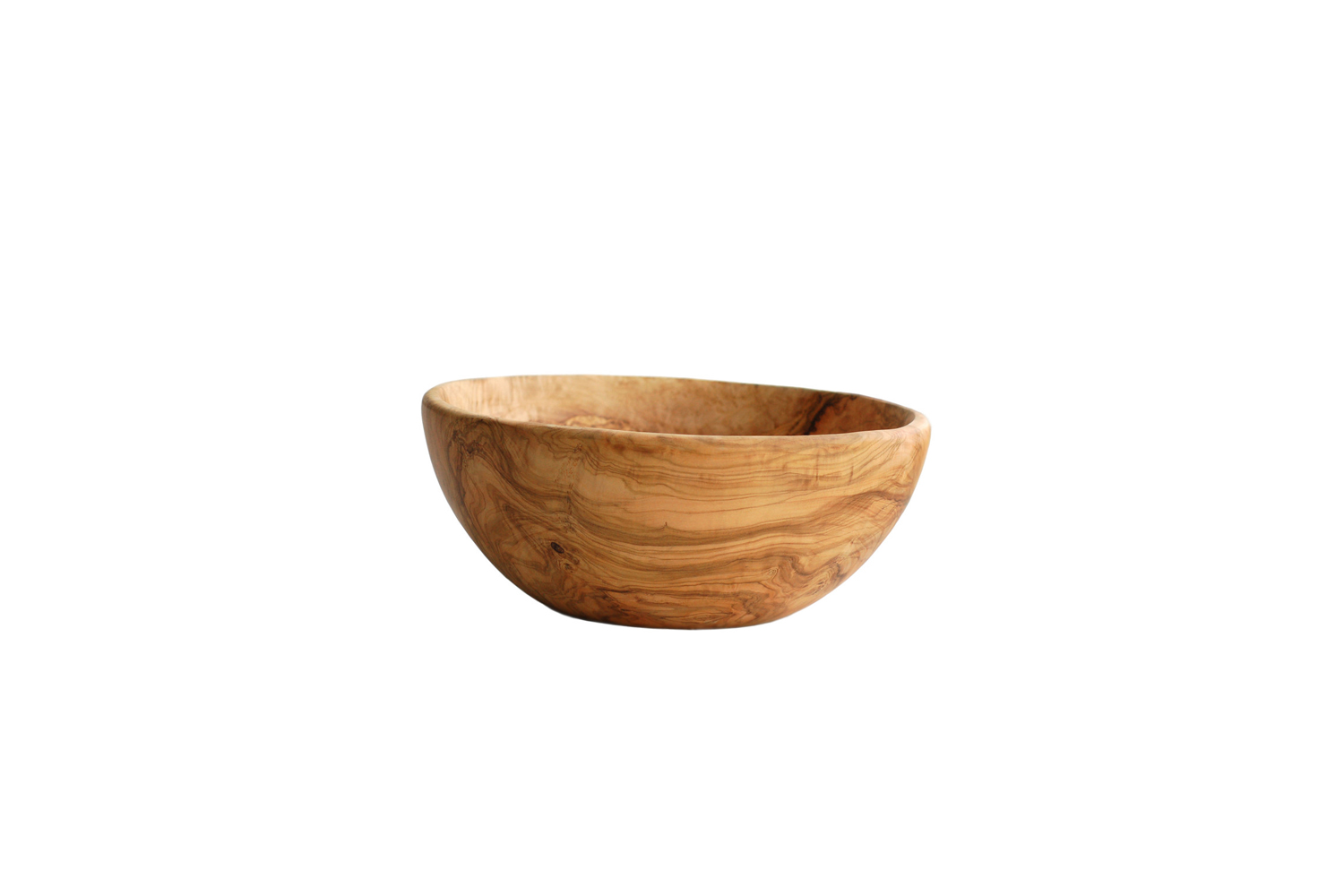
An olive wood bowl is a serving or decorative bowl carved from the wood of the olive tree. Olive trees are best known for producing olives and olive oil, but their wood is also prized for its hardness, close grain, durability, and striking natural patterns. The color usually ranges from honey gold to deep caramel with dark brown or black veining that swirls through the surface like edible-looking marble. Please do not eat the bowl. It is enthusiastic about food, not food itself.
Many olive wood bowls are handcrafted, especially those with organic shapes, live edges, and visible natural knots. Some are smooth and symmetrical, ideal for salads or fruit. Others are small rustic bowls made for salt, spices, nuts, olives, dips, or appetizers. Because the wood is dense and visually expressive, even a simple small bowl can look like a tiny sculpture sitting on your countertop.
Why Olive Wood Looks So Distinctive
The charm of olive wood comes from its grain. Unlike plain woods that politely stand in the background, olive wood makes an entrance. Its irregular lines, waves, and contrasting tones reflect the slow growth and natural movement of the tree. This is why an olive wood salad bowl often looks richer and more artisanal than mass-produced plastic, glass, or basic ceramic serveware.
The beauty is not just surface-level. Olive wood is dense, smooth, and sturdy when properly dried and finished. That density helps it resist everyday wear better than many softer woods. However, like all natural wooden kitchenware, it still needs gentle care. Think of it as low-maintenance, not no-maintenance. Like a houseplant, but one that holds pistachios.
Why Choose an Olive Wood Bowl?
There are plenty of bowls in the world. Ceramic bowls. Glass bowls. Stainless steel bowls. Plastic bowls that mysteriously keep the smell of last month’s pasta salad. So why choose olive wood?
1. It Adds Warmth to the Table
An olive wood bowl instantly softens a tablescape. Its natural tones pair well with white plates, linen napkins, stoneware, marble boards, black flatware, copper accents, and casual everyday dinnerware. Use it for a dinner party and it looks intentional. Use it for popcorn on a Tuesday and suddenly Tuesday has standards.
2. Every Piece Is Unique
If you enjoy objects with character, olive wood delivers. Each bowl has its own grain, knots, curves, and color variations. This uniqueness makes it a popular gift for weddings, housewarmings, holidays, and food lovers who already own too many mugs but somehow still need “one beautiful bowl.”
3. It Is Practical for Serving
Olive wood bowls are ideal for serving dry or lightly dressed foods. They are commonly used for salads, fruit, mixed nuts, bread, crackers, olives, cheese cubes, candies, herbs, dips in liners, and small bites. Larger bowls work beautifully for green salads or pasta salads, while smaller bowls shine as condiment dishes or snack bowls.
4. It Feels Artisanal Without Being Fussy
An olive wood bowl can look elegant, rustic, Mediterranean, farmhouse, coastal, or modern depending on what you place around it. It is a flexible piece that works equally well on a kitchen island, dining table, open shelf, picnic table, or grazing board setup. It says, “I care about presentation,” without saying, “I alphabetize my spice jars by emotional impact.”
Best Uses for an Olive Wood Bowl
An olive wood bowl is versatile, but it performs best when used thoughtfully. Because wood is porous and sensitive to prolonged moisture, it is not the best choice for soup, overnight marinated foods, or anything that needs to sit wet for hours. It is, however, excellent for serving foods with moderate moisture when cleaned and dried soon afterward.
For Salads
A large olive wood salad bowl can turn simple greens into the centerpiece of the meal. It works especially well for leafy salads, grain salads served briefly, caprese-style mixes, arugula with shaved parmesan, citrus salads, and Mediterranean salads with cucumbers, tomatoes, olives, and herbs. If using vinaigrette, toss the salad shortly before serving and wash the bowl soon after the meal.
For Fruit
Fruit looks stunning against olive wood. Apples, pears, citrus, figs, grapes, and stone fruit all benefit from the warm contrast. A pedestal-style olive wood fruit bowl can also act as a countertop centerpiece. Just avoid leaving very wet or overripe fruit in the bowl for too long, unless your goal is modern art with fruit flies.
For Snacks and Appetizers
Small olive wood bowls are perfect for nuts, olives, crackers, pretzels, dried fruit, chocolate, popcorn, chips, and party snacks. They also work beautifully on a charcuterie board for mustard, jam, cornichons, marcona almonds, or honeycomb. If serving oily or strongly colored foods, consider using parchment, a small ceramic insert, or cleaning promptly afterward.
For Decorative Styling
Not every bowl must work for dinner. Some olive wood bowls are so beautiful that they function as decor. Use one on an entry table for keys, on a coffee table for beads or seasonal accents, on a shelf as a natural sculpture, or in a kitchen for garlic bulbs and shallots. A small live-edge bowl can make even ordinary salt look like it came from a Tuscan farmhouse where someone named Lorenzo owns twelve linen aprons.
How to Choose the Best Olive Wood Bowl
When shopping for an olive wood bowl, consider size, shape, finish, intended use, and craftsmanship. A beautiful bowl is wonderful, but the best bowl is the one you will actually use instead of admiring from a distance like it belongs behind velvet rope.
Size Matters
For individual snacks, sauces, or spices, look for mini bowls around 3 to 5 inches wide. For nuts, olives, dips, and appetizers, a 6- to 8-inch bowl is practical. For salads, fruit, or bread, choose something in the 10- to 14-inch range. A very large olive wood salad bowl can be stunning, but remember that larger pieces cost more and need more storage space.
Look at the Grain
Part of the joy of olive wood is choosing a grain pattern you love. Some bowls are bold and high-contrast, with dramatic dark streaks. Others are lighter and more subtle. Neither is better; it depends on your style. If buying online, remember that natural variation means the exact bowl may differ from the product photo. This is not a defect. It is the tree saying, “I am not a photocopier.”
Check the Finish
A good olive wood bowl should feel smooth to the touch with no rough edges, splinters, or sticky residue. Food-safe mineral oil, beeswax blends, or other food-safe finishes are commonly used to protect wooden serving pieces. Avoid bowls with mystery finishes if you plan to use them with food. Decorative-only bowls should be clearly labeled as such.
Consider the Shape
Round bowls are classic and practical. Oval bowls feel organic and work well for bread or fruit. Live-edge bowls emphasize the natural outline of the wood and are especially decorative. Deep bowls are better for salads; shallow bowls are better for snacks, fruit, and visual display.
Think About Sustainability
Many olive wood kitchen items are made from pruned branches, retired trees, or wood collected after trees are no longer productive. Because olive trees are valuable for fruit and oil, responsible sourcing matters. Look for brands that mention sustainable sourcing, artisan production, or use of pruned or reclaimed olive wood. The more transparent the seller, the better.
Olive Wood Bowl Care: How to Keep It Beautiful
Olive wood is tough, but it is still wood. It dislikes soaking, dishwashers, harsh detergents, extreme heat, and being forgotten in a sink full of mystery water. Treat it kindly and it can last for years. Treat it like a plastic mixing bowl and it may crack, warp, or lose its luster.
Wash by Hand
After use, wash your olive wood bowl with mild dish soap and warm water. Use a soft sponge or cloth. Avoid abrasive scrubbers unless absolutely necessary. Rinse quickly and do not let the bowl sit submerged in water. A brief wash is fine; a long soak is a spa day the bowl did not request.
Dry Immediately
Dry the bowl thoroughly with a clean towel right after washing. Then allow it to air-dry completely before storing. Standing it upright or placing it in a spot with good airflow helps prevent moisture from lingering on the surface.
Never Put It in the Dishwasher
Dishwashers use heat, water pressure, and detergents that can dry out and damage wooden kitchenware. Over time, this can lead to cracking, warping, splitting, and a dull finish. If you remember one rule, make it this: the olive wood bowl does not go in the dishwasher. It has standards.
Oil It Regularly
Condition your olive wood bowl with food-grade mineral oil when it looks dry or dull. For frequently used bowls, monthly conditioning is a smart routine. For occasional use, every few months may be enough. Apply a thin layer of oil with a soft cloth, rub with the grain, let it absorb, and wipe away any excess.
Food-grade mineral oil is commonly recommended because it is odorless, tasteless, and does not go rancid like many cooking oils can. Beeswax and mineral-oil blends, often called board cream or wood butter, can add extra protection and a soft sheen. Avoid vegetable oils, corn oil, and most cooking oils for long-term care because they may oxidize and develop unpleasant odors.
Remove Odors Gently
If your bowl picks up a strong smell, rub the surface gently with coarse salt and half a lemon, then rinse quickly, dry thoroughly, and re-oil if needed. Baking soda paste can also help with mild stains. Do not attack the bowl with bleach or harsh cleaners. It is a serving piece, not a driveway.
Common Mistakes to Avoid
Most olive wood bowl problems come from moisture, heat, or neglect. The good news is that care is simple once it becomes a habit.
Soaking the Bowl
Leaving a wooden bowl in water can cause swelling, warping, or cracking. Wash it promptly and dry it right away.
Serving Very Hot Foods
Olive wood bowls are best for room-temperature or moderately warm foods. Extremely hot foods can stress the wood or affect the finish. Use ceramic or stainless steel for piping-hot soups, stews, or oven-to-table dishes.
Using It as a Mixing Bowl for Wet Recipes
An olive wood bowl can toss a salad beautifully, but it should not be used for long marinating, soaking beans, mixing wet dough, or storing saucy leftovers overnight. Choose glass or stainless steel for those jobs.
Skipping Maintenance
If the bowl starts looking pale, dry, or rough, it is asking for oil. A few minutes of conditioning can revive the color and help prevent cracking. This is the kitchenware version of drinking water and using moisturizer.
Olive Wood Bowl vs. Other Bowl Materials
Olive wood bowls are not automatically better than every other bowl. They are better for certain uses and aesthetics. Here is how they compare.
Olive Wood vs. Acacia Wood
Acacia is another popular hardwood used for bowls and serving boards. It is often more affordable and widely available. Olive wood typically has more dramatic grain and a denser feel, while acacia tends to have warmer reddish-brown tones and a smoother, more uniform appearance. Both need handwashing and occasional oiling.
Olive Wood vs. Ceramic
Ceramic bowls are excellent for soups, sauces, hot foods, and dishwasher-friendly convenience. Olive wood bowls win on warmth, uniqueness, and natural texture. If you want low-maintenance everyday dinnerware, ceramic is easier. If you want a serving piece that looks like it came from a charming market stall near the Mediterranean Sea, olive wood has the edge.
Olive Wood vs. Glass
Glass is nonporous, easy to clean, and great for showing layered dishes. Olive wood is warmer, less fragile in daily handling, and more visually distinctive. Glass is practical; olive wood has charisma.
Olive Wood vs. Stainless Steel
Stainless steel is durable, dishwasher-safe, and ideal for prep work. Olive wood is better for serving and presentation. In a busy kitchen, stainless steel does the heavy lifting. Olive wood takes the applause at the table.
Styling Ideas for Olive Wood Bowls
An olive wood bowl is easy to style because it plays well with many design moods. For a rustic table, pair it with linen napkins, stoneware plates, and matte black flatware. For a modern kitchen, place it on a marble countertop with citrus fruit. For a Mediterranean spread, fill small olive wood bowls with olives, almonds, feta cubes, dates, and herbed oil. Suddenly, your snack board has a passport.
For seasonal decor, use an olive wood bowl with pinecones in winter, lemons in spring, peaches in summer, and mini pumpkins in fall. For everyday use, keep one near the stove for garlic, shallots, or flaky salt. A bowl that looks good empty is already winning, but a bowl that makes garlic look intentional deserves respect.
Is an Olive Wood Bowl Worth It?
Yes, an olive wood bowl is worth it if you value natural materials, handcrafted character, and beautiful presentation. It is not the best choice if you want dishwasher-safe convenience or a bowl for every messy kitchen task. But as a serving bowl, decorative accent, salad bowl, fruit bowl, or gift, olive wood offers a combination of durability and beauty that few materials can match.
The key is to buy it with realistic expectations. It will need handwashing. It will need oiling. It may darken, deepen, and change slightly over time. That is part of the appeal. Olive wood is not trying to look factory-perfect forever. It ages like a well-loved kitchen object should: with warmth, character, and a few stories tucked into the grain.
Real-Life Experiences With an Olive Wood Bowl
The first thing most people notice about an olive wood bowl is that it changes the mood of whatever it holds. Put mixed greens in a stainless steel bowl and it feels like meal prep. Put the same greens in olive wood and suddenly dinner seems planned, even if the main dish is rotisserie chicken and a heroic amount of hope. The bowl creates a sense of care before anyone takes a bite.
In everyday use, a medium olive wood bowl often becomes the “grab it for everything” piece. It holds oranges on Monday, walnuts on Tuesday, bread on Wednesday, and on Friday it becomes part of a snack board because guests are coming and everyone must believe the household is effortlessly sophisticated. Its warmth makes casual food feel more inviting. A pile of crackers looks better. Grapes look brighter. Even plain popcorn looks like it has been promoted.
One of the best experiences with an olive wood bowl is using it for a simple salad. A handful of arugula, sliced pear, toasted nuts, shaved parmesan, lemon juice, olive oil, salt, and pepper become something restaurant-worthy when tossed in a smooth wooden bowl. The bowl does not make the salad taste better by magic, but presentation affects expectation, and expectation has a surprisingly loud voice at dinner.
Another practical lesson is that olive wood teaches better kitchen habits. You cannot toss it in the dishwasher and forget about it. You wash it by hand, dry it, and occasionally oil it. At first this sounds like extra work. Then it becomes a small ritual. The wood darkens slightly after oiling, the grain pops back to life, and the bowl looks refreshed. It is oddly satisfying, like polishing shoes or sharpening a pencil with a real sharpener. Tiny domestic victory.
There are also a few honest inconveniences. If someone leaves salsa in it overnight, you will not be thrilled. If it gets soaked under other dishes in the sink, you may briefly question your relationships. And if you serve something oily, acidic, or strongly colored, you will want to clean it promptly. Olive wood is durable, but it is not invincible. It rewards the person who remembers it is a natural material.
As a gift, an olive wood bowl tends to feel more personal than generic kitchenware. It works for newlyweds, hosts, parents, food lovers, and people who say they do not need anything but absolutely still enjoy beautiful things. Add a small jar of flaky salt, good olives, cloth napkins, or a bottle of food-grade mineral oil, and the gift becomes thoughtful without being overly complicated.
Over time, the bowl becomes part of the kitchen’s visual language. It may live on the counter, not hidden in a cabinet. It may hold fruit one week and holiday nuts the next. It may appear in family dinners, casual gatherings, and quiet breakfasts. That is the real charm of an olive wood bowl: it is useful enough to earn its place and beautiful enough to make ordinary moments feel a little more gathered, a little warmer, and a little less like everyone is eating directly from storage containers.
Conclusion
An olive wood bowl is more than a serving dish. It is a practical piece of natural craftsmanship that brings warmth, texture, and personality to the table. Its dense wood, dramatic grain, and handcrafted appeal make it ideal for salads, fruit, snacks, appetizers, and decorative styling. With proper carehandwashing, immediate drying, no soaking, no dishwasher, and regular conditioning with food-grade mineral oilit can remain beautiful and useful for years.
If you want a bowl that makes food look better, shelves look warmer, and guests think you have your life slightly more together than you do, olive wood is a strong choice. It is rustic but refined, durable but delicate enough to deserve care, and unique in a way mass-produced serveware rarely is. In short, it is the kind of kitchen object that quietly earns favorite status.