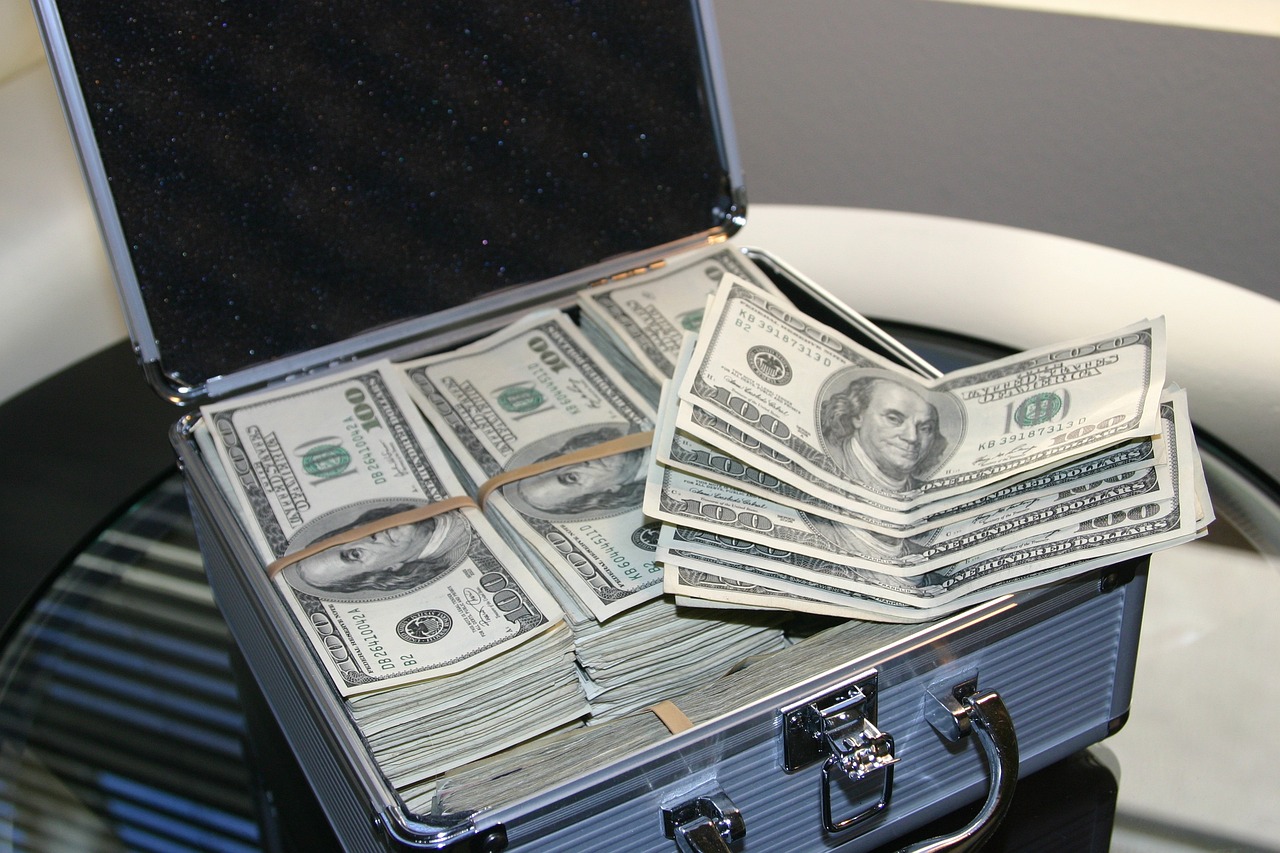
Paying all cash for a house sounds like the ultimate adult flex. No mortgage. No lender asking for your tax returns like a suspicious in-law. No monthly payment haunting your bank account like a polite ghost in loafers. You wire the money, sign the papers, and boom: the house is yours.
But as Financial Samurai and many personal finance experts have pointed out, “debt-free” does not automatically mean “financially optimized.” Buying a home with cash can be smart, especially when mortgage rates are high, bidding wars are brutal, or you simply crave the calm of owning your home outright. Still, there are real downsides of paying all cash for a house that buyers should understand before emptying the treasure chest.
The big issue is not whether paying cash is good or bad. The real question is whether it is the best use of your capital. A house may be a wonderful place to live, raise a family, store your holiday decorations, and argue about thermostat settings. But it is also an illiquid asset, a concentrated investment, and an expensive responsibility. Let’s walk through the hidden trade-offs of buying a house with cash, using practical examples and a sober-but-not-boring financial lens.
What Does Paying All Cash for a House Mean?
Paying all cash for a home means purchasing the property without a mortgage loan. Instead of borrowing from a bank, the buyer uses savings, investment proceeds, inheritance, business profits, home-sale equity, or other available funds to cover the full purchase price and closing costs.
Cash buyers often look attractive to sellers because the transaction can close faster and may avoid mortgage underwriting delays, appraisal problems, and financing contingencies. In competitive housing markets, a cash offer can feel like walking into a sword fight with a laser pointer. It gets attention.
However, the cash still has to come from somewhere. And once it goes into the house, it is no longer sitting in a brokerage account, high-yield savings account, business reserve, retirement portfolio, or emergency fund. That shift is where the disadvantages begin.
The Main Downsides of Paying All Cash for a House
1. You Lose Liquidity
The biggest downside of paying all cash for a house is reduced liquidity. Cash is flexible. A paid-off house is not. You cannot slice off the guest bathroom and use it to pay for a medical bill, business opportunity, or surprise roof replacement.
For example, imagine you have $800,000 in total liquid assets and buy a $700,000 home in cash. On paper, you may still be wealthy. In daily life, however, you now have only $100,000 available for emergencies, repairs, taxes, insurance, moving costs, furniture, and life’s favorite hobby: unexpected chaos.
Real estate can be sold, but not instantly. Selling a home may take months, and the process includes agent commissions, repairs, staging, inspections, negotiations, and closing delays. If you need money quickly, your paid-off home may not help unless you borrow against it, which ironically brings debt back into the picture wearing a fake mustache.
2. You Create Opportunity Cost
Opportunity cost is the return you give up when choosing one option over another. When you pay cash for a house, the money you use cannot be invested elsewhere. That matters because stocks, bonds, business ventures, private investments, and even cash-like instruments may offer attractive returns depending on market conditions.
Suppose you buy a $600,000 house with cash. If that same $600,000 could have earned a long-term average return of 7% annually in a diversified investment portfolio, the potential growth over 10 years could be substantial. Of course, investments are not guaranteed. The stock market can throw tantrums. Bonds can disappoint. Businesses can fail. But the point is simple: paying cash removes that capital from other possible wealth-building paths.
This is one reason some wealthy people still use mortgages. They may prefer to preserve liquidity and keep productive assets invested. For them, the mortgage is not a sign of being broke. It is a financial tool. Like a chainsaw, it can be useful when handled properly and terrifying when used by someone overconfident.
3. You Give Up Mortgage Leverage
Leverage can magnify returns when home prices rise. It can also magnify losses when prices fall. That double-edged nature is why buyers should respect it, not worship it.
Here is a simplified example. Buyer A pays $500,000 in cash for a home. Buyer B buys the same $500,000 home with 20% down, investing $100,000 and borrowing $400,000. If the home rises 10% in value to $550,000, Buyer A earns a 10% gross return on cash invested. Buyer B, ignoring transaction costs and loan payments for simplicity, gains $50,000 on a $100,000 down payment, a 50% gross return.
That is the magic of leverage on the way up. But if the home drops 10%, Buyer B also feels the pain more sharply. Still, paying all cash means giving up the upside amplification that responsible mortgage leverage can provide. For buyers with stable income, strong reserves, and a long time horizon, using some financing may improve overall returns.
4. Your Net Worth Becomes Too Concentrated in One Asset
A home is often the largest asset a household owns. Paying all cash can make that concentration even more extreme. If most of your net worth is tied to one property in one neighborhood, your financial life becomes heavily dependent on local real estate conditions.
What if a major employer leaves town? What if insurance costs spike? What if zoning changes affect the area? What if a new highway, flood map, school boundary change, or noisy pickleball empire lowers the appeal of your location?
Diversification is not glamorous, but it is powerful. A balanced mix of assets can reduce risk because not everything depends on one market. Paying cash for a house can be emotionally comforting, but it may quietly turn your financial plan into a one-property parade.
5. You May Miss Out on the Mortgage Interest Deduction
Homeowners who itemize deductions may be able to deduct mortgage interest within IRS limits. Paying all cash means there is no mortgage interest to deduct. For many households, this is not a major loss because the standard deduction is high and not everyone benefits from itemizing. But for higher-income buyers with large mortgages and significant itemized deductions, the tax impact can matter.
The mortgage interest deduction should never be the only reason to take on debt. Spending one dollar in interest to save a smaller amount in taxes is not exactly a financial victory parade. Still, taxes are part of the equation. A buyer deciding between paying cash and financing should compare after-tax borrowing costs, not just the headline mortgage rate.
6. You Still Have Ongoing Housing Costs
Paying cash removes the mortgage payment, but it does not make the house free. Property taxes, homeowners insurance, maintenance, repairs, utilities, HOA dues, landscaping, pest control, and occasional “why is the ceiling making that noise?” expenses remain.
This surprises some cash buyers. They think, “No mortgage, no problem.” Then the water heater resigns dramatically, the insurance renewal arrives with jazz hands, and the county reassesses the property tax value. Welcome to homeownership, where everything costs $400 minimum and someone always recommends replacing the whole thing.
Before paying cash, buyers should keep a healthy reserve after closing. A paid-off home with an underfunded emergency account is not financial freedom; it is financial yogatechnically balanced, but one wobble away from disaster.
7. You May Become House Rich and Cash Poor
Being house rich and cash poor means having substantial home equity but not enough liquid money for everyday flexibility. This can be especially risky for retirees, entrepreneurs, single-income households, and anyone with irregular income.
A paid-off house may lower monthly expenses, which is wonderful. But if too much money is trapped in the property, you may have to rely on credit cards, personal loans, home equity loans, or selling investments at a bad time when life gets expensive.
Cash flow matters. A household with a modest mortgage and strong liquid reserves may be safer than a household with no mortgage and very little accessible cash. The goal is not to win a “most paid-off house” trophy. The goal is long-term financial resilience.
8. Refinancing Later May Be Harder Than Expected
Some buyers pay cash with the idea of getting a mortgage later through delayed financing, a cash-out refinance, or a home equity line of credit. That can work, but it is not guaranteed. Lenders still evaluate credit scores, income, debt-to-income ratios, property condition, title issues, appraised value, and loan guidelines.
If your income changes after buying the house, you retire, start a business, lose a job, or the property appraises lower than expected, accessing equity may be harder or more expensive. The money may be in the walls, but the bank will not let you remove it with a spoon.
9. You Might Overpay Because Cash Feels Powerful
Cash buyers can move quickly, and speed is useful. But confidence can become expensive. Some buyers waive inspections, skip appraisals, or bid aggressively because they believe cash gives them an unbeatable edge.
A cash offer does not magically turn a bad deal into a good one. Buyers should still order inspections, review comparable sales, examine title records, understand insurance availability, and calculate repair costs. A home that needs a $40,000 foundation repair does not become charming just because you avoided a mortgage.
10. Inflation Can Make Fixed-Rate Mortgage Debt Useful
A fixed-rate mortgage can become less burdensome over time if wages, rents, and asset values rise with inflation. The payment stays the same, while future dollars may be worth less. In that sense, long-term fixed-rate debt can be a hedge against inflation.
Paying cash removes that potential advantage. You avoid interest, which is valuable, especially when rates are high. But you also give up the chance to repay debt over decades with potentially cheaper dollars. Whether that matters depends on the mortgage rate, inflation expectations, income stability, and your comfort with debt.
When Paying All Cash Can Still Make Sense
To be clear, paying cash for a house is not foolish. In many situations, it can be excellent. The problem is assuming it is always excellent.
Paying all cash may make sense if you have abundant liquidity even after closing, are retired and want lower fixed expenses, dislike debt intensely, are buying in a market where cash offers receive meaningful discounts, or have no better use for the money. It may also be appealing when mortgage rates are high and the after-tax borrowing cost exceeds your realistic investment return expectations.
The emotional benefit also matters. Some people sleep better in a paid-off home. Peace of mind is a real return, even if it does not show up neatly in a spreadsheet. Personal finance is personal because humans are not calculators with eyebrows.
A Simple Cash vs. Mortgage Example
Consider a buyer purchasing a $700,000 home. Option one is paying all cash. Option two is putting 30% down, borrowing $490,000, and keeping $490,000 invested or reserved.
With the cash option, the buyer avoids mortgage interest, has no monthly principal-and-interest payment, and owns the home outright. That creates security and simplicity. But the buyer also has $700,000 tied up in one property.
With the mortgage option, the buyer has a monthly payment and pays interest. However, the buyer keeps more liquidity, may preserve investment growth, and maintains flexibility for emergencies or opportunities. If investment returns exceed the after-tax mortgage cost over time, the financed approach may build more wealth. If markets perform poorly or the buyer hates debt stress, the cash approach may feel better and possibly work better.
The best answer depends on risk tolerance, age, income stability, tax situation, investment discipline, local housing trends, and family goals. There is no universal winner, which is annoying but truelike most adult decisions.
How to Decide Before Paying All Cash
Run a Liquidity Test
After paying cash, will you still have enough money for at least six to twelve months of living expenses, home repairs, insurance deductibles, taxes, healthcare, and personal emergencies? If not, paying all cash may be too aggressive.
Compare the Mortgage Rate to Expected Returns
If your mortgage would cost 6.5% before taxes and your realistic investment return expectation is 5%, paying cash may be attractive. If you can borrow at a lower after-tax cost and reasonably expect higher long-term returns elsewhere, financing may deserve consideration.
Consider Your Career and Life Stage
A retiree may value lower monthly expenses more than leverage. A young professional or business owner may value liquidity and investment flexibility more. A family expecting major expensescollege, elder care, business expansion, fertility treatments, or relocationshould be especially careful about locking too much money into a house.
Do Not Skip Due Diligence
Cash buyers should still use inspections, title searches, insurance quotes, and market analysis. A mortgage lender’s process can be annoying, but it also forces certain checks. Without a lender involved, the buyer must be extra disciplined.
Experience-Based Lessons: What Buyers Often Learn the Hard Way
One common experience among cash buyers is the emotional high that happens immediately after closing. There is no mortgage statement. No bank lien. No monthly principal-and-interest payment. The house feels completely yours. For a while, it is glorious. You walk through the kitchen like a monarch surveying the breakfast kingdom.
Then reality begins tapping on the window. Moving costs arrive. The “perfectly fine” HVAC system starts wheezing like it just ran a marathon in jeans. The property tax bill appears. Insurance costs more than expected. The previous owner’s “low-maintenance landscaping” turns out to be a botanical hostage situation. Suddenly, the buyer realizes that owning a home outright does not mean owning it cheaply.
Another lesson is that liquidity feels boring until you need it. Many people underestimate the comfort of having cash available. A brokerage account, savings account, or Treasury ladder may not look as impressive as a paid-off house, but those liquid assets can be used quickly. Home equity, by contrast, often requires paperwork, lender approval, appraisal, income verification, and time. It is wealth, but it is not always useful wealth on short notice.
Cash buyers also learn that opportunity cost is invisible in the beginning. No one sends a monthly statement saying, “Here is what your money might have earned elsewhere.” The missed return is silent. If the stock market rises, a business opportunity appears, or a rental property becomes available, the buyer may feel the sting of having too much capital locked in the primary residence.
At the same time, some buyers discover that the psychological return is worth it. A paid-off home can create deep peace, especially for people who have experienced job loss, debt stress, family instability, or volatile income. For them, the absence of a mortgage is not just a financial fact. It is emotional oxygen. That value should not be dismissed simply because a spreadsheet says leverage might perform better.
The best real-world approach is often a middle path. Instead of paying 100% cash, some buyers make a larger down paymentperhaps 30%, 40%, or 50%and keep meaningful reserves. Others pay cash to win the deal, then carefully use delayed financing only if their income, appraisal, and market conditions support it. Some pay all cash only after confirming they will still have diversified investments, emergency funds, and enough income to handle ongoing ownership costs.
The painful mistakes usually come from extremes. Paying all cash while leaving yourself financially thin is risky. Taking the biggest mortgage possible just to chase investment returns is also risky. The wiser question is not, “Can I pay cash?” It is, “After I pay cash, will my whole financial life still be strong, flexible, and diversified?”
Homeownership should make life better, not turn your bank account into a decorative memory. A house can be a home, an investment, and a source of stability. But it should not swallow every dollar you have just because the phrase “all cash buyer” sounds impressive at dinner parties.
Final Thoughts
The downsides of paying all cash for a house are real: reduced liquidity, opportunity cost, less diversification, no mortgage leverage, possible tax trade-offs, and the risk of becoming house rich but cash poor. Financial Samurai’s broader message is useful here: cash creates power, but using all of it on one property can limit freedom.
Paying cash can be a fantastic move for the right buyer in the right situation. It can reduce stress, strengthen an offer, eliminate interest, and provide the priceless feeling of owning your home outright. But before wiring a giant pile of money into escrow, take a breath. Compare the numbers. Protect your liquidity. Keep emergency reserves. Think about your entire financial picture, not just the thrill of beating the bank.
A paid-off house is wonderful. A paid-off house plus a flexible, diversified, well-funded financial life is even better. That is the real dream home.
Note: This article is for educational purposes only and should not be treated as personalized financial, tax, legal, or investment advice. Homebuyers should consult qualified professionals before making major real estate decisions.