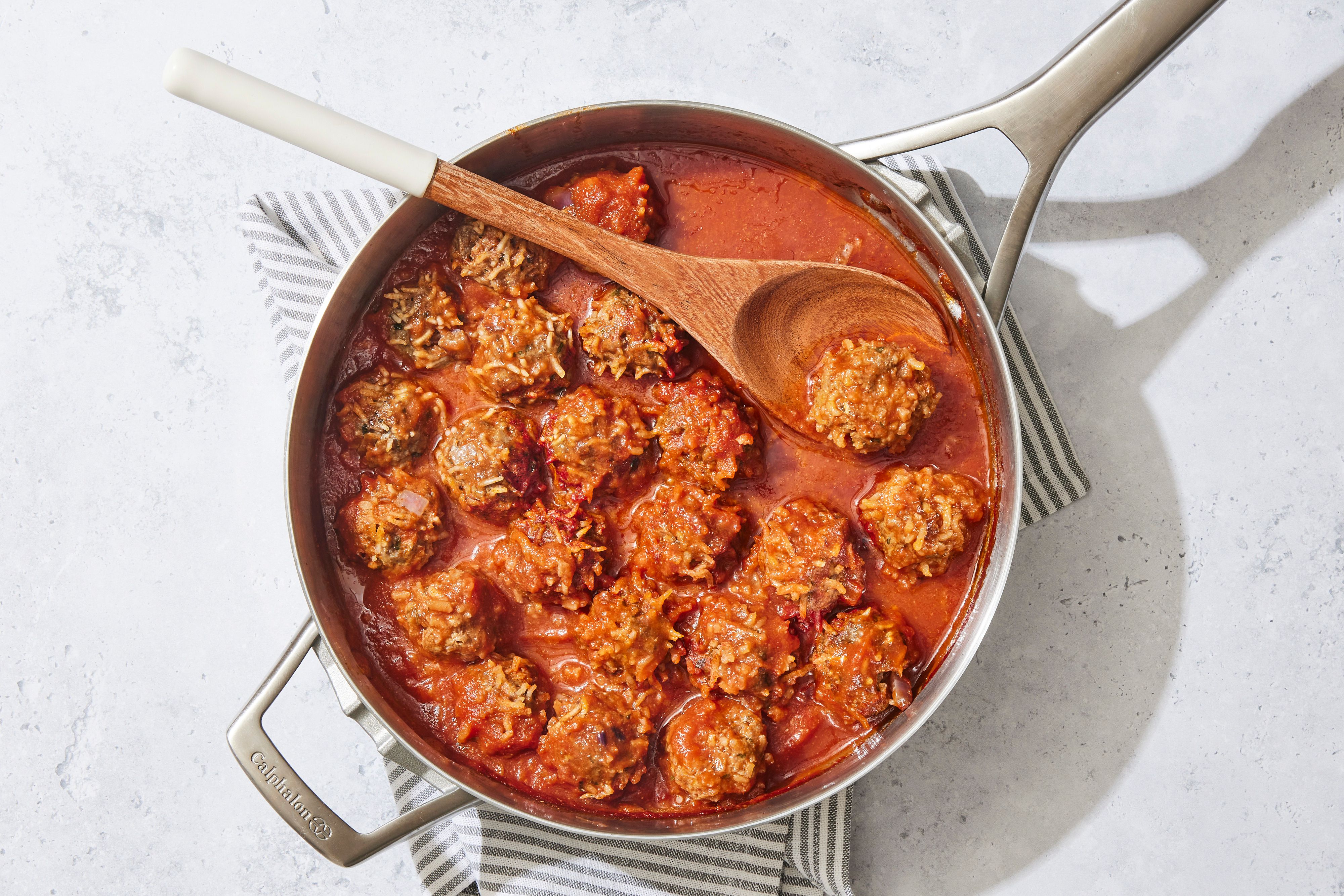
Porcupine meatballs are the cozy, old-school dinner that proves two things: (1) ground beef can be stretched further than your favorite sweatpants, and (2) rice can absolutely cosplay as an animal accessory. Despite the name, there is zero porcupine involvedjust tender beef meatballs mixed with uncooked rice. As the meatballs cook, the rice swells and peeks out like little “quills,” which is both charming and slightly hilarious.
This guide pulls together the most consistent best practices from classic American versions (think: baked-in-tomato-sauce comfort) and modern updates (one-skillet, slow cooker, and pressure cooker methods). You’ll get a reliable base recipe, plus smart variations so you can make it on a weeknight, batch it for the freezer, or feed picky eaters without negotiating like a hostage mediator.
What Are Porcupine Meatballs?
They’re meatballs made with ground beef and uncooked rice (instead of breadcrumbs), cooked in a tomato-based sauce until the rice becomes tender. The rice grains poke out after cooking, creating the “porcupine” look. The dish became popular as a budget-friendly way to make a little meat go a long way, and it’s stuck around because it’s actually deliciousnot just historically practical.
Why This Porcupine Meatball Recipe Works
- Rice + meat = built-in side dish. The rice cooks in the juices and sauce, giving you a hearty, satisfying bite.
- Tomato sauce keeps things tender. The sauce gently braises the meatballs so they don’t dry out.
- Flexible cooking methods. Bake, simmer, slow-cook, or pressure-cookthis recipe adapts to your schedule.
- Easy to scale and freeze. Perfect for meal prep and “future you” gratitude.
Ingredients
This is a classic pantry-and-fridge recipe. Nothing fancyjust dependable.
For the meatballs
- 1 1/2 pounds 85–90% lean ground beef
- 1/2 cup uncooked long-grain white rice (see rice notes below)
- 1/2 cup finely chopped yellow onion (or 1/3 cup grated onion for extra moisture)
- 2 cloves garlic, minced (optional but strongly encouraged)
- 1 large egg
- 1/4 cup milk (or water/broth)
- 1 1/2 teaspoons kosher salt
- 1/2 teaspoon black pepper
- 1 teaspoon Italian seasoning (or a mix of oregano + basil)
For the sauce
- 1 tablespoon olive oil
- 1 (28-ounce) can tomato sauce
- 1 cup beef broth (or water)
- 2 tablespoons tomato paste (optional for deeper flavor)
- 1 tablespoon Worcestershire sauce (optional, adds savory depth)
- 1 teaspoon sugar or honey (optional, balances acidity)
Rice notes (so your “quills” aren’t crunchy)
Different classic recipes use either long-grain rice or instant/Minute-style rice. Instant rice cooks faster and is very forgiving. Long-grain rice works beautifully, but it needs enough time and moisture. If you’re baking, long-grain rice is reliable when the dish is tightly covered. If you’re doing a quick stovetop simmer, instant rice can be the safer bet.
Smart Ingredient Choices (Small Tweaks, Big Payoff)
Pick the right ground beef
A little fat is your friend here. An 85–90% lean blend stays juicy without turning the sauce greasy. If you only have very lean beef, add a splash more milk or a tablespoon of olive oil to the mix to keep the texture tender.
Onion: diced vs. grated
If you’ve ever bitten into a meatball and met a surprise onion boulder, you already know why this matters. Finely diced works, but grated onion practically melts into the meat and keeps the meatballs moist. It also helps the mixture hold together, which is handy if you’re simmering instead of baking.
Breadcrumbs? Optional
Traditional porcupine meatballs rely on rice instead of breadcrumbs, but adding 2–3 tablespoons of crushed crackers, oats, or breadcrumbs can help if your mixture feels overly wet. Think of it as training wheelsnot required, but occasionally confidence-boosting.
Easy shaping trick
If rolling 20 meatballs feels like a tiny gym session, use a cookie scoop for even portions. Or borrow a vintage shortcut: press the mixture into a baking dish, score it into squares, then roll each square into a ball. Same outcome, fewer sticky hands.
Step-by-Step: Classic Baked Porcupine Meatballs
Time: about 1 hour 10 minutes total | Servings: 6
1) Prep the oven and sauce
- Heat oven to 375°F.
- In a 9×13-inch baking dish (or deep casserole), whisk together tomato sauce, broth, tomato paste, Worcestershire, and sugar (if using).
2) Mix and shape the meatballs
- In a large bowl, combine ground beef, uncooked rice, onion, garlic, egg, milk, salt, pepper, and Italian seasoning.
- Mix gently with your hands until just combined. Over-mixing makes tough meatballsnobody’s asking for beef marbles.
- Roll into 18–20 meatballs (about 1 1/2 inches each).
3) Bake in sauce
- Nestle meatballs into the sauce in a single layer.
- Cover tightly with foil (this is crucial for cooking the rice).
- Bake for 45 minutes. Remove foil and bake 10–15 minutes more to slightly thicken the sauce.
- Check doneness: ground beef mixtures should reach 160°F in the center of a meatball.
4) Rest and serve
Let the meatballs rest for 5 minutes. The sauce will settle, and the rice will finish steaming. Serve with mashed potatoes, buttered noodles, crusty bread, or a simple green salad.
Stovetop Method (Great for Weeknights)
If you prefer a one-pan situation, simmering works wellespecially with instant rice.
- Brown meatballs lightly in a deep skillet with a little oil (optional but adds flavor).
- Add sauce ingredients, bring to a gentle simmer, cover, and cook on low for 35–45 minutes (stir gently once or twice).
- Keep the simmer gentle. A rolling boil can break meatballs apart and reduce the sauce too quickly.
Slow Cooker Porcupine Meatballs
Slow cooker versions are popular because they’re basically “dump, set, and go live your life.” Use instant rice for the most predictable texture, or make sure there’s ample liquid if using long-grain.
- Place shaped meatballs in the slow cooker in a single layer if possible.
- Pour sauce over the top.
- Cook on LOW for 5–6 hours or HIGH for 3–4 hours, until the rice is tender and meatballs reach 160°F.
Instant Pot / Pressure Cooker Option
Pressure cooking is the “I want comfort food but also I want it now” method. Because pressure cookers excel at pushing liquid into grains, rice tends to cook evenly here.
- Add sauce to the pot first, then place meatballs on a trivet or directly in the sauce (depending on your model and preference).
- Cook at high pressure for 10 minutes, then allow a 10-minute natural release.
- Simmer on sauté mode for a few minutes if you want a thicker sauce.
Flavor Variations (Pick Your Mood)
1) “Tomato Soup Retro”
For maximum nostalgia, swap the sauce for a mix of condensed tomato soup + water or broth. It’s the classic weeknight vibe many Americans grew up on, and it’s still a winner.
2) Turkey or chicken porcupine meatballs
Ground turkey works, but it’s leanerso add an extra tablespoon of milk and consider mixing in a tablespoon of olive oil for tenderness. Be sure poultry meatballs reach 165°F.
3) Sweet-and-tangy BBQ twist
Replace 1/2 cup of the tomato sauce with BBQ sauce. It becomes a potluck-friendly, slightly smoky version that kids inhale like they’re trying to beat a world record.
4) Spiced-up “pantry chili” style
Add 1 teaspoon chili powder, 1/2 teaspoon cumin, and a pinch of smoked paprika to the meatball mix. Finish with chopped cilantro and a squeeze of lime. Not traditional, but very effective.
Best Side Dishes
- Mashed potatoes (classic gravy-adjacent comfort)
- Egg noodles or buttered pasta
- Steamed green beans or a frozen mixed veg medley (retro in the best way)
- Crusty bread for sauce duty
- Simple salad to keep your plate from feeling like a hug in carb form (unless you want that)
Troubleshooting: Common Porcupine Meatball Problems
My rice is still crunchy
- Make sure the dish is tightly covered during the covered portion of baking/simmering.
- Add 1/2 cup extra broth to the sauce and cook 10–15 minutes longer.
- If you’re short on time, use instant rice next time.
My meatballs fell apart
- Mix gently and avoid over-handling.
- Chop onion finely or grate it so large chunks don’t weaken the structure.
- Let the meatball mixture rest 5 minutes before shaping so the rice and liquids hydrate a bit.
My sauce is watery
- Uncover for the last 10–15 minutes of baking.
- Stir in 1–2 tablespoons tomato paste and simmer a few minutes.
Make-Ahead, Storage, and Freezing
- Make ahead: Shape meatballs up to 24 hours in advance and refrigerate covered.
- Refrigerate: Store cooked meatballs in sauce for up to 4 days. Reheat gently on the stove or in the microwave.
- Freeze: Freeze cooked meatballs in sauce in airtight containers for up to 3 months. Thaw overnight in the fridge, then reheat slowly so the rice stays tender.
FAQ
Are porcupine meatballs actually made from porcupine meat?
Nope. The “porcupine” name comes from the rice poking out like quillsno wildlife was interviewed for this recipe.
Do I have to brown the meatballs first?
Not for the baked method. Baking in sauce is designed to be easy and still flavorful. Browning adds extra depth, but it’s optional.
Can I use brown rice?
It’s tricky. Brown rice needs more time and liquid than white rice, and the meatballs can overcook before the rice becomes tender. If you want whole grains, consider par-cooking the brown rice first or using quick-cooking brown rice.
How do I know they’re done?
Use a thermometer. Ground beef mixtures should be cooked to 160°F for food safety.
of Real-Life Porcupine Meatball Experiences
I didn’t grow up thinking, “One day I’ll have strong opinions about rice inside meatballs,” but life is full of surpriseslike realizing porcupine meatballs are the ultimate dinner-party icebreaker. Bring them up and someone will either say, “My grandma made those!” or “Wait… are we eating actual porcupine?” Both responses are equally entertaining.
My first batch was the classic rookie move: I mixed long-grain rice into the meat, poured on sauce, and baked the whole thing… uncovered. The meatballs cooked. The sauce reduced. The rice? It stayed stubbornly crunchy, like it had a personal brand built on resistance. The fix was simple: cover tightly, add enough liquid, and give the rice a steamy environment. Once I did that, the “quills” popped out exactly as promised, and I felt like I’d unlocked a culinary magic trick that costs roughly $9 in groceries.
Over time, I learned that porcupine meatballs are a choose-your-own-adventure recipe. Want pure nostalgia? Tomato soup and water, straight from the mid-century playbook. Want something a little brighter? Add a spoon of tomato paste and a splash of Worcestershire for that “why is this so good?” savory hit. Want to please picky eaters? Keep the seasoning simple, and let them dunk meatballs in extra sauce like it’s ketchup’s sophisticated cousin.
The biggest practical lesson: onion size matters. Early on, I chopped onions too big, and every meatball became a tiny structural engineering project with weak points. Grating onionor dicing it very smallturns it into moisture and flavor without making your meatballs fall apart. It’s the kind of detail you only learn after watching three meatballs collapse and thinking, “Okay, we’re doing meat sauce now.”
These meatballs also taught me the value of leftovers. Day two porcupine meatballs are better: the rice is fully tender, the sauce has melded, and the whole thing tastes like it had time to think about what it wanted to be. I’ve served leftovers over mashed potatoes, spooned them onto toasted bread for sloppy-meatball sandwiches, and even chopped them up for a quick pasta bake. Somehow, they always end up tasting like comfort.
Finally, there’s the freezer win. Making a double batch feels like cheating at adulthood. On a busy night, you can thaw and reheat a container and suddenly dinner existswarm, hearty, and suspiciously competent. If you’re cooking for family, roommates, or just your future self, porcupine meatballs are that reliable friend who shows up with snacks and doesn’t judge your laundry situation.
One more thing I didn’t expect: porcupine meatballs are weirdly kid-friendly. The “quills” make them fun, and the tomato sauce is familiar, so even cautious eaters tend to give them a chance. I’ve watched a child who refuses “mixed foods” happily eat these because they decided the rice spikes made the meatballs look like a cartoon character. I didn’t argue. I just served seconds like a responsible adult.
For potlucks, I learned to keep the sauce slightly thicker than usualnobody wants a slow cooker that looks like it’s auditioning for a tomato soup commercial. A spoonful of tomato paste and a few minutes uncovered at the end fixes that. And if you’re making them ahead, pack a little extra sauce in the container. The rice continues to absorb liquid as it sits, which is great for tenderness but can leave you with “dry” meatballs if you don’t plan for it.
My final, forever rule: don’t skip the thermometer. These are saucy and forgiving, but ground meat doesn’t do “close enough.” When you hit the right temperature, everything elsetexture, rice tenderness, saucinessfalls into place. And then you get to enjoy the best part: sitting down to a plate of food that feels nostalgic even if you’ve never eaten it before.