Quail are tiny birds with big productivity energy. A healthy Coturnix quail hen can start laying surprisingly early, often around 6 to 8 weeks of age, which makes her the overachiever of the backyard poultry world. One day she is a fluffy popcorn-sized chick, and the next she is acting like she has a mortgage and a breakfast business to run.
Still, quail do not lay well by accident. Egg production depends on the right breed, age, lighting, nutrition, housing, temperature, water, cleanliness, and stress control. If your quail are not laying, they are not being dramatic for fun. Usually, something in their environment is quietly telling their bodies, “This is not the season,” “This is not safe,” or “This feed is not enough for egg-making.”
This guide explains how to get quails to lay eggs in 13 practical steps, with clear advice for beginners, small homesteads, urban keepers, and anyone staring at an empty nesting corner wondering whether the birds are on strike.
Why Quails Stop Laying Eggs
Before fixing the problem, it helps to understand the usual suspects. Quails may stop laying because they are too young, too old, underfed, stressed, overheated, cold, crowded, sick, molting, receiving too little light, or living with too many males. A laying hen is a small biological factory. If the factory has no power, poor materials, bad management, or a rooster yelling in the break room, production drops.
The good news is that Coturnix quail are responsive. Improve their environment and diet, and many hens resume laying within days or weeks. The key is to adjust the basics instead of chasing miracle tricks. Spoiler: the miracle is usually clean water, proper feed, enough light, and not making the birds live in a tiny feathered traffic jam.
How to Get Quails to Lay Eggs: 13 Steps
1. Choose the Right Quail Breed for Egg Production
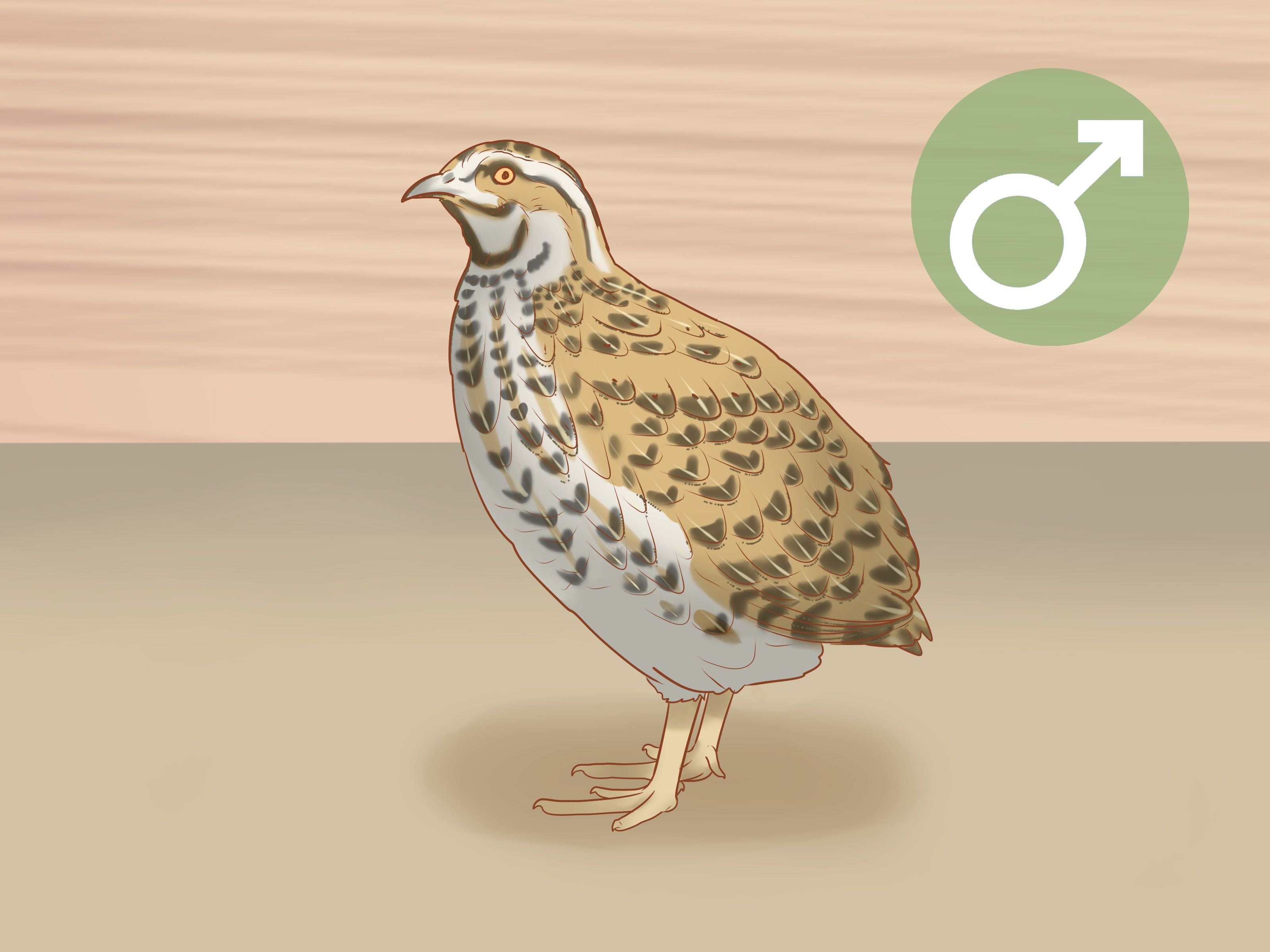
If your goal is eggs, start with Coturnix quail, also called Japanese quail or Pharaoh quail. They are the most popular quail for backyard egg production because they mature quickly, stay relatively quiet, and adapt well to small spaces. Bobwhite quail and other game birds can be wonderful, but they are generally slower to mature and may be raised more often for release, meat, or sport purposes.
Look for egg-laying strains rather than purely meat-focused jumbo lines if daily egg numbers matter most. Jumbo Coturnix can lay well too, but heavy body size sometimes means the breeder selected more for meat than peak egg output. Buy from a reputable hatchery or breeder that keeps healthy parent stock and can tell you the birds’ age, strain, and sex.
2. Make Sure Your Hens Are Old Enough
Coturnix quail may begin laying at about 6 to 8 weeks old under good conditions. Some hens start a little earlier; others take longer, especially if they were stressed, chilled, moved, underfed, or raised in poor lighting. If your birds are only five weeks old, do not panic. They are not broken; they are just teenagers with feathers.
Expect small, irregular first eggs. Early eggs may be tiny, oddly shaped, pale, or missing the dramatic speckles people expect from quail eggs. Within a couple of weeks, egg size and consistency usually improve as the hen’s reproductive system settles into a rhythm.
3. Provide 14 to 18 Hours of Light Daily
Light is one of the strongest signals for egg production. Quail are sensitive to day length. When days are short, their bodies may slow or stop laying. For steady production, most keepers use 14 to 18 hours of total light per day. A simple timer is your best friend here. It is more reliable than your memory, especially before coffee.
Use gentle, consistent lighting rather than harsh glare. Warm white bulbs often work well. The goal is not to turn the quail cage into a stadium. The birds simply need enough light to eat, drink, and receive the biological signal that conditions are right for laying. Avoid suddenly increasing or decreasing light dramatically. Big changes can stress the flock and interrupt production.
4. Feed a Proper Game Bird Layer Diet
Quail need more protein than many backyard chicken feeds provide. Chicks need a high-protein starter feed, and mature laying hens need a breeder or layer diet formulated for game birds. Feeding the wrong ration is one of the most common reasons for weak laying, poor shells, or no eggs at all.
A basic chicken layer feed may not be enough for quail, especially during peak laying. Look for game bird layer or breeder feed with adequate protein, calcium, phosphorus, and essential amino acids. If you cannot find a quail-specific feed, ask a local feed store or poultry extension office for the closest game bird formula. Do not rely on scratch grains, kitchen scraps, or birdseed as the main diet. Those are snacks, not a career plan.
5. Offer Calcium for Strong Eggshells
Eggshells require calcium. If hens are laying thin-shelled, soft-shelled, or broken eggs, calcium may be part of the problem. A good layer ration should already include calcium, but many keepers also offer crushed oyster shell or another poultry calcium source in a separate dish.
Separate feeding lets hens take what they need without forcing extra calcium into birds that are not laying, such as males or young growers. Do not mix huge amounts of calcium into every feed unless the ration is designed for that purpose. Too much calcium for non-laying birds is not helpful.
6. Keep Fresh Water Available All Day
No water, no eggs. Egg production drops fast when birds are dehydrated. Quail drink frequently, and because they are small, water problems affect them quickly. Check drinkers daily to make sure they are full, clean, and working. Nipple waterers, cups, or shallow poultry waterers can all work if the birds know how to use them.
During hot weather, water becomes even more important. Birds drink more when temperatures rise, and dirty or warm water can reduce intake. Keep waterers shaded when possible and clean slime or feed debris before it becomes a tiny swamp with a handle.
7. Give Them Enough Space
Quail can live in compact housing, but compact does not mean crammed. Crowding leads to stress, feather picking, fighting, poor air quality, dirty eggs, and lower laying. A common backyard guideline is at least 1 square foot per adult Coturnix quail, though more space is always nicer if you can provide it.
Observe behavior. If birds are constantly chasing, piling, pecking, or hiding in corners, the pen may be too crowded or poorly arranged. Add visual barriers, extra feeders, more water stations, or separate aggressive birds. A calm quail pen should look busy but not chaotic, like a tiny office on a productive Monday rather than a poultry nightclub at closing time.
8. Maintain the Right Male-to-Female Ratio
You do not need a male for hens to lay edible eggs. Hens lay eggs without mating; the only difference is that eggs will not be fertile. If you want fertile eggs for hatching, keep about one male for every four to six hens. Too many males can overbreed hens, cause injuries, and stress the flock enough to reduce laying.
If hens have missing feathers on their backs or heads, are hiding, or seem nervous, watch the males closely. One aggressive male can ruin the mood for everyone. Removing extra males often improves peace and egg production quickly.
9. Reduce Stress and Sudden Changes
Quail are prey birds, which means their emotional setting is usually somewhere between “cautiously optimistic” and “the sky is definitely falling.” Loud noises, predators, frequent handling, new birds, cage moves, aggressive flockmates, dogs staring through the wire, and constant rearranging can all slow laying.
Place cages in a calm area with protection from wind, rain, direct sun, and predators. Handle birds only when necessary. When introducing new quail, quarantine them first and then add them carefully. A low-stress flock eats better, rests better, and lays more consistently.
10. Keep Housing Clean, Dry, and Well-Ventilated
Clean housing supports both egg production and bird health. Damp bedding, ammonia odors, moldy feed, and droppings buildup can irritate the respiratory system and encourage disease. Quail need fresh air without drafts blasting directly on them.
If you use wire-bottom cages, make sure the wire is safe for small feet and does not cause injuries. If you use bedding, choose absorbent material and change it often enough to keep the area dry. Clean feeders and waterers regularly. The best quail setup smells like mild bedding and feed, not like a haunted gym sock.
11. Protect Quails from Heat and Cold
Temperature affects laying. Heat stress can reduce feed intake, lower egg production, and hurt shell quality. In hot weather, provide shade, airflow, cool water, and avoid disturbing birds during the hottest part of the day. Watch for panting, wings held away from the body, lethargy, or reduced eating.
Cold stress can also slow laying, especially if paired with short days. Quail are fairly hardy once mature, but they still need dry shelter, protection from wind, and unfrozen water. Avoid sealing housing so tightly that moisture and ammonia build up. Dry and draft-free is better than warm and stuffy.
12. Collect Eggs Often and Make the Nesting Area Inviting
Quail are not always neat nest-box users. Some lay wherever inspiration strikes: in a corner, under bedding, beside the feeder, or in the exact spot that makes you say, “Really?” Provide low hiding areas, soft bedding corners, or simple cover to make hens feel secure. A calm, slightly private spot can encourage more consistent laying behavior.
Collect eggs at least once daily, and more often in very hot weather. Frequent collection keeps eggs cleaner, reduces breakage, and helps you track which pens are producing. If eggs are dirty, review your flooring, bedding, crowding, and collection schedule rather than blaming the birds. Quail have many talents, but housekeeping is not always one of them.
13. Monitor Health and Know When to Get Help
A sudden drop in egg production can be an early warning sign. Look for changes in appetite, droppings, posture, breathing, feathers, weight, or behavior. Sick quail may sit fluffed up, isolate themselves, breathe noisily, stop eating, or lose balance. Parasites, respiratory illness, injuries, poor nutrition, and reproductive problems can all affect laying.
Practice biosecurity: keep wild birds and rodents away from feed, quarantine new birds, clean equipment, and avoid sharing cages or tools with other poultry keepers unless they are disinfected. If several birds become sick, deaths occur, or egg production drops sharply without an obvious management reason, contact a poultry veterinarian or local extension office.
Common Mistakes That Delay Quail Egg Production
Using Chicken Feed as the Main Diet
Chicken feed is convenient, but it may not meet quail protein needs. If birds are mature and still not laying, check the feed label before blaming genetics, the moon, or your neighbor’s lawn mower.
Changing the Light Schedule Too Often
Quail like routine. A timer creates consistency and prevents accidental short days. Random lighting changes can confuse the laying cycle.
Keeping Too Many Males
Too many males create stress, injuries, and chaos. For eating eggs, skip males entirely. For hatching eggs, keep a balanced ratio.
Ignoring Heat Stress
Hot birds eat less. Birds that eat less do not have the resources to lay well. Summer egg drops are often about heat, not laziness.
How Long Does It Take for Quails to Lay After Changes?
If hens are the right age and healthy, you may see improvement within a week after correcting light, feed, or water problems. However, if birds were severely stressed, underweight, molting, sick, or recently moved, it can take two to four weeks for laying to normalize. Patience matters. Quail are fast, but they are not vending machines with feathers.
Track changes in a notebook or spreadsheet. Record feed type, light hours, temperature, number of hens, number of eggs, and any unusual behavior. After two weeks, patterns become easier to see. Good records turn guesswork into management.
Safe Handling Tips for Quail Eggs
Quail eggs may be small, but they deserve proper handling. Wash your hands after collecting eggs or touching birds, cages, feeders, or waterers. Keep the laying area clean and dry. Discard cracked eggs because bacteria can enter more easily through damaged shells.
For lightly dirty eggs, dry cleaning with fine sandpaper, a clean brush, or a cloth is often preferred. Avoid soaking eggs. Refrigerate collected eggs to maintain freshness and slow bacterial growth. Cook eggs thoroughly, especially for children, older adults, pregnant people, or anyone with a weakened immune system.
of Practical Experience: What Actually Works in a Backyard Quail Setup
In real backyard quail keeping, the difference between “no eggs” and “why are there eggs everywhere?” often comes down to boring consistency. The most successful setup is rarely the fanciest one. It is the one where the birds get the same good feed, the same dependable light, the same clean water, and the same calm routine every day.
One practical experience many keepers learn quickly is that quail do not forgive empty waterers. A chicken might tolerate a short water delay better, but quail are tiny and production can drop fast. If eggs suddenly disappear, check water first. Not just “is there water?” but “can every bird reach it, is it clean, and is the drinker working?” Nipple systems can clog. Cups can fill with feed dust. Open waterers can become bedding soup. A two-minute water check can save a week of confusion.
Lighting is the second big lesson. A flock may lay beautifully in late spring and summer, then slow down in fall as day length shortens. New keepers sometimes think the hens are sick, old, or offended. In many cases, they simply need a controlled light schedule. Adding a timer with gentle morning light can make production more predictable. Morning light is especially useful because it extends the day naturally and avoids suddenly turning off the lights at night while birds are still active.
Feed storage also matters more than people expect. Quail feed is high in nutrients, and stale or damp feed loses quality quickly. Store feed in a sealed container away from rodents and moisture. Buy amounts your flock can finish while the feed is still fresh. A bargain giant bag is not a bargain if it turns dusty, rancid, or buggy before the birds eat it.
Another real-world tip: watch the birds more than the internet. If the guide says your space is acceptable but the birds are fighting, hiding, or losing feathers, the birds are giving you better data. Add space, reduce males, create hiding spots, or split the group. Quail are small, but they still have social limits. A peaceful pen usually lays better than a crowded pen where everyone looks like they are waiting for a tiny courtroom hearing.
Egg collection teaches its own lessons too. Quail often lay in the late afternoon or evening, and they may not use the “perfect” nest area you lovingly prepared. Try adding a covered corner, a small piece of artificial greenery, or a low shelter. Sometimes they prefer privacy; sometimes they prefer the random corner beside the feeder because birds enjoy making humans humble.
Finally, do not change everything at once. If you switch feed, change cages, add lights, move the pen, and introduce new birds in the same weekend, you will not know what helped or hurt. Make one or two improvements, give the flock time, and track egg numbers. Quail keeping rewards patient observation. The eggs are small, but the management lessons are large.
Conclusion
Getting quails to lay eggs is not about secret tricks. It is about meeting their basic needs with impressive consistency. Choose productive Coturnix quail, wait until hens are mature, provide 14 to 18 hours of light, feed a proper game bird layer diet, offer calcium, keep water fresh, reduce stress, manage temperature, and maintain clean housing.
When those pieces come together, quail can become dependable little egg layers for the backyard, homestead, or small urban setup. They may be tiny, but with the right care, they run a surprisingly efficient breakfast department. Give them comfort, nutrition, and routine, and they will usually respond the best way quail know how: by leaving spotted eggs in places you may or may not have approved.
Note: This article is written for general educational use. Always adapt housing, food safety, and flock health practices to your local climate, regulations, and veterinary guidance.