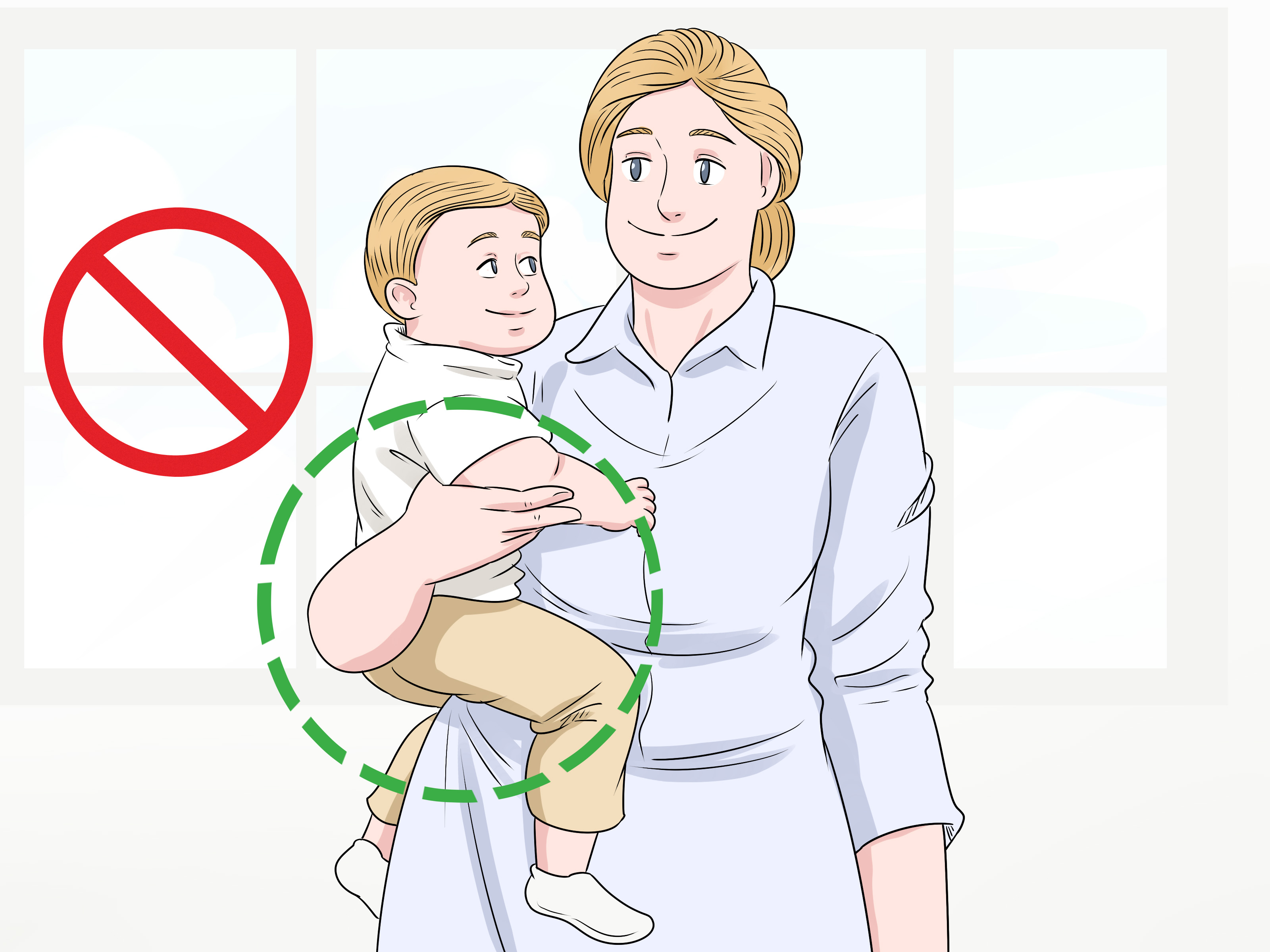
Picking up a baby can feel surprisingly dramatic the first few times. One moment you are a normal, capable adult. The next, you are staring at a tiny human with a wobbly head, soft cheeks, and the mysterious ability to make your hands forget what hands are for. The good news is that learning how to lift and carry a baby is not about being perfect. It is about being calm, gentle, and smart with support.
Babies, especially newborns, need help controlling their head and neck. Their bodies are still developing, their muscles are still strengthening, and their preferred communication style is usually “tiny potato with opinions.” Whether you are a new parent, grandparent, babysitter, aunt, uncle, or brave friend handed a baby at a family gathering, the goal is simple: support the head, support the bottom, keep the baby close, and move slowly.
This guide explains safe, practical ways to lift, hold, and carry a baby while protecting both the baby and your own back. Because yes, babies are small, but after 30 minutes of bouncing one at 2 a.m., your shoulders may file an official complaint.
Why Proper Baby Lifting Matters
Learning how to lift a baby safely matters because newborns do not yet have strong neck control. In the first months of life, a baby’s head is large compared with the rest of the body, and the neck muscles are still developing. That is why adults must always support the head and neck when picking up, holding, feeding, bathing, or passing the baby to someone else.
Good lifting technique also helps prevent accidental slips. Babies can wiggle, startle, stretch, arch their backs, or suddenly decide that your shirt collar is their personal climbing rope. A secure hold keeps their body stable and reduces stress for everyone involved.
There is another person in this equation too: you. Lifting a baby repeatedly with poor posture can lead to sore wrists, tight shoulders, and an aching lower back. Safe baby handling is not only about protecting the baby. It is also about keeping the caregiver functional, because coffee alone cannot hold a household together.
Before You Pick Up a Baby: The Quick Safety Check
Wash or Clean Your Hands
Babies explore the world with their mouths, hands, and an impressive lack of personal space. Before lifting a newborn or young infant, wash your hands or use hand sanitizer when soap and water are not available. This is especially important during cold and flu season or after handling food, pets, diapers, or your phone, also known as the world’s most portable germ museum.
Clear the Area Around You
Before you lift the baby, make sure the space is safe. Move toys, blankets, bags, or cords out of your path. If you are standing near a changing table, crib, couch, or car seat, check that you have enough room to move without twisting awkwardly.
Check Your Own Balance
Stand with your feet about shoulder-width apart. If you are sitting, scoot close to the baby before lifting. Avoid reaching from too far away, especially over crib rails or furniture. The farther the baby is from your body, the more strain you put on your back and arms.
How to Lift a Newborn Baby Step by Step
The safest way to lift a newborn is slow, steady, and fully supported. Think “gentle scoop,” not “grab and go.”
Step 1: Slide One Hand Under the Head and Neck
Place one hand behind the baby’s head and neck. Your fingers should support the base of the skull, while your palm supports the upper back. This keeps the baby’s head from flopping backward or sideways.
Step 2: Place Your Other Hand Under the Bottom
Use your other hand to support the baby’s bottom and lower back. This gives you control over the baby’s whole body, not just the head. A baby may be tiny, but they are not a loaf of bread. They need support from both ends.
Step 3: Bring the Baby Close to Your Chest
Lift the baby slowly toward your body. Keeping the baby close reduces strain on your arms and makes the baby feel more secure. Once the baby is against your chest, you can adjust into a comfortable holding position.
Step 4: Move Smoothly
Avoid quick lifts, sudden turns, or bouncing movements unless you are gently soothing the baby while fully supporting them. Never shake a baby. Even brief shaking can be dangerous because babies have weak neck muscles and delicate developing brains.
Best Ways to Hold and Carry a Baby
The Cradle Hold
The cradle hold is one of the most common ways to carry a baby. Place the baby’s head in the bend of your elbow, with their body resting along your forearm. Use your other hand to support the baby’s bottom or back. This position is great for eye contact, soothing, and quiet bonding.
For newborns, make sure the head is well supported and not tilted sharply forward. The baby’s face should be visible, with the nose and mouth clear for easy breathing.
The Shoulder Hold
For the shoulder hold, bring the baby upright against your chest with their head resting near your shoulder. One hand supports the head and neck while the other supports the bottom. This position is often helpful after feeding, especially when burping.
Keep your hand behind the baby’s head, even if they seem strong for a second. Babies can suddenly bob their heads like tiny dashboard ornaments, and your hand is the safety feature.
The Football Hold
The football hold is useful for feeding, bathing preparation, or carrying a baby close at your side. Tuck the baby along your forearm with their head supported in your hand and their body resting against your side. This hold may feel especially helpful for parents recovering from a C-section because it can keep pressure away from the abdomen.
The Upright Chest Hold
As babies grow and gain more head control, they may enjoy being held upright against your chest. Keep one arm around the baby’s back and bottom, and use the other hand for extra support as needed. This position lets babies look around while still feeling close and secure.
How to Pick Up a Baby From a Crib
Picking up a baby from a crib can be hard on your back because you may need to lean over the crib rail. The safest method is to get as close as possible before lifting.
Lower the crib side only if your crib design safely allows it and follows current safety standards. Otherwise, bend your knees slightly, keep your back as straight as possible, and slide one hand under the baby’s head and neck while placing the other hand under the bottom. Bring the baby close to your chest before standing fully upright.
Avoid lifting with only your arms while your back is rounded. Your spine will remember this betrayal later.
How to Lift a Baby From the Floor
When lifting a baby from a play mat or blanket on the floor, squat or kneel rather than bending from the waist. Place one hand behind the head and neck and the other under the bottom. Bring the baby close to your chest, then use your legs to stand.
This technique protects your lower back and gives you better control. It is also a good habit for the months ahead, when the baby becomes heavier, wigglier, and personally committed to dropping toys just out of reach.
How to Pass a Baby to Someone Else
Passing a baby should be calm and coordinated. The person receiving the baby should be ready with both arms. Say something simple like, “Support the head,” especially if they are not used to holding babies.
Move the baby slowly toward the other person’s chest. Make sure their hands are supporting the head, neck, back, and bottom before you let go. Do not hand off a baby while walking, reaching, laughing too hard, or trying to balance a plate of party snacks. The baby deserves two hands and your full attention.
Common Mistakes to Avoid When Carrying a Baby
Forgetting Head and Neck Support
This is the biggest mistake with newborns. Even if a baby briefly lifts their head, they still need support until they develop steady control. Always assume the head needs help unless the baby is older and clearly strong enough for the position.
Holding the Baby Too Far From Your Body
Carrying a baby away from your chest tires your arms quickly and increases the risk of dropping or losing balance. Keep the baby close, centered, and secure.
Multitasking While Holding the Baby
Carrying a baby while holding hot coffee, cooking, texting, or climbing over clutter is risky. Babies move unpredictably, and distractions make accidents more likely. Put the baby down in a safe place before doing anything that needs both hands.
Using a Loose or Awkward Grip
A secure hold should feel gentle but firm. You do not need to squeeze the baby, but you do need to support their body fully. If you feel unsure, sit down first. There is no shame in becoming a baby-holding couch professional.
Carrying a Baby While Protecting Your Back
Good body mechanics make baby care easier. Keep your shoulders relaxed, bend at the knees, and use your legs when lifting from low surfaces. Avoid twisting your body while holding the baby. Instead, turn your whole body by moving your feet.
If you carry the baby for a long time, switch sides occasionally. Holding a baby on the same hip or shoulder every day can create muscle imbalance. As babies grow heavier, consider using a properly fitted baby carrier that supports the baby’s age, weight, hips, head, and airway. Always follow the manufacturer’s instructions and check that the baby’s face remains visible and uncovered.
Special Situations: Feeding, Burping, and Bath Time
Holding a Baby During Feeding
During bottle-feeding or breastfeeding, bring the baby to the breast or bottle rather than hunching your body down to the baby. Use pillows if helpful. The baby’s head and body should be aligned, not twisted sharply to one side.
Holding a Baby for Burping
For burping, many caregivers use the shoulder hold or seated lap position. In both cases, support the baby’s head, neck, and chest. Keep movements gentle. Burping is not a percussion concert, even if your sleep-deprived brain is looking for entertainment.
Holding a Baby During Bath Time
Wet babies are slippery babies. Before bath time, gather towels, diapers, clothes, and soap so you are not reaching around with one hand while holding a damp little escape artist. Support the head and neck at all times, keep one hand on the baby, and never leave a baby unattended in or near water.
When Can Babies Hold Their Heads Up?
Every baby develops at their own pace, but most babies gradually gain better head and neck control over the first few months. Newborn movements can be jerky at first. With growth, supervised tummy time, and normal daily interaction, babies begin strengthening the muscles they need to lift and steady their heads.
Even when a baby starts showing stronger head control, continue offering support during lifting, carrying, and position changes. A baby may hold their head steady while alert but still need help when tired, hungry, startled, or sleepy.
Red Flags: When to Ask a Pediatrician
Contact a pediatrician if your baby consistently turns their head only to one side, seems unusually floppy or stiff, has trouble feeding in certain positions, cries as if in pain when lifted, or has a fall or head injury. Also seek medical advice if you are unsure whether your baby’s head control, muscle tone, or movement seems typical.
Parents and caregivers are not expected to diagnose anything. Your job is to notice patterns and ask questions. Pediatricians have heard every question before, including the ones that begin with, “This might sound weird, but…”
Real-Life Experience: What Holding a Baby Teaches You
The first experience many people have with lifting a baby is not graceful. Someone places the baby in your arms, and suddenly your elbows become architectural structures. You freeze, smile nervously, and ask, “Am I doing this right?” The answer is usually yes, as long as the baby’s head and neck are supported, the body is secure, and the baby can breathe comfortably.
One useful lesson is that babies respond to confidence, but confidence does not mean rushing. A calm, slow lift often soothes a baby more than a nervous, jerky adjustment. Before picking up the baby, pause for one second. Place your hands correctly. Support the head and bottom. Bring the baby close. That tiny pause can turn a stressful moment into a smooth one.
Another experience many caregivers discover quickly is that each baby has preferences. One baby may love the cradle hold and melt into your arm like warm pudding. Another may prefer being upright against your chest so they can inspect the room like a tiny building manager. Some babies enjoy being held on the shoulder after feeding. Others want gentle rocking, quiet humming, or simply a steady body and a calm heartbeat nearby.
Carrying a baby also teaches you to plan ahead. You learn not to pick up the baby before checking where the burp cloth is. You learn that your phone can wait, your coffee should not be hot and nearby, and the dog will absolutely choose the worst possible moment to stand under your feet. Safe baby handling becomes easier when you prepare the space before you lift.
Many new caregivers also learn that sitting down is a perfectly good strategy. If your arms feel tired or you are nervous, sit in a supportive chair before holding the baby. This is especially helpful for older siblings, grandparents, or visitors who may not be used to newborns. A seated hold reduces the risk of tripping and gives everyone a chance to relax.
Over time, lifting and carrying a baby becomes natural. Your hands automatically find the head and neck. Your arm supports the bottom without overthinking it. You learn the difference between a hungry wiggle, a sleepy wiggle, and the dramatic full-body wiggle that means “I object to this position.” The baby grows stronger, you grow more confident, and eventually you may even carry the baby while narrating your grocery list in a cartoon voice. This is normal. Parenting changes people.
The most important experience is this: babies do not need perfect choreography. They need safety, warmth, and gentle support. If you move slowly, keep their head and neck protected, hold them close, and stay aware of your surroundings, you are already doing the essential things well.
Conclusion
Knowing how to lift and carry a baby safely is one of the first practical skills every caregiver should learn. Start with clean hands and a clear space. Support the baby’s head and neck with one hand and the bottom with the other. Bring the baby close to your body, move slowly, and avoid multitasking. Use simple holds like the cradle hold, shoulder hold, football hold, and upright chest hold depending on the baby’s age, comfort, and situation.
Most of all, remember that babies are small, delicate, and surprisingly expressive. They do not come with instruction manuals, but they do come with cues. Watch their body, protect their airway, support their head, and ask a pediatrician whenever something feels off. With practice, lifting and carrying a baby becomes less intimidating and more like what it truly is: a quiet, everyday way to keep a little person safe, close, and loved.