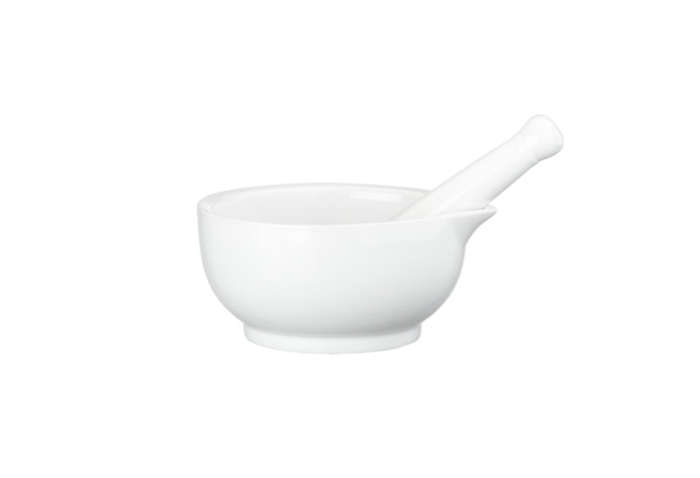
Some kitchen tools arrive with a motor, three settings, a warranty booklet, and a vague threat to take over your counter. Then there is the mortar and pestle: a bowl, a club, and the ancient confidence of something that has been useful for centuries without needing a firmware update. Crate & Barrel’s Porcelain Mortar & Pestle belongs to that wonderfully simple family of toolshandsome enough to leave out, practical enough to use, and quiet enough in design to make your spice grinder look slightly dramatic.
The porcelain version associated with Crate & Barrel has been noted in design coverage as a simple, affordable white mortar and pestle measuring about 4 inches high and roughly 8 inches in diameter. Availability can change over time, and Crate & Barrel’s current mortar-and-pestle selection leans toward marble, granite, and acacia wood options. Still, the porcelain model remains worth discussing because it represents exactly what many home cooks want: a clean-looking, non-fussy, compact tool for herbs, spices, dressings, pastes, and small everyday kitchen rituals.
This guide explores what makes a porcelain mortar and pestle different, how it compares with granite and marble, what it does best, how to care for it, and whether it deserves a spot on your counter. Spoiler: if your idea of cooking joy includes smashing garlic with tasteful aggression, you are in the right place.
What Is Crate & Barrel’s Porcelain Mortar & Pestle?
A mortar and pestle is a two-piece manual grinding tool. The mortar is the bowl; the pestle is the rounded club used to pound, crush, rub, grind, and mash ingredients. It is beautifully low-tech. You supply the elbow grease; it supplies texture, aroma, and flavor.
Crate & Barrel’s porcelain mortar and pestle fits the brand’s familiar kitchen aesthetic: clean, white, simple, and easy to pair with nearly any countertop style. Porcelain is a type of ceramic fired at high temperatures, known for its density, smooth finish, and resistance to moisture. In kitchen terms, that means it does not behave like porous stone or wood. It is generally less likely to hold onto odors, stains, or old garlic memories from last Thursday’s dinner.
That makes a porcelain mortar and pestle especially attractive for cooks who move between recipes. One day it may handle basil and pine nuts for pesto; the next, lemon zest and sugar for a cake; the next, coriander seeds for roasted carrots. Unlike a wooden mortar, which can absorb aroma, porcelain is easier to reset between tasks. It is the kitchen equivalent of a crisp white shirtclean, flexible, and slightly brave around turmeric.
Why Porcelain Matters
Material matters more than many shoppers realize. A granite mortar is heavy, rough, and excellent for tough jobs such as whole peppercorns, cumin seeds, curry pastes, and chunky salsas. Marble is elegant and hard, but it often requires careful cleaning and may not be ideal with acidic or oily ingredients depending on the manufacturer’s instructions. Wood is warm and beautiful, but it can absorb oils and aromas. Porcelain lands in the middle: refined, smooth, easy to clean, and ideal for softer or wetter preparations.
Porcelain’s finer surface is especially helpful when making oil-based sauces. Pesto, chimichurri, vinaigrettes, aioli-style garlic pastes, and herb dressings benefit from a bowl that lets ingredients break down without disappearing into deep stone pores. The result can be creamier and more uniform, although it may take a little more patience than a rough granite mortar.
Think of granite as the gym coach yelling, “More power!” and porcelain as the calm cooking teacher saying, “Circular motion, dear.” Both are useful. They simply have different personalities.
Best Uses for a Porcelain Mortar and Pestle
1. Fresh Herb Pastes
Porcelain is wonderful for basil, parsley, cilantro, mint, chives, dill, and tender leafy herbs. Add a pinch of coarse salt, and the pestle helps bruise the leaves, releasing aromatic oils. This is where a mortar and pestle beats a knife: chopping cuts herbs; grinding bruises and blends them. That difference matters when you want flavor that spreads through a sauce instead of sitting politely in little green confetti pieces.
2. Pesto and Chimichurri
Classic pesto was born from pounding, not button-pushing. A porcelain mortar can turn garlic, salt, basil, nuts, cheese, and olive oil into a sauce with texture and soul. It may not be as fast as a food processor, but the flavor is fresher and the texture less pasty. Chimichurri also works beautifully, especially if you want the herbs crushed just enough to mingle with olive oil, vinegar, garlic, and chile flakes.
3. Garlic, Salt, and Citrus Zest
One of the easiest ways to appreciate a mortar and pestle is to mash garlic with salt. The salt acts like tiny edible sandpaper, turning cloves into a smooth paste. Add lemon zest, black pepper, and olive oil, and suddenly grilled chicken, roasted potatoes, or steamed vegetables taste like you planned dinner with actual intention.
4. Small-Batch Spice Blends
A porcelain mortar can handle small amounts of toasted spices such as coriander, fennel, cumin, mustard seed, or peppercorns. For very hard spices or large batches, a granite mortar or electric spice grinder may be faster. But for a teaspoon or two, especially when you want a coarse, rustic texture, porcelain does the job nicely.
5. Salad Dressings and Marinades
A porcelain mortar is excellent for starting a dressing. Crush garlic, anchovy, capers, herbs, mustard seeds, or shallots with salt, then whisk in vinegar and oil. The mortar bowl becomes a tiny flavor workshop. It also saves you from chasing a single garlic clove around a cutting board like a cartoon villain.
Porcelain vs. Granite vs. Marble
If you are choosing between a porcelain mortar and pestle and another material, start with what you cook most often.
Choose Porcelain If…
You make sauces, dressings, herb pastes, small spice blends, pesto, and aromatic bases. Porcelain is also a smart pick if you care about easy cleanup and a clean white look. It is usually lighter than granite, so moving it from cabinet to counter is less of a forearm workout.
Choose Granite If…
You regularly crush whole spices, dried chiles, curry pastes, nuts, seeds, and dense aromatics like ginger or lemongrass. Granite’s rough surface creates more friction, and its weight keeps the bowl stable. It is the heavyweight champion of serious grinding.
Choose Marble If…
You want a beautiful countertop piece that can crush herbs, nuts, garlic, and spices while looking like it wandered out of a design magazine. Marble is attractive and hard, though some marble products require hand washing and extra care with oils or acidic ingredients.
Design Appeal: Why It Looks Good on the Counter
Crate & Barrel built much of its kitchen identity around clean silhouettes, neutral materials, and tools that look organized even when you are not. A white porcelain mortar and pestle fits that world perfectly. It does not scream for attention. It simply sits there looking useful, like it knows how to make vinaigrette and pay taxes on time.
The white finish also pairs well with common kitchen materials: butcher block, marble counters, quartz, stainless steel, open shelving, white tile, black hardware, and warm wood cabinets. It can blend into a minimalist kitchen or soften a darker, moodier one. Unlike some bulky stone mortars, a porcelain version tends to feel lighter visually. That matters if your counter already hosts a coffee maker, toaster, fruit bowl, and one mysterious appliance you bought during a wellness phase.
Performance: What to Expect
The key thing to understand is that porcelain is not usually the fastest material for brute-force grinding. If you want to pulverize cups of hard spices, porcelain will politely ask why you are doing this to both of you. But for everyday cooking, it performs beautifully when used correctly.
Use a circular grinding motion rather than only pounding straight down. Add coarse salt when working with garlic or herbs. Toast whole spices before grinding to make them more brittle and aromatic. Work in small batches so ingredients have room to move. Do not fill the bowl to the top unless you enjoy cleaning cumin off the backsplash.
Porcelain’s smoother surface can be an advantage because it lets you scrape out nearly everything you make. With some rough stone mortars, flavorful paste can cling in crevices. With porcelain, a silicone spatula can usually rescue the good stuff, which is important when the good stuff includes olive oil, garlic, and basil.
Care and Cleaning Tips
Always follow the manufacturer’s instructions for any specific mortar and pestle, especially if the piece is vintage, discontinued, handmade, or has a wooden component. In general, porcelain is easier to clean than porous stone. A rinse with warm water, a soft brush or sponge, and thorough drying usually does the trick.
Avoid letting strong-colored ingredients sit too long. Turmeric, paprika oil, and deeply pigmented chile pastes are enthusiastic decorators. If staining happens, try a baking soda paste and gentle scrubbing. Do not use harsh metal scrubbers that could scratch the surface. Also, do not drop it. Porcelain is durable in normal use, but gravity remains undefeated.
For odor control, grind a little coarse salt or uncooked rice in the bowl, then rinse. This can help lift lingering garlic or spice residue. Dry the mortar fully before storing so it stays fresh and clean.
Who Should Buy It?
Crate & Barrel’s Porcelain Mortar & Pestle is best for home cooks who value both form and function. It is not the tool for someone who makes large Thai curry pastes every weekend or grinds bulk spice blends by the jar. Those cooks should consider granite, basalt, or an electric spice grinder.
But if your cooking style includes weeknight sauces, fresh herbs, small spice portions, lemony dressings, garlic paste, pesto, and countertop beauty, porcelain is a delightful choice. It is also a strong gift idea for new homeowners, apartment cooks, wedding registries, or anyone trying to build a kitchen that feels grown-up without becoming joyless.
Practical Recipe Ideas
Lemon-Garlic Herb Rub
Crush one garlic clove with a pinch of kosher salt. Add lemon zest, black pepper, chopped parsley, and a spoonful of olive oil. Rub it on chicken, fish, roasted vegetables, or bread before toasting. It tastes like sunshine learned how to cook.
Quick Pesto for Two
Grind one small garlic clove with salt. Add a handful of basil leaves and crush in circles. Add toasted pine nuts or walnuts, grated Parmesan, and olive oil. Spoon over pasta, eggs, tomatoes, or grilled zucchini.
Toasted Spice Finish
Toast cumin and coriander seeds in a dry skillet until fragrant. Let them cool slightly, then grind them in the mortar. Sprinkle over roasted carrots, lentil soup, hummus, or yogurt sauce.
Common Mistakes to Avoid
First, do not overload the bowl. A mortar needs empty space so ingredients can move, break, and become paste instead of launching themselves onto your counter. Second, do not use only vertical pounding. Crushing is useful, but grinding in circles creates smoother pastes. Third, do not expect porcelain to behave like granite. It is better at finesse than brute force.
Finally, do not treat a mortar and pestle as decoration only. Yes, it looks charming. Yes, it gives your kitchen “I make my own dressing” energy. But it becomes more useful the more often you reach for it. Leave it where you can see it, and it will quietly encourage better cooking.
Real Kitchen Experience: Living With Crate & Barrel’s Porcelain Mortar & Pestle
Using a porcelain mortar and pestle changes the pace of cooking in a small but satisfying way. It asks you to slow down for two minutes, which is apparently scandalous in the age of air fryers and thirty-second recipe videos. The first thing you notice is the sound: not the heavy rock-on-rock thud of granite, but a lighter tap and scrape. It feels more delicate, less like construction work, more like making dinner with manners.
For everyday cooking, the best experience starts with garlic and salt. Drop in a peeled clove, add a pinch of kosher salt, and press the pestle down until the garlic begins to surrender. After a few circular turns, the sharp pieces become a creamy paste. This is where the tool earns its keep. Garlic paste spreads evenly into vinaigrettes, marinades, butter, yogurt sauce, and soup. No harsh raw chunks. No surprise bite that makes one dinner guest blink like they just saw the future.
Herbs are another pleasure. Basil bruises beautifully against porcelain, especially when added in small handfuls. Parsley and cilantro become greener, wetter, and more aromatic. Mint releases its cooling oils quickly, making the mortar perfect for yogurt dips or quick sauces for lamb, chicken, or grilled vegetables. When olive oil joins the bowl, the porcelain surface helps the mixture come together smoothly. You can see the sauce becoming glossy, which is oddly satisfying, like watching a tiny cooking show where you are also the host.
The main adjustment is learning its limits. If you toss in a mountain of peppercorns and expect instant powder, you may begin questioning your life choices. Porcelain can grind spices, but it prefers modest amounts. Toasted seeds are easier than raw hard spices. A teaspoon of cumin? Lovely. A full jar of cinnamon shards? Please call a spice grinder and apologize to the pestle.
Cleanup is one of the biggest joys. After making garlic-herb oil or pesto, a warm rinse and gentle sponge usually bring the bowl back to its clean white self. That matters on busy nights. A tool that is annoying to clean slowly becomes a decorative paperweight. A porcelain mortar and pestle is easy enough to use on a Tuesday, which is the true test of kitchen gear. Saturday cooking has ambition; Tuesday cooking has laundry waiting.
On the counter, it also does something subtle: it reminds you to cook with fresh flavor. A visible mortar and pestle invites small upgrades. Crush fennel for sausage pasta. Mash anchovy into Caesar dressing. Grind sesame seeds for noodles. Rub rosemary with salt for potatoes. These are tiny actions, but they make food taste more intentional. That is the real charm of Crate & Barrel’s porcelain mortar and pestle. It is not just a pretty bowl with a stick. It is a small daily nudge toward better, fresher, more fragrant cookingwith just enough old-world drama to make smashing garlic feel like a personality trait.
Conclusion
Crate & Barrel’s Porcelain Mortar & Pestle is the kind of kitchen tool that proves simple things can still feel special. It is attractive, practical, easy to clean, and especially useful for herbs, garlic, small spice blends, pesto, chimichurri, vinaigrettes, and marinades. It may not replace a heavy granite mortar for serious spice grinding, and it will not beat an electric grinder for bulk batches. But for everyday cooking, it delivers exactly what many home cooks need: fresh flavor, satisfying hands-on control, and a countertop presence that says, “Yes, I know what to do with basil.”
If you love tools that are beautiful without being fussy, traditional without being dusty, and useful without requiring an app, a porcelain mortar and pestle deserves a place in your kitchen. Use it often, clean it gently, and let it turn ordinary ingredients into sauces, pastes, and seasonings with more personality than anything squeezed from a bottle.