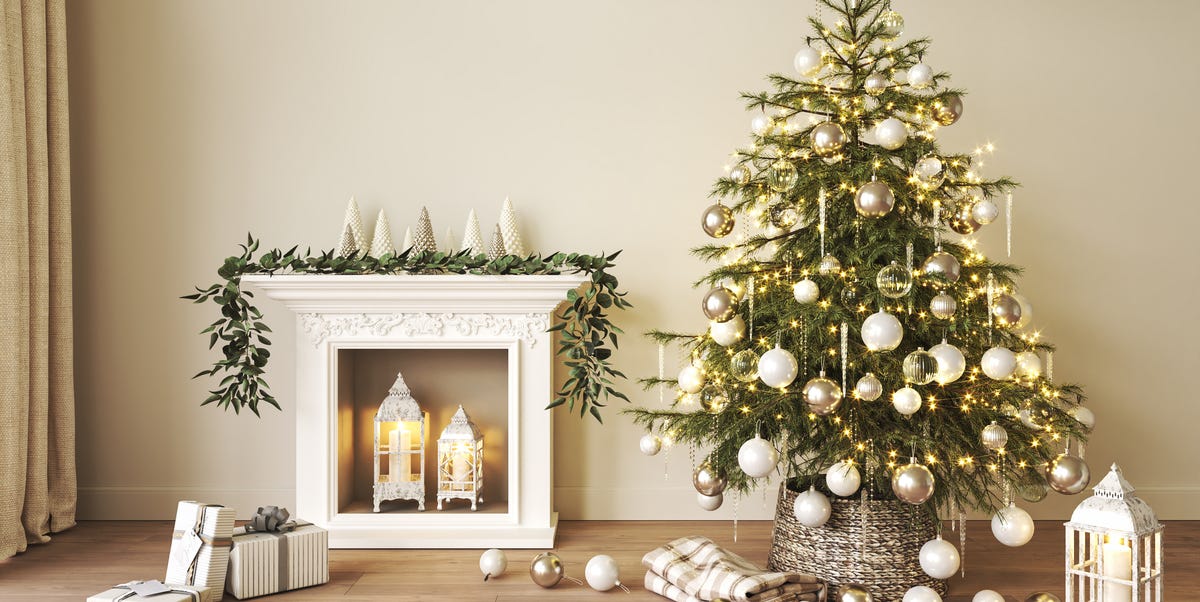
Every year, the same holiday debate returns with the reliability of a tangled string of lights: When should you put up your Christmas tree? Is November 1 too early? Is Thanksgiving sacred turkey territory? Should the tree wait until December like a well-mannered evergreen guest? And what about that one neighbor whose house starts glowing like the North Pole before the Halloween candy is gone?
According to decorating experts, etiquette pros, Christmas tree growers, and fire-safety specialists, there is not one legally stamped “official” date for every home in America. However, if you want the most widely accepted answer, the sweet spot is clear: the day after Thanksgiving, also known as Black Friday, is the unofficial official date to put up your Christmas tree. For many households, it marks the clean handoff from pumpkin pie to peppermint everything.
That said, the expert answer has a few branches. If you have an artificial tree, you have much more flexibility. If you’re buying a real Christmas tree, timing matters because freshness, needle retention, watering, heat exposure, and safety all play a role. And if you follow the Christian calendar, the first Sunday of Advent or even Christmas Eve may feel more traditional. In other words, the “right” date depends on whether your top priority is tradition, freshness, aesthetics, family schedule, or simply emotional survival during the darkest months of the year.
The Short Answer: Put Up Your Christmas Tree the Day After Thanksgiving
For most American households, the best date to put up a Christmas tree is the day after Thanksgiving. This timing has become popular because Thanksgiving is over, family may still be gathered, many people have time off, and the holiday season officially feels ready to begin. It also gives you roughly four full weeks to enjoy the tree before Christmas Day.
Black Friday works especially well for artificial trees because there is no freshness clock ticking. You can set it up, fluff it, decorate it, and admire it all season without worrying that the branches will begin dropping needles before Santa gets out of the driveway.
For real Christmas trees, the day after Thanksgiving can still work beautifully, but only if you care for the tree properly. Most fresh-cut Christmas trees can last about four to five weeks indoors when they are hydrated, placed away from heat sources, and set up in a stand with enough water capacity. That means a tree purchased around Thanksgiving should usually look good through Christmas, especially if it is a sturdy variety such as Fraser fir, noble fir, Nordmann fir, Canaan fir, or certain pines.
Why Experts Like the Day After Thanksgiving
The day after Thanksgiving has become the modern decorating compromise. It respects Thanksgiving, starts the Christmas season early enough to enjoy it, and avoids the awkward feeling of serving mashed potatoes under a fully lit Santa village. It is also practical. Many families are already home, kids are off school, and the long weekend gives everyone time to help decorate.
Tree sellers and holiday decorators often see the Thanksgiving weekend as the beginning of peak Christmas tree season. For families who want a real tree, shopping early can mean better selection, especially for taller trees or popular varieties. Waiting too long may leave you with a tree that looks less “majestic holiday centerpiece” and more “Charlie Brown, but make it desperate.”
Decorating right after Thanksgiving also gives the home a festive reset. The fall leaves, pumpkins, and harvest decor can move out gracefully, while lights, ornaments, garlands, and ribbons take over. It is a clean seasonal transition, and that is why so many experts treat Black Friday as the practical “official” date.
But Is There a Traditional Christmas Tree Date?
Yes. Historically, Christmas trees were often put up much later than they are today. In older European Christian traditions, trees were commonly displayed on Christmas Eve. Some traditions connect the Christmas tree with December 24, the feast day of Adam and Eve, when “paradise trees” decorated with apples appeared in medieval religious plays and homes.
Another traditional date is the first Sunday of Advent, which falls four Sundays before Christmas. Advent marks a season of preparation before Christmas, so many people who follow the church calendar prefer to begin decorating then. In some years, the first Sunday of Advent falls in late November; in others, it lands in early December.
For example, in 2026, the first Sunday of Advent is November 29. That makes it very close to Thanksgiving weekend and supports the modern idea that the end of November is a reasonable time to begin Christmas decorating. If you want a tradition-based answer, Advent is a strong choice. If you want a modern American answer, the day after Thanksgiving wins the popularity contest.
December 1 Is the Best “Calendar Clean” Date
Some experts and etiquette-minded decorators prefer December 1 because it is neat, simple, and emotionally satisfying. No counting Sundays. No debates about whether Thanksgiving has been properly respected. No household negotiations that sound like a Supreme Court hearing about garland.
December 1 is especially good for anyone buying a real tree and hoping to keep it fresh into early January. It gives you about three and a half weeks before Christmas Day and a little breathing room afterward. If your family keeps decorations up until New Year’s Day or Epiphany on January 6, December 1 is often safer for freshness than mid-November.
It is also a smart date for people who live in warm climates or keep their homes heated. Heat can dry a real tree faster, so waiting until December reduces the chance that your tree will become brittle too soon.
Real Tree vs. Artificial Tree: The Date Changes Everything
If You Have an Artificial Christmas Tree
If your tree comes from a box, you have maximum freedom. You can put it up the day after Thanksgiving, the first weekend of November, or, if your heart insists, the moment the final Halloween decoration goes into storage. Artificial trees do not dry out, do not need water, and do not drop needles unless they are losing a fight with the attic.
Experts generally agree that artificial trees are more flexible because the main concerns are style, schedule, and storage. If early decorating brings joy, there is no practical reason to wait. Just make sure the lights are safe, cords are in good condition, and the tree is stable.
If You Have a Real Christmas Tree
A real tree is a living decoration with a deadline. Once cut, it needs water quickly and consistently. Most fresh trees last around four to five weeks indoors with good care. That makes Thanksgiving weekend a reasonable starting point, but early November may be risky unless you plan to remove the tree soon after Christmas or you choose a long-lasting variety.
The most important rule is hydration. Place the tree in water as soon as possible after bringing it home. If the trunk has sealed with sap, make a fresh straight cut at the base before placing it in the stand. Use plain water, check the level daily, and never let the cut end sit above the water line. A thirsty Christmas tree is not being dramatic; it is trying to survive your living room.
The Best Time to Buy a Real Christmas Tree
The best time to buy a real Christmas tree is usually Thanksgiving weekend through the first week of December. This window gives you good selection while still keeping the tree fresh for Christmas. If you want a specific size, shape, or variety, shopping earlier in that window helps.
Popular real tree varieties include Fraser fir, Douglas fir, noble fir, balsam fir, Canaan fir, and white pine. Fir trees are especially loved because many hold needles well and have a classic Christmas fragrance. Spruce trees can be beautiful, but some varieties tend to lose needles sooner, so they may not be ideal for very early setup.
When choosing a real tree, look for flexible needles, a fresh scent, and branches that bounce back when touched. Avoid trees with lots of brown needles, brittle branches, or a dry, dull appearance. A tree should feel alive, not like it has already emotionally left the season.
How Long Will a Real Christmas Tree Last?
With proper care, many real Christmas trees last about four to five weeks indoors. Some may last longer, especially if they are very fresh, well-watered, and kept in a cool room away from heat. Others may dry faster if they were cut weeks before purchase, transported poorly, or placed beside a fireplace, radiator, sunny window, or heat vent.
That is why the “official” date depends on your removal plan. If you take your tree down right after Christmas, putting it up around Thanksgiving weekend can work. If you want it to stay beautiful through New Year’s or January 6, waiting until December 1 or the first full weekend of December is usually wiser.
Christmas Tree Safety: The Part Nobody Wants to Talk About
Holiday decorating should feel magical, but safety matters. A dry Christmas tree can become a serious fire hazard. The safer tree is the hydrated tree. Keep a real tree away from heat sources, use lights that are rated for indoor use, inspect cords for damage, and turn lights off before bed or when leaving the house.
LED lights are a smart choice because they produce less heat than older incandescent bulbs and use less energy. Also, avoid overloading outlets or hiding extension cords under rugs where they can overheat or become damaged.
If your tree begins dropping lots of needles, feels brittle, or no longer drinks water, it is time to remove it. Yes, even if the ornaments look perfect. The tree has done its job. Let it retire with dignity.
What If You Want to Decorate Before Thanksgiving?
Here is the good news: the holiday police are not coming. If decorating early makes you happy, many modern experts say you should enjoy it. Holiday decor can boost mood, create anticipation, and make the home feel warm during a busy season.
If you want to decorate before Thanksgiving without overwhelming the fall holiday, try a transitional approach. Use winter greenery, warm white lights, pinecones, candles, berries, plaid ribbons, and neutral ornaments. Save the Santa figurines, stockings, and full red-and-green explosion until after Thanksgiving. This gives your home a cozy seasonal feeling without making the turkey feel underdressed.
For artificial trees, early decorating is easy. For real trees, consider waiting to buy the tree but putting up other decorations first. You can hang wreaths, arrange garlands, decorate the mantel, or set up outdoor lights while saving the real tree for Thanksgiving weekend or early December.
What If You Prefer to Wait Until Christmas Eve?
Waiting until Christmas Eve is deeply traditional in some families. It can make the tree feel more special because it appears right before the celebration. This approach also keeps a real tree fresh for the full Christmas period, especially if your family celebrates through the Twelve Days of Christmas.
The downside is that late decorating can feel rushed. Christmas Eve is already busy with cooking, wrapping, travel, church services, and last-minute gift panic. If decorating the tree that night feels meaningful, wonderful. If it feels like one more chore in a tinsel-covered obstacle course, choose an earlier date.
The Best Date Based on Your Holiday Personality
The Traditionalist
Choose the first Sunday of Advent or Christmas Eve. These dates connect your tree to older religious and cultural customs.
The Practical Family
Choose the day after Thanksgiving. It is convenient, festive, and gives everyone time to participate.
The Real Tree Loyalist
Choose December 1 or the first weekend of December if you want the tree to stay fresh into January.
The Artificial Tree Enthusiast
Choose whenever joy strikes. Your tree is not going to dry out, judge you, or request water.
The Holiday Maximalist
Decorate in stages. Start with winter greenery in early November, add lights around Thanksgiving, and bring in the full Christmas tree after Thanksgiving dinner has had its moment.
Expert-Approved Tips for Setting Up Your Christmas Tree
Before setting up your tree, measure your space. Leave enough room between the top of the tree and the ceiling for a topper. A tree that scrapes the ceiling may look dramatic, but it also makes decorating feel like a ladder-based sporting event.
For a real tree, choose a stand with a large water reservoir. A good rule of thumb is to provide about one quart of water per inch of trunk diameter. Check water levels daily, especially during the first week, when a fresh tree may drink more than expected.
Place the tree away from fireplaces, radiators, heating vents, and strong sunlight. Cooler rooms help the tree stay fresh longer. If possible, lower the room temperature slightly or use a humidifier to reduce drying.
When decorating, start with lights, then garland or ribbon, then ornaments, and finally the topper. Put delicate ornaments higher if you have pets, toddlers, or one suspiciously athletic cat. Place heavier ornaments deeper on sturdy branches, and save sentimental ornaments for visible spots where they can be admired.
So, What Is the Official Date?
The best overall answer is this: Put up your Christmas tree the day after Thanksgiving if you want the most widely accepted American date. It is practical, festive, and supported by modern decorating habits. If you have a real tree and want it fresh into January, wait until December 1 or the first weekend of December. If you follow Christian tradition, use the first Sunday of Advent. If you love old-school customs, Christmas Eve is still a meaningful choice.
In short, the experts agree on one thing: the best date is the one that balances joy with common sense. Your tree should make the season brighter, not become another holiday stress project standing in the corner with a leaning star and emotional baggage.
Extra Experiences: What Putting Up the Christmas Tree Really Feels Like
There is a reason people care so much about when to put up a Christmas tree. It is not just furniture with lights. It is the emotional starting bell of the holiday season. The moment the tree goes up, the house changes. The living room feels softer. Even the most ordinary Tuesday night suddenly looks like it deserves cocoa.
For many families, decorating the tree the day after Thanksgiving becomes a ritual. Someone brings the boxes down from the attic. Someone complains that the lights were “definitely organized last year.” Someone finds a mystery ornament that nobody remembers buying. Then, slowly, the room fills with memories. The ornament from a child’s first Christmas. The glittery craft from kindergarten. The souvenir from a vacation. The slightly ugly ornament that survives every year because tradition is stronger than taste.
One of the best experiences is letting the tree evolve instead of forcing perfection. Magazine-style trees are beautiful, but family trees have personality. A handmade ornament next to a crystal snowflake? Perfect. A candy cane hook holding up an ornament from 1998? Also perfect. A lopsided topper that requires three people and mild negotiation? That is Christmas engineering.
If you live alone, putting up a tree can still be meaningful. It can be a personal ceremony that says, “I am making space for joy.” Play music, make a warm drink, choose a color theme, and decorate slowly. The tree does not need an audience to matter. Sometimes the quiet glow at night is the whole point.
Couples often discover that tree timing reveals personality differences. One person wants the tree up before Thanksgiving. The other believes Christmas decorations should wait until the leftovers are gone. The compromise? Put up winter lights early and decorate the tree after Thanksgiving. This keeps peace in the household and prevents garland-based legal disputes.
Families with children may prefer decorating early because kids experience the season with full-volume excitement. A Christmas tree gives them something magical to look forward to every day. Letting children hang ornaments, even if all of them end up on one branch, makes the tree feel alive. You can always rearrange a few after bedtime. Gently. Secretly. Like a festive ninja.
Pet owners have their own Christmas tree adventure. Cats see trees as climbing opportunities. Dogs see low ornaments as suspicious snacks. The best experience here is preparation: secure the tree, avoid fragile ornaments near the bottom, skip edible decorations, and use pet-safe materials. A beautiful tree is nice. A beautiful tree that remains upright is better.
Another underrated experience is turning the tree lights on in the early morning. Before emails, errands, school runs, or work calls, the tree creates a little pocket of calm. It reminds you that the season is not only about shopping lists and deadlines. It is also about atmosphere, memory, and small moments that feel warmer than they logically should.
Taking the tree down has its own emotional rhythm. Some people remove it on December 26 with military efficiency. Others keep it up through New Year’s Day or Epiphany. Neither group is wrong. The best rule is to remove the tree when it stops feeling joyful and starts feeling like a dusty forest roommate.
Ultimately, the experience of putting up a Christmas tree is less about the exact date and more about what the date allows. Choose a day when you have time to enjoy the process. Choose a day when the people in your home can participate. Choose a day that turns decorating from a task into a memory. Experts can recommend the best window, but your home gets the final vote.
Conclusion
The unofficial official date to put up your Christmas tree is the day after Thanksgiving. It fits modern American tradition, gives the holiday season a cheerful launch, and works well for artificial trees and many well-cared-for real trees. For maximum freshness with a live tree, December 1 or the first weekend of December may be even better. For religious tradition, the first Sunday of Advent remains a meaningful choice, while Christmas Eve offers a classic old-world approach.
The real expert answer is simple: decorate when it brings joy and still makes practical sense. Keep real trees watered, place them away from heat, use safe lights, and do not let social media bully you into a timeline that does not fit your life. Whether your tree goes up on Black Friday, December 1, Advent Sunday, or Christmas Eve, the goal is the same: a home that feels warm, bright, and ready for the season.
Note: This article is based on expert guidance from American home, holiday, tree-care, etiquette, and safety resources, rewritten in original language for web publication without direct source links.