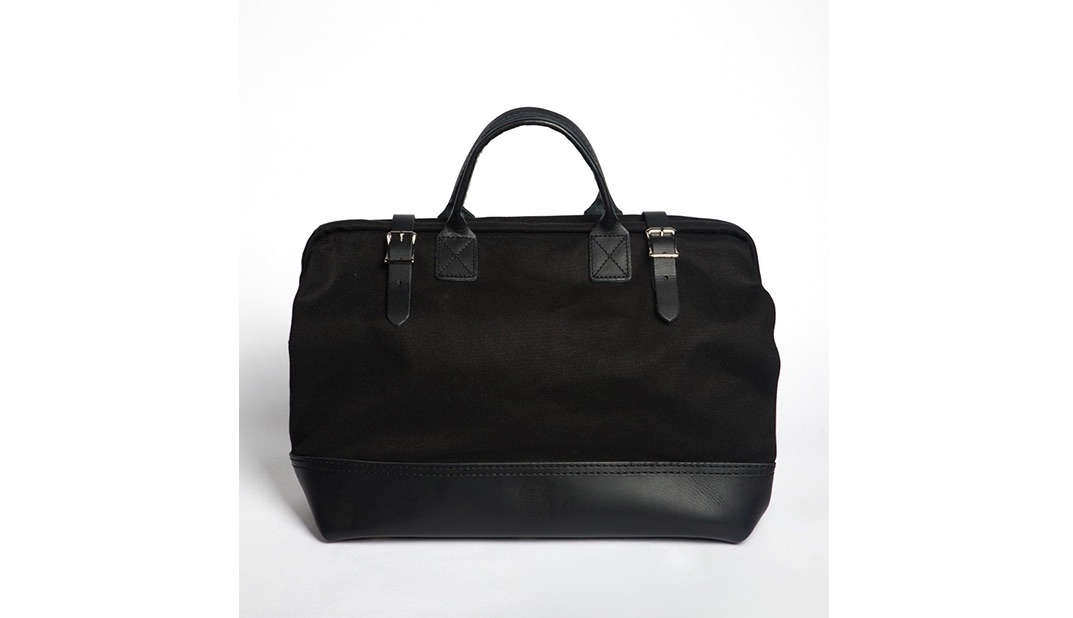
If tool bags had personalities, the Hand-Eye 16 in. Canvas Tool Bag Black would be that calm, capable friend who shows up on time, carries too much, and somehow still looks put together. It sits in a sweet spot between rugged work gear and stylish everyday carry: black canvas, leather details, steel hardware, and a shape that looks equally at home on a jobsite, in a studio, or next to your desk.
This guide synthesizes practical insights from U.S. manufacturer specs, retailer listings, independent review roundups, and workplace safety guidance to answer one question: Is this bag actually worth it for real life, not just for pretty product photos? We’ll break down materials, comfort, organization, durability, and how this bag compares with popular 16-inch alternatives. You’ll get clear pros and trade-offs, plus a long-form experience section at the end so you can picture what daily ownership really feels like.
Short teaser before we go deep: if you love old-school craftsmanship and want a 16-inch canvas tool bag that carries with confidence, this one punches above its size. If you want 20+ pockets, rain-proof synthetics, and tactical storage chaos, you may prefer modern nylon competitors. Think classic workshop energy versus tactical spaceship organizer.
What Makes the Hand-Eye 16 in. Canvas Tool Bag Black Stand Out
1) Material Combo: Heavy Canvas + Leather + Steel
The Hand-Eye bag’s biggest strength is material character. You get thick black canvas, double-stitched leather on stress points, steel hardware, and a rigid base with steel pegs/studs. Translation: this is built to resist daily scuffs and rough surfaces while keeping a clean silhouette. It’s not pretending to be ultralight. It’s built to feel substantial.
This construction style matters because mixed materials solve real-world problems:
- Canvas body: flexible enough to load odd-shaped tools without hard-shell frustration.
- Leather reinforcement: better wear resistance at handles and contact zones.
- Steel frame mouth: helps the bag open wide when you need visibility, then close securely.
- Studded/rigid bottom: helps stability and protects contents from wet or gritty surfaces.
2) Real Size, Real Utility
The listed dimensions are 16 x 12 x 8 inches, which is a practical “Goldilocks” footprint for many trades and DIY routines. It can fit rulers, long hand tools, a compact drill setup, notebook, small parts pouch, and yesstill room for lunch. If your current bag feels like a black hole, this size is often easier to manage because it limits overpacking.
3) Made-in-USA Craft Identity
For buyers who care about origin and small-batch style, “Made in the USA” is a meaningful differentiator. Not everyone shops by that filter, but if you value domestic manufacturing and a heritage aesthetic, this bag checks that box without shouting about it.
Feature Analysis: What You Notice After Week One
Wide Mouth Access Is a Time Saver
A framed opening sounds like a small detail until you stop digging around like a raccoon in a mystery bin. The hinged mouth lets you see what you brought. That lowers friction on repetitive tasks: grab pliers, swap bits, return tool, move on. Over a full day, this can shave off dozens of tiny interruptions.
Handle Comfort Is Better Than It Looks
Leather handles are stitched and reinforced for both comfort and load confidence. Under moderate loads, carry feel is stable and predictable. Under heavy loads, you’ll still feel weight (physics never takes a day off), but handle structure reduces hand fatigue versus thin webbing straps.
Bottom Protection Is Not Just a Marketing Bullet
Many tool bags fail from the bottom first. The Hand-Eye base design addresses this with rigidity and protective studs. If you frequently set bags on concrete, dusty floors, driveway gravel, or damp workshop corners, this alone can extend service life and protect interior tools.
How It Compares to Popular 16-Inch Alternatives
The Hand-Eye bag sits in a premium-craft lane. To evaluate fairly, compare it against mainstream 16-inch categories:
Klein 16-Inch Black Canvas (13 Pockets)
Klein’s 16-inch black canvas model is a benchmark in this format: No. 8 canvas, 13 interior pockets, steel frame mouth, moisture-resistant bottom, rivet reinforcement, and shoulder strap options. If you prioritize internal organization count and contractor-friendly structure, Klein is extremely competitive. Hand-Eye, by contrast, leans harder into craftsmanship style and minimalist elegance.
DEWALT 16-Inch Pro Open Mouth
DEWALT’s modern jobsite approach emphasizes visibility and fast access: hi-vis interior, padded strap comfort, quick-close zipper handling, and IP-style weather-resistant positioning in retailer listings. It’s made for speed and rough mobility. If you want tactical pocket architecture and weather-focused synthetics, this category may beat classic canvas.
Milwaukee and Other Ballistic/Nylon Systems
Milwaukee’s lineup demonstrates the other end of the spectrum: high-denier synthetics, molded bases, drainage features, and high pocket counts on some models. These designs excel in wet, muddy, high-abuse environments. But they often look more industrial and less refined than heritage canvas-leather builds.
Bottom line: choose Hand-Eye if your priority is durable craftsmanship with clean aesthetics and practical structure. Choose high-pocket synthetics if your top metric is maximum compartmentalization in unpredictable weather.
Canvas vs Synthetic Tool Bags: Which Material Is Better?
Canvas Advantages
- Classic feel and visual character that ages well.
- Naturally grippy surface; tools don’t “slide around” visually as much.
- Often quieter and less rigid than ballistic shells during daily handling.
- Pairs well with leather reinforcement for long-term use.
Synthetic Advantages
- Typically higher water resistance out of the box.
- Lighter weight per cubic capacity in many models.
- Often higher pocket density for strict organizational workflows.
- Easier wipe-clean in very dirty environments.
If your work regularly includes wet conditions, slurry, or constant exposure to mud and sharp debris, synthetic bags often win the maintenance game. If your environment is mixed indoor/outdoor and you value long-term feel, structure, and aesthetics, premium canvas remains a strong choice.
Ergonomics and Safety: Don’t Let a Good Bag Become a Bad Habit
Even a perfect bag won’t save you from poor load habits. Safety guidance from U.S. workplace agencies highlights common material-handling risks: heavy/bulky loads, twisting while carrying, limited visibility, and improper lifting technique. In plain English: if your bag is too heavy to carry naturally with posture intact, reduce load or split gear.
A practical rule for daily carry:
- Pack by task, not by anxiety (“just in case” can add 10 unnecessary pounds fast).
- Keep dense tools low and centered to stabilize carry.
- Use a shoulder strap when distance increases, and switch sides periodically.
- If visibility is blocked by load, reduce contents and make two trips.
- Team-lift awkward or unusually heavy setups.
Your back does not care how premium the bag is. It cares about leverage, posture, and repeat strain. Smart loading is the hidden feature nobody lists on the product page.
Tool Organization Strategy for a 16-Inch Bag
A 16-inch tool bag works best with a “zone” setup:
Zone A: Fast-Access Essentials
Tape measure, utility knife, multi-bit driver, pencil/marker, flashlight. Keep these in repeatable spots. Muscle memory beats rummaging every time.
Zone B: Task-Specific Core
For electrical: stripper, tester, insulated screwdrivers. For plumbing: adjustable wrench, channel locks, compact cutter. For home DIY: hammer, level, pliers, bits.
Zone C: Consumables + Small Parts
Use zip pouches for screws, anchors, blades, and connectors. This prevents the classic “mystery metal confetti” problem at the bottom of the bag.
Zone D: Flat Slot / Pocket
Store notepad, invoice pad, slim tablet, or folded plans. The Hand-Eye form factor makes this surprisingly practical for mixed office + field days.
Durability and Care Plan for Long Life
To keep a black canvas tool tote looking good and working hard:
- Brush out dust weekly; grit shortens fabric life.
- Spot-clean with mild soap and water; avoid harsh bleach-style chemicals.
- Air dry thoroughly before storage to prevent mildew odor.
- Condition leather components occasionally with a suitable leather conditioner.
- Check studs, stitching, and strap hardware monthly for early wear signs.
Think of maintenance like sharpening chisels: boring for five minutes, helpful for five years.
Who Should Buy the Hand-Eye 16 in. Canvas Tool Bag Black?
Great Fit For:
- Pros and serious DIYers who want durable canvas tool bag quality with style.
- Users who carry a curated kit, not an entire hardware aisle.
- People who value leather/canvas craftsmanship and made-in-USA identity.
- Hybrid users (jobsite + office + studio) who want one bag that doesn’t look out of place.
Maybe Not Ideal For:
- Those needing extreme pocket counts and modular, synthetic-heavy systems.
- Workflows with constant heavy rain, standing water, or frequent hose-down cleaning.
- Users who habitually overpack very heavy tools and power gear in one bag.
Final Verdict
The Hand-Eye 16 in. Canvas Tool Bag Black succeeds because it doesn’t chase every trend. It focuses on structure, materials, and everyday usability. You get a bag that feels premium in hand, stable on the ground, and practical in motion. The form is classic; the function is modern enough for serious work.
Is it the absolute best option for every trade and weather condition? No. But if your priorities are craftsmanship, reliable carry behavior, and a clean professional look, it’s a standout choice in the 16-inch class. In a market full of pocket inflation and neon chaos, this bag is refreshingly confident: fewer gimmicks, better fundamentals, and just enough attitude.
Extended Experience Section (Approx. ): A Week With the Hand-Eye 16 in. Canvas Tool Bag Black
Monday started with optimism and coffee. I packed the Hand-Eye bag for a mixed day: two light service stops, one office meeting, and a late-afternoon “can you quickly fix this?” call that everyone knows is never quick. The first thing I noticed was how naturally the bag stood upright when I dropped it by the truck. No flop, no dramatic collapse, no tools doing a synchronized diving routine. The rigid base and studs made setup feel calm, and calm is underrated before 8 a.m.
At the first stop, I needed screwdrivers, pliers, tester, and fasteners in rotation. The frame-mouth opening paid off immediately; I could see what I had instead of fishing blindly. That sounds small until you do it 40 times in a day. By mid-morning, I was moving faster mostly because the bag reduced “micro-delays”those five-second pauses that add up like hidden fees on a phone bill.
Tuesday was rain-adjacent: not pouring, but enough moisture to test real-world behavior. The bag sat on damp concrete for short stretches while I worked. The bottom protection did its job; I didn’t get the soggy-canvas panic moment. I still wiped it down at the end of the day because good habits beat heroic repairs. The leather handles felt solid even when my gloves were slightly wet, and the carry stayed balanced.
Wednesday was the chaos day. A neighbor asked for help mounting shelves, a friend needed a stubborn faucet cartridge removed, and someone else texted “Do you have a drill bit for metal?” I did, because the 16-inch size encourages deliberate packing. Not minimal, not maximaljust intentional. I kept heavy tools low, parts in pouches, and frequently used tools near the top. The bag never felt like a junk drawer with handles.
Thursday included a quick office check-in. I swapped one pouch, added a notebook and compact laptop, and walked into a meeting without looking like I brought a construction site to the conference room. That’s a weird but real advantage: this bag can transition across environments. Some tool bags scream “industrial only.” This one says, “Yes, I can fix your door hinge, and yes, I can discuss timelines at 2 p.m.”
Friday was clean-up and reset. I emptied the bag, brushed out dust, checked stitching, and reorganized for next week. No drama, no torn seams, no strange zipper behavior. The wear pattern looked normal: a little character, no structural complaints. After a full week, the biggest surprise wasn’t one flashy feature; it was consistency. The bag stayed stable, accessible, and comfortable enough to carry without resentment.
Final week takeaway: the Hand-Eye 16 in. Canvas Tool Bag Black rewards disciplined users. If you like thoughtful loadouts, durable materials, and gear that ages with personality, it feels excellent. If you want infinite pockets and tactical modular everything, you might crave something else. For me, this one felt like the right kind of partnerreliable, handsome, and quietly efficient. Also, unlike my old bag, it never tried to eat my pencil. That alone deserves a small trophy.